
Natural Apricot Scrub: The Best Way to Exfoliate for Glowing Skin

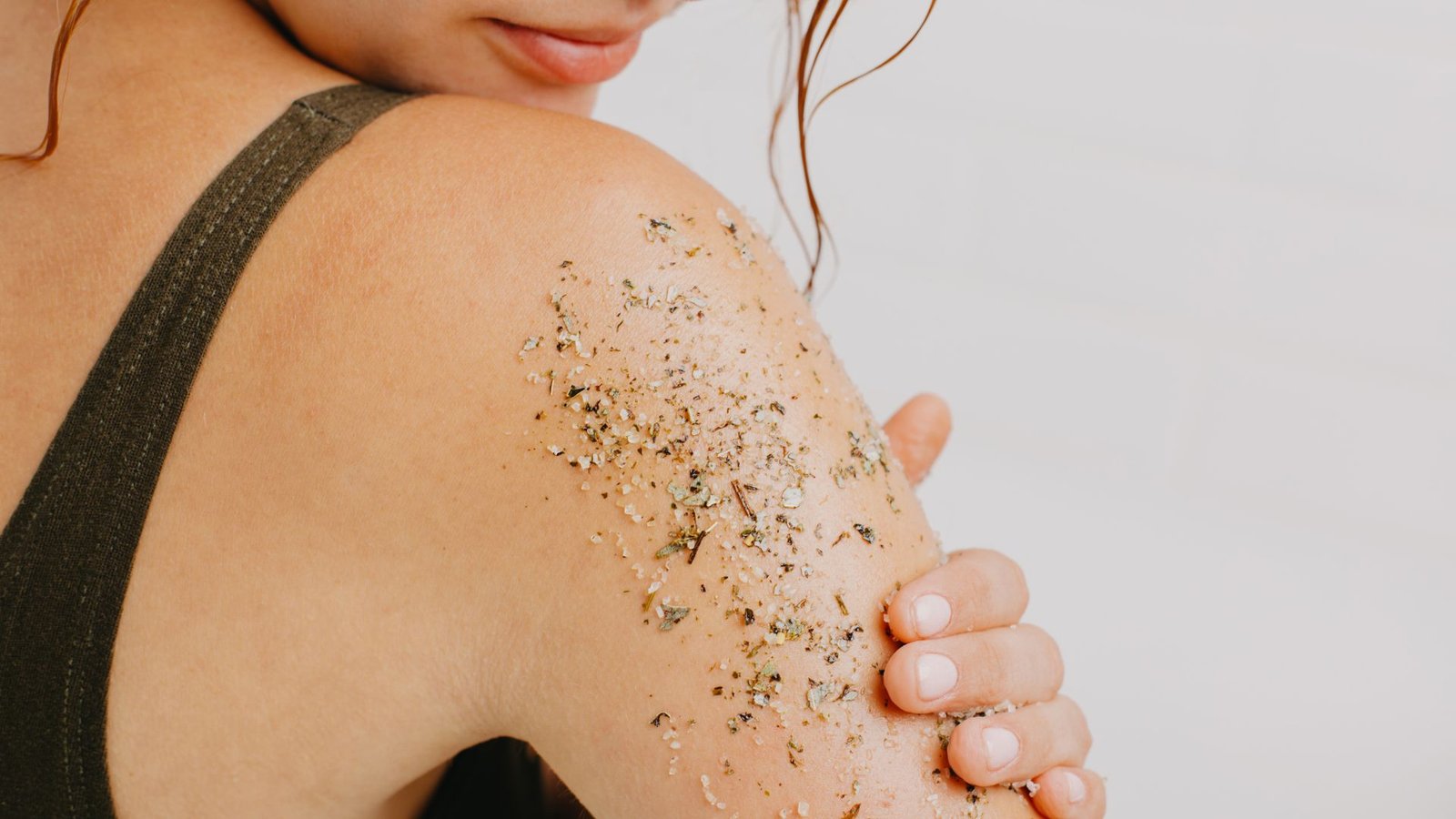
Smooth, comfortable skin does not always come from adding more products to your routine. Sometimes, the missing step is simply body exfoliation.
Our skin naturally sheds dead skin cells, but some of that buildup can remain on the surface. This can make areas such as the elbows, knees, arms and legs feel rough or look dull. A gentle natural apricot scrub can be a simple way to add physical exfoliation to your body-care routine.
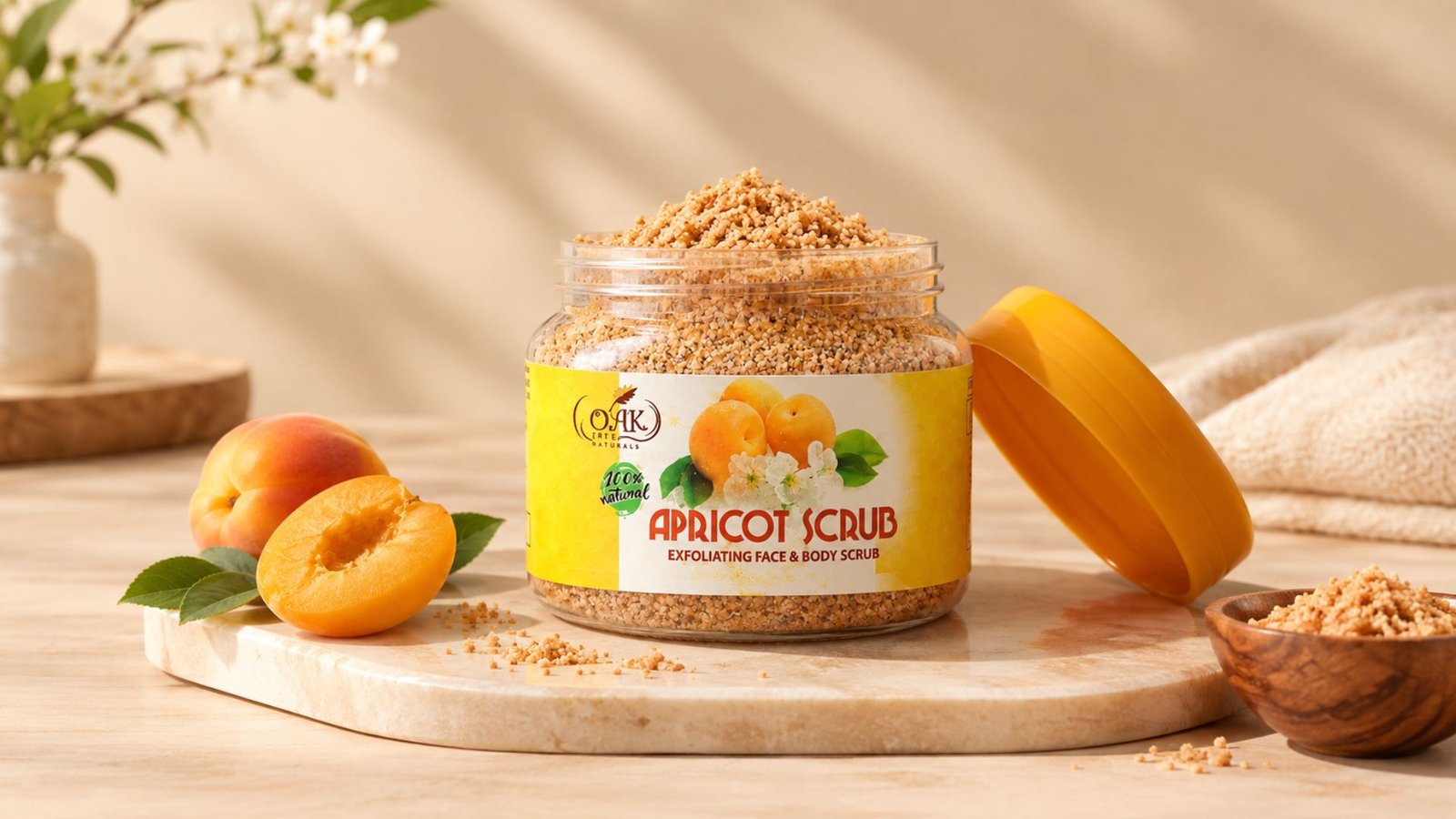
Oak Tree Naturals Apricot Scrub is a 50 g exfoliating product formulated around crushed apricot kernels. The product is designed to help remove dead skin cells and impurities while leaving the skin feeling smoother and refreshed.
But there is an important distinction: a body scrub is not something you need to attack your skin with. Effective exfoliation should feel gentle rather than painful or abrasive.
So, how should you actually use an apricot scrub? How often should you exfoliate? And what mistakes should you avoid?
Let’s break it down.
Table of Contents
What Is a Natural Apricot Scrub?
A natural apricot scrub is a physical exfoliating product that uses apricot-derived particles to help loosen and remove dead skin cells from the surface of the skin.
Unlike chemical exfoliants, which use acids or other ingredients to loosen dead skin cells, a physical scrub relies on gentle massage and textured particles.
Oak Tree Naturals Apricot Scrub contains crushed apricot kernels that provide the exfoliating texture. According to the product information, the scrub is intended to help remove dead skin cells, excess oil, and impurities while leaving skin feeling smoother and refreshed.
For body care, this can be particularly useful when your skin feels:
- Rough or uneven
- Dull-looking
- Dry and flaky
- Less smooth than usual
- In need of occasional exfoliation
The goal isn’t to remove every bit of oil from your skin. Instead, the goal is to gently refresh the surface.
The American Academy of Dermatology explains that exfoliation removes dead skin cells from the outer layer of the skin, but also warns that aggressive exfoliation can irritate.
That balance is worth remembering throughout your routine.
Why Exfoliate Your Body?
Think about the areas of your body that tend to feel roughest.
Your elbows may become dry from repeated friction. Knees can develop a rough texture. Legs may feel flaky, particularly when the weather is dry. Even otherwise soft skin can develop surface buildup over time.
This is where a natural apricot scrub can become a useful occasional step.
1. It Helps Remove Surface Dead Skin
One of the primary purposes of exfoliation is removing dead skin cells from the surface.
When these cells accumulate, your skin may feel less smooth. Gentle physical exfoliation can help lift some of this buildup and leave the surface feeling cleaner and softer.
2. It Can Improve the Feel of Rough Areas
Body exfoliation is particularly useful when certain areas feel rougher than the rest of your skin.
You can pay extra attention to areas such as:
- Elbows
- Knees
- Heels
- Arms
- Legs
However, more pressure does not mean better exfoliation. Gentle circular movements are generally preferable to aggressive rubbing.
3. It Can Make Skin Feel Refreshed
There is something satisfying about stepping out of the shower with skin that feels clean, smooth and comfortable.
A natural apricot scrub can add that extra exfoliating step when your regular body cleanser isn’t intended to provide physical exfoliation.
4. It Can Complement a Simple Body-Care Routine
You don’t need a complicated routine.
A simple body-care routine might look like:
Cleanse → Exfoliate occasionally → Moisturize
The exfoliation step doesn’t need to happen every day. In fact, over-exfoliation can leave skin irritated or excessively dry. The American Academy of Dermatology recommends adjusting exfoliation frequency according to your skin type and the method being used.
Natural Apricot Scrub vs. Regular Body Scrub
The word “natural” can make a product sound automatically better, but it’s more useful to look at what the product actually does and how your skin responds to it.
A natural apricot scrub uses apricot-derived exfoliating material, while “body scrub” is a broader category that can contain many different exfoliating particles and ingredients.
Here’s a simple comparison:
Feature Apricot Scrub General Body Scrub
Main purpose Physical body exfoliation Physical body exfoliation
Exfoliating material Apricot-derived particles Can vary
Best suited for Rough or dull body skin Depends on formulation
Application Gentle massage on damp skin Depends on product instructions
Frequency Based on skin tolerance Based on formulation and skin tolerance
The important point is that the texture of the scrub matters. A scrub that feels excessively rough should not be used with heavy pressure simply because you want stronger exfoliation.
How to Use a Natural Apricot Scrub on Your Body
Using a scrub is straightforward, but technique makes a difference.
Step 1: Wet Your Skin
Start with damp skin during your shower.
You don’t need extremely hot water. Lukewarm water is generally a better choice for avoiding unnecessary dryness.
Step 2: Take a Small Amount
Apply a small amount of the natural apricot scrub to the area you want to exfoliate.
You don’t need to cover your entire body with a thick layer.
Step 3: Massage Gently
Use your fingertips to massage the scrub using small, circular movements.
Don’t press hard.
The exfoliating particles are already doing the physical work. Increasing pressure can increase friction.
The American Academy of Dermatology recommends gentle circular motions when using a scrub and advises against exfoliating skin that has open cuts or is sunburned.
Step 4: Rinse Thoroughly
Wash the scrub away with lukewarm water.
Make sure no product remains trapped around areas such as the knees or elbows.
Step 5: Moisturize
After exfoliation, apply a suitable body moisturizer.
This is an important step because exfoliation can leave skin feeling dry, particularly if your skin is already prone to dryness. Dermatologists recommend moisturizing after exfoliating.
How Often Should You Use an Apricot Body Scrub?
There isn’t one universal schedule that works for everyone.
Your ideal frequency depends on your skin, the product’s texture, and how your skin reacts.
The current Oak Tree Naturals product information suggests using the scrub two to three times a week. However, that should not be interpreted as a requirement for every person.
If your skin becomes:
- Red
- Tender
- Unusually dry
- Burning or stinging
- Irritated
Reduce use or stop exfoliating until the skin settles.
The American Academy of Dermatology specifically warns that over-exfoliation can cause redness and irritation and recommends adapting the frequency to your skin and exfoliation method.
A good rule is simple: your skin should feel comfortable after exfoliation, not raw or painful.
Common Mistakes People Make While Exfoliating
A scrub can be useful, but there are a few easy mistakes that can turn a simple body-care step into an irritating one.
Scrubbing Too Hard
If you feel that you need to press hard to make a scrub “work,” stop.
Exfoliation isn’t a competition. More friction does not necessarily mean better results.
Using It Every Day
Daily physical exfoliation isn’t necessary for everyone.
Your skin needs time between exfoliation sessions, and excessive exfoliation may lead to dryness and irritation.
Using It on Damaged Skin
Avoid exfoliating over cuts, wounds, sunburn, or visibly irritated skin.
Forgetting Moisturizer
Exfoliating and then leaving the skin completely dry can make the skin feel uncomfortable.
Follow your natural apricot scrub with a moisturizer suited to your skin.
Assuming “Natural” Means Irritation-Free
This is an important point.
A product being described as natural doesn’t guarantee that everyone will tolerate it. The American Academy of Dermatology notes that even products containing botanical or “natural” ingredients can cause skin reactions in some people.
If you’re trying a new product, consider testing it on a small area first.
Can You Use Apricot Scrub on Every Part of Your Body?
Not necessarily.
Body skin varies considerably from one area to another.
Your elbows and knees may tolerate more physical exfoliation than areas that are naturally thinner or more sensitive. Avoid using a body scrub around delicate areas such as the eyes or on irritated, broken, or sunburned skin.
And remember: this Oak Tree Naturals Apricot Scrub should be approached as a body exfoliating product for the purpose of this routine, rather than being treated as a facial scrub.
If you have a persistent skin condition, unexplained rash or significant sensitivity, it is better to get advice from a dermatologist rather than trying to scrub the problem away.
Who Can Benefit From Body Exfoliation?
People with different skin types may choose to exfoliate for different reasons.
Dry Skin
If your body frequently feels dry or flaky, gentle exfoliation may help remove surface buildup. However, moisturizing remains essential, and excessive scrubbing can make dryness worse.
Normal Skin
If your skin generally feels comfortable, occasional exfoliation can be an optional addition to your body-care routine.
Rough Skin
If your elbows, knees, or other areas feel rough, targeted body exfoliation may help improve how the surface feels.
Sensitive Skin
If your skin is sensitive, be especially careful with physical scrubs. The AAD notes that people with sensitive skin may experience stinging or burning with certain exfoliation methods.
In this case, start cautiously and stop if your skin reacts negatively.
What Makes Oak Tree Naturals Apricot Scrub a Useful Body-Care Step?
The appeal of the Oak Tree Naturals Apricot Scrub is its simplicity.
The 50 g scrub uses crushed apricot kernels to provide physical exfoliation and is positioned by the brand as a product for removing dead skin cells and impurities while helping the skin feel smoother and refreshed.
That makes it easy to fit into a weekly body-care routine without turning exfoliation into a complicated process.
You don’t need ten different products.
You need the right product for the job, a gentle technique and enough consistency to let your skin respond naturally.
A Simple Body Exfoliation Routine
If you’re new to using a natural apricot scrub, keep your routine simple.
Before shower:
Prepare your scrub and moisturizer.
During shower:
Exfoliation:
Apply a small amount of scrub to damp skin and massage gently in circular motions.
Rinse:
Remove the scrub thoroughly with lukewarm water.
After shower:
Pat your skin dry and apply moisturizer.
That’s it.
There is no need to scrub until your skin feels extremely tight or “squeaky clean.” Comfortable, smooth-feeling skin is a much more sensible goal.
Is a Natural Apricot Scrub Right for Your Routine?
If your main concern is rough, dull, or uneven-feeling body skin, physical exfoliation may be a useful addition to your routine.
The key is to think of exfoliation as maintenance rather than correction.
You aren’t trying to change your skin overnight completely. You’re simply helping remove some of the surface buildup that naturally occurs while keeping the rest of your routine gentle.
A natural apricot scrub can fit nicely into that approach.
Oak Tree Naturals Apricot Scrub provides a straightforward way to add apricot-kernel exfoliation to your body-care routine.
If you want to try it, start gently, pay attention to how your skin responds, and follow exfoliation with moisturizer.
Good body care doesn’t have to be complicated. Sometimes, a few thoughtful steps are enough.
FAQ Section
1. What is a natural apricot scrub used for?
A natural apricot scrub is used for physical exfoliation. It helps remove dead skin cells and surface impurities, leaving the body skin feeling smoother and refreshed.
2. Can I use apricot scrub on my body?
Yes. An apricot scrub can be used as part of a body-exfoliation routine. Focus on areas that tend to feel rough, such as elbows, knees, arms and legs.
3. How often should I use an apricot body scrub?
The ideal frequency depends on your skin and the product. Oak Tree Naturals’ product information suggests two to three uses per week, but people with sensitive or easily irritated skin may need to exfoliate less frequently.
4. Should I use an apricot scrub before or after body wash?
Generally, cleanse first and exfoliate afterward. This allows the scrub to focus on removing surface buildup rather than working over a layer of sweat, dirt or other residue.
5. Should I moisturize after using an apricot scrub?
Yes. Moisturizing after exfoliation can help maintain comfortable, hydrated skin, especially if your skin tends to become dry.
6. Can I use a body scrub on irritated skin?
It is better to avoid exfoliating irritated, sunburned, wounded, or broken skin. Scrubbing an already irritated area can make discomfort worse.
7. Does natural mean a scrub cannot irritate the skin?
No. Natural or botanical ingredients can still cause irritation or allergic reactions in some people. Patch testing a new product can be a sensible precaution.













2 thoughts on “Natural Apricot Scrub: The Best Way to Exfoliate for Glowing Skin”