
Exfoliating vs. Cleanser: Discover the Right Choice for Your Skin

A good skincare routine does not necessarily need a large number of products. Two of the most commonly discussed steps are cleansing and exfoliating, but they serve different purposes. Understanding the difference can help you decide what your skin actually needs instead of adding products simply because they are popular.
So, when comparing exfoliating vs. cleanser, the key question is not really which one is better. A cleanser and an exfoliator perform different jobs.
A cleanser is primarily used to remove everyday dirt, sweat, excess oil, makeup, and other impurities from the skin. Exfoliation, on the other hand, is intended to remove dead skin cells from the skin’s surface. Dermatologists recognize both mechanical and chemical forms of exfoliation, but also point out that exfoliation is not suitable for everyone and needs to be done carefully.
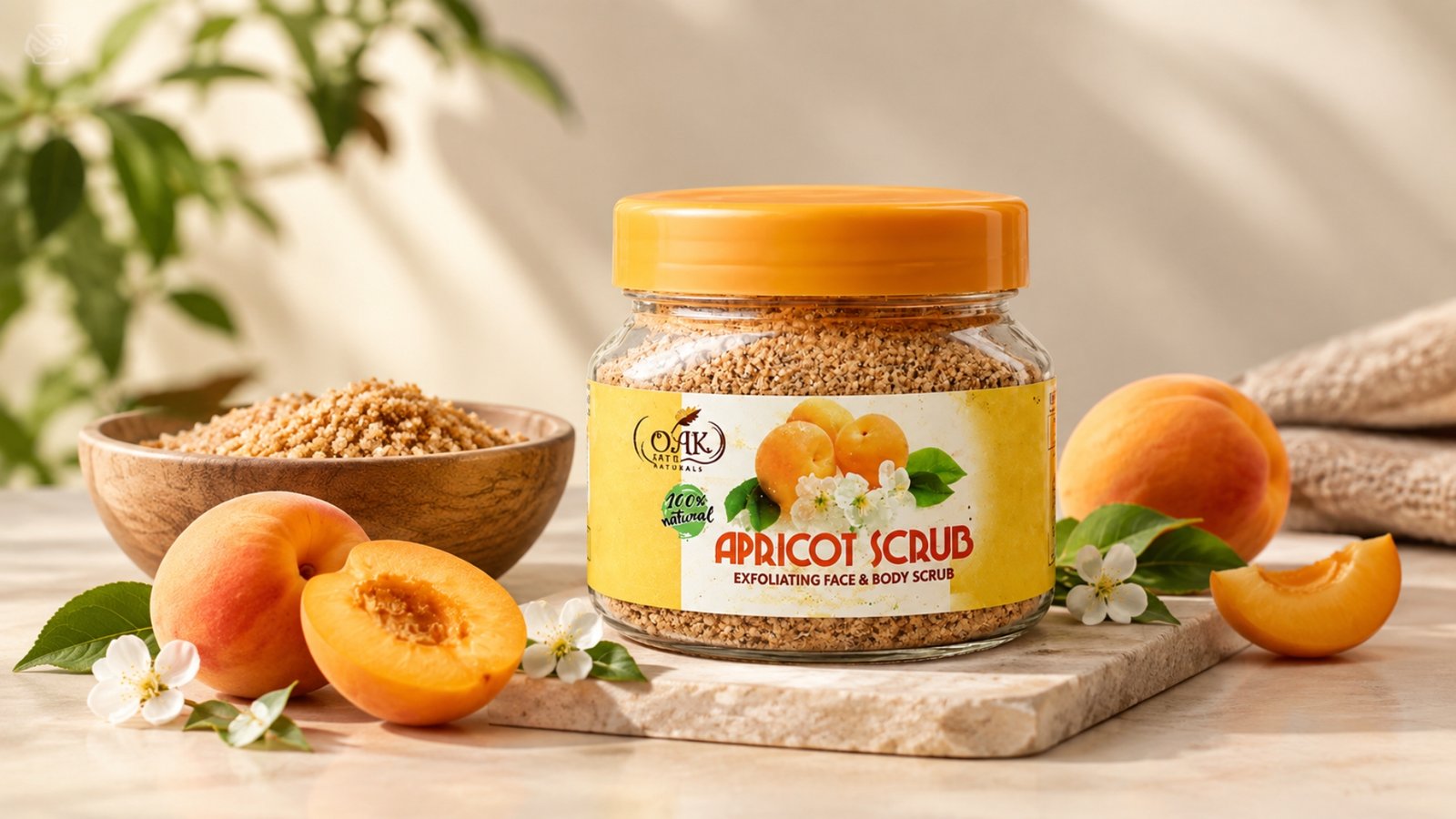
For people considering a physical scrub as part of their routine, Oaktree Naturals Apricot Scrub is one option. The brand describes it as an exfoliating scrub containing apricot and positions it for removing dead skin cells, excess oil, and impurities while helping skin feel smoother and refreshed.
Let’s look at the difference between these two skincare steps and how to use them thoughtfully.
Table of Contents
Exfoliating vs Cleanser: What Is the Difference?
The simplest way to understand the difference is to look at the primary purpose of each product.
Cleanser Exfoliator
Removes everyday dirt, sweat, and excess oil Removes dead skin cells from the skin’s surface
Usually used regularly Usually used less frequently
Forms the foundation of a basic skincare routine An optional additional skincare step
Designed to cleanse without unnecessarily irritating the skin Can be mechanical or chemical
Usually appropriate for routine cleansing Frequency depends on skin type and exfoliation method
A cleanser is generally a routine product. The American Academy of Dermatology recommends using a gentle, non-abrasive cleanser and washing with lukewarm water rather than aggressively scrubbing the skin.
An exfoliator has a different purpose. Physical exfoliators, such as scrubs, use friction to help remove dead skin cells, while chemical exfoliators use ingredients such as alpha or beta hydroxy acids to loosen or dissolve dead skin cells.
This distinction is important because exfoliation is not simply a stronger version of cleansing.
What Does a Cleanser Do?
Your skin comes into contact with sweat, environmental pollutants, excess sebum, sunscreen, makeup, and other substances throughout the day.
A cleanser is designed to help remove these substances from the skin.
A simple cleansing routine generally involves:
- Wetting the skin with lukewarm water.
- Applying a suitable cleanser gently with your fingertips.
- Rinsing thoroughly.
- Patting the skin dry.
- Applying moisturizer if needed.
The AAD recommends avoiding aggressive rubbing or scrubbing during cleansing because friction can irritate the skin.
Cleansing is therefore primarily about cleanliness, while exfoliation focuses on removing accumulated dead skin cells from the surface.
What Does Exfoliation Do?
Your skin naturally sheds dead cells from its outermost layer. Exfoliation is a process that helps remove some of these cells more deliberately.
There are two broad types:
Mechanical exfoliation
Mechanical exfoliation involves physically loosening dead skin cells. Examples include:
- Scrubs
- Brushes
- Sponges
- Exfoliating pads
An apricot scrub falls into the broader category of physical exfoliation because it is used by gently massaging the product over the skin.
Chemical exfoliation
Chemical exfoliation uses ingredients such as alpha hydroxy acids (AHAs) or beta hydroxy acids (BHAs) to help loosen dead skin cells.
The appropriate option depends on your skin type and how your skin responds. The AAD specifically advises choosing an exfoliation method according to individual skin characteristics and avoiding overly aggressive exfoliation. (American Academy of Dermatology)
Do You Need Both a Cleanser and an Exfoliator?
For many people, a cleanser is the more fundamental step.
Exfoliation is optional and depends on your skin, routine, and the type of exfoliant you are using.
This is one reason the answer to exfoliating vs. cleanser should not be framed as choosing one product permanently.
Instead, think of the two products as serving different purposes:
Cleanser = regular removal of everyday impurities
Exfoliator = occasional removal of dead surface skin cells
If your skin is sensitive, dry, irritated, sunburned, or damaged, exfoliation may not be appropriate. The AAD advises against exfoliating open cuts or wounds and sunburned skin.
Should You Cleanse or Exfoliate First?
For a routine involving both steps, cleansing first is generally a straightforward approach.
Step 1: Cleanse
Start with a gentle cleanser to remove surface dirt, sweat, excess oil, sunscreen, and other everyday impurities.
Step 2: Exfoliate
If exfoliation is appropriate for your skin, apply the exfoliating product according to its directions.
Step 3: Rinse
Remove the product thoroughly using lukewarm water.
Step 4: Moisturize
Follow with a moisturizer to support skin comfort and hydration.
Dermatologists recommend moisturizing after exfoliation because exfoliating can contribute to dryness, particularly when it is done too aggressively.
How Often Should You Exfoliate?
There is no single frequency that works for everyone.
Your ideal schedule depends on:
- Skin type
- Exfoliation method
- Product formulation
- Other active skincare products you use
- How your skin responds
The AAD notes that the more aggressive the exfoliation method, the less frequently it generally needs to be performed. Over-exfoliating can result in redness and irritation. This means you should not assume that using a scrub every day will produce better results.
If your skin starts feeling unusually dry, tight, irritated, or sensitive after exfoliation, it may be a sign that your routine needs to be reduced or reassessed.
How to Choose Between Exfoliating and Cleansing
Rather than asking which product is better, ask what your skin needs at that moment.
Choose cleansing when:
- You need to remove sweat or dirt.
- Your skin feels oily after a day outdoors.
- You are removing sunscreen or makeup.
- You are beginning or ending your regular skincare routine.
- You want a simple everyday skincare step.
Consider exfoliation when:
- You want to address the buildup of dead surface skin cells.
- Your skin feels rough or uneven in texture.
- You want to add an occasional exfoliating step to your routine.
- Your skin tolerates the particular exfoliation method you’re using.
Exfoliation isn’t automatically beneficial for every skin type. People with sensitive, dry, or acne-prone skin may need to be especially careful with mechanical exfoliation because it can be irritating for some individuals.
What Is an Apricot Scrub?
An apricot scrub is a physical exfoliating product that uses an apricot-based formulation and particles or texture designed to help loosen dead skin cells through gentle massage.
Oak Tree Naturals describes its Apricot Scrub as an exfoliating product intended to help remove dead skin cells, excess oil, and impurities while leaving skin feeling soft and refreshed. The brand also describes it as suitable for regular skincare routines and different skin types.
The product is available in a 50 g format.
Oak Tree Naturals Apricot Scrub
For someone researching exfoliating vs. cleanser, an apricot scrub can be considered the exfoliation component rather than a replacement for a regular cleanser.
That distinction is important.
A scrub should not necessarily be expected to perform every function of a cleanser, particularly if your primary goal is removing everyday dirt, sweat, oil, sunscreen, or makeup.
How to Use an Apricot Scrub Carefully
If you decide to include a physical scrub in your routine, technique matters.
A simple approach is:
1. Cleanse your skin first.
Remove everyday dirt, oil, and other surface impurities.
2. Keep your skin slightly damp.
Follow the product’s instructions for application.
3. Apply a small amount.
You do not need a large quantity.
4. Massage gently.
Use light, circular movements rather than aggressively rubbing the skin.
5. Rinse thoroughly.
6. Moisturize afterward.
The AAD recommends gentle circular motions for about 30 seconds when using a scrub and emphasizes avoiding aggressive exfoliation.
Common Exfoliation Mistakes to Avoid
Scrubbing harder for better results
A stronger scrubbing motion does not necessarily mean better exfoliation. Excessive friction can irritate the skin.
Exfoliating every day
More frequent exfoliation is not automatically better. Your skin needs time to tolerate the exfoliation method you choose.
Exfoliating irritated skin
Avoid exfoliating sunburned, wounded, or already irritated skin.
Ignoring the rest of your skincare routine
Exfoliation should not replace moisturizing or sun protection.
Combining too many potentially irritating products
Certain skincare products, including retinoids and some acne treatments, can make the skin more sensitive. The American Academy of Dermatology advises considering the other products you use before adding exfoliation.
Exfoliating vs Cleanser for Different Skin Types
Dry skin
Dry skin may be more easily irritated by aggressive exfoliation. A gentle cleanser and regular moisturization should remain the foundation of the routine.
Sensitive skin
Sensitivity calls for extra caution. Mechanical exfoliation may be irritating for some people, so consider how your skin reacts before introducing a scrub.
Oily skin
Oily skin may benefit from regular cleansing to remove excess oil. Exfoliation can be an additional step, but excessive scrubbing can still irritate.
Combination skin
Combination skin can have both oily and dry areas. A balanced routine may be more appropriate than treating the entire face aggressively.
Normal skin
Normal skin may tolerate a wider range of products, but that does not mean frequent or aggressive exfoliation is necessary.
Can a Scrub Replace a Cleanser?
Usually, it is better to think of a scrub and cleanser as different categories.
A cleanser is designed for regular cleansing. A scrub is designed primarily for exfoliation.
Some products can combine cleansing and exfoliation, but a physical scrub should not automatically be treated as a substitute for a gentle cleanser.
This distinction becomes especially relevant if your skin is sensitive. Cleveland Clinic recommends keeping cleansing gentle and notes that aggressive scrubbing can irritate the skin barrier.
A Simple Skincare Routine
If you want to keep your routine straightforward, you could structure it around four basic steps:
Morning
Cleanse → Moisturize → Sunscreen
Evening
Cleanse → Moisturize
Exfoliation days
Cleanse → Gentle exfoliation → Moisturize
The exact routine can vary depending on your skin and the products you use.
The important point is that exfoliation is an additional step, not necessarily something that needs to happen every time you cleanse.

Where Oak Tree Naturals Apricot Scrub Fits In
Oak Tree Naturals positions its Apricot Scrub as a gentle exfoliating product containing apricot and describes its purpose as helping remove dead skin cells, excess oil, and impurities while supporting a smoother-feeling complexion.
For someone building a simple routine, it can therefore sit in the exfoliation step rather than replacing the basic cleansing step.
If you are new to physical exfoliation, start conservatively and pay attention to how your skin responds. Avoid using a scrub on broken, sunburned, or irritated skin, and moisturize after exfoliating.
FAQ Section
Is exfoliating better than cleansing?
Neither is universally “better.” Cleansing and exfoliating have different purposes. Cleansing removes everyday dirt, sweat, oil, and other impurities, while exfoliation helps remove dead skin cells from the surface.
Can I use a cleanser and exfoliator together?
Yes, they can be part of the same skincare routine. A simple approach is to cleanse first, exfoliate gently when appropriate, rinse, and moisturize afterward.
Should I exfoliate every day?
Not necessarily. Exfoliation frequency depends on your skin type and the exfoliation method. Over-exfoliation can cause redness and irritation. (American Academy of Dermatology)
Is an apricot scrub a cleanser?
An apricot scrub is primarily an exfoliating product. It should not automatically be considered a replacement for a regular gentle cleanser.
Is exfoliation suitable for sensitive skin?
Sensitive skin may be more prone to irritation from physical exfoliation. The AAD recommends selecting an exfoliation method according to your skin type and being gentle.
Should I moisturize after exfoliating?
Yes. The AAD recommends applying moisturizer after exfoliation because exfoliating can contribute to dryness.
Can I exfoliate if my skin is sunburned?
No. The AAD recommends avoiding exfoliation on sunburned skin and open cuts or wounds.













One thought on “Exfoliating vs. Cleanser: Discover the Right Choice for Your Skin”