Lip Balm for Winter: Say Hello to Soft, Hydrated Lips All Winter Long

Looking for a lip balm for winter? Discover simple ways to prevent dry, chapped lips and choose nourishing lip care for soft, hydrated lips.
Winter can be beautiful, but your lips may not agree.
Cold air, low humidity, indoor heating, wind, and frequent lip licking can leave your lips feeling tight, dry, flaky, or painfully cracked. Unlike much of the skin on your body, your lips have fewer natural oil glands, which makes them especially vulnerable to moisture loss.
That is why a good lip balm for winter is more than something you reach for when your lips already hurt. Used regularly, lip balm can become a simple protective step in your everyday winter routine.
But not every lip balm is equally suitable for dry, chapped lips.
The right product should feel comfortable, help reduce moisture loss, and not leave already-irritated lips feeling worse. Dermatologists also recommend paying attention to ingredients and avoiding products that cause burning, stinging, or irritation.
So, how should you care for your lips during winter? What should you look for in a lip balm? And where does a nourishing almond-and-coconut formula fit into your routine?
Let’s break it down.
Table of Contents
Why Do Lips Get So Dry in Winter?
Winter dryness isn’t just about feeling cold.
When the temperature drops, the air can become drier, and cold wind can increase moisture loss from exposed skin. Indoor heating can also reduce humidity, creating another dry environment for your lips.
Your lips are particularly sensitive because they have a thinner protective barrier and lack the oil glands found in many other areas of the skin.
Common winter triggers include:
- Cold and dry weather
- Strong winds
- Low indoor humidity
- Frequent lip licking
- Dehydration
- Sun exposure
- Irritating lip products
- Breathing through your mouth
- Picking or biting peeling skin
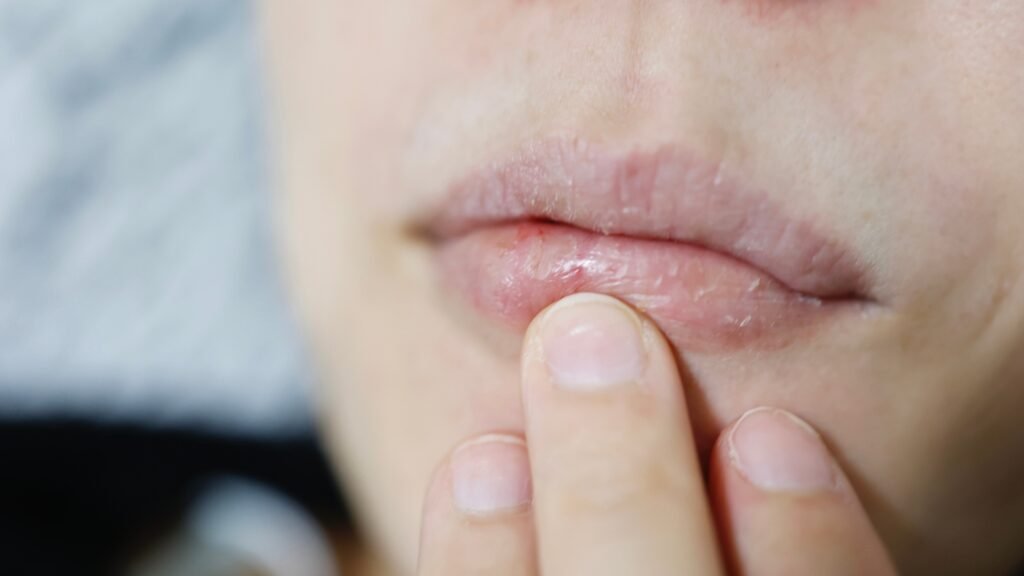
This can lead to familiar signs such as:
- Tight-feeling lips
- Flaking
- Peeling
- Cracks
- Rough texture
- Mild soreness or stinging
If you’ve ever applied lipstick only to discover that it highlights every dry patch, winter dehydration may be the reason.
Why Is Lip Balm for Winter So Important?
A lip balm can help create a protective layer over your lips, reducing moisture loss and protecting them from environmental exposure.
However, there’s an important distinction: lip balm isn’t simply adding water to your lips. Many balms work by creating a coating that helps retain moisture already present in the skin. Thicker ointments can be particularly useful for severely dry lips because they can reduce water loss for longer.
Think of lip balm as a protective layer that supports your lips while they deal with cold, dry conditions.
Using it before your lips become severely cracked can also make your winter routine easier than waiting until dryness becomes uncomfortable.
7 Benefits of Using a Lip Balm in Winter
1. Helps Keep Lips Feeling Soft
The most obvious reason to use lip balm is also one of the most useful.
A nourishing balm can help reduce the uncomfortable dry feeling that develops when lips lose moisture. Regular application can keep your lips feeling smoother and more comfortable throughout the day.
For winter, consistency matters more than applying a huge amount once.
2. Helps Protect Against Cold and Wind
Your lips are directly exposed to winter weather.
Cold air and wind can contribute to dryness and irritation, particularly when you’re outside for long periods. A lip balm creates a layer between your lips and the surrounding environment.
Before leaving home, applying it can therefore be a simple protective habit.
3. Helps Reduce Flaking and Roughness
When lips become very dry, the surface may start peeling.
Instead of pulling off the flakes, keep the area protected and moisturized. Picking or biting peeling lips can cause additional irritation and may slow healing.
A comfortable lip balm for winter can help you resist the temptation to keep touching or peeling your lips.
4. Makes Lipstick Apply More Smoothly
Dry lips can make lipstick or lip gloss look uneven.
Fine flakes can become more noticeable under matte formulas, while cracks may make application uncomfortable.
Applying a thin layer of lip balm before makeup can create a smoother-feeling base. Just give it a little time to settle before applying your lipstick.
For very dry lips, however, focus on repairing the dryness rather than repeatedly covering it with makeup.
5. Provides Convenient Everyday Lip Care
The best winter routine is often the one you can actually maintain.
A small lip balm is easy to keep:
- In your handbag
- On your study desk
- Beside your bed
- In your office drawer
- In your travel bag
- In your car
The American Academy of Dermatology recommends keeping lip balm handy and applying a non-irritating balm several times a day and before bed when needed.
6. Helps Support Comfortable Lips Overnight
Nighttime is an excellent opportunity to give dry lips some extra attention.
After brushing your teeth and completing your evening routine, apply a comfortable layer of lip balm for winter before bed.
For severely dry lips, dermatologists may recommend a thicker ointment because ointments can help seal in moisture for longer than lighter formulations.
7. Helps You Maintain a Simple Winter Routine
Winter lip care doesn’t need to involve ten different products.
A practical routine can be as simple as:
Protect → Reapply → Avoid Irritants → Stay Hydrated
That is much easier to maintain than constantly trying new treatments whenever your lips become dry.
What Should You Look for in a Lip Balm for Winter?
Choosing a winter lip balm isn’t only about finding the prettiest packaging or the strongest fragrance.
Pay attention to how the product feels and how your lips respond to it.
Look for Nourishing and Moisture-Supporting Ingredients
Depending on the formulation, ingredients such as:
- Petrolatum
- Mineral oil
- Castor seed oil
- Shea butter
- Ceramides
- Dimethicone
- Certain plant oils
may be useful in products designed for dry lips. The American Academy of Dermatology specifically lists several of these ingredients among options that can help dry, chapped lips.
Be Careful With Irritating Ingredients
If your lips are already cracked, some ingredients can make them feel worse.
The AAD recommends avoiding potentially irritating ingredients such as camphor, menthol, eucalyptus, phenol, salicylic acid, and certain flavors or fragrances when treating chapped lips.
Most importantly, burning, stinging, or tingling isn’t proof that a lip balm is working. If a product causes discomfort, stop using it.
Almond and Coconut: Why Are They Popular in Lip Care?
Plant oils are commonly used in personal-care formulations because they can help condition the skin and improve how a product feels during application.
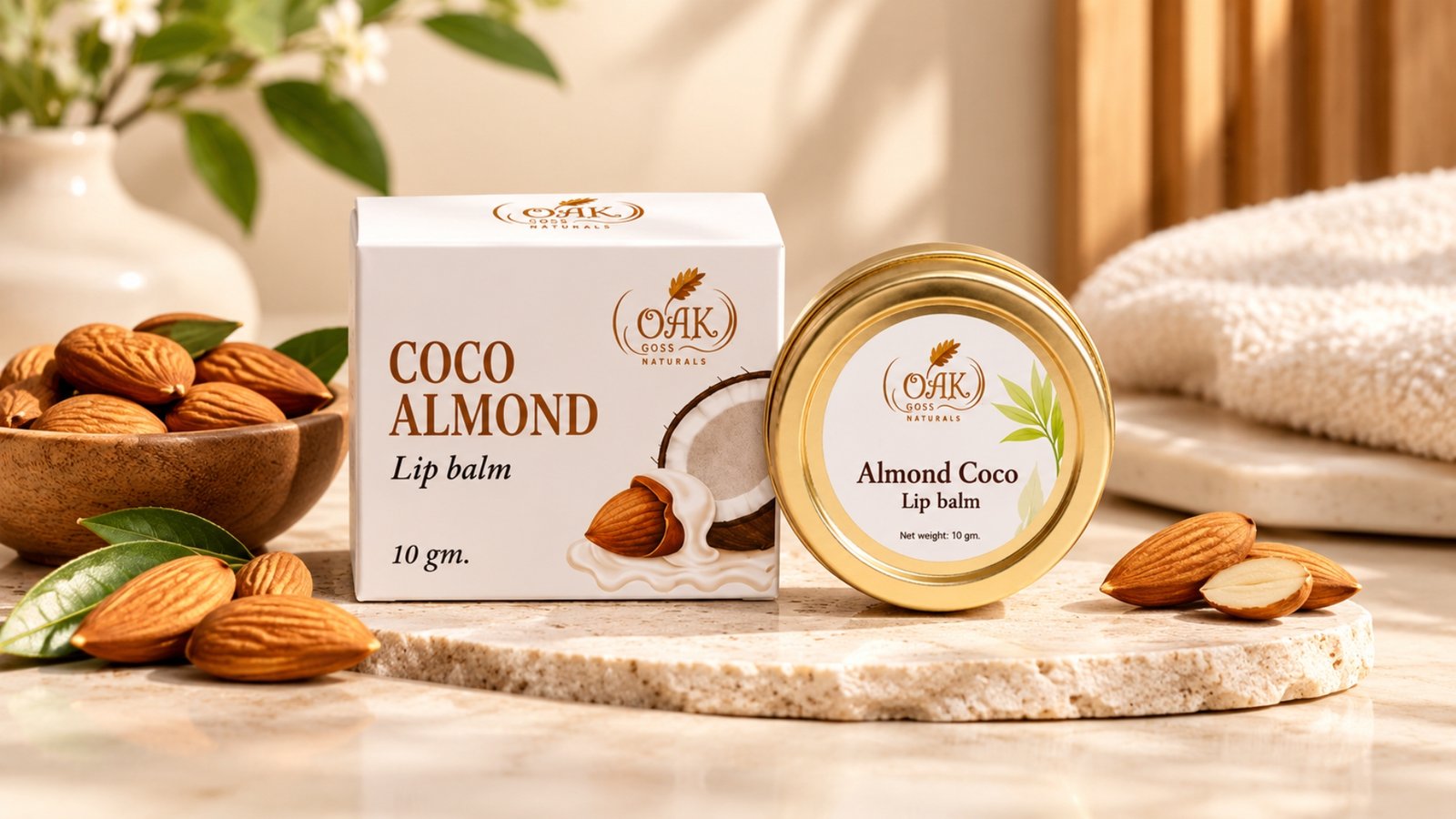
Oak Tree Naturals’ Almond Coco Lip Balm for winter combines almond oil and coconut oil in a lightweight, non-sticky formula. The brand describes it as designed to moisturize dry, chapped lips and leave them feeling soft and nourished.
The product page identifies almond oil and coconut oil as key ingredients in the formula and describes the balm as suitable for everyday use.
This makes the combination particularly relevant for people who want a simple lip-care product rather than a complicated winter routine.
Oak Tree Almond Coco Lip Balm: A Simple Winter Lip-Care Option
If your winter concern is straightforward—dry, rough lips that need everyday conditioning—a simple balm can be an easy addition to your routine.
The brand describes Oak Tree Almond Coco Lip Balm (10 g) as a lightweight, non-sticky lip balmfor winter containing almond oil and coconut oil. The product page says it is designed to help keep dry, chapped lips soft and moisturized.
The product is also designed for repeated use. Oak Tree Naturals recommends applying it as needed throughout the day, including after eating or drinking, and suggests using a thicker layer at night for additional conditioning.
Explore Oak Tree Almond Coco Lip Balm (10 g)
One useful point for shoppers: the product page currently lists the balm at ₹199 for 10 g and displays customer reviews, but those reviews are customer experiences rather than independent clinical evidence of efficacy.
How to Use Lip Balm Correctly During Winter
You don’t need to constantly apply a thick layer.
Instead, make application part of moments when your lips are most likely to become dry.
Morning
Apply lip balm for winter after your morning skincare routine and before heading outdoors.
If you’ll be spending significant time outside, choose a lip balm with SPF 30 or higher. Dermatologists recommend sun protection for lips even during winter.
During the Day
Reapply whenever your lips feel dry.
It can be especially useful after:
- Eating
- Drinking
- Wiping your mouth
- Spending time outdoors
- Exposure to cold or windy weather
Before Bed
Apply a comfortable layer before sleeping.
If your lips are very dry or cracked, an ointment may provide stronger moisture protection than a lightweight balm.
6 Winter Lip-Care Mistakes to Avoid
Sometimes the problem isn’t that you’re not using enough lip balm. It may be how you’re caring for your lips.
1. Licking Your Lips Repeatedly
It feels natural to lick dry lips.
Unfortunately, saliva evaporates quickly and can leave your lips drier.
Reach for your lip balm for winter instead.
2. Picking Peeling Skin
Peeling the skin may provide temporary satisfaction, but it can irritate your lips and create tiny cracks.
Let the skin heal rather than pulling it off.
3. Ignoring SPF
Winter does not mean your lips are completely protected from UV exposure.
If you’re going outdoors, especially for extended periods, choose a lip balm with SPF 30 or higher.
4. Choosing a Balm That Burns or Stings
A strong tingling sensation isn’t necessarily a sign of effectiveness.
If your lip product burns, stings, or causes discomfort, stop using it and switch to a gentler option.
5. Forgetting About Indoor Dry Air
You may be protected from the cold while sitting indoors, but dry indoor air can still contribute to moisture loss.
A humidifier can help add moisture to the surrounding air, particularly during dry winter conditions.
6. Using the Same Routine All Year
Your summer lip-care routine may not be enough during winter.
When the weather becomes colder and drier, you may need to apply lip balm more regularly and choose a more protective formula.
Lip Balm vs. Petroleum Jelly: Which Should You Use?
Both can have a place in winter lip care.
Lip Balm vs Petroleum Jelly
Convenient for everyday application Excellent moisture-sealing option
Often designed for easy application Thicker and more occlusive
Available in different textures Simple formulation
Easy to carry Useful as an overnight option
Can include nourishing ingredients Helps reduce moisture loss
For everyday convenience, a lip balm can be easy to carry and reapply.
For severely dry lips, dermatologists often recommend thicker ointments such as white petroleum jelly because they can seal in moisture effectively.
The choice ultimately depends on how dry your lips are and what texture you find comfortable.
A Simple Winter Lip-Care Routine
You don’t need a complicated routine to keep your lips comfortable.
Try this simple approach:
Morning:
Apply lip balm for winter before going outside. Use SPF 30+ if you’ll be exposed to the sun.
During the day:
Reapply when your lips feel dry or after eating and drinking.
After outdoor exposure:
Apply another layer if your lips feel tight or dry.
Night:
Apply a generous layer before bed.
Every day:
Drink enough fluids, avoid licking or picking your lips, and use a humidifier if your indoor environment is particularly dry.
When Should You See a Dermatologist?
Most winter-dry lips can improve with consistent self-care.
But persistent or severe chapping shouldn’t always be dismissed as “just winter.”
See a healthcare professional if your lips:
- Remain severely cracked despite regular care
- Become increasingly painful
- Bleed repeatedly
- Develop persistent swelling or sores
- Do not improve after a few weeks of appropriate care
- Develop unusual or persistent changes
Persistent chapping can sometimes have causes beyond ordinary winter dryness, including allergic reactions, infections, medication effects, or other medical conditions.
Final Takeaway
Winter doesn’t have to mean accepting dry, peeling lips for several months.
A consistent lip balm for winter, combined with simple habits such as avoiding lip licking, protecting your lips from cold and wind, staying hydrated, and using SPF outdoors, can make winter lip care much easier.
When choosing a product, focus on how it feels on your lips and whether it helps keep them comfortable without irritation.
For a simple everyday option, Oak Tree Almond Coco Lip Balm (10 g) combines almond oil and coconut oil in a lightweight, non-sticky formula that the brand positions for dry, chapped lips and everyday moisturizing care.
A small lip balm for winter in your bag may seem like a tiny winter habit—but it’s one that’s easy to maintain when your lips need extra care.
FAQ Section
1. Which lip balm is best for winter?
A good winter lip balm for winter should be comfortable, non-irritating, and suitable for dry lips. Ingredients such as petrolatum, shea butter, ceramides, dimethicone, mineral oil, and certain plant oils may help support dry lips.
2. Can I use lip balm every day in winter?
Yes. Dermatologists recommend applying a non-irritating lip balm lip balm several times a day and before bed when needed for dry, chapped lips.
3. Why do my lips get so dry in winter?
Cold, dry air and wind can increase moisture loss. Indoor heating and habits such as frequently licking your lips can contribute to dryness as well.
4. Should I use lip balm for winter before sleeping?
Yes. Applying lip balm or an appropriate ointment before bed can help protect dry lips overnight. For very dry lips, dermatologists often recommend a thicker ointment such as petroleum jelly.
5. Is SPF lip balm necessary in winter?
If you’re spending time outdoors, dermatologists recommend using lip balm with SPF 30 or higher because your lips still receive UV exposure during winter.
6. Why do my lips sting after applying lip balm?
Stinging or burning can indicate irritation rather than effectiveness. Stop using a product that causes these symptoms and choose a gentler alternative.
7. Can I apply lip balm after eating and drinking?
Yes. Eating and drinking can remove some of the product from your lips, so reapplying afterward can help maintain protection. Oak Tree Naturals specifically recommends reapplication after meals and drinks for its Almond Coco Lip Balm.
8. How long does it take for severely chapped lips to improve?
Mild dryness can improve with consistent care, but severely chapped lips can take longer. The AAD notes that many cases improve within about 2–3 weeks with appropriate self-care; a dermatologist should evaluate persistent problems.