7 Powerful Benefits of Natural Face Wash for Acne & Oil Control

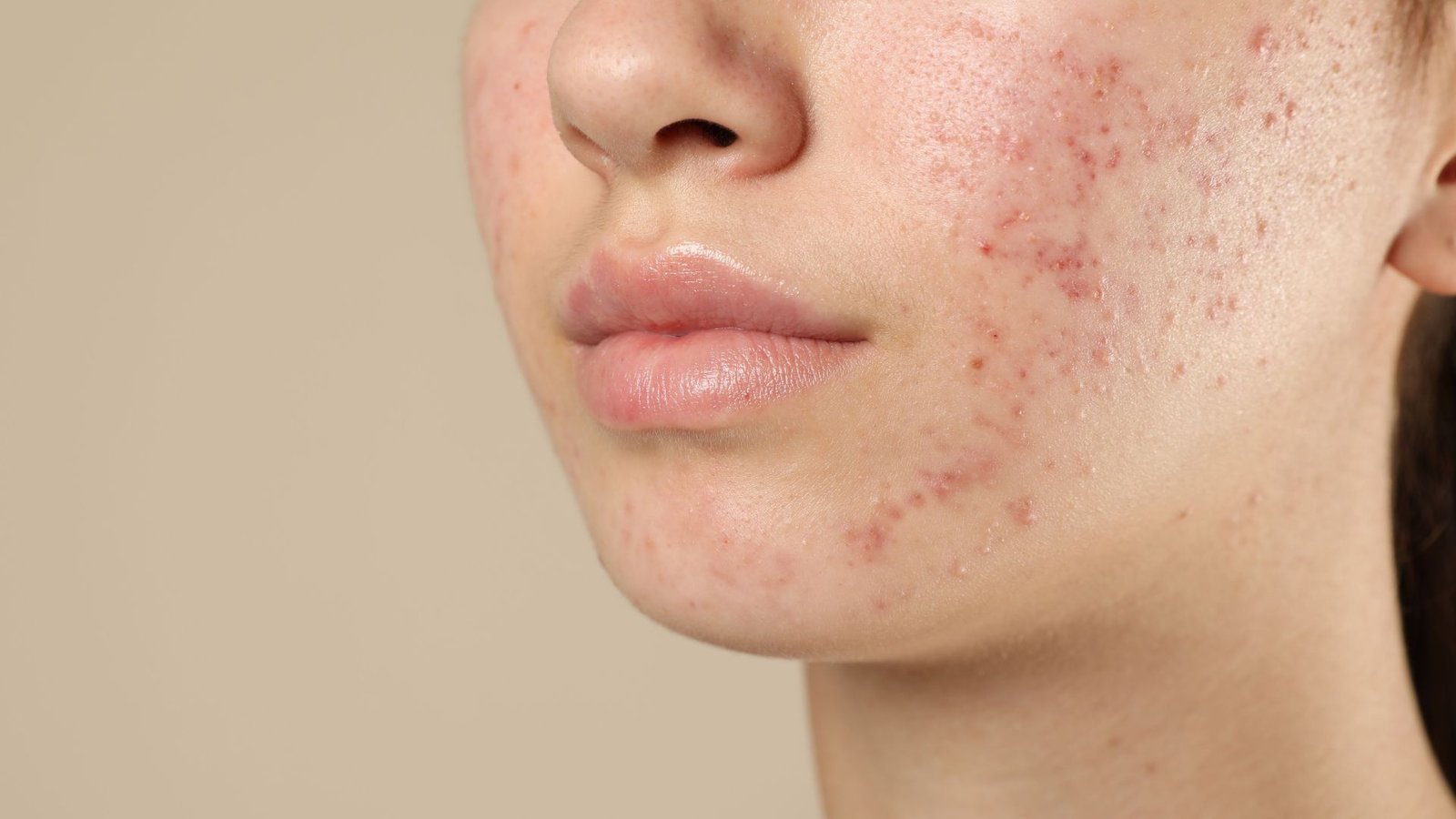
When your skin becomes oily, clogged, or prone to breakouts, choosing the right cleanser can make a noticeable difference to your everyday skincare routine. A good face wash for acne should do more than remove surface dirt. It should help cleanse excess oil and impurities without unnecessarily irritating the skin.
For people who prefer botanical or natural skincare, a natural face wash can be an appealing option. However, choosing one should not be based only on the word “natural.” Skin type, cleansing habits, ingredients, and how your skin responds to the product all matter.
If you are searching for a natural acne face wash oil control option, this guide explains what to look for, how oil control relates to acne-prone skin, common cleansing mistakes, and how a natural cleanser such as Oak Tree Naturals Natural Acne Face Wash can fit into a simple skincare routine.
Table of Contents
What Makes a Good Face Wash for Acne and Oily Skin?
Acne-prone skin often produces excess sebum, which can combine with dead skin cells and contribute to clogged pores. However, that does not mean the solution is to remove every trace of oil.
Dermatologists recommend gentle cleansing rather than aggressive scrubbing. The American Academy of Dermatology advises people with oily skin to cleanse up to twice daily and after sweating, while avoiding harsh scrubbing that can irritate the skin.
A suitable cleanser should therefore help:
- Remove excess oil and everyday impurities
- Cleanse sweat and surface buildup
- Leave skin feeling fresh rather than excessively tight
- Fit comfortably into a consistent skincare routine
- Avoid unnecessary physical irritation
This is where the idea of a face wash for acne becomes more nuanced. A cleanser can support clean, comfortable skin, but it should not automatically be considered a medical treatment for every type of acne.
7 Powerful Benefits of Natural Face Wash for Acne & Oil Control
1. Helps Remove Excess Oil
One of the main reasons people look for an oil-control cleanser is excessive shine.
A suitable cleanser can remove excess sebum, sweat, dirt, and other surface impurities accumulated throughout the day. This can leave oily skin feeling cleaner and fresher.
However, oil control does not mean completely stripping the skin. The American Academy of Dermatology recommends a gentle, foaming cleanser for oily skin and warns that overly harsh cleansing can irritate the skin.
For this reason, an effective face wash for acne should focus on balanced cleansing rather than creating an extremely dry or “squeaky-clean” sensation.
2. Helps Cleanse Dirt and Everyday Impurities
Your face is exposed to sweat, dust, pollution, sunscreen, makeup, and other environmental residue throughout the day.
A regular cleansing step helps remove this surface buildup. For acne-prone skin, keeping the skin clean can be particularly useful because excess oil and buildup may contribute to clogged pores.
Oak Tree Naturals describes its Natural Acne Face Wash as a 100 ml cleanser designed to remove excess oil, dirt, and impurities while maintaining the skin’s moisture balance.
This makes cleansing one of the simplest foundations of an acne-conscious skincare routine.
3. Supports a More Comfortable Cleansing Routine
A common mistake is assuming that stronger cleansing automatically means better acne care.
In reality, aggressive scrubbing or excessively harsh products can irritate acne-prone skin. The American Academy of Dermatology recommends using a gentle, non-abrasive cleanser and applying it with your fingertips rather than scrubbing with rough tools.
A natural face wash for acne can therefore be useful when it fits comfortably into a gentle routine.
The goal is not to attack the skin. The goal is to cleanse it appropriately.
4. Can Help Maintain a Balanced Skin Feel
Oily skin still needs moisture.
Trying to eliminate all oil from the face can leave the skin feeling dry, tight, or uncomfortable. According to the American Academy of Dermatology, people with oily skin should still moisturize, choosing suitable products such as oil-free or non-comedogenic formulations when appropriate.
Oak Tree Naturals positions its Natural Acne Face Wash as a soap-free cleanser designed to cleanse acne-prone skin without unnecessarily stripping away moisture.
This balanced approach is more practical than repeatedly washing the face whenever it appears oily.
5. Fits Easily Into a Simple Skincare Routine
An acne-conscious routine does not have to contain a large number of products.
A basic routine can be:
Morning
- Cleanse
- Apply moisturizer
- Use sunscreen
Evening
- Cleanse
- Apply an appropriate treatment if needed
- Moisturize
If you exercise or sweat heavily, cleansing afterward may also be appropriate.
The key is consistency. A face wash for acne works as one part of a broader skincare routine rather than as a standalone solution for every acne concern.
6. Botanical Ingredients Can Appeal to Natural-Skincare Users
Natural and botanical skincare has become popular among consumers who prefer plant-based ingredients in their personal-care routines.
Oak Tree Naturals’ Natural Acne Face Wash is positioned as a natural cleanser for acne-prone skin. The product page describes it as a gentle, soap-free formula with a focus on excess oil, dirt, impurities, and maintaining moisture balance.
However, it is important to make a distinction between natural ingredients and proven acne treatments.
A product being natural does not automatically mean it will treat every type of acne. Acne can have multiple contributing factors, and persistent or severe cases may require professional evaluation.
7. Can Leave Skin Feeling Fresh and Clean
Perhaps the most straightforward benefit of a cleanser is the feeling it provides after washing.
Oak Tree Naturals describes its Natural Acne Face Wash as leaving the skin feeling refreshed and rejuvenated after cleansing.
For someone with oily or breakout-prone skin, a comfortable cleansing experience can make it easier to maintain a consistent routine.
The ideal result is clean and comfortable skin—not excessively dry skin.
How to Use a Face Wash for Acne Correctly
Even a suitable cleanser can be irritating if used aggressively.
Follow these simple steps:
Step 1: Wet your face
Use lukewarm water rather than very hot water.
Step 2: Apply the cleanser
Take a suitable amount of your face wash for acne and apply it to your face.
Step 3: Massage gently
Use your fingertips and light circular movements. Pay particular attention to areas that become oily, such as the T-zone.
Step 4: Rinse thoroughly
Remove the cleanser with lukewarm water.
Step 5: Pat dry
Use a clean, soft towel and gently pat your face dry instead of rubbing.
Step 6: Moisturize
If your skin feels dry after cleansing, follow with a suitable moisturizer.
Oak Tree Naturals’ product instructions similarly recommend wetting the face with lukewarm water, applying a small amount, gently massaging in circular motions, rinsing thoroughly, and following with a lightweight oil-free moisturizer.
How Often Should You Wash Acne-Prone Skin?
More washing does not necessarily mean better oil control.
The American Academy of Dermatology recommends gently cleansing the face up to twice a day and after sweating.
The NHS also advises people with acne not to wash affected areas more than twice daily because excessive washing can irritate the skin.
Therefore, repeatedly washing your face whenever you notice shine may actually be counterproductive.
A simple morning-and-evening routine is often a more sensible starting point.
Common Mistakes to Avoid When Using a Face Wash for Acne
Scrubbing too hard
Pimples do not need to be physically scrubbed away. Aggressive scrubbing can irritate acne-prone skin.
Washing your face too frequently
Repeated cleansing can make the skin uncomfortable and irritated.
Using very hot water
Lukewarm water is generally a better choice for routine cleansing.
Trying to dry out oily skin completely
Oily skin still needs appropriate hydration. A cleanser should remove excess oil without unnecessarily stripping the skin.
Picking or squeezing pimples
The NHS advises against squeezing spots or trying to “clean out” blackheads because this can worsen acne and increase the risk of scarring.
Changing products too frequently
Constantly switching between products makes it difficult to understand what is helping or irritating your skin.
Is a Natural Face Wash Better for Acne?
There is no universal answer.
The words “natural,” “herbal,” or “botanical” describe aspects of a product’s positioning or ingredients, but they do not automatically determine whether a cleanser is more effective for every person.
When choosing a face wash for acne, consider:
What to Consider Why It Matters
Skin type Oily, dry, combination, and sensitive skin may respond differently.
Ingredients Helps you understand what the product is designed to do
Cleansing experience Excessive tightness may indicate irritation
Usage instructions Correct application helps avoid unnecessary irritation
Acne severity Mild breakouts and severe acne may require different approaches
Overall routine Cleanser, moisturizer, sunscreen, and acne treatments work together
Oak Tree Naturals positions its Natural Acne Face Wash as suitable for all skin types, particularly oily and breakout-prone skin.
Oak Tree Naturals Natural Acne Face Wash: Where Does It Fit?
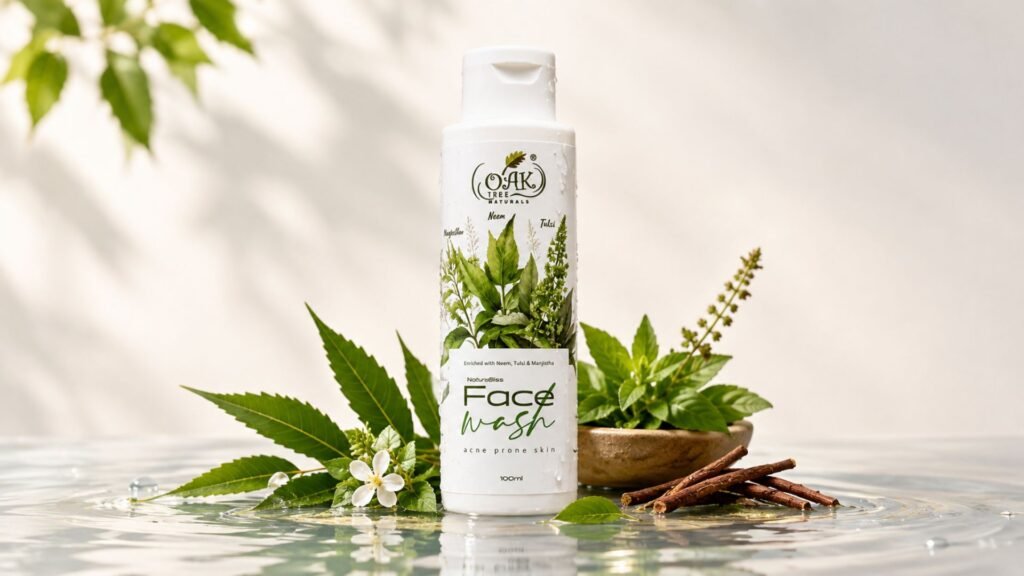
For consumers looking for an acne natural face wash oil control option, the Oak Tree Naturals Natural Acne Face Wash 100 ml is positioned as a daily cleansing product for acne-prone skin.
According to the product page, the cleanser is soap-free and designed to help remove excess oil, dirt, and impurities while supporting the skin’s natural moisture balance. The product is also described as suitable for all skin types, particularly oily and breakout-prone skin.
This makes it relevant for someone whose primary goal is to add a gentle cleansing step to an oil-conscious skincare routine.
However, it is important to keep expectations realistic. A cosmetic cleanser should not be presented as a guaranteed cure for acne.
Some acne cleansers contain established active ingredients such as salicylic acid or benzoyl peroxide. These ingredients have specific roles in acne management.
If your acne is persistent, painful, deep, or leaving scars, a cleanser alone may not be sufficient.
When Should You See a Dermatologist?
Consider professional advice if you experience:
- Large or painful pimples
- Deep nodules or cysts
- Persistent or worsening breakouts
- Acne that leaves scars
- Significant inflammation
- Acne that does not improve with an appropriate skincare routine
The American Academy of Dermatology notes that deeper, painful acne and acne associated with scarring may require professional treatment.
It is also worth remembering that not every skin bump is acne. A dermatologist can help determine the underlying condition and recommend appropriate treatment.
Final Thoughts
Choosing a face wash for acne is not simply about finding the strongest cleanser available. For oily and breakout-prone skin, the better approach is usually gentle, consistent cleansing that removes excess oil and impurities without unnecessary irritation.
A natural face wash can be an attractive option for people who prefer botanical skincare, but “natural” should not be treated as a guarantee of acne treatment.
Oak Tree Naturals Natural Acne Face Wash 100 ml is positioned as a soap-free cleanser for acne-prone skin, particularly oily and breakout-prone skin. Its product information focuses on cleansing excess oil, dirt, and impurities while maintaining a comfortable moisture balance.
The most useful skincare habit is therefore simple: cleanse gently, avoid excessive washing and scrubbing, moisturize when needed, and use appropriate sun protection during the day.
If acne is severe, painful, persistent, or causing scars, professional dermatological advice is more appropriate than relying on a cleanser alone.
Frequently Asked Questions
1. Is a natural face wash good for acne-prone skin?
A natural face wash can be part of an acne-conscious skincare routine, particularly when it provides gentle cleansing without unnecessary irritation. However, natural ingredients do not automatically make a product an acne treatment.
2. How often should I use a face wash for acne?
Dermatologists generally recommend gently cleansing up to twice daily and after sweating. Washing more frequently can irritate acne-prone skin.
3. Can a face wash control oily skin?
A cleanser can remove excess surface oil and impurities, helping skin feel less greasy after washing. However, the goal should be balanced cleansing rather than completely stripping the skin of oil.
4. Should oily skin use moisturizer after cleansing?
Yes. Oily skin can still become dry or irritated. An appropriate lightweight, oil-free or non-comedogenic moisturizer may be suitable for people with oily or acne-prone skin.
5. Should I scrub my face to remove pimples?
No. Aggressive scrubbing can irritate acne-prone skin and potentially make breakouts worse. Cleanse gently using your fingertips.
6. Is Oak Tree Naturals Natural Acne Face Wash suitable for oily skin?
Oak Tree Naturals describes its 100 ml Natural Acne Face Wash as suitable for all skin types, particularly oily and breakout-prone skin. It is positioned as a soap-free cleanser that helps remove excess oil, dirt, and impurities.
7. Can face wash completely remove acne?
Not necessarily. A cleanser can support skin hygiene and remove surface oil and impurities, but acne has multiple contributing factors. Some people require targeted acne treatments or professional dermatological care.
8. When should I see a dermatologist for acne?
Seek professional advice if acne is painful, deep, persistent, causing scars, or not improving with appropriate skincare.