Best Foot Care Cream for Cracked Heels: Tired of Painful, Dry Heels? Here’s What Helps


Your feet carry you everywhere, yet they are often the last part of your skincare routine to get any attention.
Then one day, you notice it: rough heels, dry patches, white flaky skin, or a tiny crack that suddenly hurts when you walk.
If you’ve reached the point where your heels feel so dry that even ordinary walking becomes uncomfortable, you may be searching for the best foot care cream for cracked heels.
The good news? You don’t necessarily need an elaborate foot-care routine. What your heels often need is consistent moisturization, gentle care, protection from further dryness, and the right type of foot cream.
Dermatologists recommend moisturizing cracked heels regularly, particularly after bathing while the skin is still slightly damp. Depending on the severity of dryness, ingredients such as urea, alpha hydroxy acids, or salicylic acid may also be recommended for softening thick, dry skin.
And if you’re looking for a plant-focused option for your everyday foot-care routine, Oak Tree Foot Cream (50 Gms) is designed specifically for dry, rough, and cracked-looking feet, with ingredients including aloe vera, apricot oil, and peppermint.
But before you buy any foot cream, let’s answer the bigger question:
What actually makes a foot cream useful for cracked heels?
Table of Contents
Why Do Heels Become So Dry and Cracked?
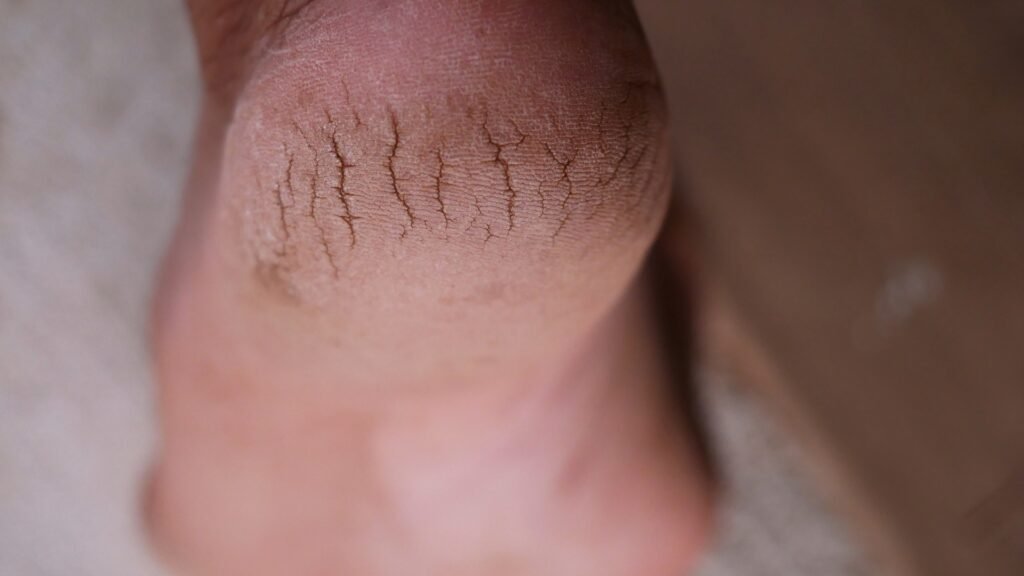
Cracked heels, also called heel fissures, usually develop when the skin around the heel becomes dry, thickened, and less flexible.
The pressure placed on your heels while standing and walking can then cause the dry skin to split.
Several everyday habits can contribute:
- Walking or standing for long periods
- Dry or cold weather
- Frequent hot showers
- Harsh soaps or body washes
- Wearing open-backed footwear
- Shoes that don’t fit properly
- Not moisturizing your feet regularly
- Naturally dry skin
- Thick callused skin around the heel
Mayo Clinic explains that cracked heels can develop when dry, thick skin around the heel is exposed to pressure, causing the skin to split.
That explains why simply washing your feet isn’t enough.
Your feet may be clean—but your heels can still be extremely dry.
What Should You Look for in the Best Foot Care Cream for Cracked Heels?
Not every body lotion is designed for the unique needs of your heels.
The skin around your feet can become particularly rough and thick, so a dedicated foot cream can make more sense than relying on a lightweight facial or body moisturizer.
When choosing a foot cream, look for a formula that provides moisture and conditioning and is comfortable enough for regular use.
Depending on the formulation and severity of dryness, useful ingredients may include:
Glycerin
Glycerin is a humectant, meaning it helps attract and retain water in the outer layers of the skin.
It is commonly found in moisturizing formulations for dry skin.
Aloe Vera
Aloe vera is widely used in skincare formulations for its moisturizing and soothing properties.
In a foot cream, it can contribute to a more comfortable, hydrated skin feel.
Plant Oils
Ingredients such as apricot oil and coconut oil can add emollient properties to a formulation, helping dry skin feel softer and more conditioned.
Peppermint
Peppermint can provide a fresh, cooling sensation, which can be particularly appealing when your feet feel tired after a long day.
The key isn’t simply finding a product with the longest ingredient list.
The best foot care cream for you is one that suits your skin, addresses your level of dryness, and is easy enough to use consistently.
Oak Tree Foot Cream: A Simple Option for Dry, Rough Feet
If your search has brought you to Oak Tree Naturals, its Oak Tree Foot Cream (50 Gms) is specifically positioned as a foot-care product for dry, rough, and cracked heels.
The published product information highlights ingredients such as apricot oil, aloe vera, and peppermint.
Here’s why that combination makes sense for a foot-care routine:
Aloe Vera for Hydration
Aloe vera is included to help moisturize the skin and provide a comfortable, refreshed feel.
For feet that feel dry after a long day, this can make the application feel more like a soothing ritual than another chore.
Apricot Oil for Conditioning
Apricot oil is described as a lightweight moisturizing ingredient that helps condition dry skin.
This is particularly useful when your heels feel rough and need more nourishment than a lightweight lotion can provide.
Peppermint for a Fresh Feel
Peppermint adds a cooling and refreshing sensory experience.
After hours of walking, standing, travelling, or simply being on your feet all day, that fresh feeling can be a welcome part of an evening foot-care routine.
Designed for Foot Care
Unlike using your regular face or body moisturizer on your feet, a dedicated foot cream is specifically intended for areas such as the heels and soles.
Oak Tree Foot Cream is also described as a fast-absorbing, non-greasy formula, making it easier to incorporate into a routine.
How to Use Foot Cream for Cracked Heels
Buying a good foot cream is only half the job.
How you apply it matters too.
Try this simple routine:
Step 1: Wash Your Feet
Clean your feet using lukewarm water and a gentle cleanser.
Avoid extremely hot water because prolonged exposure can worsen skin dryness. The AAD recommends keeping baths and showers relatively short and using warm rather than hot water.
Step 2: Dry Gently
Pat your feet dry instead of rubbing them aggressively.
Pay attention to the heels and soles.
Step 3: Apply Foot Cream
Apply a generous but comfortable amount of foot cream to the heels, soles, and other dry areas.
Massage gently until it is absorbed.
Oak Tree’s published guidance recommends spreading the cream over the feet and heels and gently massaging it in.
Step 4: Give Your Feet Overnight Care
Nighttime is particularly convenient for foot care because your feet aren’t immediately exposed to friction from walking.
For very dry heels, applying moisturizer before bed and wearing clean socks can help keep the moisturizer in contact with the skin for longer. This is also recommended as part of cracked-heel care by Mayo Clinic.
The Best Time to Apply Foot Cream? Here’s the Easy Answer
After bathing and before bed.
Why?
After bathing, your skin may still retain some moisture. Applying a moisturizer soon afterward helps lock that moisture in.
The AAD specifically recommends applying moisturizer within about five minutes after bathing while the skin is still damp.
Then, at night, you can give your heels another layer of care.
A simple routine could look like this:
Bath → Pat dry → Foot cream → Gentle massage → Cotton socks → Sleep
No complicated 10-step routine required.
7 Habits That Can Make Cracked Heels Worse
Sometimes the problem isn’t just what you’re failing to do.
It’s what you’re doing repeatedly.
1. Taking Very Hot, Long Showers
Hot water and prolonged bathing can contribute to dryness.
Keep showers reasonably short and use warm rather than very hot water.
2. Using Harsh Soap
Strong cleansers can strip natural oils from the skin.
For dry feet, a gentle cleanser is usually a better choice.
3. Walking Around in Open-Back Footwear All Day
Flip-flops and other open-backed shoes can leave the heel exposed and may contribute to cracking.
The AAD recommends avoiding open-heeled footwear when dealing with dry, cracked heels.
4. Scrubbing Aggressively
That satisfying feeling of removing layers of dry skin can tempt you to scrub harder.
Don’t.
Gentle removal of dead skin can be part of heel care, but aggressive scrubbing can irritate already-dry skin. Mayo Clinic recommends gentle rather than forceful removal.
5. Applying Moisturizer Only When Your Heels Hurt
Don’t wait until your heels become painful.
Regular moisturization is easier than trying to catch up after severe dryness develops.
6. Ignoring Your Shoes
Poorly fitting or worn-out footwear can increase pressure and friction on your feet.
Choose footwear that fits comfortably and supports your feet.
7. Expecting One Application to Fix Everything
Cracked heels develop over time.
Your skincare routine should also be consistent.
Foot Cream vs. Regular Body Lotion: Is There a Difference?
You might wonder:
“Why can’t I just use my body lotion on my feet?”
You can moisturize your feet with a suitable body moisturizer, but a dedicated foot cream can be more convenient when your primary concern is rough, dry heel skin.
Feature Regular Body Lotion Dedicated Foot Cream
Everyday moisturizing Usually yes Yes
Dry feet Can help Designed specifically for this area
Rough heels May be insufficient for some people More targeted
Heel-focused application Not specifically designed Yes
Foot-care routine Basic More specialized
For very dry or thickened heels, dermatologists may recommend richer moisturizers or formulas containing ingredients such as urea, depending on the condition of the skin.
So if your heels are the problem area, choosing a product designed specifically for feet can be a practical upgrade.
Why Consistency Beats a Complicated Foot-Care Routine
Imagine applying foot cream once, forgetting about it for a week, then wondering why your heels still feel rough.
That’s where many routines fail.
You don’t need to spend 30 minutes every night caring for your feet.
You need a habit you can repeat.
Try the 2-Minute Foot-Care Rule.
Before bed:
- Wash or clean your feet.
- Pat them dry.
- Apply foot cream.
- Massage the heels for a minute.
- Put on comfortable socks if appropriate.
Done.
The goal isn’t perfection.
It’s consistency.
Is Oak Tree Foot Cream Right for Your Routine?
If your primary concern is dry, rough, and cracked-looking heels, Oak Tree Foot Cream is positioned as a dedicated foot-care option rather than a general-purpose moisturizer.
Its published information highlights aloe vera, apricot oil, and peppermint, along with a fast-absorbing, non-greasy texture.
The product’s intended use also fits naturally into an evening routine: apply it to clean feet and heels, massage gently, and allow it to absorb.
That makes it particularly easy to build into a habit.
And here’s the important part:
You don’t have to wait until your heels become severely cracked to start caring for them.
Regular moisturization can be part of everyday foot maintenance, especially if your feet frequently deal with dryness, prolonged standing, walking, or exposure to harsh weather.
What If Your Cracks Are Deep or Bleeding?
This is where you should stop treating the problem as purely cosmetic.
Small areas of dryness can often be managed with appropriate home care. But deep fissures, bleeding, swelling, significant pain, signs of infection, or cracks that don’t improve deserve medical attention.
The AAD notes that severe or persistent cracked heels may require evaluation, and cracked heels can be particularly important to manage carefully in people with diabetes because complications can be more serious.
Seek professional advice if:
- Cracks are deep or bleeding
- The area becomes swollen or increasingly painful
- You notice redness, warmth, discharge, or other signs of infection
- Your heels repeatedly crack despite consistent care
- You have diabetes
- You have another skin condition affecting your feet
A foot cream is a skincare product—not a substitute for medical treatment when an underlying condition is involved.
A Simple Checklist for Healthier-Looking Heels
If you want softer, better-maintained feet, remember these basics:
☑ Moisturize regularly
Don’t wait until your heels hurt.
☑ Apply after bathing
Moisturize while your skin is still slightly damp.
☑ Give your heels extra attention at night
This is an easy time to maintain a routine.
☑ Avoid aggressive scrubbing
Gentle is better than harsh.
☑ Choose comfortable footwear
Reduce unnecessary friction and pressure.
☑ Consider a dedicated foot cream
Especially when your heels are noticeably rough and dry.
☑ Be consistent
Your feet need ongoing care, not a one-time rescue.
FAQ Section
1. What is the best foot care cream for cracked heels?
A suitable foot cream should provide effective moisturization and help soften dry, rough skin. Depending on the severity of dryness, dermatologists may recommend ingredients such as urea, alpha hydroxy acids, or salicylic acid.
Oak Tree Foot Cream is a dedicated foot-care option featuring ingredients such as aloe vera, apricot oil, and peppermint.
2. Can I use foot cream every day?
Many foot creams can be incorporated into a daily foot-care routine. Follow the specific product directions and adjust use if your skin becomes irritated.
3. Should I apply foot cream before or after a shower?
Applying moisturizer soon after bathing is recommended because the skin is still slightly damp. The AAD recommends moisturizing within about five minutes after bathing.
4. Does foot cream help with very dry heels?
Regular moisturization can help improve dry, rough skin. For particularly thick or cracked heels, dermatologists may recommend specific moisturizing ingredients such as urea or other keratolytic ingredients.
5. Is it good to wear socks after applying foot cream?
Wearing clean cotton socks after applying a moisturizer at night can help keep the product in contact with your feet and prevent it from rubbing onto bedding.
6. Should I scrub cracked heels?
Gentle removal of dead skin may be useful, but aggressive scrubbing can irritate dry or cracked skin. If your heels are painful or deeply cracked, avoid harsh exfoliation.
7. Why do my heels keep cracking even after using cream?
Persistent cracking can have several causes, including ongoing dryness, footwear, friction, skin conditions, or other health factors. If the problem continues despite regular care, consult a healthcare professional.
8. Can I use Oak Tree Foot Cream on cracked heels?
Oak Tree Foot Cream is marketed for dry, rough, and cracked-looking heels and is intended for use on the feet. The published product information recommends applying it to clean feet and heels and massaging gently.