How to Make Rose Water Mist: The Amazing DIY Guide for Fresh, Glowing Skin

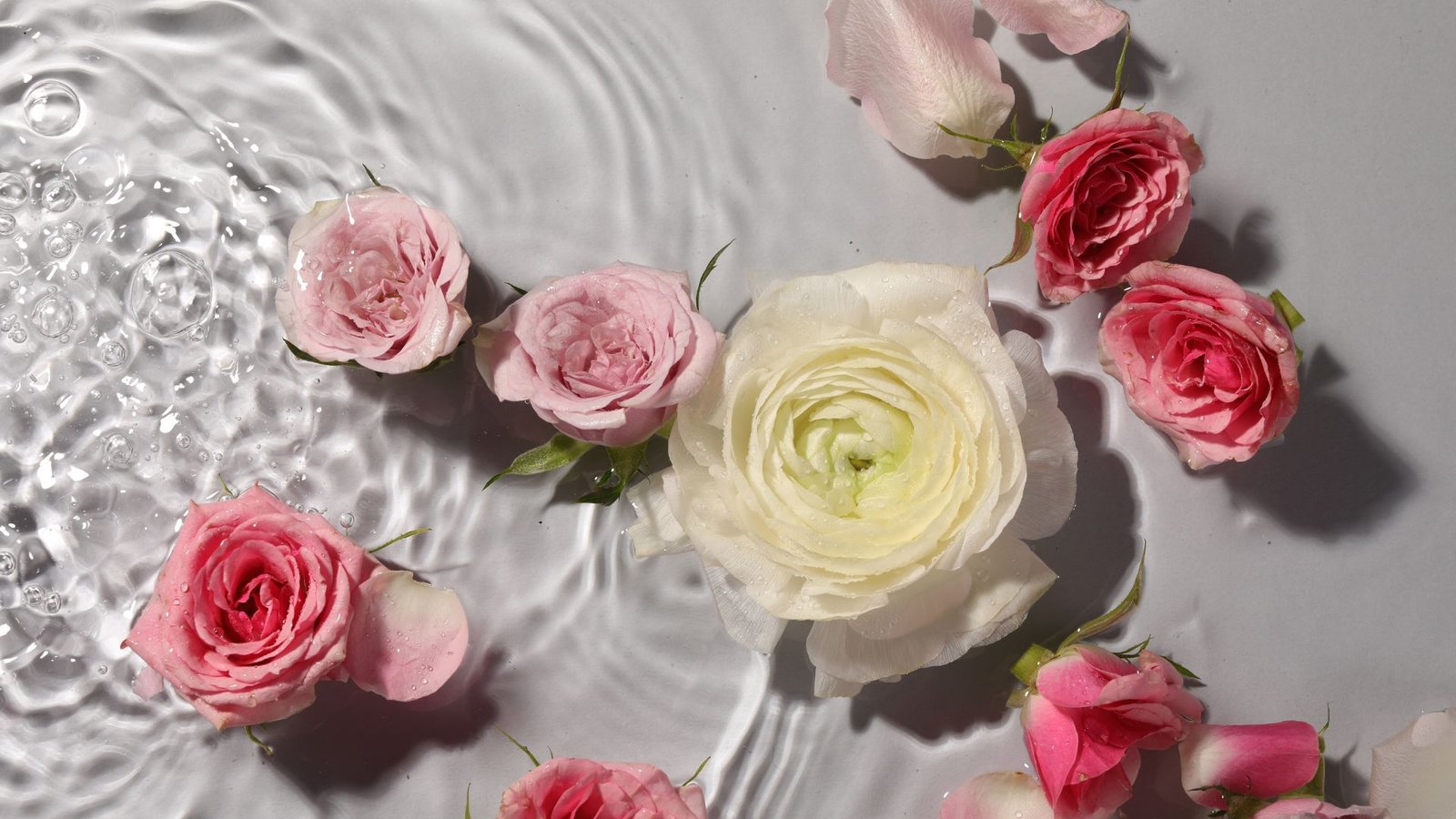
Rose water mist is one of those simple skincare products that can make a routine feel instantly more refreshing. A light spritz can be used after cleansing, during the day when your skin feels dry or warm, or before applying other skincare products.
But if you have ever wondered how to make rose water mist, there is more to it than simply mixing rose petals and water in a bottle. The quality of the ingredients, preparation method, hygiene, storage, and preservation all matter—especially when something is going directly onto your face.
The good news is that making a basic rose water mist at home can be straightforward when you understand the process. And if you prefer the convenience and consistency of a ready-to-use formulation, a professionally prepared rose water mist can be an easier option.
In this guide, we will explore the simplest DIY approach, how it fits into a skincare routine, common mistakes to avoid, and how to choose a ready-made option such as Oak Tree Premium Rose Water Mist.
Table of Contents
What Is Rose Water Mist?
Rose water mist is a lightweight, water-based skincare product designed to be sprayed directly onto the skin.
Rose water can be produced through processes such as distillation of rose petals or by preparing rose-derived extracts in water. In cosmetics, rose water and rose hydrosols are commonly incorporated into products designed to refresh, moisturize, or soothe the feel of the skin. (apgrjournal.com)
A mist is particularly convenient because it can be applied without using cotton pads or your hands.
It can become a simple part of a routine:
Cleanse → Mist → Moisturize → Sunscreen during the daytime
However, it should be considered a cosmetic skincare step, not a treatment for acne, eczema, pigmentation, or other skin conditions. Evidence for many therapeutic claims surrounding rose water remains limited. (Acibadem Hospitals Group)
How to Make Rose Water Mist at Home
If you want to learn how to make rose water mist, start with a simple preparation rather than adding numerous ingredients.
What You Need
- Fresh, clean rose petals from a suitable source
- Distilled or purified water
- A clean heat-safe container
- A fine strainer or clean muslin cloth
- A clean spray bottle
- A refrigerator for storage
Step 1: Select the Rose Petals
Choose clean rose petals that have not been treated with pesticides, artificial fragrances, or other chemicals unsuitable for cosmetic use.
This is an important step that is sometimes overlooked. A beautiful-looking bouquet is not automatically appropriate for skincare.
Wash the petals gently with clean water to remove visible dust and debris.
Step 2: Prepare the Water
Use distilled or purified water rather than relying on untreated tap water.
The fewer unwanted substances introduced into your preparation, the better.
Step 3: Gently Heat the Petals
Place the petals and water in a clean, heat-safe container.
Warm the mixture gently rather than aggressively boiling it for a long time. Excessive heating can affect delicate aromatic compounds and is unnecessary for a simple preparation.
Step 4: Allow the Rose Water to Cool
Once prepared, allow the liquid to cool completely.
Do not immediately transfer hot liquid into a plastic spray bottle unless the bottle is specifically designed for hot liquids.
Step 5: Strain Carefully
Strain the liquid through a clean fine strainer or muslin cloth.
There should be no visible pieces of petals remaining.
Step 6: Transfer to a Clean Spray Bottle
Pour the cooled rose water into a thoroughly cleaned spray bottle.
Ideally, use a small bottle rather than making a large batch. Homemade water-based skincare products can become contaminated because they generally do not contain a properly validated cosmetic preservation system.
Step 7: Store Properly
Keep the homemade mist refrigerated and pay attention to changes in:
- Smell
- Colour
- Appearance
- Texture
If anything seems unusual, discard it.
Do not assume that refrigeration makes homemade rose water shelf-stable. Without proper preservation and microbiological testing, homemade water-based products have a limited and uncertain shelf life.
Why Is Rose Water Used in Skincare?
Rose-derived ingredients have a long history of cosmetic use. Research has identified various compounds in rose preparations, including polyphenolic compounds, although the exact composition can vary depending on the rose species and preparation method. (Medical News Today)
For everyday skincare, people commonly use rose water because it can provide:
- Fresh feeling after cleansing
- Lightweight layer of surface moisture
- Pleasant botanical aroma
- Convenient way to refresh the skin
- Comfortable addition to a simple skincare routine
Research on rose-derived ingredients is interesting, but it is important not to turn laboratory findings into guaranteed skincare results. For example, studies have identified antioxidant-related activity in rose preparations, but this does not automatically mean that a rose water mist will produce a particular clinical result on everyone’s skin. (Medical News Today)
That distinction is especially important when discussing natural skincare.
7 Ways Rose Water Mist Can Fit Into Your Skincare Routine
1. Refreshes the Skin
A fine mist can be useful when your face feels warm, dry, or simply in need of a quick refresh.
It is particularly convenient during the day because you can apply it without completely restarting your skincare routine.
2. Adds a Lightweight Moisture Step
Rose water mist is primarily water-based so that it can provide a temporary feeling of moisture on the skin.
For lasting moisturization, however, follow it with a suitable moisturizer. A mist should not be treated as a replacement for a moisturizer.
3. Makes Post-Cleansing Care More Comfortable
Some people enjoy applying a mist after washing their face, especially if cleansing leaves their skin feeling tight.
A simple routine can therefore be:
Cleanser → Rose water mist → Moisturizer
4. Works Well for a Midday Refresh
Spending time outdoors, travelling or sitting in an air-conditioned environment can leave your skin feeling uncomfortable.
A convenient mist can provide a quick refreshing step without requiring a sink or cotton pads.
5. Can Complement a Minimal Skincare Routine
Not every skincare routine needs multiple serums, toners, and treatments.
For someone who prefers simplicity, a rose water mist can be an optional refreshing step between cleansing and moisturizing.
6. Provides a Pleasant Sensory Experience
Skincare is not only about active ingredients. Texture, application, and fragrance can influence how enjoyable a routine feels.
Rose-based products are popular partly because of their characteristic floral aroma and refreshing application.
However, fragrance can also irritate some people, so those with sensitive or reactive skin should pay attention to how their skin responds. (Acibadem Hospitals Group)
7. Can Be Used Before Moisturizer
If your skin feels slightly dry after cleansing, you can mist your face and follow with moisturizer while the skin still feels lightly damp.
This can make the routine feel more comfortable, although the exact benefit depends on the rest of your skincare products and your skin type.
DIY Rose Water Mist vs Ready-Made Rose Water Mist
Learning how to make rose water mist can be interesting, but homemade skincare has one major limitation: preservation and hygiene.
DIY Rose Water Mist Ready-Made Rose Water Mist
Ingredients can be controlled Formulation is prepared commercially
Requires preparation time Ready to use
Usually lacks validated preservation Commercial products can be formulated for stability.
Short and uncertain shelf life Designed for more consistent storage
Requires careful hygiene Convenient for everyday use
Small batches are preferable Convenient for regular routines
This doesn’t mean homemade skincare is automatically bad. It means you need to understand its limitations.
If convenience, consistency, and easy application matter more to you, a professionally prepared product may be the more practical choice.
Oak Tree Premium Rose Water Mist: A Convenient Alternative
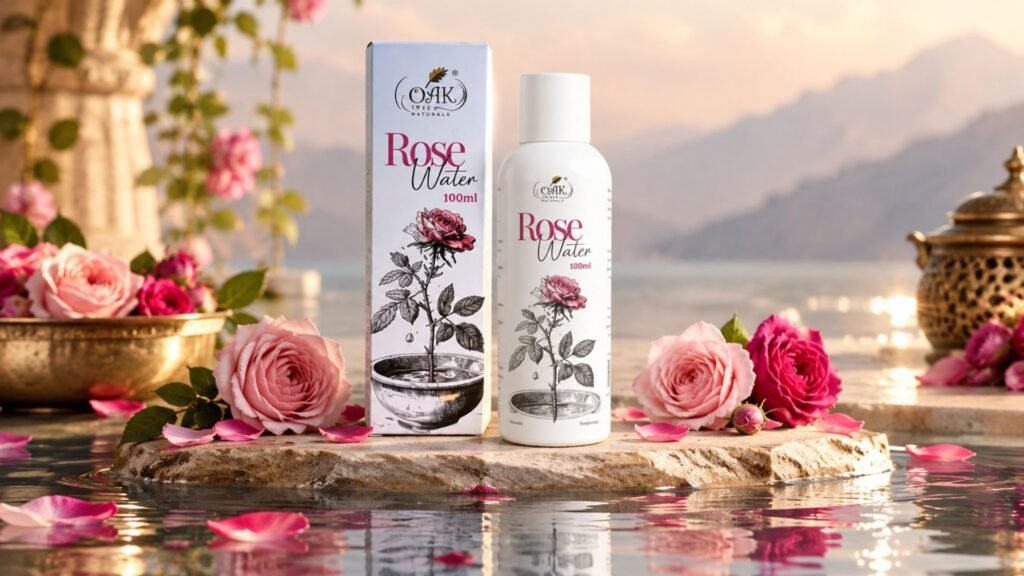
If you like the idea of rose water mist but do not want to prepare and store a homemade batch, Oak Tree Premium Rose Water Mist offers a ready-to-use alternative.
Oak Tree Naturals describes its 100 ml Premium Rose Water Mist as a lightweight product intended to refresh and hydrate the skin, with rose water as a key ingredient. (oaktreenaturals.in)
Explore Oak Tree Premium Rose Water Mist
The advantage is convenience: instead of preparing rose petals, filtering the liquid, and worrying about how long a homemade batch will remain suitable, you can keep a ready-to-use mist as part of your skincare routine.
This makes it particularly useful for people who want a quick refreshing step without turning skincare into a DIY project.
How to Use Rose Water Mist Correctly
Using a face mist is simple, but technique can make the experience better.
After Cleansing
- Cleanse your face.
- Hold the spray bottle a short distance from your face.
- Close your eyes.
- Spray a light, even layer.
- Allow it to settle.
- Follow with moisturizer.
During the Day
You can also use a mist when your skin feels like it needs refreshing.
Avoid spraying directly into your eyes.
If you’re outdoors during the day, remember that a mist does not replace sunscreen. Use a broad-spectrum sunscreen separately as part of your daytime skincare routine.
Common Mistakes to Avoid When Making Rose Water Mist
Mistake 1: Using Flowers Not Intended for Cosmetic Use
Do not assume every rose sold for decoration is suitable for facial skincare.
Mistake 2: Making a Large Batch
Water-based homemade preparations can become contaminated. Making small amounts is more sensible than storing a large bottle for weeks.
Mistake 3: Adding Too Many Ingredients
DIY recipes often recommend adding lemon juice, essential oils, glycerin, and other ingredients.
More ingredients do not necessarily mean a better facial mist.
Some ingredients can increase irritation or sensitivity, particularly for reactive skin.
Mistake 4: Ignoring Hygiene
A dirty bottle can contaminate an otherwise clean preparation.
Wash and thoroughly dry containers before use.
Mistake 5: Expecting Medical Results
it can be a pleasant cosmetic addition, but it should not be presented as a cure for acne, rosacea, eczema, pigmentation, or infections.
There is currently no strong evidence establishing rose water as an effective acne treatment. (Medical News Today)
Is Rose Water Mist Suitable for Every Skin Type?
Rose water mist may fit into many skincare routines, but “natural” does not automatically mean “suitable for everyone.”
Dry Skin
A mist can provide a refreshing water-based step, but dry skin generally benefits more from a moisturizer that helps retain moisture.
Oily Skin
A lightweight mist may feel comfortable without adding a heavy layer of oil.
However, it should not be expected to control oil production or prevent acne on its own.
Combination Skin
It can be used as a simple refreshing step, particularly after cleansing.
Sensitive Skin
Be more cautious.
Fragrance and certain botanical ingredients can cause irritation in susceptible individuals. If you have reactive skin, patch-test a product first and discontinue use if you experience burning, itching, or redness. (Acibadem Hospitals Group)
How to Patch-Test a Rose Water Mist
Before using a new facial product extensively:
- Apply a small amount to a limited area of skin.
- Leave it undisturbed.
- Observe how your skin responds.
- If you experience persistent burning, itching, swelling, or redness, wash the area and discontinue use.
If you have an existing skin condition or frequent reactions to skincare products, consider speaking with a dermatologist before introducing new products.
How Often Can You Use Rose Water Mist?
There is no universal rule that everyone needs to mist their face a specific number of times per day.
For most people, the better approach is to use it according to the product directions and how their skin feels.
You might use it:
- After cleansing
- Before moisturizer
- Once during the day for a refresh
- After travelling or spending time in a dry environment
More frequent application is not automatically better.
A good skincare routine is usually about consistency and compatibility, not the number of products applied.
The Bottom Line: Should You Make Rose Water Mist at Home?
If you enjoy DIY skincare, learning how to make rose water mist can be a simple and interesting project. The basic process involves suitable rose petals, clean water, gentle preparation, careful filtration, and proper hygiene.
But homemade water-based skincare also comes with an important limitation: preservation and contamination control are difficult to manage at home.
If you want the convenience of a ready-to-use product, Oak Tree Premium Rose Water Mist is an alternative worth considering. It is designed as a lightweight rose water mist for everyday refreshing skincare. (oaktreenaturals.in)
Ultimately, the best choice depends on what matters most to you: the experience of making your own preparation or the convenience of reaching for a ready-made mist.
FAQ Section
1. How to make rose water mist at home?
You can make a simple rose water mist by gently preparing suitable rose petals with purified water, cooling and filtering the liquid, and transferring it to a clean spray bottle. Homemade preparations should be made in small quantities, refrigerated, and discarded if their smell, appearance, or other characteristics change.
2. Can I use homemade rose water mist every day?
It is better to be cautious with homemade water-based skincare because its preservation and microbiological stability are uncertain. A freshly prepared small batch is preferable to storing homemade rose water for a long period.
3. Can rose water mist be used on the face?
Yes, rose water is commonly used in cosmetic skincare products and can be applied as a facial mist when the formulation is intended for facial use. Patch-testing is advisable, particularly for sensitive skin.
4. Is rose water mist a moisturizer?
Not exactly. it can provide a temporary refreshing and hydrated feeling, but it does not replace a moisturizer designed to support the skin barrier and reduce moisture loss.
5. Can rose water mist help acne?
Rose water should not be considered an acne treatment. Although some rose-derived compounds show antioxidant or anti-inflammatory activity in research, there is not enough evidence to establish rose water as an effective treatment for acne. (Medical News Today)
6. Can I use rose water mist before moisturizer?
Yes. You can mist your face after cleansing and then apply moisturizer. This can be a simple way to incorporate a refreshing water-based step into your routine.
7. Is homemade rose water better than a ready-made mist?
Not necessarily. Homemade rose water gives you control over the preparation, but preservation, hygiene, and shelf life can be challenging. A ready-made product offers greater convenience and a formulation designed specifically for cosmetic use.
8. Can I use rose water mist before sunscreen?
You can use a rose water mist as an optional skincare step before your daytime moisturizer and sunscreen. However, it does not provide sun protection and should never replace sunscreen.