
Can Aloe Vera Gel Be Applied to Hair? Say Goodbye to Dry, Frizzy Hair With These Powerful Tips

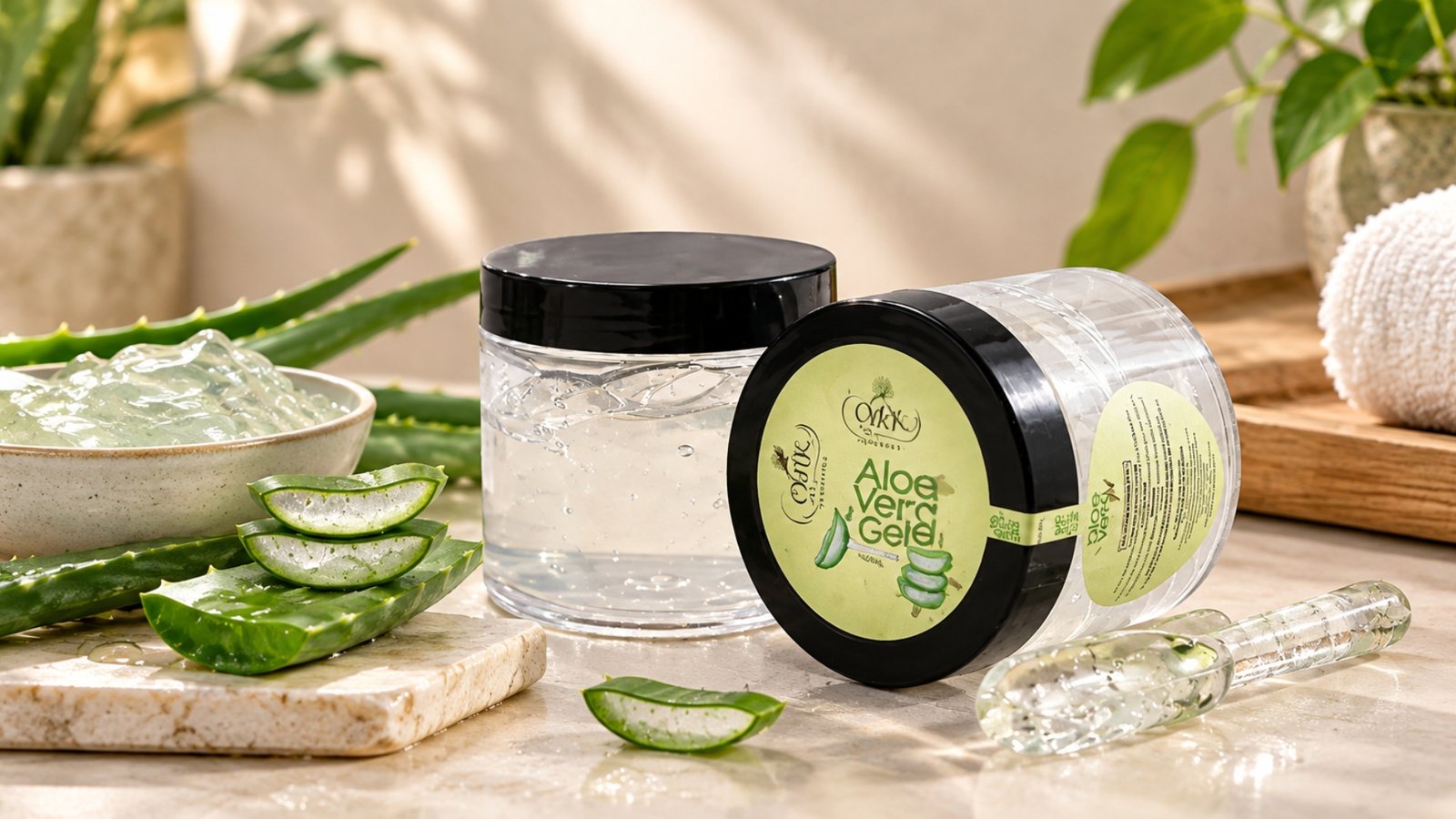
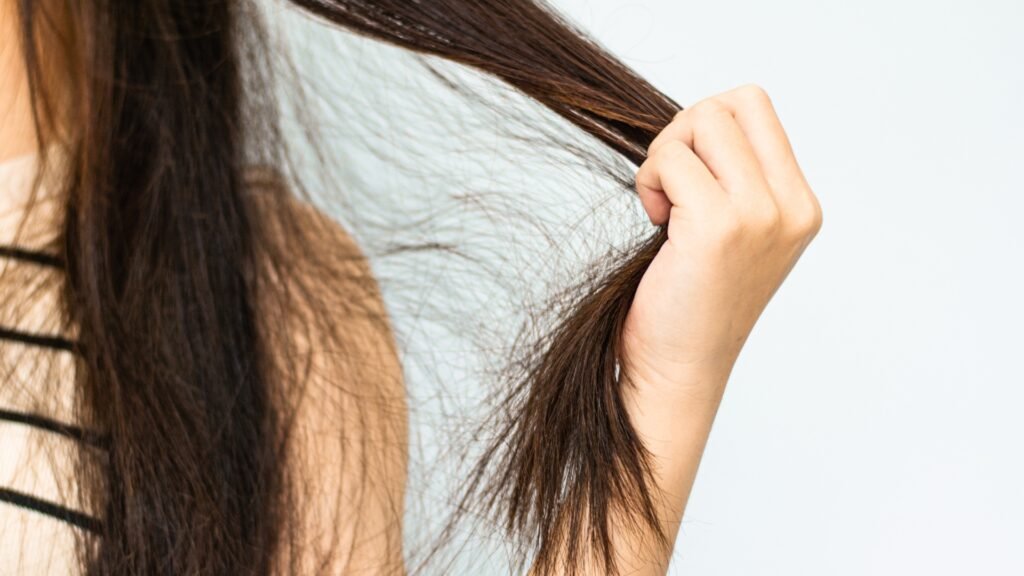
Have you ever looked at your hair in the mirror and thought, “Why does it look so dry and frizzy when I just washed it?”
Dryness, rough texture, and flyaways can make even a simple hairstyle feel difficult to manage. And when you are looking for a quick, lightweight way to add moisture to your hair, aloe vera gel often comes up as a popular home-care option.
But can aloe vera gel be applied to hair?
Yes, aloe vera gel can be applied to the hair and scalp, provided the product is suitable for topical use and your scalp tolerates it. Aloe vera is widely used topically, and topical aloe gel is generally well tolerated, although some people can experience irritation, itching, burning, or rash.
The bigger question is: How should you use it without making your hair sticky, weighed down, or uncomfortable?
From using it as a pre-shampoo treatment to applying a small amount to the lengths of the hair, there are several ways to include aloe vera gel in a simple hair-care routine.
Let’s look at what aloe vera can realistically do for your hair, how to apply it, and the mistakes worth avoiding.
Can Aloe Vera Gel Be Applied to Hair?
Yes. Aloe vera gel can be used on both the hair lengths and scalp, depending on your routine and the product’s directions.
Aloe vera gel is primarily known for its topical use on skin. Research has explored topical aloe for several skin-related purposes, although evidence for specific hair-growth claims is much more limited.
That distinction matters.
Aloe vera gel may be useful as a hydrating, lightweight hair-care ingredient, particularly when your hair feels dry, or your scalp needs a soothing-feeling product. But it should not be presented as a proven treatment for hair loss or as something that can make hair grow faster.
Think of aloe vera as a supportive hair-care step, not a miracle hair-growth treatment.
Why Do People Use Aloe Vera Gel on Hair?
Aloe vera has a naturally lightweight, gel-like texture, which makes it appealing to people who want moisture without applying a heavy oil.
Depending on the formulation and how your hair responds to it, aloe vera gel may help your hair feel:
- Softer
- More hydrated
- Smoother
- Less dry
- Easier to manage
- Less rough or frizzy
It can also be useful when you want a simple alternative to heavier hair products.
However, results vary. Hair type, porosity, climate, existing damage, and the rest of your hair-care routine can all influence how your hair responds.
7 Powerful Ways to Use Aloe Vera Gel on Hair
If you want to try aloe vera gel for hair, the trick is not to use a huge amount.
A little can go a long way.
1. Use Aloe Vera Gel as a Pre-Shampoo Hair Treatment
If your hair feels dry and rough, try applying a small amount of aloe vera gel to the hair lengths before shampooing.
Start with clean hands and lightly distribute the gel through the lengths, concentrating on areas that feel particularly dry.
Leave it on for a short period according to your product’s directions, then wash your hair as usual.
This approach can be particularly convenient if you don’t like leaving products on your hair throughout the day.
Simple routine:
- Lightly dampen your hair if desired.
- Take a small amount of aloe vera gel.
- Apply it mainly to the lengths.
- Leave it on for the recommended time.
- Shampoo and rinse thoroughly.
If your hair becomes stiff, sticky, or coated, reduce the amount or discontinue use.
2. Apply a Small Amount to Dry, Frizzy Lengths
One of the biggest frustrations with dry hair is frizz.
Instead of covering your entire head with gel, try using a very small amount on the mid-lengths and ends.
Rub the gel between your palms first and gently smooth it over the hair.
This can help you control flyaways without creating the heavy, oily feeling that some people experience with richer products.
The key word here is small.
Applying more product does not automatically mean more hydration.
3. Try It as a Lightweight Scalp-Care Step
Aloe vera is also commonly used topically on skin, and some people choose to apply aloe gel to their scalp as part of a soothing-feeling care routine.
If you want to try this method, apply a thin layer rather than saturating the scalp.
Massage gently with your fingertips and observe how your scalp feels.
However, don’t assume that a soothing sensation means aloe vera is treating a scalp condition. Persistent itching, scaling, redness, or inflammation deserves proper evaluation rather than repeated experimentation with home remedies.
4. Mix It Into Your Hair-Care Routine
You don’t necessarily have to create a complicated DIY hair mask.
If your hair responds well to aloe vera gel, you can incorporate it into a simple routine alongside your regular shampoo and conditioner.
For example:
Wash → Condition → Rinse → Apply a tiny amount of aloe gel to damp lengths if needed.
This is particularly useful if your main goal is managing dryness or frizz rather than treating a specific scalp problem.
5. Use Aloe Vera Gel on Damp Hair
If your hair tends to become fluffy and difficult to manage after washing, try applying a small amount of gel while the hair is still slightly damp.
Damp hair can make it easier to distribute a lightweight product evenly.
Use your fingers or a wide-tooth comb to distribute it gently through the lengths.
Avoid applying excessive amounts directly at the roots unless your scalp tolerates the product well.
6. Focus on the Ends if They Feel Dry
Your ends are often the part of your hair that looks and feels the driest.
Instead of applying aloe vera gel from root to tip, you can start with the ends.
Take a tiny amount, smooth it between your palms, and gently work it through the bottom section of your hair.
This targeted approach also helps prevent unnecessary product buildup near the scalp.
7. Combine Aloe Vera With a Simple, Consistent Routine
Aloe vera gel can be useful, but it cannot compensate for a hair routine that is constantly damaging the hair.
If your goal is softer, less frizzy hair, consider the entire routine:
- Use a shampoo appropriate for your hair type.
- Condition the lengths regularly.
- Avoid excessive heat styling.
- Handle wet hair gently.
- Avoid repeatedly brushing or pulling the hair.
- Protect hair from unnecessary friction.
- Use styling products in moderation.
- Trim visibly damaged ends when needed.
Sometimes the solution to frizz isn’t adding another product. It’s removing the habits that are making the hair dry in the first place.
Aloe Vera Gel for Dry Hair: Does It Really Help?
This is where expectations matter.
Aloe vera gel can provide a lightweight, hydrating-feeling addition to a hair-care routine, but it should not be treated as a guaranteed cure for dry hair.
Hair dryness can have many causes, including environmental conditions, frequent washing, chemical treatments, heat styling, and mechanical damage.
Aloe vera may make your hair feel softer or more manageable, but individual results can differ.
If your hair is severely dry or damaged, improving the overall routine is usually more useful than relying on one ingredient.
Can Aloe Vera Gel Reduce Frizz?
It may help make hair feel smoother and easier to manage when used appropriately, but aloe vera is not a permanent solution for frizz.
Frizz can be influenced by:
- Humidity
- Hair texture
- Lack of moisture
- Hair damage
- Heat styling
- Chemical processing
- Friction
- Product buildup
If your hair becomes frizzy because it is dry or difficult to manage, a small amount of a lightweight product may help with the appearance and feel of the hair.
The goal should be manageable hair, not unrealistic overnight transformation.
Can Aloe Vera Gel Help Hair Growth?
This is one of the most important claims to separate from general hair-care benefits.
There is interest in aloe vera for various topical applications, but there isn’t enough reliable evidence to say that applying aloe vera gel to your scalp will make hair grow faster or treat hair loss. NCCIH notes that research on aloe has examined several topical uses, but that does not establish aloe as a proven hair-growth treatment.
So if your concern is significant hair shedding, thinning, or bald patches, don’t rely on aloe vera alone.
A qualified dermatologist can help identify the underlying cause.
How to Apply Aloe Vera Gel to Hair Correctly
If you’re trying aloe vera gel for the first time, keep your routine simple.
Step 1: Start With a Small Amount
Take a small quantity of gel rather than covering your hair in a thick layer.
Step 2: Decide Where You Want to Apply It
For dry hair, start with the lengths and ends.
For scalp use, apply only a thin layer and pay attention to how your skin reacts.
Step 3: Spread It Evenly
Rub the gel lightly between your palms before distributing it.
This can help prevent concentrated patches of product.
Step 4: Give It Time to Work
Follow the directions of the product you are using rather than assuming that leaving it on overnight is always better.
Step 5: Wash if Needed
If the gel leaves your hair sticky, stiff, or coated, wash it out and use less next time.
Oak Tree Aloe Vera Gel for Your Hair-Care Routine
If you’re looking for a ready-to-use aloe vera gel instead of extracting gel from a fresh aloe leaf, Oak Tree Aloe Vera Gel (100 g) is one option from Oak Tree Naturals.
The official Oak Tree Naturals website describes the product as a lightweight, fast-absorbing aloe vera gel intended for topical care. The product description focuses on hydration, soothing dry or tired-looking skin, and everyday refreshing use.
Because the product is primarily described for skin care on the official website, it’s worth making an important distinction:
Don’t assume that every aloe vera gel marketed for skin has been specifically formulated or tested as a hair product.
If you want to use it on your hair or scalp, check the product label and directions first, and perform a small patch test if you’re trying it for the first time.
You can explore the product here: Oak Tree Aloe Vera Gel (100 g)
Aloe Vera Gel vs. Aloe Vera Leaf: Which Should You Use?
You may have seen videos showing people cutting open a fresh aloe leaf and applying the gel directly to their hair.
It sounds simple, but there is an important difference between freshly extracted aloe and a formulated commercial gel.
Aloe products can contain material from different parts of the plant. NCCIH explains that aloe products may be made from the inner-leaf gel, latex, or whole leaf, and these forms are not interchangeable.
A formulated product also gives you a more consistent texture and application experience.
If you use fresh aloe, make sure you understand what part of the leaf you’re using and avoid assuming that “natural” automatically means irritation-free.
Common Mistakes to Avoid When Using Aloe Vera Gel on Hair
Using Too Much
More gel can leave hair sticky, stiff, or weighed down.
Applying It Every Day Without Checking Your Hair’s Response
There is no universal rule saying everyone needs aloe vera daily. Start occasionally and see how your hair responds.
Assuming It Will Stop Hair Fall
Aloe vera should not replace professional evaluation for persistent or significant hair loss.
Ignoring Scalp Irritation
Topical aloe is generally well tolerated, but burning, itching, rash, and eczema have occasionally been reported.
If your scalp becomes irritated, stop using the product.
Leaving It on for Longer Thinking It Will Work Better
Overnight application isn’t automatically better. Follow the product’s instructions and your hair’s response.
Using It as a Replacement for Conditioner
Aloe vera gel and conditioner don’t necessarily serve the same purpose. If your hair needs conditioning, continue using a suitable conditioner.
Is Aloe Vera Gel Suitable for Everyone?
Not necessarily.
Your hair type and scalp sensitivity matter. Someone with fine hair may find that too much gel weighs the hair down, while someone with dry, textured hair may prefer a little more product.
The best approach is to start small.
For your first application, use a small amount on a limited area and observe your hair and scalp afterward.
If you develop persistent burning, itching, redness, or a rash, discontinue use. Topical aloe can occasionally cause these reactions.
A Simple Aloe Vera Hair Routine for Beginners
If you’re completely new to aloe vera gel, try this uncomplicated routine:
Once a week or occasionally:
- Wash your hair with your usual shampoo.
- Condition your lengths.
- Rinse thoroughly.
- Apply a small amount of aloe vera gel to damp lengths and ends if your hair tolerates it.
- Let your hair dry naturally or style it as usual.
- Reduce or stop use if you notice buildup or irritation.
You don’t need ten different products to care for your hair.
A consistent routine that suits your hair is often more practical than constantly switching between DIY treatments.
Final Takeaway: Can Aloe Vera Gel Be Applied to Hair?
Yes, aloe vera gel can be applied to hair and, for some people, can be a useful lightweight addition to a hair-care routine.
It may help hair feel softer, more hydrated, and easier to manage, particularly when dryness and frizz are your main concerns.
But keep expectations realistic. Aloe vera isn’t a proven cure for hair loss, and it won’t permanently eliminate frizz.
Start with a small amount, use it according to the product directions, pay attention to how your hair and scalp respond, and focus on a complete hair-care routine rather than relying on one ingredient.
If you’re looking for a ready-to-use aloe vera gel, Oak Tree Aloe Vera Gel (100 g) offers a lightweight topical aloe vera gel option from Oak Tree Naturals.
FAQ Section
1. Can aloe vera gel be applied to hair?
Yes. Aloe vera gel can be applied to hair, particularly the lengths and ends. Some people also use it on the scalp, but you should first check the product’s directions and test a small area if you have sensitive skin.
2. Can aloe vera gel reduce dry and frizzy hair?
It may help hair feel more hydrated and manageable, which can make dryness and frizz look less noticeable. However, results vary depending on hair type, damage, humidity, and your overall hair-care routine.
3. Can I apply aloe vera gel directly to my scalp?
You can use a topical aloe vera gel on the scalp if the product is suitable for that use and your skin tolerates it. Stop using it if you experience burning, itching, redness, or a rash.
4. Can aloe vera gel make hair grow faster?
There isn’t enough reliable evidence to claim that applying aloe vera gel makes hair grow faster or treats hair loss. Persistent or significant hair loss should be evaluated by a qualified professional.
5. How often should I use aloe vera gel on my hair?
There is no single frequency that works for everyone. Start occasionally with a small amount and adjust based on how your hair and scalp respond.
6. Can I leave aloe vera gel on my hair overnight?
It depends on the specific product and how your hair and scalp respond. Overnight use is not automatically better. Follow the product directions and wash it out if it causes buildup, stiffness, or irritation.
7. Can aloe vera gel replace hair conditioner?
Not necessarily. Aloe vera gel can be part of a hair-care routine, but it doesn’t automatically replace a conditioner designed to condition and detangle hair.













2 thoughts on “Can Aloe Vera Gel Be Applied to Hair? Say Goodbye to Dry, Frizzy Hair With These Powerful Tips”