Tan Removal for Men: Tired of Stubborn Sun Tan? Here’s What Actually Helps

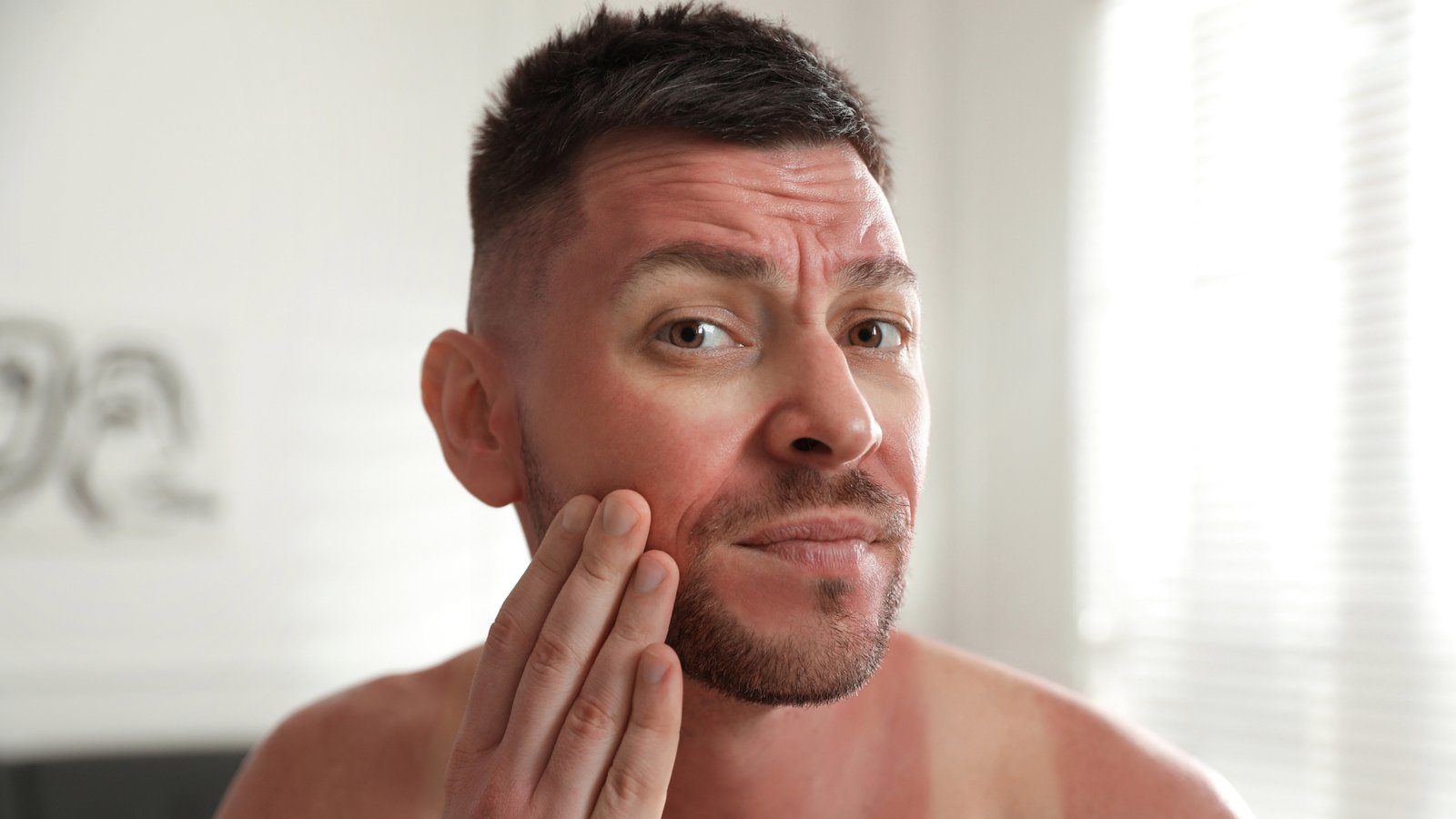
Getting a darker, uneven skin tone after spending time outdoors is common, especially if you regularly commute, play sports, travel, work outside, or spend long hours in the sun. For many men, the problem becomes noticeable on the face, neck, arms, hands, and other exposed areas.
But if you’re searching for Tan Removal for Men, there is one important thing to understand first: getting rid of a tan isn’t about trying to scrub your skin until it becomes lighter.
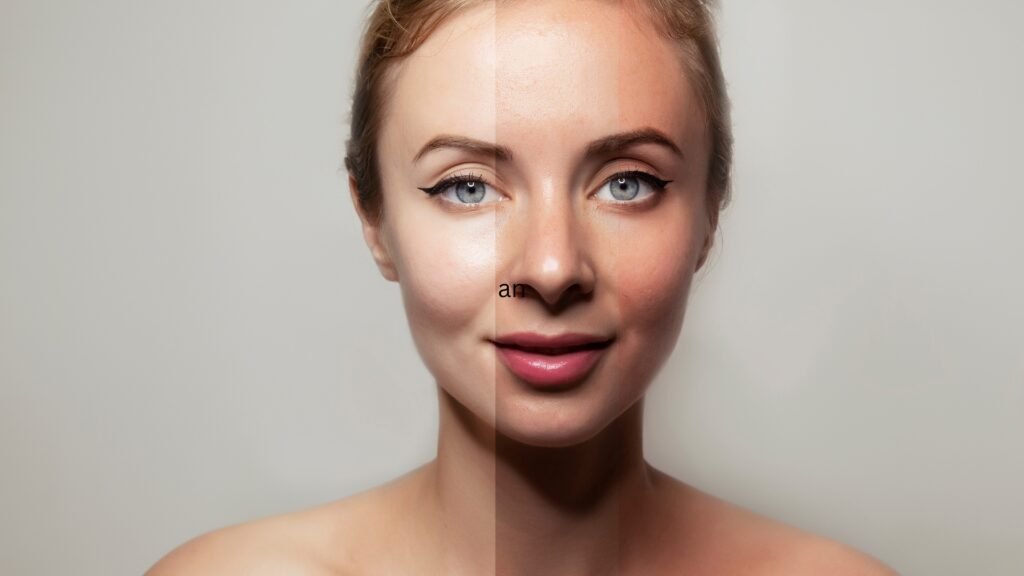
A tan develops because exposure to ultraviolet (UV) radiation stimulates your skin to produce more melanin. Repeated exposure can make the skin look darker and can contribute to uneven pigmentation and other signs of sun damage. The American Academy of Dermatology notes that tanning itself represents UV-related skin damage.
So what actually helps?
A sensible approach combines sun protection, gentle skincare, moisturization, and patience. A product such as Oak Tree D-Tan Lotion can be included as part of that routine, but it should complement—not replace—daily sun protection.
Table of Contents
What Causes a Sun Tan in Men?
Your skin contains cells called melanocytes that produce melanin, the pigment responsible for much of your skin’s color.
When your skin is exposed to UV radiation, melanin production can increase. This is one reason exposed areas can become darker after spending time outdoors.
A tan may appear gradually rather than immediately. You might notice:
- A darker face compared with covered areas
- Uneven skin tone around the neck
- Darker forearms or hands
- A noticeable difference between exposed and covered skin
- Dull-looking or uneven complexion after repeated outdoor exposure
The important point is that a tan is not simply dirt sitting on the surface of your skin. That is why aggressive scrubbing or harsh DIY remedies are not the answer.
Tan Removal for Men: What Actually Helps?
If your goal is to return your skin to a more even appearance gradually, focus on reducing continued sun exposure while maintaining a gentle skincare routine.
1. Start With Daily Sun Protection
This is the step many people skip while trying to remove a tan.
If you continue exposing your skin to UV radiation without protection, new tanning and pigmentation can continue to develop. That can make it harder for your skin tone to become more even.
The American Academy of Dermatology recommends a broad-spectrum, water-resistant sunscreen with SPF 30 or higher. It also recommends reapplying sunscreen every two hours when outdoors and after swimming or sweating.
For men who spend considerable time outdoors, also consider:
- Wearing full-sleeved clothing when practical
- Using a hat or cap for additional coverage
- Seeking shade when possible
- Avoiding unnecessary prolonged exposure during stronger sunlight
- Applying sunscreen to exposed areas such as the face, ears, neck, arms, and hands
This isn’t just about preventing another tan. Consistent sun protection also helps reduce further sun-related pigmentation and premature skin aging.
2. Keep Your Skin Clean—But Don’t Over-Scrub
After a long day outside, washing your face and body can remove sweat, excess oil, pollution, and other surface impurities.
However, scrubbing harder doesn’t mean removing a tan faster.
Over-exfoliating or using harsh physical scrubs can irritate the skin. Irritation can be particularly unhelpful when you’re already dealing with uneven pigmentation.
A better approach is simple:
- Cleanse gently.
- Avoid aggressive scrubbing.
- Keep your skin moisturized.
- Use sun protection consistently.
- Give your skin time.
Your skincare routine should leave your skin feeling comfortable—not raw, tight, or burning.
3. Consider a D-Tan Lotion for Your Routine
This is where a product such as Oak Tree D-Tan Lotion (100 Ml) can fit into a tan-care routine.
A D-tan lotion is designed for people looking to care for skin that appears tanned or uneven after sun exposure. Rather than treating it as a magical overnight solution, think of it as one part of a broader skincare routine.
For someone who regularly spends time outdoors, the routine can be:
Cleanse → D-tan skincare → moisturize if needed → sunscreen during the day
The exact application instructions should always follow the product label.
If you are introducing any new skincare product, especially if your skin is sensitive, testing a small area first is a sensible precaution. Dermatologists recommend testing skincare products on a small area before applying them more widely because irritation or allergic reactions can occur.
4. Don’t Forget Your Neck and Arms
One of the biggest practical mistakes in men’s skincare is focusing only on the face.
Think about how much sun your skin actually receives.
If you regularly ride a bike or scooter, drive with your arms exposed, play outdoor sports, or work outside, areas such as your:
- Neck
- Forearms
- Hands
- Face
- Ears
may receive significant sun exposure.
This can create the familiar “face and arm tan” or an uneven difference between exposed and covered skin.
When using a skincare product, always check the product label to confirm where it is intended to be applied.
Can You Remove a Tan Overnight?
No skincare routine should promise instant removal of a sun tan.
Your skin needs time to recover from the effects of sun exposure, and pigmentation can take time to become less noticeable.
The American Academy of Dermatology notes that darker spots can take months to fade depending on how deeply pigment sits in the skin.
That means consistency matters more than trying five aggressive remedies in one weekend.
A realistic mindset is:
Protect → Care → Repeat → Give it time
This approach is much more sensible than expecting one application to transform your skin tone completely.
Natural Tan Removal vs. Skincare Products
You may have seen DIY suggestions involving lemon juice, baking soda, toothpaste, or abrasive scrubs.
Be careful with these trends.
“Natural” does not automatically mean “gentle.”
If a home remedy causes burning, excessive dryness, or irritation, it can make your skin barrier unhappy. The American Academy of Dermatology specifically recommends using gentle skincare and stopping products that burn or sting the skin, particularly when dealing with pigmentation.
Instead of experimenting with harsh kitchen ingredients, a simple skincare routine is easier to control.
A Simple Tan Removal Routine for Men
You don’t need a complicated 10-step routine.
Morning
Step 1: Cleanse
Use a gentle cleanser appropriate for your skin type.
Step 2: Moisturize if needed
If your skin feels dry or tight, apply a suitable moisturizer.
Step 3: Apply sunscreen
Use a broad-spectrum SPF 30+ sunscreen on exposed skin.
If you’re outdoors for extended periods, remember to reapply as recommended.
Evening
Step 1: Cleanse
Remove sweat, sunscreen, dirt, and daily buildup.
Step 2: Use your D-tan skincare product
If Oak Tree D-Tan Lotion is part of your routine, apply it according to the product’s directions.
Step 3: Moisturize
If your skin needs additional moisture, finish with an appropriate moisturizer.
That’s it.
The goal isn’t to make skincare complicated. The goal is to create a routine you can actually follow.
Common Mistakes Men Make When Trying to Remove Tan
Mistake 1: Skipping Sunscreen
You can’t reasonably expect your skin to become more even while repeatedly exposing it to the same trigger.
Sun protection should be part of your routine even when you’re working on existing tanning or pigmentation.
Mistake 2: Scrubbing Too Hard
A rough scrub can make your skin feel temporarily smoother, but aggressive exfoliation isn’t a shortcut to removing pigmentation.
If your skin becomes red, sore, or irritated, you’ve gone too far.
Mistake 3: Expecting Overnight Results
Skin takes time to change.
Be consistent instead of constantly switching products.
Mistake 4: Using Lemon or Other Harsh DIY Remedies
Acidic or irritating substances can cause problems when applied directly to skin.
If your goal is a healthier-looking, more even complexion, avoid unnecessary irritation.
Mistake 5: Treating Only the Face
If your neck and arms are regularly exposed to the sun, they deserve attention too.
Mistake 6: Forgetting Prevention
Once your skin starts looking more even, don’t stop protecting it from the sun.
Prevention is what helps you avoid repeating the same cycle.
How to Make Your Tan-Care Routine More Effective
Instead of looking for one “strong” product, think about your entire routine.
Habit Why It Matters
Daily sunscreen Helps limit further UV-related tanning and pigmentation
Gentle cleansing Removes sweat, oil, and surface impurities
Appropriate skincare Supports a consistent routine
Moisturizing Helps maintain comfortable, hydrated skin
Sun-protective clothing Reduces direct exposure
Consistency Gives your skin time to respond
This combination is more practical than relying on a single product.
Why Sunscreen Matters Even After Your Tan Starts Fading
Imagine spending several weeks taking better care of your skin, only to spend every afternoon outdoors without sunscreen.
Continued UV exposure can contribute to new tanning and pigmentation.
The AAD recommends broad-spectrum SPF 30 or higher and additional protection such as shade and sun-protective clothing.
For people with darker skin tones, visible light can also contribute to hyperpigmentation. The AAD notes that tinted sunscreen containing iron oxide can provide additional protection against visible light.
So, if you’re serious about managing uneven skin tone, don’t make sunscreen an occasional vacation product.
Make it a routine.
When Should You See a Dermatologist?
Not every dark patch is simply a sun tan.
If pigmentation is persistent, rapidly changing, unusually patterned, itchy, painful, or doesn’t improve despite sensible skincare and sun protection, consider speaking with a dermatologist.
Conditions such as melasma and other forms of hyperpigmentation can have different causes and may require a more targeted treatment approach. The AAD notes that dermatologists can develop treatment plans based on the cause, skin tone, and depth of pigmentation.
Avoid using strong pigment-lightening treatments without understanding what is causing the discoloration.
Oak Tree D-Tan Lotion: Where Does It Fit?
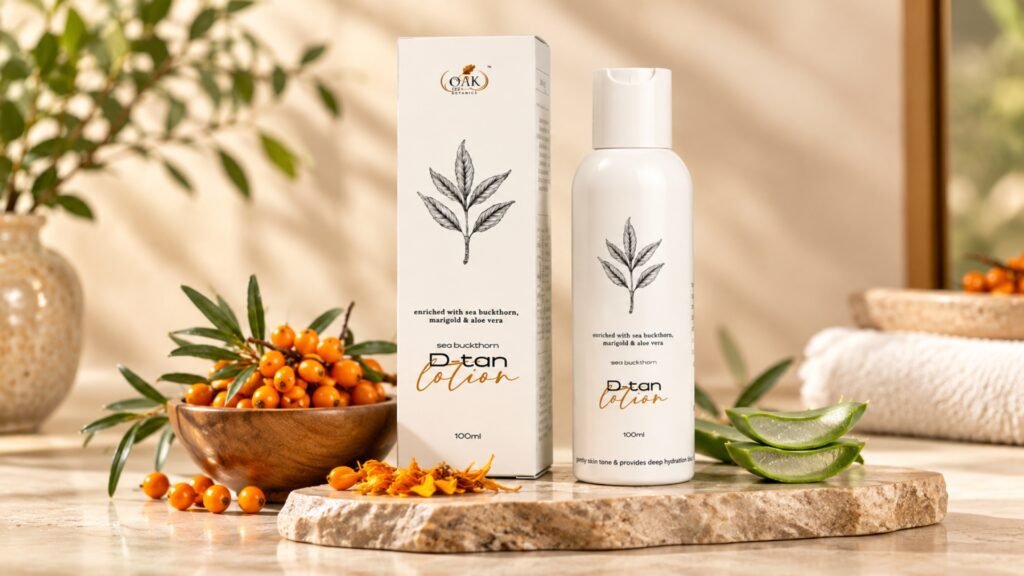
If you’re looking for a convenient product to add to your Tan Removal for Men routine, Oak Tree Naturals offers Oak Tree D-Tan Lotion (100 Ml).
The product can be positioned as part of a regular tan-care routine for skin that looks darker or uneven after outdoor exposure.
The important distinction is this:
A D-tan lotion is not a replacement for sunscreen.
Think of your routine in two parts:
Daytime: Protect your skin from further sun exposure.
Skincare routine: Care for the skin and address the appearance of tanning and uneven tone.
That combination makes more sense than relying on a single product.
Before using the lotion, follow the directions provided on the product packaging and avoid applying it to irritated or damaged skin.
The Bottom Line: What Actually Helps With Tan?
If stubborn tanning is bothering you, don’t look for the most aggressive solution.
Focus on the basics:
- Protect exposed skin with SPF 30+ broad-spectrum sunscreen.
- Reapply sunscreen when you’re outdoors as recommended.
- Use clothing and shade to reduce sun exposure.
- Cleanse your skin gently.
- Avoid aggressive scrubbing and irritating DIY remedies.
- Consider a dedicated D-tan product such as Oak Tree D-Tan Lotion as part of your skincare routine.
- Be consistent and give your skin time.
- See a dermatologist if pigmentation is persistent or unusual.
The biggest change isn’t finding one miracle product. It’s building a routine that protects your skin while giving it appropriate care.
For men who spend a lot of time outdoors, that shift—from “How do I remove my tan quickly?” to “How do I protect and care for my skin consistently?”—can make your skincare routine much more practical.
FAQ Section
1. What is the best way for tan removal for men?
A practical approach combines daily broad-spectrum SPF 30+ sunscreen, sun-protective habits, gentle skincare, and consistency. A D-tan lotion can be included as part of the skincare routine.
2. Can men use D-tan lotion?
Yes, men can use D-tan skincare products as long as the product is appropriate for the intended area and is used according to its directions. Skin type and individual sensitivity should also be considered.
3. Can a sun tan be removed in one day?
A sun tan should not be expected to disappear in one day. Pigmentation can take time to fade, and the duration varies between individuals.
4. Does sunscreen help with tan removal?
Sunscreen primarily helps prevent additional UV exposure and tanning. Consistent sun protection can also help prevent existing pigmentation from becoming darker and can support the fading process.
5. Should men scrub their skin to remove tan?
No. Aggressive scrubbing isn’t a reliable shortcut for removing pigmentation and can irritate the skin. Gentle skincare is a better approach.
6. How often should I use a D-tan lotion?
Follow the instructions provided with the specific product. Avoid increasing the frequency simply because you want faster results.
7. Can I use a D-tan product without sunscreen?
You can use a D-tan product as part of your skincare routine, but skipping sun protection can work against your goal by allowing continued UV exposure. Sunscreen should remain an important part of your daytime routine.
8. What if my dark patches don’t look like a normal tan?
Persistent, unusual, or changing pigmentation may have another cause. A dermatologist can assess the skin and recommend an appropriate treatment plan.