
Natural Suntan Removal: Say Goodbye to Stubborn Tan With These Amazing Tips

You spend a day outside, come home, look in the mirror—and suddenly notice that your face, arms, or neck look darker than they did before. Sound familiar?
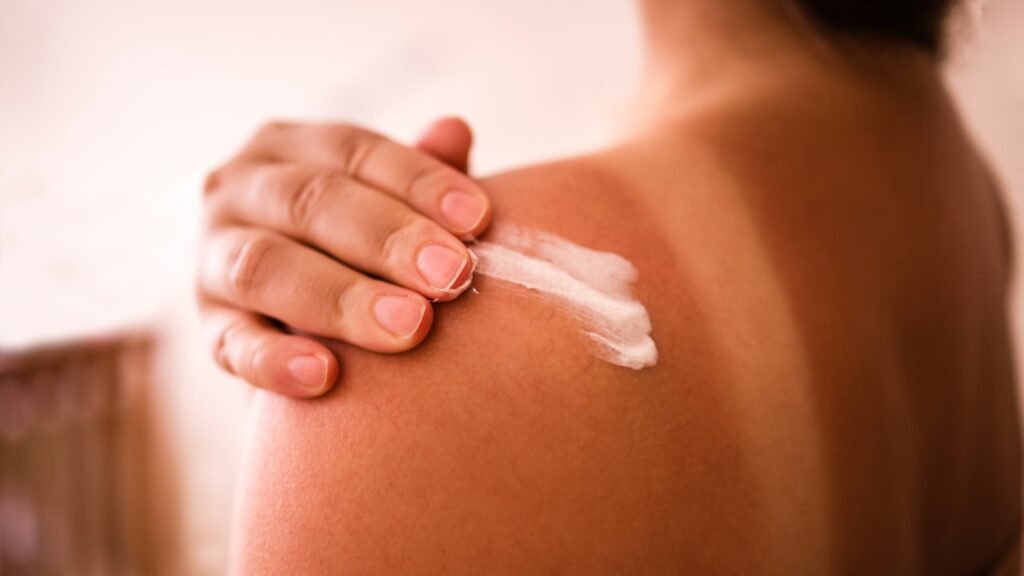
Sun exposure can increase melanin production, which causes the skin to become darker or develop a tan. While a tan may gradually fade as the skin naturally renews itself, repeated sun exposure can keep triggering pigmentation and can also contribute to longer-lasting dark spots.
That is why effective natural suntan removal is not simply about finding one ingredient that promises to erase a tan overnight. A better approach combines gentle skincare with consistent sun protection and patience.
The good news? You don’t need an overly complicated routine.
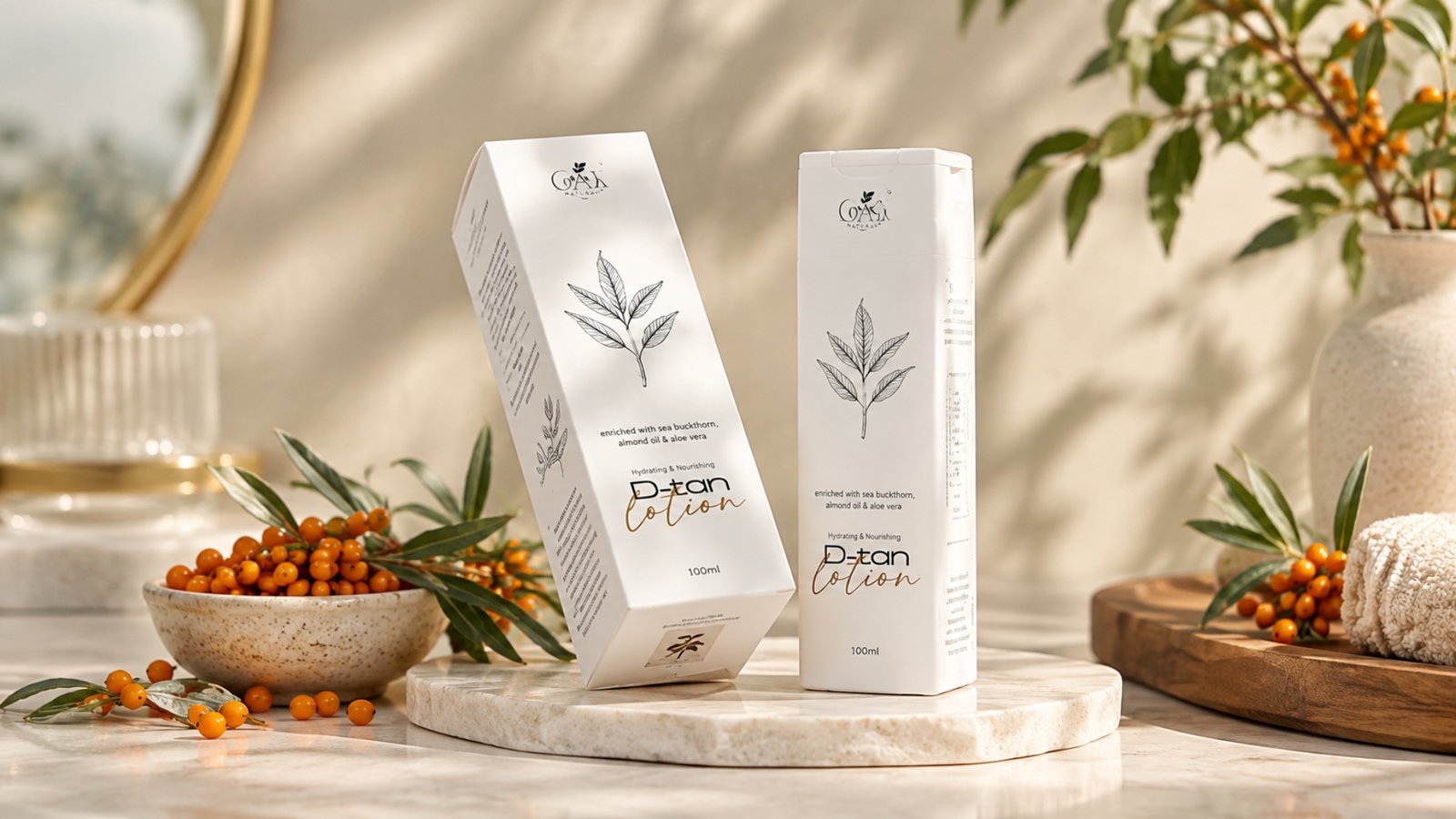
With the right habits, gentle exfoliation, adequate moisturization, and a suitable de-tan product such as Oak Tree D-Tan Lotion, you can build a practical routine focused on bringing your skin back toward a more even-looking tone.
Let’s look at what actually helps—and which common tan-removal mistakes you should avoid.
Table of Contents
What Causes a Sun Tan?
Before talking about tan removal, it helps to understand what you’re trying to fade.
When your skin is exposed to ultraviolet (UV) radiation, melanocytes—the cells responsible for producing melanin—respond by increasing pigment production. This increased melanin can make the skin appear darker.
A tan is therefore not simply “dirt” sitting on the surface of your skin.
This explains why scrubbing your skin aggressively does not remove a tan safely.
In fact, excessive scrubbing or irritating products can cause inflammation, and skin irritation itself can contribute to darker marks or patches, particularly in people prone to hyperpigmentation.
So the goal of a good tan-care routine should be:
Reduce further sun exposure → support the skin barrier → gently improve uneven-looking tone → give the skin time to recover.
Natural Suntan Removal: 7 Amazing Tips That Actually Make Sense
1. Make Sunscreen Your First Step
It might sound strange to talk about sunscreen when you’re trying to remove a tan, but this is one of the most important parts of the process.
If you continue exposing your skin to UV radiation without adequate protection, you’re repeatedly giving your skin a reason to produce more pigment.
The American Academy of Dermatology recommends choosing a sunscreen that provides:
- Broad-spectrum protection
- SPF 30 or higher
- Water resistance
It should be applied to exposed skin before going outdoors and reapplied approximately every two hours when you’re outdoors, or after swimming or sweating.
For people who are particularly concerned about pigmentation, the AAD also notes that tinted sunscreen containing iron oxide can provide additional protection against visible light, which can worsen hyperpigmentation, especially in darker skin tones.
Think of sunscreen as your tan-prevention step.
Without it, you’re trying to fade pigmentation while continuing to trigger it.
2. Don’t Attack Your Skin With Harsh Scrubs
When a tan looks stubborn, it’s tempting to reach for a rough scrub and start rubbing.
That’s exactly what you should avoid.
Aggressive exfoliation can irritate the skin. And irritation can make pigmentation problems more noticeable or contribute to post-inflammatory hyperpigmentation.
Instead, choose gentle exfoliation appropriate for your skin type and avoid scrubbing already irritated or sunburned skin.
A useful rule is:
If exfoliation leaves your skin burning, painfully tight, or unusually red, you’ve probably gone too far.
Natural skincare does not automatically mean gentle skincare. Even plant-based ingredients can irritate some people’s skin.
3. Keep Your Skin Properly Moisturized
Sun exposure can leave skin feeling dry, tight, or uncomfortable.
A good moisturizer helps support the skin barrier and can make the skin feel smoother and more comfortable.
Moisturization also matters when you’re using products designed to improve the appearance of uneven skin tone. If your routine constantly leaves your skin irritated or dry, it may be doing more harm than good.
Try a simple routine:
Cleanse → Treat → Moisturize → Sunscreen in the morning
At night:
Cleanse → De-tan/skincare product → Moisturize
The exact order can vary depending on the product’s instructions.
4. Try a Dedicated De-Tan Lotion
If your main concern is a visibly uneven or tanned appearance after sun exposure, a dedicated de-tan lotion can be a convenient addition to your routine.
Oak Tree D-Tan Lotion (100 ml) is formulated as a de-tan skincare product and is positioned around ingredients such as seabuckthorn, mulberry extracts, marigold, and aloe vera.
These types of botanical ingredients are commonly used in skincare formulations for conditioning and tone-focused routines.
However, it is important to keep expectations realistic.
A de-tan lotion shouldn’t be treated as an instant eraser for sun exposure. How quickly pigmentation fades depends on factors such as the depth and cause of the pigmentation, continued sun exposure, skin type, and the consistency of your routine.
If you want to incorporate Oak Tree D-Tan Lotion into your routine, follow the directions provided on the product packaging.
5. Use Aloe Vera for a Soothing Skincare Routine
Aloe vera is a familiar ingredient in after-sun skincare because of its soothing and moisturizing feel.
If your skin feels uncomfortable after spending time outdoors, a gentle aloe-based product may make your routine feel more comfortable.
But there’s an important distinction:
Soothing sun-exposed skin is not the same thing as removing a tan.
Aloe vera can be part of a supportive skincare routine, but it shouldn’t be presented as a guaranteed treatment for pigmentation.
And if your skin is actually sunburned—especially if it is painful, blistered, or significantly swollen—focus on appropriate sunburn care rather than trying to exfoliate or aggressively treat the area.
6. Protect More Than Just Your Face
One of the easiest mistakes in tan-care routines is protecting the face while completely ignoring the rest of the body.
Think about all the areas exposed during a normal day:
- Neck
- Hands
- Forearms
- Feet
- Ears
- Shoulders
- Upper chest
If these areas are repeatedly exposed to sunlight, they can also become darker.
The AAD recommends combining sunscreen with other forms of sun protection, including shade and protective clothing. Wide-brimmed hats and clothing that covers exposed skin can reduce direct sun exposure.
This becomes especially useful if you’re outdoors for long periods.
7. Give Your Skin Time
This may be the least exciting tip—but it is one of the most important.
A tan doesn’t necessarily disappear after one skincare session.
Your skin needs time to naturally shed and renew itself, while continued UV exposure can encourage further pigmentation.
The AAD notes that pigmentation can take months to fade depending on its cause and how deeply the pigment sits in the skin.
So instead of asking:
“How can I remove my tan overnight?”
A better question is:
“How can I prevent further tanning while supporting my skin consistently?”
That shift can make your routine much more realistic.
How to Build a Simple Natural Suntan Removal Routine
You don’t need ten different products.
Here’s a practical routine to start with.
Morning
Step 1: Cleanse
Use a gentle cleanser suited to your skin type.
Step 2: Moisturize
Apply a moisturizer if your skin needs it.
Step 3: Sunscreen
Finish with a broad-spectrum SPF 30 or higher sunscreen. Apply it to exposed areas and reapply when needed.
Evening
Step 1: Cleanse
Remove sunscreen, sweat, and daily buildup.
Step 2: Use your de-tan product
Apply your chosen product according to its instructions.
Step 3: Moisturize
Finish with a moisturizer if your skin feels dry or tight.
This routine is deliberately simple.
The goal is consistency—not having a bathroom shelf full of products.
Oak Tree D-Tan Lotion: Where Can It Fit Into Your Routine?
If you’re looking for a product specifically designed around a de-tan skincare routine, Oak Tree D-Tan Lotion (100 ml) can be considered one option from Oak Tree Naturals.
Available product information describes the formulation around ingredients including:
- Seabuckthorn
- Mulberry extracts
- Marigold
- Aloe vera
These ingredients make the product relevant to a skincare routine focused on the appearance and feel of sun-exposed skin.
However, the most important part of using any de-tan product is following its label directions and observing how your skin responds.
If you have sensitive skin, introduce a new product gradually and stop using it if you develop significant irritation.
And remember: no de-tan lotion can compensate for repeated unprotected UV exposure.
A simple approach:
De-tan product + moisturizer + daily sun protection = a more sensible tan-care routine.
Natural Suntan Removal: What About Home Remedies?
Search for natural tan-removal tips online, and you’ll quickly find suggestions involving lemon juice, baking soda, toothpaste, and other household ingredients.
This is where “natural” can become misleading.
Just because something is found in your kitchen doesn’t mean it belongs on your skin.
Some DIY ingredients can be irritating, particularly when used repeatedly or on sun-exposed skin. The AAD specifically recommends using gentle skincare products when managing pigmentation because irritation can contribute to dark spots.
Be especially cautious with:
- Lemon juice
- Undiluted vinegar
- Baking soda
- Rough physical scrubs
- Undiluted essential oils
- Strong DIY acid mixtures
Instead of experimenting with harsh kitchen remedies, choose products formulated for topical skincare and patch-test new products when appropriate.
Does Exfoliation Remove a Tan?
Exfoliation can help remove dead surface skin cells and make skin feel smoother, but it does not literally “scrub away” all the melanin responsible for a tan.
That distinction matters.
Gentle exfoliation can be part of a skincare routine, but excessive exfoliation won’t necessarily make pigmentation disappear faster.
In fact, irritation can make some forms of pigmentation more difficult to manage.
If your skin is peeling after a sunburn, don’t pull or scrub the peeling skin.
Let it recover naturally.
Can You Remove a Tan in One Day?
There is no reliable skincare method that can safely erase a genuine sun tan in a single day.
A product may make your skin look cleaner, smoother, or temporarily brighter, but that isn’t the same as removing the underlying pigment immediately.
Be skeptical of products or DIY treatments that promise dramatic overnight depigmentation.
Pigmentation takes time to change, and the timeline varies from person to person.
The more realistic strategy is to combine:
Sun protection + gentle skincare + appropriate de-tan care + patience.
Common Mistakes That Can Make Tan Care Worse
Mistake 1: Skipping sunscreen after using a de-tan product
A de-tan routine without sun protection is incomplete.
Mistake 2: Scrubbing harder when results are slow
More friction isn’t the answer. Irritation can worsen pigmentation.
Mistake 3: Using too many active products together
Layering multiple exfoliating or tone-focused products can increase irritation.
Introduce products gradually.
Mistake 4: Expecting immediate results
Skin pigmentation changes over time. Don’t judge a routine after one or two applications.
Mistake 5: Treating every dark patch as a tan
Not every darker area is caused by sun tanning.
Persistent or unusual pigmentation may have other causes, including post-inflammatory hyperpigmentation or melasma.
If pigmentation is persistent, spreading, or concerning, a dermatologist can help determine the cause.
Tan vs. Hyperpigmentation: Are They the Same?
Not exactly.
A suntan is a response to UV exposure involving increased melanin production.
Hyperpigmentation is a broader term describing areas of skin that become darker than the surrounding skin. It can have several causes, including inflammation, hormonal changes, medications, and sun exposure.
This distinction is important because the right approach depends on the cause.
For example, melasma can be influenced by sunlight and may require a dermatologist-guided treatment plan rather than simply using a de-tan lotion.
How to Prevent Your Tan From Coming Back
Once your skin starts looking more even, don’t abandon the routine that helped protect it.
The easiest way to reduce repeated tanning is to make sun protection a daily habit.
Follow these habits:
- Apply broad-spectrum SPF 30 or higher.
- Reapply sunscreen approximately every two hours when outdoors.
- Reapply after swimming or heavy sweating.
- Wear a wide-brimmed hat when appropriate.
- Seek shade when possible.
- Consider protective clothing for prolonged outdoor activities.
- Don’t deliberately tan to develop a darker complexion.
This isn’t only about appearance.
The AAD emphasizes that tanning is a sign of UV damage and that UV exposure contributes to premature skin aging and skin cancer risk.
When Should You See a Dermatologist?
If you’re dealing with an ordinary tan after spending more time outdoors, a gentle skincare routine may be sufficient.
But not every pigmentation problem is a tan.
Consider professional advice if you notice:
- Dark patches that don’t improve
- Rapidly changing pigmentation
- A widening or unusual patch
- Recurrent pigmentation despite sun protection
- Pigmentation accompanied by other skin symptoms
- Significant irritation from skincare products
A dermatologist can determine whether you’re dealing with tanning, post-inflammatory hyperpigmentation, melasma, or another skin concern.
Final Thoughts: A Smarter Approach to Natural Suntan Removal
Natural suntan removal doesn’t have to mean aggressive scrubbing or complicated DIY recipes.
The most sensible approach is to understand why your skin became darker in the first place and then address the problem gently.
Protect your skin from further UV exposure. Keep your skin moisturized. Use gentle skincare. Consider a dedicated de-tan product such as Oak Tree D-Tan Lotion (100 ml) as part of your routine, following its product directions. And give your skin enough time to respond.
Most importantly, don’t chase overnight results.
A healthy-looking, even complexion is better supported by consistent sun protection and gentle care than by harsh treatments that irritate your skin.
If you’re ready to add a de-tan product to your routine, Oak Tree D-Tan Lotion can be explored as part of a simple, consistent skincare approach.
Frequently Asked Questions
1. What is the best natural way to remove a sun tan?
A practical approach is to prevent further UV exposure, use gentle skincare, moisturize regularly, and allow the skin time to naturally recover. A de-tan product can be added to the routine according to its directions.
2. Can a sun tan be removed naturally?
A tan can gradually fade as the skin naturally renews itself, but the process takes time. Consistent sun protection is important because continued UV exposure can encourage further tanning and pigmentation.
3. Can I remove a tan overnight?
There is no reliable way to erase a genuine sun tan overnight safely. Be cautious of products or DIY treatments that promise dramatic, immediate depigmentation.
4. Does sunscreen help prevent tanning?
Sunscreen reduces UV exposure, although it cannot block 100% of UV radiation. Broad-spectrum sunscreen with SPF 30 or higher, combined with shade and protective clothing, can help reduce UV-related tanning and skin damage.
5. Is lemon good for suntan removal?
Lemon juice is not a good substitute for a properly formulated skincare product. Citrus ingredients can irritate skin, and irritation can contribute to pigmentation problems. Gentle skincare is a safer approach.
6. Does exfoliation remove a tan?
Gentle exfoliation can remove some dead surface skin cells and improve skin texture, but it does not simply scrub away the melanin responsible for tanning. Over-exfoliation can irritate the skin and potentially worsen pigmentation.
7. Can I use a de-tan lotion every day?
Follow the specific directions provided with your product. If you are using Oak Tree D-Tan Lotion, follow the instructions on its packaging and discontinue use if it causes significant irritation.
8. How long does it take for pigmentation to fade?
The timeline varies according to the cause and depth of pigmentation. The American Academy of Dermatology notes that some dark spots can take several months to fade, while deeper pigmentation may take considerably longer.













One thought on “Natural Suntan Removal: Say Goodbye to Stubborn Tan With These Amazing Tips”