Best Natural Ingredients for Dry Skin: Aloe Vera, Apricot Oil & More


Dry skin can feel tight, rough, flaky or uncomfortable, especially after cleansing or during colder and drier weather. While many skincare products promise instant hydration, a simpler approach can often be more useful: understand which ingredients support your skin and build a routine around them.
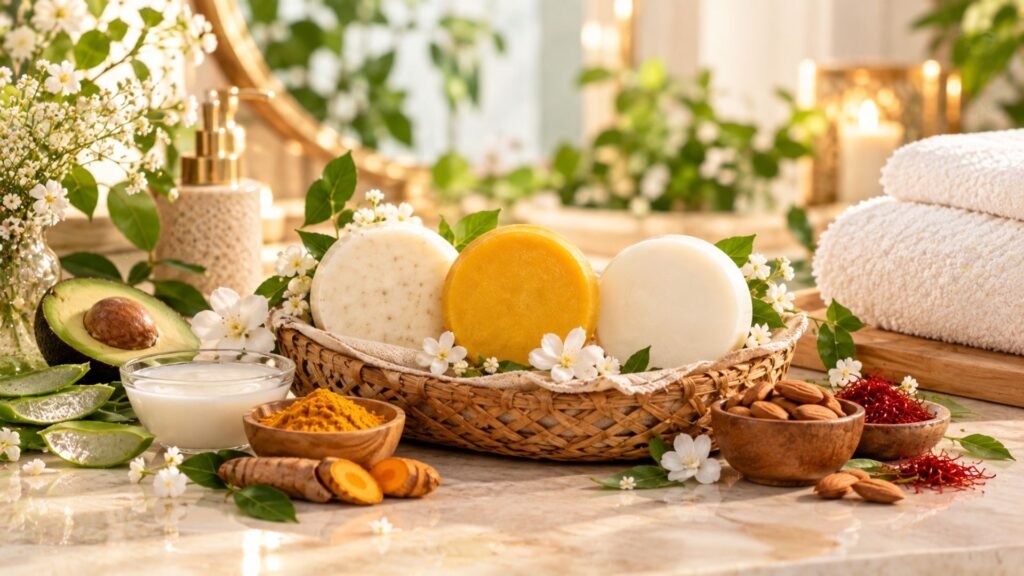
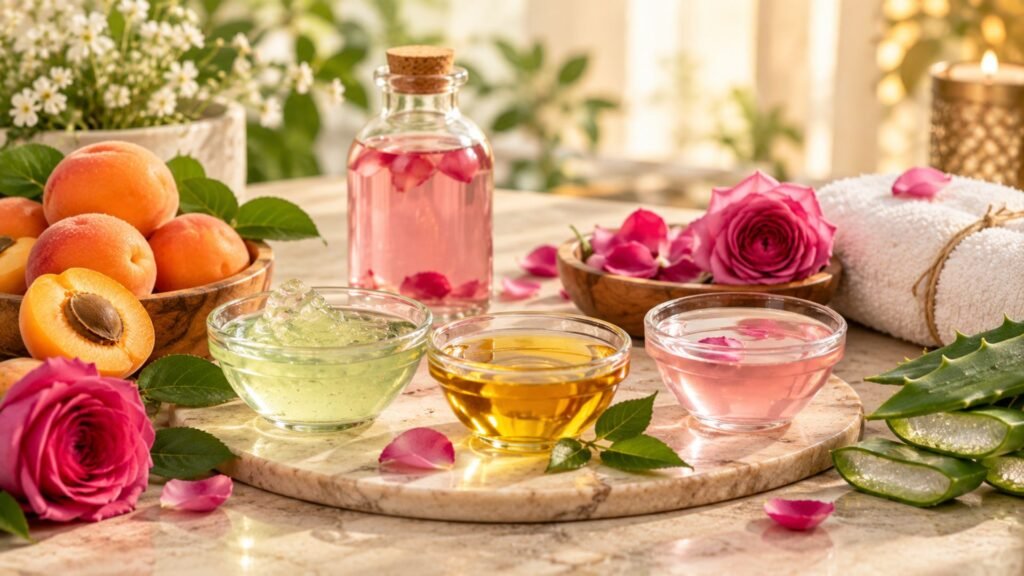
Some natural ingredients for dry skin have become especially popular because of their moisturizing, soothing, or conditioning properties. Aloe vera, apricot oil, shea butter, coconut oil, jojoba oil and plant-based botanical ingredients are commonly found in skincare products designed for dry or dehydrated-feeling skin.
But choosing natural skincare is not simply about finding the longest list of plant ingredients.
Different ingredients perform different roles. Aloe vera is commonly used for its lightweight, water-rich feel, while oils such as apricot oil help provide emollient conditioning. Occlusive ingredients can help reduce moisture loss, while humectants attract and hold water.
The key is understanding how these ingredients work together.
In this guide, we’ll explore some of the best natural ingredients for dry skin, how to use them, which ingredients may work well together, common mistakes to avoid, and how to create a simple natural skincare routine.
Table of Contents
What Causes Dry Skin?
Dry skin occurs when the skin does not retain enough moisture and its outer barrier is not functioning as effectively as it should.
Several factors can contribute to dryness, including:
- Cold or dry weather
- Low humidity
- Hot showers
- Frequent bathing
- Harsh cleansing products
- Over-exfoliation
- Certain environmental conditions
- Age-related changes in skin
- Individual skin characteristics
Dry skin is not always the same as dehydrated skin.
Dry skin generally refers to a skin type or tendency associated with insufficient oil production, while dehydrated skin refers to a temporary lack of water in the skin.
Understanding this distinction can help you choose more appropriate products.
Best Natural Ingredients for Dry Skin
There is no single “best” natural ingredient for everyone. The most useful ingredient depends on what your skin needs and how the finished product is formulated.
Here are some of the most commonly used natural or naturally derived ingredients for dry-skin care.
| Ingredient | Main Cosmetic Role | Best Known For |
| Aloe Vera | Hydrating/soothing | Lightweight, fresh skin feel |
| Apricot Oil | Emollient | Soft, conditioned skin |
| Shea Butter | Emollient/occlusive | Rich moisturization |
| Jojoba Oil | Emollient | Lightweight conditioning |
| Coconut Oil | Emollient/occlusive | Rich skin-conditioning feel |
| Sunflower Oil | Emollient | Supporting skin softness |
| Oat Extract | Soothing/conditioning | Comfort for dry-feeling skin |
| Honey | Humectant | Helping attract and retain moisture |
The exact effect depends on concentration, formulation, processing and whether the ingredient is used in a rinse-off or leave-on product.
1. Aloe Vera for Dry Skin
Aloe vera is one of the most recognizable botanical ingredients in skincare.
Aloe-based products are commonly appreciated for their lightweight, water-rich texture and fresh skin feel. They are often used in gels, lotions, cleansers and after-sun products.
For dry-feeling skin, aloe vera can complement a moisturizing routine by providing a lightweight layer of hydration and comfort.
How to Use Aloe Vera
Aloe vera is particularly convenient in:
- Gels
- Lightweight moisturizers
- Body lotions
- Face products
- After-cleansing routines
For very dry skin, however, aloe vera alone may not be enough.
A richer moisturizer or emollient may be useful afterward because hydration and moisture retention are not exactly the same thing.
Aloe Vera + Oil
A simple combination can be:
Aloe-based product → moisturizer → facial or body oil if needed
The aloe provides a lightweight, water-based step, while an oil can provide emollient conditioning and help reduce the feeling of dryness.
2. Apricot Oil for Dry Skin
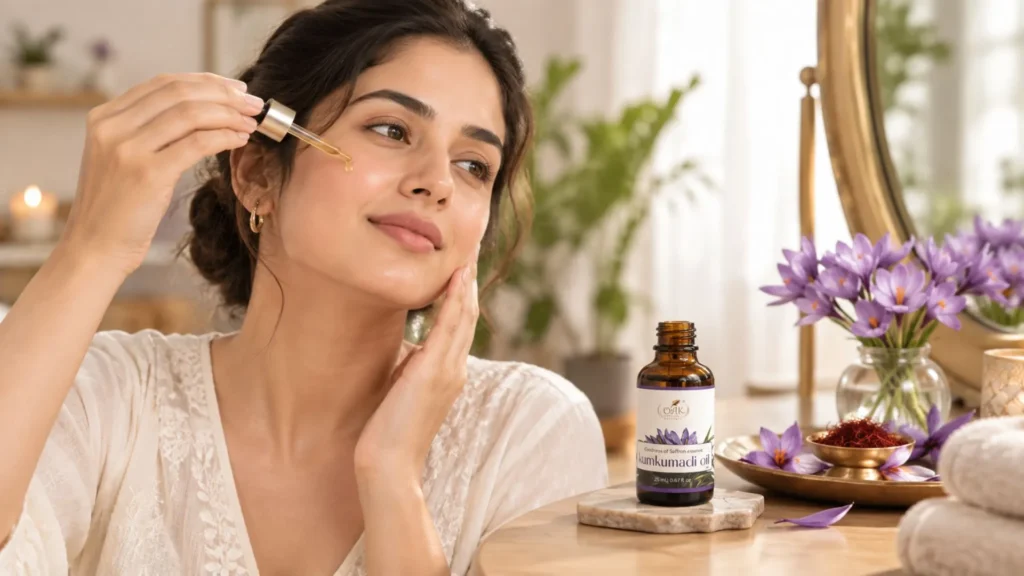
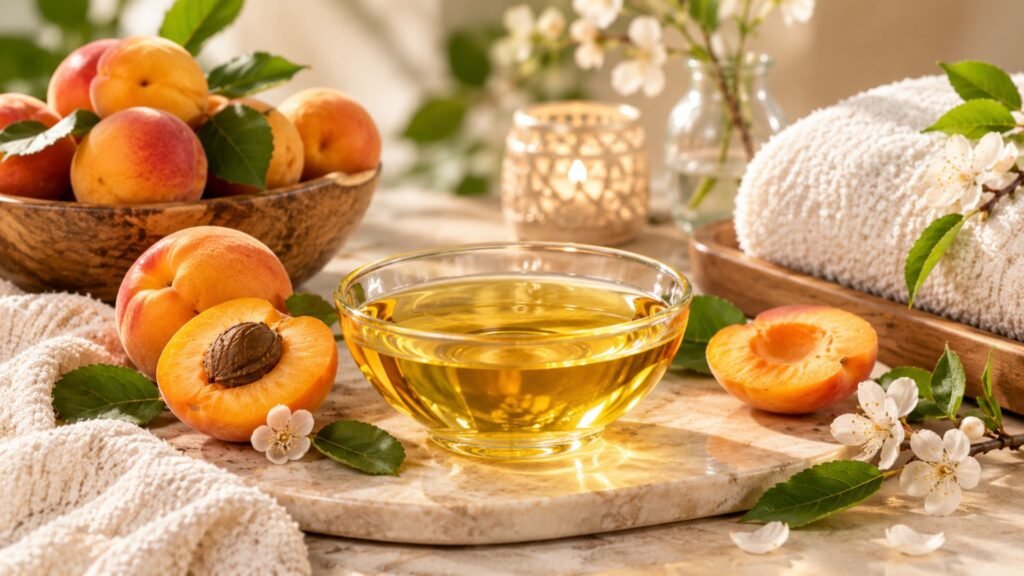
Apricot oil is extracted from apricot kernels and is commonly used in cosmetic formulations as an emollient.
Its lightweight-to-medium texture makes it popular in facial oils, body products, hair products and other personal-care formulations.
For dry skin, apricot oil can help provide a soft, conditioned skin feel.
Why Apricot Oil Is Popular
Apricot oil contains fatty acids and other naturally occurring components that make it useful as a cosmetic emollient.
It can be especially appealing for people who prefer plant-based oils in their skincare routine.
Potential cosmetic benefits include:
- Helping soften rough-feeling skin
- Supporting a smooth skin feel
- Providing emollient conditioning
- Helping reduce the feeling of dryness
- Adding richness to body-care products
However, an oil does not replace water-based hydration. It primarily works as an emollient and can help reduce moisture loss when used appropriately.
How to Use Apricot Oil
For facial skin, start with a small amount.
- Cleanse gently.
- Apply a hydrating product if desired.
- Apply moisturizer.
- Use a few drops of apricot oil as the final conditioning step if your skin benefits from it.
For body care, apricot oil can be applied to slightly damp skin after bathing..
3. Coconut Oil
Coconut oil is a familiar ingredient in traditional personal care and modern cosmetic formulations.
It can provide a rich, conditioning feel and is frequently used in body creams, soaps, hair products and body oils.
For dry body skin, coconut oil can be useful as an emollient.
However, some people may find it too heavy, and it may not be the ideal facial ingredient for everyone.
This is a good example of why natural does not automatically mean universally suitable.
4. Honey
Honey is a naturally derived ingredient with humectant properties, meaning it can help attract and retain water.
It is therefore often incorporated into skincare products designed to support hydrated skin.
Honey can be found in:
- Face masks
- Cleansers
- Moisturizers
- Body products
- Lip-care products
Again, the formulation matters. A product containing honey is not automatically more hydrating than every alternative.
Aloe Vera vs Apricot Oil: Which Is Better for Dry Skin?
Aloe vera and apricot oil serve different purposes, so they are not necessarily competing ingredients.
| Feature | Aloe Vera | Apricot Oil |
| Texture | Lightweight, gel-like in many products | Oil-based |
| Main role | Hydration/soothing feel | Emollient conditioning |
| Water content | High in aloe gels | No |
| Best use | Lightweight hydration | Softening and conditioning |
| Good for layering | Yes | Often used later in routine |
| Suitable for dry skin | Often | Often |
For many dry-skin routines, using both types of ingredients can make more sense than choosing only one.
Aloe vera can provide a lightweight hydrating step, while apricot oil can provide emollient conditioning.
How to Choose Natural Ingredients According to Your Skin
Your skin’s behavior is often more useful than simply following ingredient trends.
| Skin Concern | Ingredients to Consider | Routine Focus |
| Tight, dehydrated-feeling skin | Aloe vera, glycerin | Hydration |
| Rough skin | Apricot oil, shea butter | Emollient conditioning |
| Very dry body skin | Shea butter, richer oils | Moisture retention |
| Dry but dislikes heavy products | Jojoba, lightweight oils | Lighter conditioning |
| Dry hands/feet | Shea butter, rich creams | Protective moisturization |
| Sensitive-feeling dry skin | Oat-based ingredients, simple formulas | Minimize potential irritants |
This table is a starting point—not a prescription.
Your skin may respond differently depending on the product and surrounding routine.
How to Build a Simple Natural Skincare Routine for Dry Skin
You don’t need ten different products to care for dry skin.
A simple routine can be more sustainable and easier to maintain.
Morning Routine
Step 1: Gentle Cleansing
Use a mild cleanser or simply rinse with water if your skin does not require a full cleanse in the morning.
Step 2: Hydrating Product
An aloe-based product can provide a lightweight hydration step.
Step 3: Moisturizer
Choose a moisturizer containing suitable humectants and emollients.
Step 4: Sunscreen
Use a broad-spectrum sunscreen on exposed skin during daytime.
Natural oils should not be relied upon as substitutes for sunscreen.
Evening Routine
| Step | Product Type | Purpose |
| 1 | Gentle cleanser | Remove daily buildup |
| 2 | Aloe/hydrating product | Add hydration |
| 3 | Moisturizer | Support skin comfort |
| 4 | Apricot oil, if needed | Additional emollient conditioning |
The final step is optional.
If your moisturizer already keeps your skin comfortable, you may not need an additional oil.
How to Use Apricot Oil and Aloe Vera Together
If you want to combine these two ingredients, layering is generally more practical than mixing random quantities together.
A simple approach is:
Cleanse → Aloe-based product → Moisturizer → Apricot oil
Why this order?
Aloe-based products are generally water-based and lightweight, while oils are lipid-based and more occlusive.
Applying the oil later can help provide a conditioning finish.
For body care:
Bath → Aloe-based lotion → Apricot oil on dry areas
Start with a small amount and adjust according to how your skin feels.
Best Natural Ingredients for Different Body Areas
Different parts of the body often have different needs.
| Body Area | Useful Ingredient Types |
| Face | Aloe vera, jojoba, lightweight emollients |
| Hands | Shea butter, apricot oil, rich moisturizer |
| Elbows | Shea butter, rich emollients |
| Knees | Plant oils, body butter |
| Feet | Shea butter, rich cream or balm |
| Lips | Plant butters and suitable lip-care oils |
A product that feels comfortable on the feet may be far too heavy for the face.
Common Mistakes When Using Natural Ingredients for Dry Skin
1. Using Oil Instead of Moisturizer
An oil can soften skin, but it does not provide the same function as a water-based hydrating product.
For dry or dehydrated-feeling skin, combining hydration with emollient conditioning can be more useful.
2. Applying Too Much Oil
More oil does not necessarily mean more hydration.
Start with a small amount and increase only if needed.
3. Over-Exfoliating
Dry skin can tempt people to scrub away flakes.
But frequent physical or chemical exfoliation can worsen discomfort.
Focus first on restoring a comfortable routine.
4. Taking Very Hot Showers
Hot water may feel relaxing, but frequent hot showers can leave some people with drier-feeling skin.
Lukewarm water is generally a better choice for everyday bathing.
5. Assuming Every Natural Ingredient Is Gentle
Plant extracts, essential oils and fragrances can still cause irritation or sensitivity.
Always consider the complete formulation.
6. Changing Products Too Quickly
If you introduce several new products at once, it becomes difficult to know which one is responsible for improvement or irritation.
Introduce new products gradually.
Natural Does Not Automatically Mean Better
The popularity of natural skincare has created an important misconception: that natural ingredients are always safer or more effective than synthetic ingredients.
That’s not necessarily true.
Natural ingredients can be excellent cosmetic ingredients, but they can also cause irritation or allergic reactions. Synthetic ingredients can also be useful and well tolerated.
The better question is:
Does the ingredient and finished formulation suit your skin and serve a useful purpose?
When choosing skincare, consider:
- Ingredient transparency
- Formulation quality
- Skin compatibility
- Fragrance level
- Product stability
- Intended use
- Your individual response
This approach is more reliable than judging a product solely by its “natural” label.
How to Choose Natural Skincare Products for Dry Skin
Before buying a product, look beyond the front label.
Check the Ingredient List
Look for ingredients that match your goal.
For example:
- Aloe vera for lightweight hydration
- Apricot oil for emollient conditioning
- Shea butter for richer moisturization
- Oat-based ingredients for conditioning and comfort
Consider the Complete Formula
A product containing one beneficial ingredient can still contain fragrance or other ingredients that don’t suit your skin.
Choose According to Your Skin Type
Dry skin generally benefits from reducing unnecessary stripping and supporting moisture retention.
Look for Transparent Product Information
Trustworthy skincare brands should provide clear information about:
- Ingredients
- Product quantity
- Intended use
- Manufacturer or responsible business information
- Directions
- Storage
- Relevant product identification
Good product information helps consumers make informed choices.
Choosing Natural Ingredients Responsibly
Experience
Practical skincare advice should explain how ingredients are actually used.
For dry skin, this means discussing application order, quantity, bathing habits, moisturizing, and how to adjust a routine when skin feels uncomfortable.
Expertise
Different ingredients perform different cosmetic roles.
Aloe vera and glycerin are commonly used as hydration-supporting ingredients, while apricot oil and shea butter primarily provide emollient or richer conditioning properties.
Understanding these differences prevents unrealistic expectations.
Authoritativeness
A trustworthy skincare brand should provide clear and consistent product information.
When considering products from Oak Tree Naturals, consumers should review the current product label and available brand information to understand the actual formulation rather than relying only on general claims about natural ingredients.
Trustworthiness
Responsible skincare content should acknowledge limitations.
Natural ingredients can support the appearance and feel of healthy skin, but they should not be presented as guaranteed cures for chronic skin conditions.
If dryness is severe, persistent, painful, cracked, bleeding, or associated with significant itching or inflammation, professional medical advice may be appropriate.
Simple Dry-Skin Ingredient Combination
If you prefer a minimal routine, you can think about dry-skin care in three basic categories:
Hydrate → Moisturize → Condition
For example:
| Routine Stage | Ingredient Example | Role |
| Hydrate | Aloe vera | Lightweight hydration |
| Moisturize | Cream with humectants + emollients | Supports moisture balance |
| Condition | Apricot oil | Soft, emollient finish |
This approach is often more practical than collecting multiple products that perform essentially the same function.
Final Thoughts
The best natural ingredients for dry skin are not necessarily the trendiest ones. The right choice depends on your skin type, the role of the ingredient and the complete formulation in which it is used.
Aloe vera can provide a lightweight, refreshing hydration experience. Apricot oil offers emollient conditioning and can help skin feel soft and smooth. Richer ingredients such as shea butter can be useful when a more substantial protective feel is desired, while jojoba, sunflower oil, oat-based ingredients and other botanical options can complement different routines.
For dry skin, the goal should be more than simply adding oil. A balanced routine combines gentle cleansing, hydration, moisturization and protection from environmental stressors.
Most importantly, remember that natural does not automatically mean better or safer. Choose ingredients based on evidence, formulation quality, transparency and how your skin actually responds.
A simple, consistent routine built around ingredients such as aloe vera and apricot oil can be a practical starting point for anyone looking to make their dry-skin care routine more thoughtful and effective.
Frequently Asked Questions
1. What are the best natural ingredients for dry skin?
Commonly used ingredients include aloe vera, apricot oil, shea butter, jojoba oil, sunflower oil, oat-based ingredients and honey. Different ingredients serve different roles, so the best choice depends on your skin’s needs.
2. Is aloe vera good for dry skin?
Aloe vera is commonly used to provide a lightweight, hydrating and soothing-feeling step. For very dry skin, it may work better when followed by a moisturizer or emollient rather than used alone.
3. Is apricot oil good for dry skin?
Apricot oil is a plant-based emollient that can help soften and condition dry-feeling skin. It can be used in facial or body products depending on the formulation and individual skin compatibility.
4. Can I use aloe vera and apricot oil together?
Yes. A practical routine can involve applying an aloe-based hydrating product first, followed by moisturizer and a small amount of apricot oil if additional conditioning is needed.
5. Which is better for dry skin: aloe vera or apricot oil?
They serve different purposes. Aloe vera is generally used for lightweight hydration and soothing feel, while apricot oil provides emollient conditioning. They can complement each other rather than being direct alternatives.
6. Can natural oils replace moisturizer?
Not always. Oils primarily provide emollient conditioning and can help reduce moisture loss, but they do not necessarily provide the same combination of humectants, emollients and occlusives found in a well-formulated moisturizer.
7. Is shea butter good for very dry skin?
Shea butter is a rich plant-derived ingredient commonly used in products for dry skin. Its thicker texture can be particularly useful for rough body areas such as hands, elbows, knees and feet.
8. Are natural ingredients safe for sensitive skin?
Natural ingredients are not automatically irritation-free. Botanical extracts, essential oils and fragrances can cause reactions in some people. Always check the complete ingredient list and patch test new products when appropriate.
9. How often should I use natural oils on dry skin?
It depends on the oil, product and your skin. Many people use facial or body oils once daily or as needed. Start with a small amount and adjust according to how your skin feels.
10. What is the simplest routine for dry skin?
A simple routine can include gentle cleansing, a hydrating product such as aloe vera, a suitable moisturizer and an optional emollient such as apricot oil. During the day, use sunscreen on exposed skin.
11. Can dry skin be cured with natural ingredients?
Natural skincare ingredients can help improve the feel and appearance of dry skin, but persistent or severe dryness may have an underlying cause that requires professional evaluation. Natural ingredients should not be treated as a guaranteed cure.
12. Does natural skincare work better than conventional skincare?
Not automatically. Both natural and synthetic ingredients can be useful in skincare. The most important factors are formulation quality, ingredient suitability, safety, evidence and how well the product works for your individual skin.