
Apricot Oil for Skin: Benefits, Uses & How to Apply It

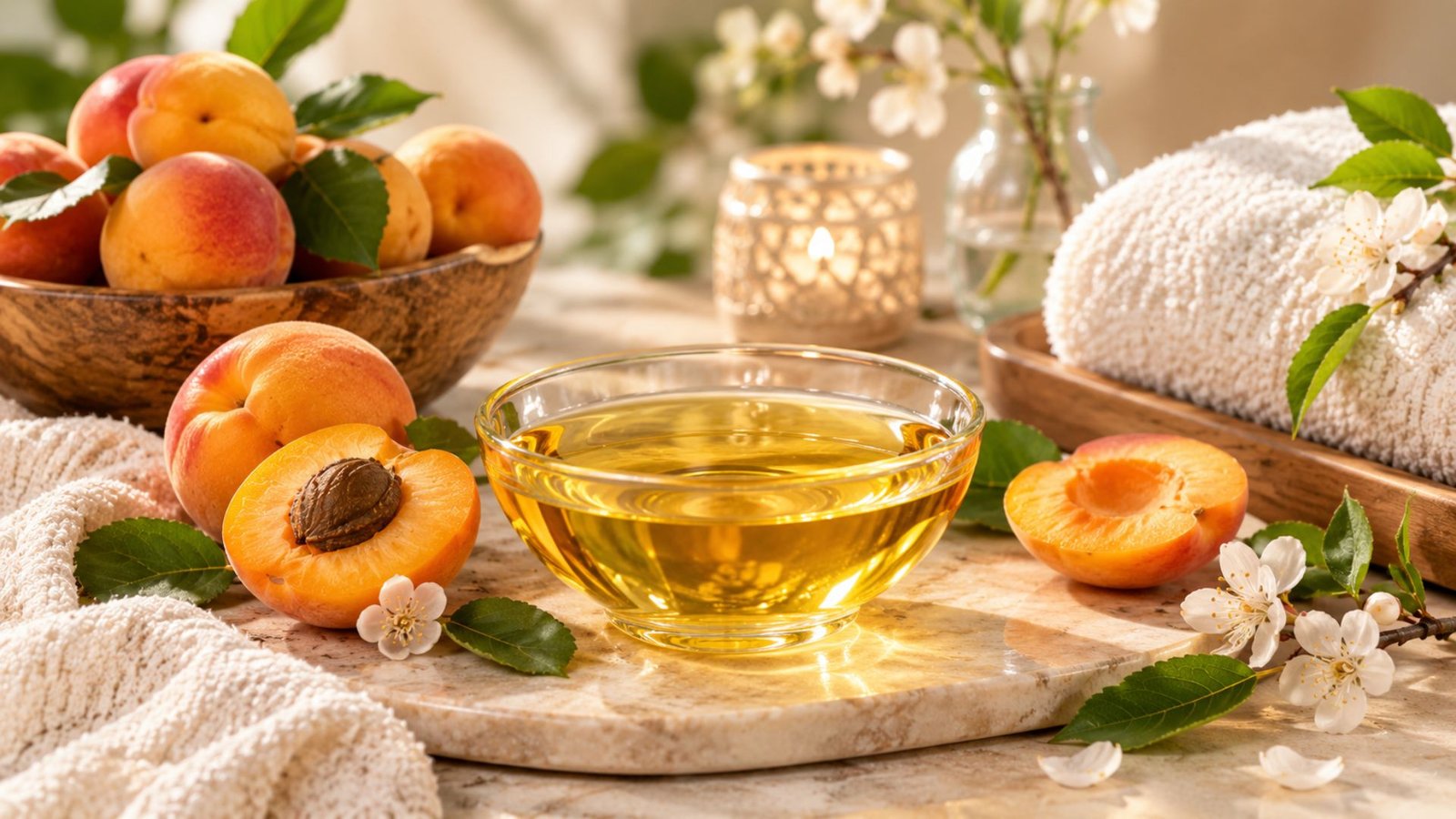
Apricot Oil for Skin: Natural oils have been used in skincare for generations, and it is one of the lighter plant oils that has found a place in modern beauty routines. Extracted from apricot kernels, this oil is known for its smooth texture and nourishing properties, making it a popular choice for moisturizing and everyday skin care.
For people who prefer a simple skincare routine, it can be an easy ingredient to work with. It can be applied directly to the skin, incorporated into a body-care routine, or used as a moisturizing step for areas that tend to feel dry.
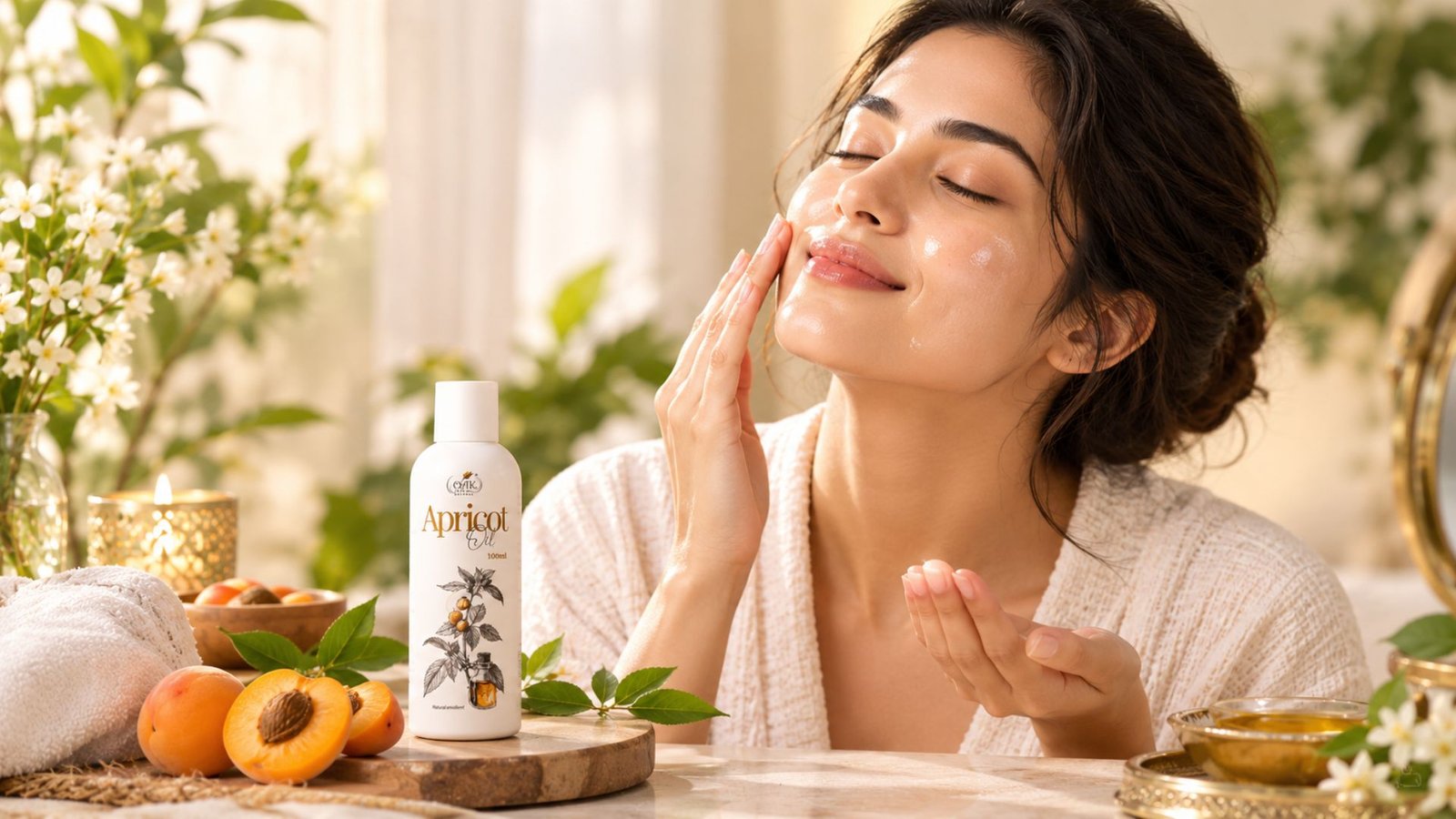
Oak Tree Naturals Apricot Oil offers a convenient way to include this traditional botanical oil in your personal-care routine. But before adding any facial oil to your skincare shelf, it helps to understand what it actually does, how to apply it, and whether it suits your particular skin type.
In this guide, we will explore the benefits, practical uses, application methods, precautions, and simple ways to make this part of your daily skincare routine.
Table of Contents
What Is Apricot Oil?
Apricot oil is a plant-based oil obtained from the kernels, or seeds, of apricots. It has a relatively lightweight texture and is commonly used in cosmetic and personal-care formulations.
The oil contains fatty acids and naturally occurring compounds that contribute to its emollient properties. In practical terms, this means it can help soften the feel of dry skin and make the skin feel smoother and more comfortable.
Unlike heavier oils that may feel rich or greasy, it is often appreciated for its lighter, silky texture.
Apricot Oil at a Glance
| Feature | Apricot Oil |
| Source | Apricot kernels |
| Texture | Lightweight and silky |
| Common skincare use | Moisturizing and softening |
| Suitable applications | Face, body, dry areas |
| Best used for | Supporting soft, nourished-feeling skin |
| Routine placement | After cleansing or before/with moisturizer |
The exact characteristics of an oil can vary depending on sourcing, processing, formulation, and storage, so it is always sensible to follow the manufacturer’s product information.
Benefits of Apricot Oil for Skin
1. Helps Moisturize Dry Skin
One of the most common reasons people use it is to help soften dry-feeling skin.
As an emollient oil, it can help improve the feel of rough or dry areas by adding a layer of oil to the skin. This can be particularly useful on areas such as elbows, knees, hands, and other parts of the body that frequently become dry.
For facial skincare, a small amount is generally enough.
2. Leaves Skin Feeling Soft and Supple
Regular moisturizing can make skin feel smoother and more comfortable. it can be used as part of that routine because of its softening properties.
Rather than applying a large quantity, start with a few drops and spread them gently across the skin.
This is especially useful for people who prefer a minimal routine with fewer products.
3. Contains Naturally Occurring Fatty Acids
Plant oils contain different types of fatty acids, and these contribute to their texture and emollient characteristics.
it is valued in personal care partly because of its fatty-acid profile, which helps give the oil its smooth, conditioning feel.
However, the exact nutritional and fatty-acid composition can vary between oils, so product-specific information should always take priority over generalized claims.
4. Can Support a Healthy-Looking Skin Barrier
The skin barrier plays an important role in keeping the skin comfortable and helping reduce excessive moisture loss.
Emollient oils can complement a moisturizing routine by helping soften the skin and reduce the uncomfortable feeling associated with dryness.
it should therefore be viewed as one component of a broader skincare routine rather than a standalone solution for every skin concern.
5. Useful for Dry Areas of the Body
it does not have to be limited to facial skincare.
It can be particularly convenient for targeted areas that often need additional moisture.
Try using a few drops on:
- Dry hands
- Elbows
- Knees
- Feet
- Cuticles
- Other rough-feeling areas
Massage gently until the oil is spread evenly.
Apricot Oil for Different Skin Types
Every skin type responds differently to facial oils. Understanding your own skin can help you decide how much to use and where to use it.
| Skin Type | How Apricot Oil May Fit | Practical Tip |
| Dry skin | Adds an emollient layer | Use after moisturizer or as the final step |
| Normal skin | Can support softness | Use a few drops as needed |
| Combination skin | Can be used selectively | Focus on drier areas |
| Oily skin | May feel richer than preferred | Start with a very small amount |
| Sensitive skin | Individual response varies | Patch test before regular use |
If you have a history of sensitivity or easily irritated skin, introducing one new product at a time makes it easier to understand how your skin responds.
How to Apply Apricot Oil on Your Face
Using a facial oil does not need to involve complicated techniques.
Step 1: Cleanse Your Face
Start with clean skin. Use a gentle cleanser appropriate for your skin type and rinse thoroughly.
Pat your face dry rather than rubbing it aggressively.
Step 2: Apply Your Usual Skincare Products
If you use a hydrating serum or moisturizer, apply those products according to their normal order.
Step 3: Take a Few Drops of Apricot Oil
Place a small amount of it onto your fingertips.
For facial use, starting with 2–3 drops is usually more practical than applying a large amount.
Step 4: Gently Press and Massage
Warm the oil lightly between your fingertips and gently press or massage it onto your face.
Avoid vigorous rubbing.
Step 5: Allow It to Absorb
Give the oil a little time to settle before applying makeup or going to bed.
Simple Facial Routine
| Routine Step | Product | Purpose |
| 1 | Cleanser | Cleans the skin |
| 2 | Hydrating serum, optional | Adds targeted hydration |
| 3 | Moisturizer | Supports moisture retention |
| 4 | Apricot Oil | Adds an emollient layer |
| 5 | Sunscreen, morning | Helps protect from UV exposure |
For daytime use, sunscreen remains an important part of a complete skincare routine.
Should You Apply Apricot Oil Before or After Moisturizer?
This is one of the most common questions about facial oils.
Generally, it can be applied after a water-based serum and moisturizer, particularly if you want to use the oil as the final moisturizing layer.
However, there is no universal rule. Some people prefer applying a few drops of oil after cleansing and before moisturizer, while others prefer finishing their routine with oil.
The right approach depends on the products you already use and how your skin feels.
Oil Before vs. After Moisturizer
| Method | Best For | How It Feels |
| Oil before moisturizer | Simple routines | Lightweight layering |
| Oil after moisturizer | Dry skin | More nourishing finish |
| Mixed with moisturizer | Minimal routines | Convenient application |
| Targeted application | Very dry areas | Focused moisture |
Start with one method rather than changing several steps at once.
Apricot Oil for Body Care
it can be just as useful in a body-care routine as it is in facial skincare.
Apply a small amount to clean skin after bathing, particularly on areas that feel dry.
Because body skin can tolerate a larger amount of product than the face for many people, you can adjust the quantity according to the area being treated.
Practical Body-Care Uses
After bathing: Apply a few drops to slightly damp skin.
For dry hands: Massage a small amount into your hands, especially around the knuckles and fingers.
For elbows and knees: Apply directly to rough or dry areas and massage gently.
For feet: Use at night and allow the oil to absorb before putting on comfortable socks.
Apricot Oil for Lip and Cuticle Care
Dry lips and cuticles can benefit from a simple moisturizing routine.
A tiny amount of it can be applied to the outer lip area or cuticles if the product is suitable for that use.
For lips, avoid using products that contain ingredients not intended for oral contact, and follow the manufacturer’s directions.
For cuticles, massage a small amount around the nail edges to help soften dry skin.
Can Apricot Oil Help With Fine Lines?
it is sometimes marketed as an anti-aging ingredient, largely because nourishing oils can improve the appearance and feel of dry skin.
When skin is well moisturized, fine lines caused or emphasized by dryness may appear less noticeable.
However, it should not be presented as a treatment that removes wrinkles or reverses skin aging.
For long-term skin-aging care, daily sun protection and a consistent skincare routine are much more important foundations.
Can Apricot Oil Be Used on Acne-Prone Skin?
This depends on the individual.
People with acne-prone skin may find that some oils work comfortably in their routine, while others may feel too heavy or contribute to congestion.
Because skin responses vary, it is better to introduce it gradually rather than assuming that it will work for everyone.
If you are prone to breakouts:
- Start with a very small amount.
- Apply it to a limited area first.
- Avoid layering multiple new products simultaneously.
- Monitor your skin over several days.
- Stop if you notice irritation or worsening breakouts.
For persistent or severe acne, consult a qualified dermatologist rather than relying solely on cosmetic oils.
Apricot Oil as a Massage Oil
it can also be used as a body massage oil because of its smooth, spreadable texture.
Warm a small quantity between your hands and massage it gently onto the desired area.
The experience can be particularly pleasant as part of a relaxing nighttime self-care routine.
Always avoid applying oil to broken, infected, or irritated skin.
How Often Should You Use Apricot Oil?
There is no universal frequency that works for everyone.
For facial skincare, you can start with once a day or a few times per week and adjust according to how your skin responds.
For body care, it can be used whenever additional moisture is needed.
Suggested Usage Guide
| Application | Starting Frequency |
| Face | Once daily or a few times per week |
| Hands | As needed |
| Elbows & knees | Daily or as needed |
| Cuticles | Several times per week |
| Feet | As needed |
| Body massage | As desired |
Your skin’s response should always take priority over a fixed schedule.
How to Choose Quality Apricot Oil
When purchasing a natural skincare oil, the word “natural” alone should not be the deciding factor.
A more reliable approach is to look for transparent product information.
Check for:
- Clearly identified ingredients
- Directions for use
- Storage instructions
- Manufacturer information
- Batch or product details where applicable
- Appropriate packaging
- Clear information about intended use
A trustworthy skincare product should provide enough information for consumers to understand what they are buying and how to use it responsibly.
.How to Store Apricot Oil
Natural oils can be affected by heat, light, air, and improper storage.
To help maintain product quality:
- Keep the bottle tightly closed.
- Store it away from direct sunlight.
- Avoid leaving it in excessively hot areas.
- Follow the storage instructions on the packaging.
- Check the product’s appearance and smell before use.
If the oil develops a noticeably unpleasant or rancid smell, discontinue use.
Precautions Before Using Apricot Oil
Even plant-based skincare products may not suit everyone.
Before applying it extensively:
- Perform a patch test on a small area.
- Wait and observe how your skin responds.
- Introduce it gradually.
- Avoid using it on damaged skin.
- Stop use if you experience significant irritation.
If you have a known allergy to apricot or related ingredients, check the product information carefully before use.
Why Add Apricot Oil to a Simple Skincare Routine?
The biggest advantage of apricot oil is its versatility.
You do not necessarily need to create a completely separate routine around it. A few drops can be added to an existing moisturizing routine or used selectively on areas that need extra softness.
A simple approach is often the most practical:
Cleanse → Hydrate → Moisturize → Apricot Oil
For daytime skincare:
Cleanse → Hydrate → Moisturize → Sunscreen
This keeps the routine straightforward while allowing it to serve as an additional emollient step.
Final Thoughts
Apricot oil can be a versatile addition to everyday skincare, particularly for people looking for a simple plant-based oil to support soft, nourished-feeling skin.
Its lightweight texture, moisturizing properties, and multiple applications make it useful for facial care, body care, dry areas, cuticles, and massage.
However, good skincare is not about using one ingredient for everything. it works best when it complements a balanced routine that includes gentle cleansing, appropriate moisturization, and daily sun protection.
Oak Tree Naturals Apricot Oil can be incorporated into your routine gradually, allowing you to discover the application method and frequency that work best for your skin.
Frequently Asked Questions
1. What is apricot oil used for on the skin?
it is commonly used as an emollient to help soften and moisturize dry-feeling skin. It can be used on the face, body, hands, feet, and other dry areas.
2. Is apricot oil good for dry skin?
it can be useful for dry skin because its emollient properties help soften the feel of rough or dry areas. For best results, use it as part of a broader moisturizing routine.
3. Can I use apricot oil on my face every day?
Many people can incorporate it into a daily facial routine, but individual skin responses vary. Start with a small amount and adjust the frequency according to how your skin responds.
4. How many drops of apricot oil should I use on my face?
Start with around 2–3 drops for the face. You can adjust the quantity depending on your skin type and how the oil feels after application.
5. Should apricot oil be applied before or after moisturizer?
it can generally be applied after moisturizer if you want it to act as the final emollient step. However, it can also be incorporated differently depending on your existing routine.
6. Can apricot oil be used on oily skin?
It can be used by some people with oily skin, but the amount matters. Start with a very small quantity and consider using it mainly on areas that feel dry.
7. Can apricot oil help with wrinkles?
it can moisturize the skin, which may make dryness-related fine lines appear less noticeable. It should not be considered a treatment that removes wrinkles.
8. Can I use apricot oil for body massage?
Yes, apricot oil’s smooth texture makes it suitable for body massage when used as directed. Avoid applying it to broken or irritated skin.
9. Is apricot oil suitable for sensitive skin?
Individual responses vary. If you have sensitive skin, perform a patch test before regular use and discontinue the product if irritation develops.
10. How should apricot oil be stored?
Keep it tightly closed and store it in a cool, dry place away from direct sunlight and excessive heat. Always follow the storage instructions provided with the product.









2 thoughts on “Apricot Oil for Skin: Benefits, Uses & How to Apply It”