Natural Foot Cream: Benefits, Uses and How to Choose the Right One


What Is Natural Foot Cream?
A natural foot cream is a foot-care product designed to moisturize and condition dry skin on the feet, often using plant-derived or naturally sourced ingredients. Feet can become dry and rough because of regular walking, prolonged standing, exposure to dry weather, frequent washing, or open footwear.
Unlike facial skin, the skin on the feet can feel particularly thick and rough, especially around the heels. A dedicated foot cream can provide the richer moisturization that this area often needs.
When choosing a natural foot cream, it is still useful to check the complete ingredient list rather than relying only on the word “natural.” Natural ingredients can be beneficial, but they can also cause irritation or allergies in some people.
Table of Contents
Why Do Feet Become Dry and Rough?
Dry feet are common and can have several everyday causes, including:
- Low humidity and dry weather
- Frequent bathing or washing
- Hot water exposure
- Walking or standing for long periods
- Open footwear
- Lack of regular moisturization
- Friction from footwear
- Naturally dry skin
The heels may become especially rough because they experience repeated pressure and friction. If moisture is not replenished regularly, the skin can become flaky and uncomfortable.
A consistent foot-care routine can help keep the skin feeling smoother and more comfortable.
Benefits of Using a Natural Foot Cream
The benefits depend on the formulation and its ingredients, but a well-formulated foot cream can support everyday foot care in several ways.
1. Helps Moisturize Dry Skin
One of the main purposes of foot cream is to add moisture to dry skin. Regular application can help reduce the uncomfortable tight or rough feeling associated with dryness.
2. Supports Softer-Looking Heels
Rough heels often need more consistent moisturization than other areas of the body. Applying cream regularly can help improve the feel and appearance of dry skin over time.
3. Helps Maintain the Skin Barrier
Moisturizers can help reduce excessive moisture loss from the skin. Maintaining healthy skin-barrier function is an important part of general skincare, including foot care.
4. Makes Foot Care Easy to Maintain
A dedicated product makes it easier to create a simple routine. Instead of waiting until your heels become extremely dry, you can make moisturization a regular part of personal care.
How to Use Natural Foot Cream Correctly
Getting the most from a foot cream depends not only on the product but also on how you apply it.
Follow these simple steps:
- Clean your feet
- Wash your feet with water and a suitable cleanser.
- Dry them properly
- Pat your feet dry with a clean towel. Pay attention to the spaces between the toes.
- Take a suitable amount of cream
- Apply enough to cover the dry areas without using an excessive amount.
- Massage gently
- Spread the cream over the heels, soles, and other dry areas using gentle movements.
- Give it time to absorb
- Allow the cream to settle before putting on footwear.
For an evening routine, applying foot cream before bed can be convenient because the product has time to remain on the skin without the friction caused by walking.
What Should You Look for in a Natural Foot Cream?
The word “natural” alone does not tell you whether a product is suitable for your skin. Instead, consider the overall formulation.
Look for:
- Moisturizing ingredients
- Ingredients appropriate for dry skin
- A texture that feels comfortable on your feet
- Clear ingredient labeling
- Instructions for use
- Packaging that clearly identifies the product and manufacturer
If you have sensitive skin, review the ingredient list carefully. Even botanical or naturally derived ingredients may not suit everyone.
Natural Foot Cream vs. DIY Foot Care
Some people use household ingredients such as oils or homemade mixtures for dry feet. While simple home care may feel convenient, it does not necessarily provide the same consistency as a formulated skincare product.
A ready-made foot cream is designed with a specific formulation, texture, stability, and application experience in mind.
For people who prefer plant-based or naturally inspired skincare, a natural foot cream can be a practical addition to a regular body-care routine.
Common Foot-Care Mistakes to Avoid
Even a good moisturizer may not help much if your routine works against your skin.
Avoid these common mistakes:
Using very hot water: Hot water can leave skin feeling drier.
Applying cream only when heels are extremely dry: Regular moisturization is generally easier to maintain than occasional intensive care.
Ignoring footwear: Shoes that create excessive friction can contribute to rough or uncomfortable skin.
Applying too much product: A thick layer is not always necessary. Use an appropriate amount and allow it to absorb.
Putting cream between the toes unnecessarily: The spaces between toes can retain moisture, so follow the product directions and avoid excessive product there.
Ignoring persistent problems: Severe, painful, cracked, bleeding, or repeatedly irritated skin may need professional evaluation rather than relying only on cosmetic moisturizers.
Is Natural Foot Cream Suitable for Everyday Use?
For many people, a foot moisturizer can be part of daily skincare. However, how often you should use a particular product depends on its formulation and the directions provided by the manufacturer.
If your feet are frequently exposed to dryness, regular moisturization may be especially useful. People with sensitive skin should introduce new products carefully and stop using them if irritation develops.
A patch test can also be considered when trying a new skincare product, particularly if you are prone to sensitivity.
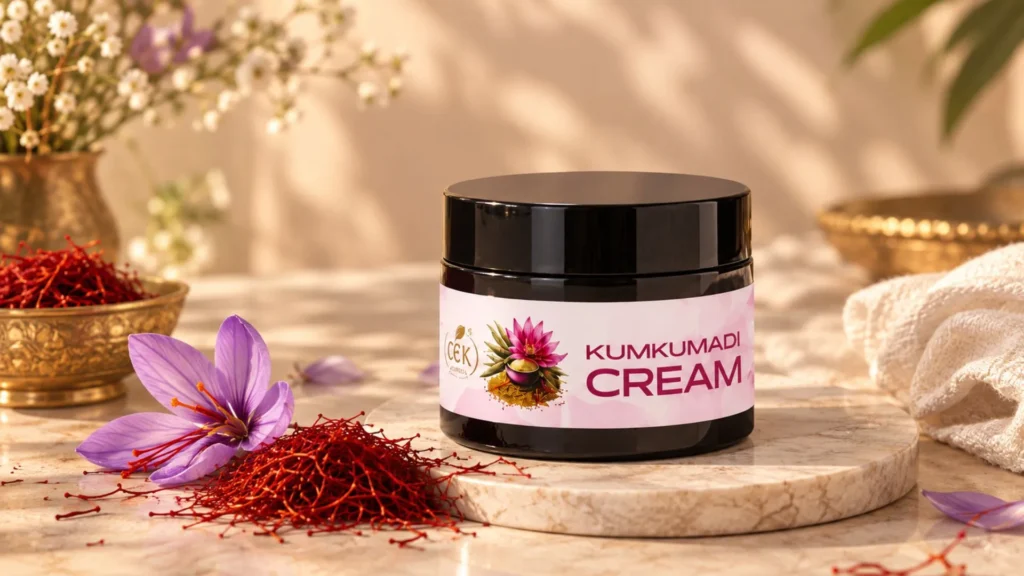
Oak Tree Naturals Natural Foot Cream
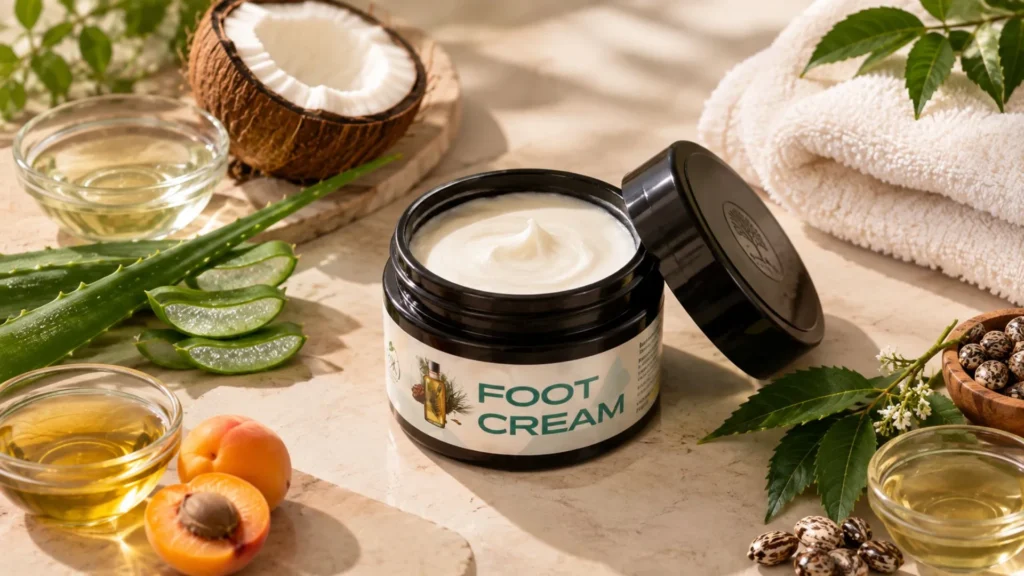
For readers looking to add a dedicated moisturizer to their foot-care routine, Oak Tree Naturals offers a natural foot cream as part of its skincare range.
Rather than choosing a foot-care product based only on marketing terms, check the product label, ingredient list, directions, and suitability for your individual skin needs.
A simple routine—cleaning the feet, drying them properly, applying an appropriate amount of foot cream, and staying consistent—can make foot care easier to maintain.
A Simple Foot-Care Routine
You do not need a complicated routine to care for dry feet.
Morning
- Clean your feet as part of your normal hygiene routine.
- Dry them properly.
- Apply foot cream if your skin needs additional moisture.
- Choose comfortable footwear that does not create unnecessary friction.
Night
- Wash and dry your feet.
- Apply natural foot cream to dry areas.
- Massage gently.
- Allow the product to absorb before sleeping.
Consistency is more useful than applying a large amount of product occasionally.
Final Takeaway
A natural foot cream can be a simple way to moisturize dry feet and maintain softer, more comfortable-looking skin. The most important factors are the product’s formulation, your skin’s needs, and consistent application.
Instead of looking only for the word “natural,” read the ingredient list and product instructions. Combine regular moisturization with sensible foot hygiene and comfortable footwear for a practical everyday routine.
FAQs
1. What is natural foot cream used for?
Natural foot cream is primarily used to moisturize and condition dry skin on the feet, particularly areas such as the heels and soles.
2. Can I use foot cream every day?
Many foot creams can be incorporated into a daily routine, but always follow the directions provided with the specific product.
3. When is the best time to apply foot cream?
Nighttime can be convenient because the cream can remain on the skin while you sleep without the friction associated with walking.
4. Can natural foot cream help with rough heels?
Regular moisturization may help improve the feel and appearance of dry, rough heels. Results depend on the condition of the skin and the product formulation.
5. Should foot cream be applied between the toes?
Generally, avoid unnecessary application between the toes unless the product instructions specifically recommend it, as this area can retain moisture.
6. Is natural skincare suitable for sensitive skin?
Not necessarily for everyone. Naturally derived ingredients can still cause sensitivity, so check the ingredient list and consider patch testing a new product.
7. What should I check before buying natural foot cream?
Check the full ingredient list, directions, product information, manufacturer details, and whether the formulation suits your skin needs.