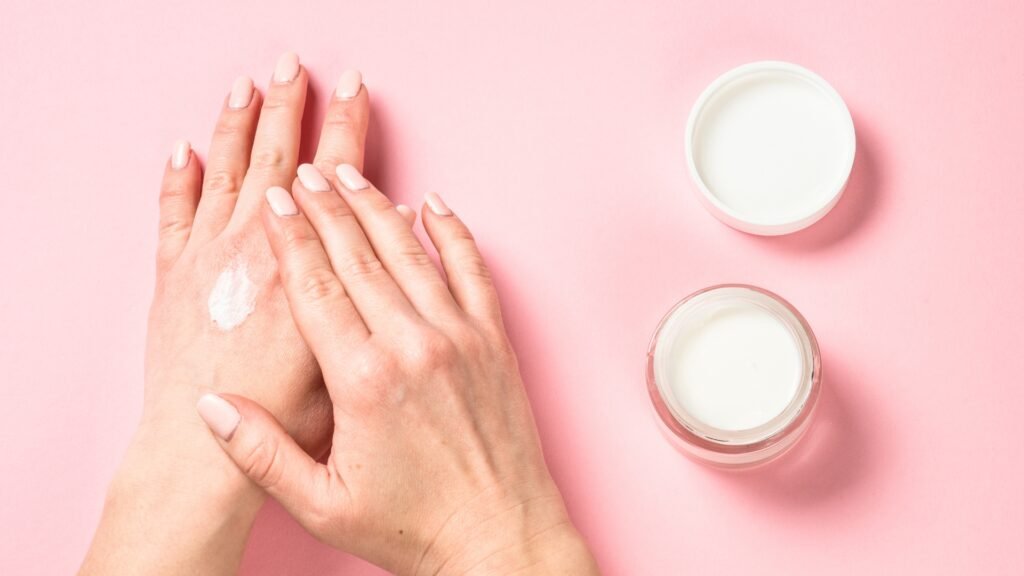
How to Apply Under-Eye Cream: Simple Tips for Better Results


The skin around the eyes is one of the most delicate areas of the face, which is why applying skincare products around this area requires a little more care than applying them to the cheeks or forehead. If you have recently added an under-eye cream to your routine, knowing how to apply under-eye cream correctly can help you use the product comfortably and avoid unnecessary rubbing or tugging.
An under-eye cream can be included in both morning and evening skincare routines, depending on the product’s instructions. The key is to use a small amount, apply it gently, and keep the product away from direct contact with the eyes.
Oak Tree Naturals offers an Under Eye Cream for people looking to include a dedicated eye-area product in their skincare routine. Before using any under-eye product, however, it is important to understand the correct application technique and what you can realistically expect from a cosmetic product.
Table of Contents
Why Does Under-Eye Cream Need Special Application?
The skin surrounding the eyes is relatively thin and delicate. This makes it more prone to dryness and irritation than some other areas of the face. Dermatologists also recommend being gentle when applying skincare around the eyes because excessive pulling or rubbing can irritate this sensitive area.
This does not mean that applying eye cream needs to be complicated. In fact, a simple technique is usually enough.
The goal is to distribute the product gently over the appropriate area without stretching the skin or getting the cream directly into the eyes.
How to Apply Under-Eye Cream Correctly
If you are wondering how to apply under-eye cream, follow these simple steps.
Step 1: Cleanse Your Face
Start with a clean face.
Use a gentle cleanser to remove dirt, excess oil, makeup, and other everyday impurities. Rinse thoroughly and gently pat your face dry with a clean towel.
Avoid rubbing the eye area aggressively while removing makeup or drying your face. The American Academy of Dermatology recommends gentle handling of the skin around the eyes.
Step 2: Wash Your Hands
Before applying any skincare product around your eyes, make sure your hands are clean.
This is a small step, but it is useful because your fingers will be close to the eyes during application.
Step 3: Take a Small Amount
You generally do not need a large quantity of under-eye cream.
Take the amount recommended by the product’s instructions. Using too much product can make application unnecessarily messy and may cause the cream to migrate closer to the eyes.
With eye-area skincare, more product does not automatically mean better results.
Step 4: Use Your Ring Finger
Your ring finger can be a useful choice for applying eye cream because it naturally encourages a lighter touch.
Place a small amount of cream on your ring finger and gently distribute it around the eye area. Dermatologists specifically recommend using the ring finger when applying products around the eyes because it helps reduce the amount of pulling on this delicate skin.
Step 5: Gently Pat, Don’t Rub
This is one of the most important parts of learning how to apply under-eye cream.
Instead of rubbing the cream vigorously, gently pat or tap it onto the skin.
You can begin near the inner under-eye area and work outward using light movements. Avoid stretching the skin or repeatedly dragging your finger across it.
The objective is to spread the product comfortably over the intended area.
Step 6: Avoid Direct Contact With the Eyes
Under-eye cream is designed for the skin around the eyes, not for application inside the eyes.
Keep the product away from the eyeball and avoid applying it directly along the wet inner rim of the eye unless the product specifically states that it is intended for that area.
If the product accidentally gets into your eyes and causes persistent irritation, rinse carefully and seek appropriate medical advice if symptoms continue.
Step 7: Allow It to Settle
Give the product a little time to settle before applying another product over it.
There is no need to continuously rub the area until the cream appears completely invisible. Gentle application is enough.
If you are following a multi-step routine, continue with the next appropriate skincare product according to its directions.
Where Does Under Eye Cream Fit Into a Skincare Routine?
Product order can make a skincare routine easier to follow.
A simple routine could look like:
Morning:
Cleanser → Under Eye Cream → Moisturizer → Sunscreen
Evening:
Cleanser → Under-eye Cream → Moisturizer
The exact order can vary depending on the formulation and the other products you use. The American Academy of Dermatology generally recommends cleansing first, followed by treatments, moisturizer and sunscreen.
If your under-eye cream has specific instructions from the manufacturer, follow those instructions.
How Much Under Eye Cream Should You Use?
One of the most common mistakes is applying too much.
The skin around the eyes only needs a small amount of product. Start with the quantity recommended on the product packaging and spread it gently over the intended area.
Using excessive amounts can make the product feel heavy and may increase the chance of it moving toward the eyes.
A consistent, gentle application is more useful than applying a large quantity occasionally.
When Should You Apply Under Eye Cream?
The best time to use an under-eye cream depends on the product’s instructions and your personal skincare routine.
Many people use eye-area products as part of their morning and evening routines. A morning application can be followed by sunscreen, while an evening application can be incorporated after cleansing.
If you are introducing a new product, beginning with one routine can make it easier to observe how your skin responds.
Consistency is also easier when you attach the product to an existing habit, such as applying skincare after washing your face at night.
Can You Apply Under Eye Cream Every Day?
Whether an under-eye cream should be used every day depends on its formulation and the manufacturer’s instructions.
If the product is intended for regular use, follow the recommended frequency. Do not increase the frequency simply because you want faster results.
This is especially relevant if an eye-area product contains active ingredients that may be irritating to some people.
If you notice persistent redness, burning, itching, swelling, or other irritation, stop using the product and consider speaking with a dermatologist.
Common Mistakes When Applying Under-Eye Cream
Knowing what not to do can be just as useful as knowing the correct technique.
Rubbing the Skin
Aggressive rubbing can irritate the delicate eye area. Use gentle tapping and spreading motions instead.
Applying Too Much
A larger amount does not guarantee better results. Use the quantity recommended by the manufacturer.
Applying Too Close to the Eye
Keep the product on the surrounding skin rather than placing it directly into the eye or too close to the inner eye area.
Using Too Many New Products at Once
Introducing several new skincare products simultaneously can make it difficult to identify which product is responsible if irritation develops.
Consider adding new products gradually.
Skipping the Product Directions
Different under-eye creams can have different formulations and recommended application methods. The packaging and manufacturer’s instructions should always take priority.
How to Choose an Under-Eye Cream
Learning how to apply under-eye cream is only one part of building an appropriate eye-care routine. Choosing a product that fits your needs is also important.
Before buying an under-eye cream, consider:
- The complete ingredient list
- The product’s intended purpose
- Your skin’s sensitivity
- Fragrance and other potentially irritating ingredients
- Directions for application
- Recommended frequency of use
- Manufacturer information
There is no universal under-eye product that works identically for everyone. Cleveland Clinic notes that different eye-cream ingredients are generally selected for different concerns, while emphasizing that product choice depends on the individual’s needs.
Oak Tree Naturals Under Eye Cream
For people looking to add a dedicated eye-area product to their skincare routine, Oak Tree Naturals Under Eye Cream can be incorporated as directed by the brand.
The most important consideration is to use the product according to its current packaging and instructions. Cosmetic formulations can vary, so consumers should check the current ingredient list and product directions rather than relying on older descriptions found online.
When applying the cream, the same basic principles remain useful: start with clean skin, use a small amount, apply it gently, and avoid direct contact with the eyes.
Should You Patch Test an Under-Eye Cream?
Patch testing can be a useful precaution when introducing a new skincare product, particularly if you have sensitive skin or have experienced reactions to cosmetics before.
The American Academy of Dermatology recommends testing new skincare products on small areas of skin before adding them fully to a routine. Their guidance notes that some cosmetic ingredients can trigger irritation or allergic contact dermatitis in susceptible people.
Because the eye area is particularly delicate, stop using a product if it causes persistent irritation.
If you develop significant swelling, severe irritation, eye pain, vision changes, or symptoms that do not settle, seek appropriate medical care rather than continuing to apply the product.
Under Eye Cream and Sunscreen
An under-eye cream should not be considered a replacement for sun protection.
Sun exposure contributes to skin damage, and dermatologists recommend incorporating sunscreen into daytime skincare.
When using skincare in the morning, follow your product directions and make sure the surrounding facial skin receives appropriate sun protection.
Take care around the eyes when applying sunscreen, and avoid getting sunscreen directly into the eyes.
What Can You Realistically Expect From Under Eye Cream?
It is easy to find skincare claims promising dramatic changes to the appearance of the eye area. A more realistic approach is to think of under-eye cream as one part of a consistent skincare routine.
Depending on its formulation, an eye cream may be designed to moisturize or condition the skin around the eyes and support a smoother, more comfortable appearance.
However, dark circles, puffiness, and lines around the eyes can have many different contributing factors. Genetics, aging, sleep, allergies, skin characteristics, sun exposure, and other factors can influence their appearance.
Therefore, an under-eye cream should not be treated as a guaranteed solution for every eye-area concern.
A Simple Under-Eye Cream Application Checklist
Before applying your product, remember:
✓ Clean your face
Start with clean skin.
✓ Wash your hands
Especially important when working around the eyes.
✓ Use a small amount
Follow the product’s recommended quantity.
✓ Use a gentle touch
The ring finger can help you apply less pressure.
✓ Pat rather than rub
Avoid pulling or stretching the skin.
✓ Keep it out of your eyes
Apply only to the surrounding skin unless the product specifically says otherwise.
✓ Follow the product directions
Different formulations may have different instructions.
✓ Stop if irritation develops
Do not continue using a product that consistently causes discomfort.
Final Thoughts
Knowing how to apply under-eye cream does not require a complicated technique. The most important principles are simple: start with clean skin, use a small amount, apply the product gently, and avoid direct contact with the eyes.
An under-eye cream can be a convenient addition to a basic skincare routine, but individual results depend on the product formulation and your skin.
Oak Tree Naturals Under Eye Cream can be included in a routine according to its current product directions. Before using any new cosmetic product, check the ingredient list, follow the recommended application method, and pay attention to how your skin responds.
Good skincare is not necessarily about using more products. A consistent routine, gentle application, appropriate sun protection, and realistic expectations can make your daily skincare routine easier to maintain.

FAQ: How to Apply Under-Eye Cream
1. How do you apply under-eye cream correctly?
Start with clean skin and hands. Take a small amount and gently pat it around the under-eye area using your ring finger. Avoid rubbing, pulling, and direct contact with the eyes.
2. Should I apply under-eye cream before or after moisturizer?
This depends on the product. A common routine is cleanser → under-eye cream → moisturizer, but always follow the manufacturer’s directions.
3. How much under-eye cream should I use?
Use the amount recommended on the product packaging. Under-eye products generally require only a small quantity.
4. Can I use under-eye cream every day?
If the product is designed for daily use, follow its recommended frequency. If irritation occurs, stop using it and seek professional advice when appropriate.
5. Can I apply under-eye cream directly on my eyelids?
Only if the product specifically indicates that it is suitable for the eyelid area. Otherwise, follow the recommended application area and avoid getting the product into your eyes.
6. Should I rub under-eye cream in?
No aggressive rubbing is necessary. Gently pat and spread the product using light movements to avoid unnecessarily pulling the delicate skin.
7. Can I use under-eye cream in the morning?
Yes, if the product instructions permit daytime use. Follow it with the rest of your morning skincare routine, including appropriate sun protection.
8. What should I do if under-eye cream irritates my skin?
Stop using the product if it causes persistent redness, burning, itching, swelling, or other irritation. If symptoms are significant or persistent, consult a qualified healthcare professional.