How to Choose the Right Body Lotion for Your Skin Type? Know the 7 Ways


A good body lotion can make everyday skincare feel much easier. It helps keep the skin moisturised, soft, and comfortable, especially after bathing or exposure to changing weather. However, not every lotion works equally well for everyone.
A lightweight formula that feels comfortable on oily skin may not provide enough moisture for someone with very dry skin. Similarly, a fragranced lotion that one person enjoys may irritate someone with sensitive skin.
So, how do you choose the right one?
The answer starts with understanding your skin and knowing what to look for before purchasing a product. Here are seven important things to consider when choosing a body lotion.
Table of Contents
1. Understand Your Skin Type Before Buying a Lotion
Before looking at ingredients or attractive packaging, identify how your skin behaves.
Dry skin: Feels tight, rough, flaky, or uncomfortable, particularly after bathing.
Oily skin: May feel greasy or look shiny, especially in warm and humid weather.
Combination skin: Has areas that feel dry and others that become oily.
Normal skin: Generally feels balanced without persistent dryness or excess oil.
Sensitive skin: May react to certain fragrances, preservatives, or botanical ingredients with redness, itching, or irritation.
Your skin can also change with age, weather, bathing habits, and environmental conditions. A lotion that feels comfortable in summer may not provide enough moisture during winter.
Understanding these differences helps you avoid choosing products simply because they are popular.
2. Choose a Texture That Matches Your Skin’s Needs
The texture of a body lotion can make a big difference to your everyday experience.
Here is a simple guide:
| Product texture | Generally suitable for |
| Lightweight gel | People who prefer a fresh, light feel |
| Lotion | Everyday moisturising and mild dryness |
| Cream | Dry skin that needs richer moisture |
| Ointment | Very dry or particularly rough areas |
If your skin feels slightly dry, a regular lotion may be enough. However, if it becomes flaky or uncomfortable, a richer cream may be a better option.
According to the American Academy of Dermatology, creams and ointments generally provide more effective moisture for very dry skin than lighter lotions.
The best texture is the one that provides sufficient moisture without making your skin feel uncomfortable.
3. Look for Ingredients That Actually Support Moisturisation
A product’s ingredient list can tell you more than its packaging claims.
When choosing a body lotion, look for ingredients that perform useful moisturising functions.
Glycerin: A humectant that attracts water to the outer layer of the skin.
Hyaluronic acid: Helps attract and retain moisture.
Ceramides: Lipids that support the skin’s natural protective barrier.
Shea butter: An emollient commonly used to soften dry skin.
Petrolatum: Helps form a protective layer that reduces water loss.
Suitable plant oils: Can help condition and soften the skin.
Not every lotion needs to contain all these ingredients. What matters is the complete formulation and whether it suits your skin.
Also, remember that a product labelled natural or herbal is not automatically irritation-free. Botanical ingredients can cause reactions in some people.
4. Choose Carefully If You Have Dry or Sensitive Skin
Dry and sensitive skin often needs extra attention.
If your skin frequently feels tight, itchy, or uncomfortable, consider choosing a fragrance-free moisturiser with a simple formulation.
Here are a few useful habits:
- Avoid very hot showers.
- Choose gentle cleansing products.
- Apply moisturiser shortly after bathing.
- Avoid excessive scrubbing and exfoliation.
- Check the ingredient list for substances that have irritated your skin before.
For sensitive skin, introduce new products one at a time. Patch-test according to the product instructions before applying them over a larger area.
If a lotion causes persistent redness, itching, burning, or swelling, discontinue use. Severe or recurring reactions should be assessed by a healthcare professional.
5. Consider Your Lifestyle and Daily Skin Concerns
Your skin’s needs are not determined by skin type alone. Your daily activities matter too.
For example, someone who spends several hours outdoors may have different skincare priorities from someone who works indoors.
Consider these situations:
If you spend time outdoors: Choose a comfortable moisturising routine and use broad-spectrum sunscreen on exposed skin.
If you exercise regularly: Cleanse gently after sweating and moisturise when needed.
If you frequently wash your hands: Apply a suitable moisturiser after washing.
If you experience seasonal dryness: Consider switching to a richer cream when your skin needs additional moisture.
If visible tanning or uneven-looking skin tone is a concern, look for products specifically marketed for that purpose, while maintaining sun protection.
6. Explore a Lotion That Matches Your Skincare Goals
Once you understand your skin type, you can look at products that fit your particular concerns.
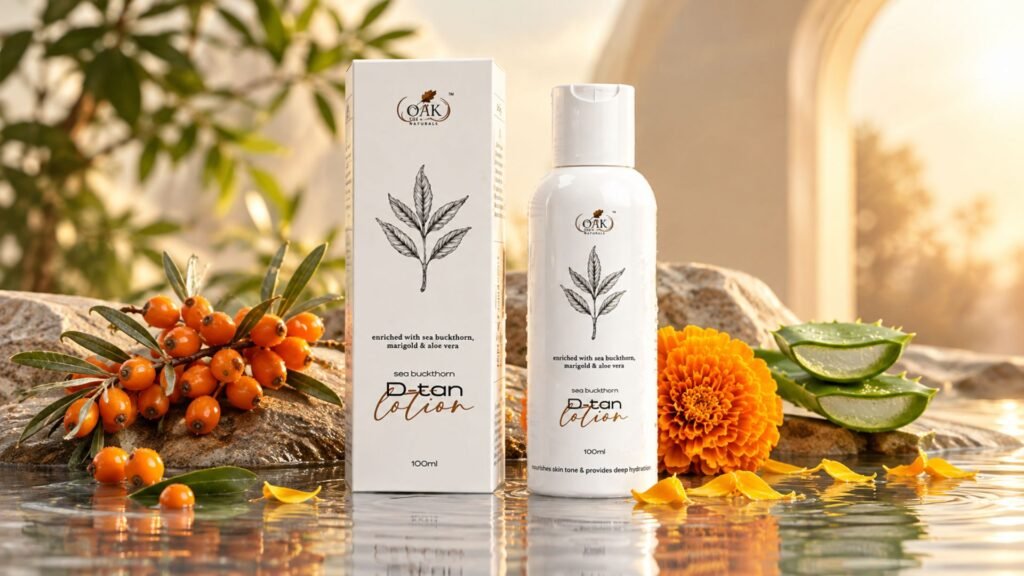
For people interested in lightweight skincare and caring for the appearance of tanning, Oak Tree Naturals offers Oak Tree D-Tan Lotion (100 ml).
According to the brand’s product description, it is a lightweight, fast-absorbing lotion designed to hydrate the skin and improve the appearance of tanning and uneven skin tone. The brand also describes it as suitable for all skin types.
What makes it worth exploring?
- Lightweight, fast-absorbing texture, according to the brand.
- Intended to provide hydration and nourishment.
- Designed for people concerned about the appearance of tanning and uneven tone.
- Can be incorporated into a regular skincare routine according to its directions.
You can explore Oak Tree Naturals D-Tan Lotion and review the product information before purchasing.
One important point: a D-Tan lotion should not be confused with a universal solution for dry skin or a substitute for sunscreen. If your main concern is severe dryness, choose a moisturiser with a suitable formulation for that need. If you specifically want a tan-care product, check the full ingredient list and follow the label instructions.
7. Apply Your Body Lotion at the Right Time
Even a suitable lotion should be used correctly.
One of the easiest ways to improve your moisturising routine is to apply lotion shortly after bathing, while your skin is still slightly damp.
Follow these simple steps:
Step 1: Take a lukewarm shower.
Avoid very hot water, which can contribute to dryness.
Step 2: Pat your skin dry.
Use a soft towel instead of rubbing your body aggressively.
Step 3: Apply your lotion.
Spread a suitable amount evenly over your arms, legs, and other intended areas.
Step 4: Pay attention to rough areas.
Elbows, knees, hands, and lower legs may need additional moisturising.
Step 5: Make it consistent.
Use your lotion regularly according to its instructions and whenever your skin needs additional moisture.
For daytime outdoor activities, apply a broad-spectrum sunscreen with SPF 30 or higher to exposed skin. A regular body lotion does not automatically provide UV protection.
Common Body Lotion Mistakes to Avoid
Choosing a good product is only part of the process. Avoid these common mistakes:
- Choosing only by fragrance: A pleasant smell does not guarantee that a lotion suits your skin.
- Using a very lightweight lotion for severe dryness: You may need a richer cream or ointment.
- Ignoring ingredients: Always check the label, particularly if you have sensitive skin.
- Applying lotion only in winter: Skin can need moisturising throughout the year.
- Expecting instant pigmentation results: Uneven skin tone has different causes and may require targeted care.
- Skipping sunscreen: Moisturiser is not a replacement for sun protection.
A simple routine with suitable products is generally easier to maintain than constantly changing your skincare products.
A Simple Daily Body-Care Routine
You do not need an elaborate routine to care for your body.
Morning:
- Take a comfortable shower or cleanse as needed.
- Apply a body lotion suited to your skin.
- Use broad-spectrum sunscreen on exposed skin.
Evening:
- Cleanse away sweat and daily buildup.
- Apply moisturiser to dry areas.
- Give extra attention to elbows, knees, hands, and feet.
If your skin is very dry, consider a richer cream or ointment instead of relying only on a lightweight lotion.
Frequently Asked Questions
1. How do I choose the right body lotion for my skin type?
Identify whether your skin is dry, oily, combination, normal, or sensitive. Then choose a texture and ingredient profile that meets its needs without causing irritation.
2. Which body lotion is best for dry skin?
Creams and ointments are generally more effective than lightweight lotions for very dry skin. Look for ingredients such as glycerin, ceramides, petrolatum, and shea butter.
3. Can oily skin use body lotion?
Yes. Oily skin can still need moisturising. Choose a lightweight formula that feels comfortable and does not leave an excessively greasy finish.
4. How often should I apply body lotion?
Many people benefit from applying moisturiser after bathing and whenever their skin feels dry. Follow the product instructions and adjust according to your skin’s needs.
5. Is body lotion enough to protect skin from the sun?
No. Unless a product is specifically formulated and labelled as a sunscreen, do not rely on it for UV protection. Use broad-spectrum SPF 30 or higher on exposed skin.
6. Can I use the same body lotion throughout the year?
Yes, if it continues to suit your skin. However, you may prefer a richer formula during colder months and a lighter texture in warmer weather.
7. Can sensitive skin use botanical body lotions?
Some people with sensitive skin tolerate botanical formulations, while others may react to certain plant extracts or fragrances. Check the ingredient list and patch-test before regular use.
Final Thoughts: Give Your Skin the Care It Deserves
Choosing the right body lotion is not about buying the most expensive product or following every skincare trend. It is about understanding your skin, selecting suitable ingredients, and finding a texture that feels comfortable.
Dry skin may need a richer cream, oily skin may prefer a lightweight formula, and sensitive skin benefits from careful ingredient selection.
If you are looking for a product focused on hydration and the appearance of tanning and uneven skin tone, explore Oak Tree Naturals D-Tan Lotion.
Remember, good body care starts with consistency. Choose products thoughtfully, moisturise regularly, protect your skin from the sun, and give your routine time to work.