How to Moisturize Your Face the Right Way: 9 Simple Steps for Soft, Healthy-Looking Skin

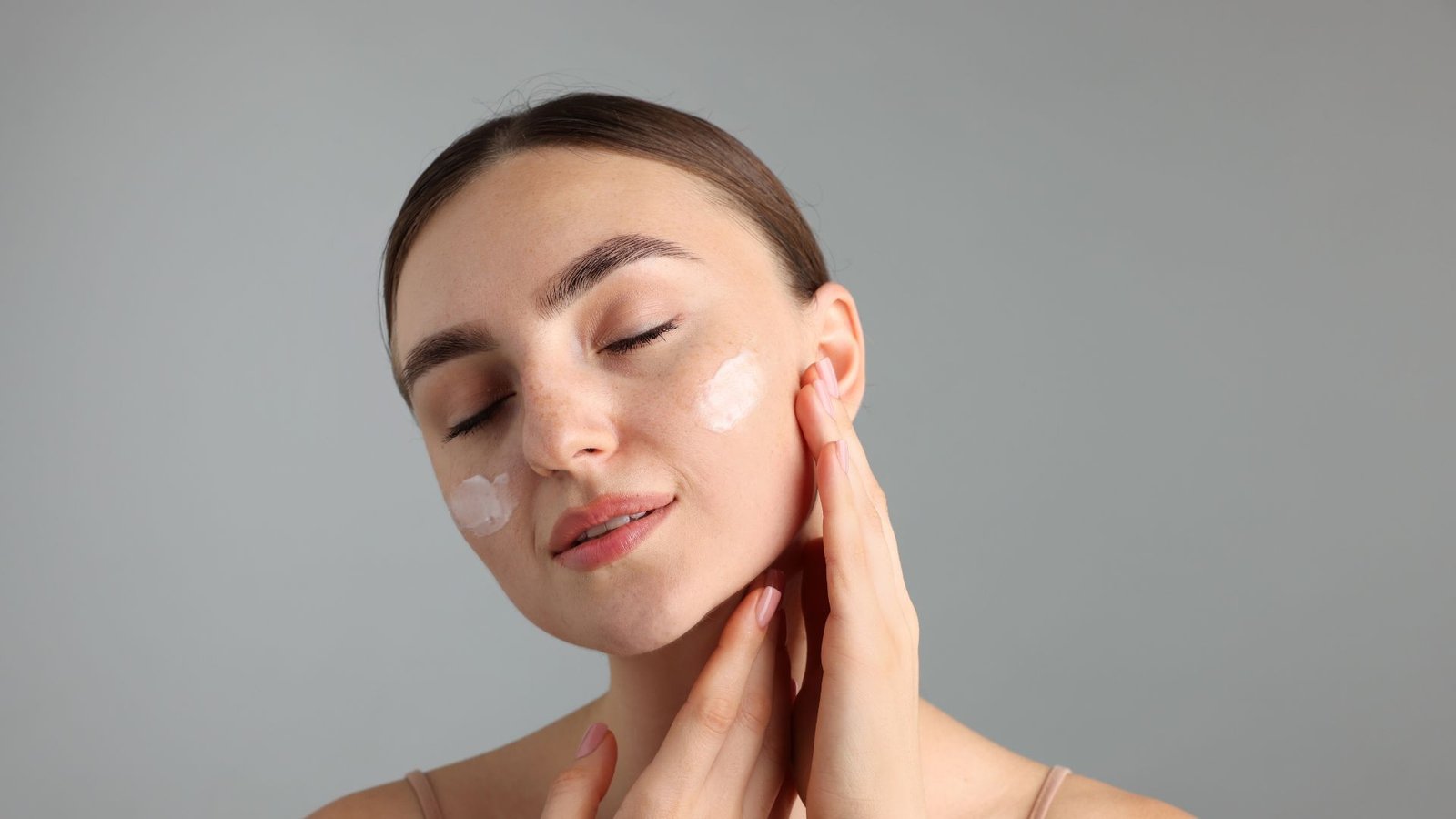
Have you ever applied moisturiser in the morning, only to find your face feeling dry or tight a few hours later? Or perhaps your skin looks shiny but still feels dehydrated. The problem may not be how often you moisturise, but how you do it.
Moisturising is one of the most important steps in a skincare routine. It helps maintain the skin barrier, reduces moisture loss and keeps your face feeling comfortable and soft. However, using the wrong product, applying it at the wrong time or skipping other essential skincare steps can affect the results.
The good news? You do not need an elaborate routine or dozens of products to moisturise your face properly.
In this guide, you will learn how to moisturise your face step by step, when to apply moisturiser, how to choose the right formula for your skin type and which common mistakes to avoid.
Table of Contents
Why Is Moisturising Your Face So Important?
Your skin has a natural protective barrier that helps retain moisture and protect it from external irritants. When this barrier becomes compromised, your skin may feel dry, rough, tight or uncomfortable.
A good moisturiser helps support this protective barrier by providing moisture and reducing water loss.
Here are some reasons to make facial moisturising a regular habit:
- Helps reduce dryness: Moisturisers help relieve dry, flaky and tight-feeling skin.
- Supports the skin barrier: Suitable moisturising products help maintain the skin’s protective outer layer.
- Improves skin texture: Hydrated skin generally feels softer and smoother.
- Makes fine lines less noticeable: Dryness can make fine lines appear more prominent. Moisturising can temporarily soften their appearance.
- Supports skin comfort: Regular moisturising can help reduce the uncomfortable feeling associated with dryness.
An important distinction: moisturisers improve hydration and skin comfort, but they do not permanently remove wrinkles or stop natural ageing.
How to Moisturize Your Face the Right Way: 9 Simple Steps
The best skincare routine is one that suits your skin and is easy to follow consistently. Here is how to get more out of your daily moisturising routine.
1. Start With a Gentle Face Cleanser
Before applying moisturiser, clean your face to remove accumulated dirt, sweat, sunscreen, makeup and excess oil.
Choose a gentle cleanser that suits your skin type. Avoid harsh products that leave your face feeling excessively tight or stripped after washing.
Use lukewarm water and cleanse gently with your fingertips. You do not need to scrub your face to make it clean.
If you wear makeup or water-resistant sunscreen, make sure you remove it properly before moving to the next step.
2. Do Not Completely Dry Your Face
Here is a simple tip that can make your moisturising routine more effective: apply moisturiser while your skin is still slightly damp.
After cleansing, gently pat your face with a clean, soft towel. Leave a little moisture on your skin rather than rubbing it completely dry.
Why does this matter?
Moisturisers help trap water in the skin and reduce moisture loss. Applying one shortly after washing can help retain some of the water already present on your skin.
This small change can be particularly useful if your face often feels tight after cleansing.
3. Choose a Moisturiser According to Your Skin Type
Not every moisturiser works the same way for everyone. Your skin type, level of dryness, climate and personal sensitivities should influence your choice.
Here is a simple guide:
For dry skin
Dry skin may benefit from richer creams or ointments that help reduce moisture loss. Look for ingredients such as glycerin, ceramides, shea butter or petrolatum.
For oily skin
Oily skin still needs moisturising. Choose a lightweight, preferably non-comedogenic formula that feels comfortable without leaving excessive residue.
For combination skin
If your forehead and nose become oily while your cheeks feel dry, consider a lightweight moisturiser overall and apply additional product to the drier areas when needed.
For sensitive skin
Look for simple formulations designed for sensitive skin. Fragrance-free products may be a better starting point, especially if you frequently experience irritation.
For normal skin
A comfortable lotion or cream that maintains hydration without feeling too heavy may be sufficient.
Remember, skin types can change with seasons, age and environmental conditions. Pay attention to how your skin responds rather than choosing products based only on labels.
4. Apply the Right Amount of Moisturiser
Using more product does not necessarily mean better hydration.
Start with a small amount and spread it evenly across your face. Add a little more if your skin still feels dry or if the product does not provide enough coverage.
Use clean fingertips and gentle upward or outward movements. Avoid pulling or rubbing the skin aggressively, particularly around the delicate eye area.
The ideal quantity depends on the product’s consistency, formulation and instructions.
5. Do Not Forget Your Neck
Your skincare routine should not stop at your jawline.
The neck is also exposed to sunlight, environmental conditions and everyday factors that can contribute to dryness and visible signs of ageing.
If your facial moisturiser is suitable for neck application, extend a small amount downwards using gentle movements.
Remember to apply sunscreen to your neck and other exposed areas during the day as well.
6. Follow the Correct Morning Skincare Order
Applying products in a sensible order helps you maintain a consistent routine.
A simple morning routine can look like this:
- Gentle face cleanser.
- Hydrating serum, if needed.
- Suitable moisturiser.
- Broad-spectrum sunscreen with SPF 30 or higher.
Sunscreen should be the final step of your morning skincare routine before makeup. Follow its application instructions and reapply as directed, particularly after sweating, swimming or prolonged outdoor exposure.
Moisturiser and sunscreen serve different purposes. A regular moisturiser does not replace sunscreen.
7. Moisturise Before Going to Bed
Your evening routine is another opportunity to support your skin’s hydration.
Start by removing makeup, sunscreen and accumulated impurities. Follow with your chosen skincare products and finish with a suitable moisturiser.
If your skin feels particularly dry, a richer cream may be more comfortable than a lightweight gel.
You do not need to use multiple moisturising products at once. Choose a routine that works for your skin and avoid introducing several new products simultaneously.
8. Adjust Your Routine According to the Weather
Your skin does not necessarily need the same moisturiser throughout the year.
During colder or drier weather, you may notice increased tightness, roughness or flaking. A richer cream may help provide additional moisture protection.
During hot and humid weather, some people prefer lighter gel-based or lotion-based formulations.
Air conditioning, frequent washing and prolonged sun exposure can also influence how your skin feels.
Instead of following a fixed routine throughout the year, adjust your products according to your skin’s changing needs.
9. Be Consistent Rather Than Constantly Switching Products
One of the most common skincare mistakes is changing products too frequently.
Trying a new moisturiser every few days makes it difficult to understand how your skin responds. It can also increase the chances of irritation, particularly if several new ingredients are introduced together.
Choose a suitable product, follow its directions and give your routine time to become a consistent habit.
If a product causes persistent burning, itching, redness or swelling, discontinue use. Seek professional advice if the reaction does not settle.
Which Ingredients Should You Look for in a Face Moisturiser?
Understanding a few common moisturising ingredients can make choosing products much easier.
| Ingredient | How it helps |
| Glycerin | Attracts and helps retain water in the outer skin layers |
| Hyaluronic acid | Helps bind water and improve skin hydration |
| Ceramides | Help support the skin’s natural protective barrier |
| Shea butter | Helps soften and condition dry skin |
| Petrolatum | Forms a protective layer that reduces water loss |
| Squalane | Helps soften and condition the skin |
| Urea | Helps hydrate skin and, at suitable concentrations, soften rough areas |
You do not need every ingredient in one product. The best formulation depends on your skin type, level of dryness and individual sensitivities.
Common Moisturising Mistakes You Should Avoid
Even a good moisturiser may not feel effective if your routine includes habits that contribute to dryness.
Watch out for these common mistakes:
Using very hot water: Hot water can strip away some of the skin’s natural oils. Choose lukewarm water instead.
Skipping moisturiser because you have oily skin: Oily skin can still become dehydrated or feel uncomfortable. Choose a lightweight formula rather than skipping moisturising altogether.
Applying products to excessively dry skin: Applying moisturiser shortly after cleansing, while the skin is slightly damp, can help trap water.
Using too many active ingredients: Combining several exfoliating or potentially irritating products may compromise skin comfort. Introduce active ingredients gradually.
Ignoring sunscreen: Moisturiser cannot protect your skin from UV damage unless it is also a properly formulated sunscreen with suitable protection.
Choosing products based only on marketing claims: Look at the ingredients, intended use and suitability for your skin rather than relying on promises of instant transformation.
Explore Everyday Skincare with Oak Tree Naturals
Choosing a suitable moisturising product is an important part of building a routine you can maintain.
If you enjoy botanical-inspired skincare, Oak Tree Naturals offers several products that may fit different skincare preferences.
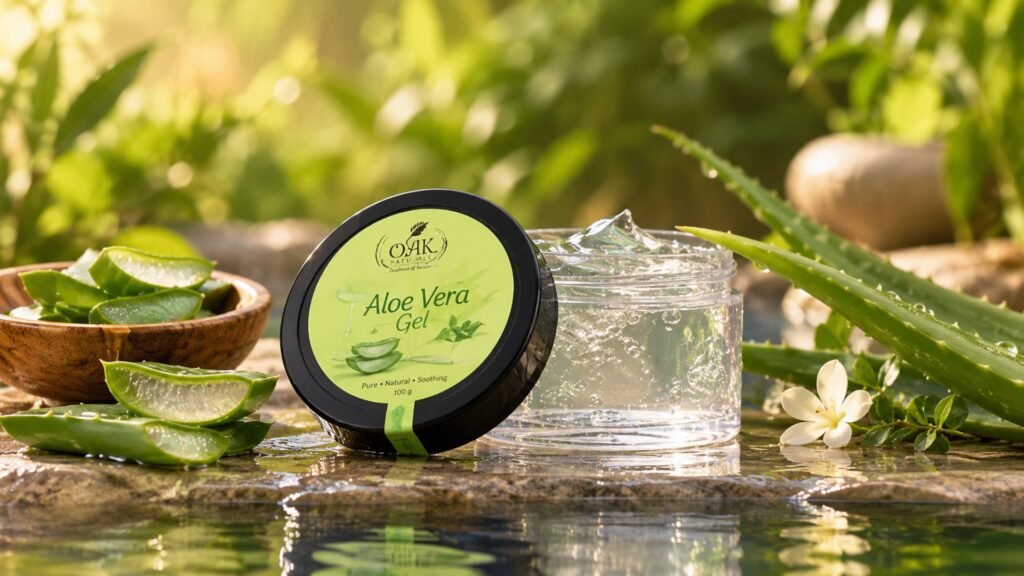
Oak Tree Aloe Vera Gel
If you prefer a lightweight product, Oak Tree Aloe Vera Gel (100 g) is worth exploring.
The brand describes it as an aloe vera-enriched gel with a lightweight, fast-absorbing and non-greasy texture. It is intended to hydrate and soothe dry, tired or irritated-looking skin and can be used on the face and body.
It may appeal to people who prefer a refreshing gel texture. However, if your skin is very dry, a gel alone may not provide enough moisture protection. You may need a richer cream as well.
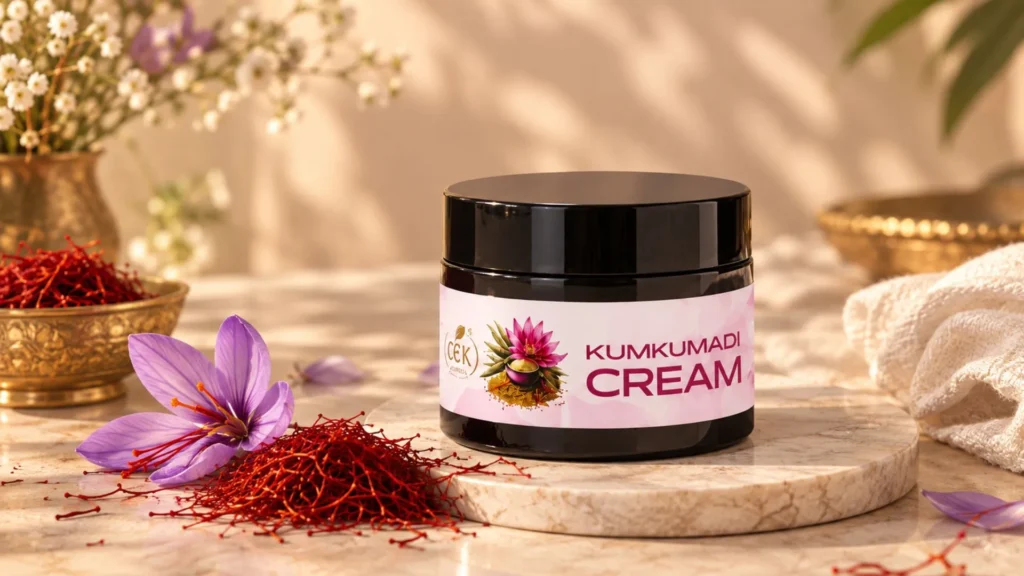
Oak Tree Kumkumadi Cream
Prefer a cream rather than a gel?
Oak Tree Kumkumadi Cream (50 g) is another option to consider.
According to Oak Tree Naturals, this lightweight cream is designed for daily use and is intended to nourish the skin while improving the appearance of dark spots and uneven skin tone. The brand describes it as suitable for all skin types.
If you prefer a cream-based product in your everyday facial routine, explore its formulation and directions to see whether it suits your needs.
A helpful tip: These products have different textures and purposes. Choose based on your skin’s hydration needs and personal preferences rather than assuming that one product will work equally well for everyone.
Frequently Asked Questions About Moisturising Your Face
1. How often should I moisturise my face?
Most people benefit from moisturising after cleansing in the morning and evening. You can also reapply when your skin feels dry or tight. The ideal frequency depends on your skin type and the product you use.
2. Should I moisturise my face when it is wet or dry?
Apply moisturiser to clean, slightly damp skin. Gently pat your face with a towel first rather than leaving it dripping wet. This helps the moisturiser retain existing moisture.
3. Can I moisturise my face if I have oily skin?
Yes. Oily skin still needs hydration. Choose a lightweight, non-comedogenic moisturiser that feels comfortable and does not leave your skin excessively greasy.
4. Is aloe vera gel enough to moisturise the face?
Aloe vera gel can provide lightweight hydration and a refreshing feel. However, it may not be sufficient for very dry skin. Depending on your needs, you may benefit from applying a suitable cream or moisturiser afterwards.
5. Should I apply moisturiser before or after sunscreen?
Apply your regular moisturiser first and sunscreen afterwards in the morning. Sunscreen should be the final step of your skincare routine before makeup.
6. Can moisturiser remove wrinkles?
No moisturiser can permanently remove wrinkles. However, hydration can temporarily make fine lines associated with dryness appear less noticeable. Some skincare ingredients have evidence for improving certain signs of ageing, but results depend on the formulation and individual.
7. Can I use the same moisturiser during summer and winter?
You can, provided it remains comfortable and suitable for your skin. However, some people prefer lighter formulations during hot, humid weather and richer creams during colder or drier months.
8. How do I know if my moisturiser is not suitable for my skin?
Persistent burning, itching, redness, swelling or worsening irritation may indicate that a product is not suitable for you. Stop using it and seek professional advice if symptoms persist.
Final Thoughts: Healthy, Hydrated Skin Starts with the Right Routine
Moisturising your face is not complicated, but doing it consistently and choosing suitable products can make a difference to how your skin feels.
Start with gentle cleansing, apply moisturiser while your skin is slightly damp, choose a formula suited to your skin type and remember daily sun protection.
You do not need to follow every skincare trend or buy dozens of products. A simple routine built around your skin’s actual needs is often easier to maintain.
Whether you prefer a lightweight aloe vera gel or a nourishing facial cream, explore products carefully, check their ingredients and give your skin the care it deserves.
Because good skincare is not about using more products. It is about using the right products in the right way.