10 Best Essential Oils for Wrinkles: Natural Options, Skin Benefits and What Really Works

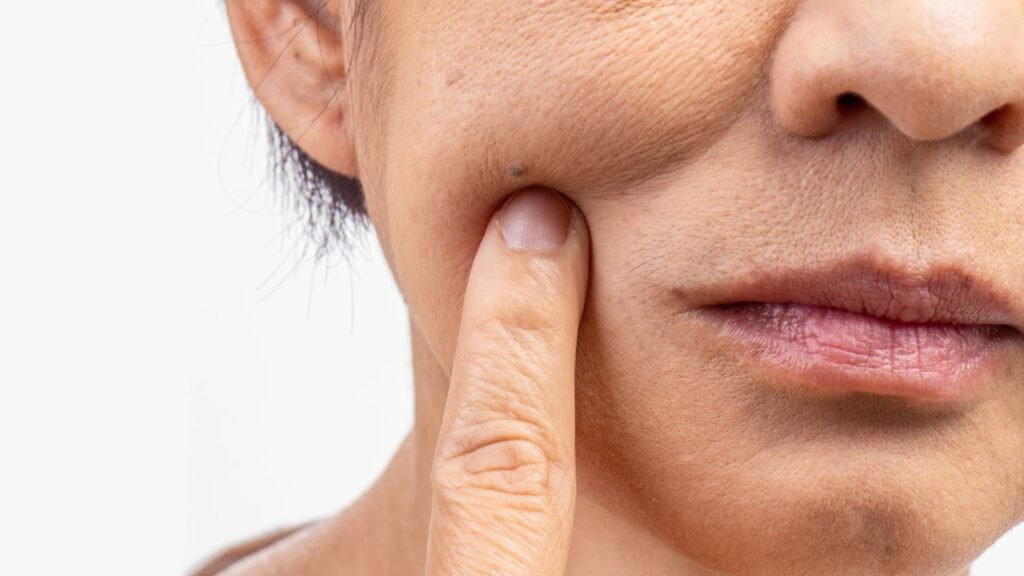
Have you started noticing fine lines around your eyes, forehead or mouth? Perhaps your skin does not look as smooth and firm as it once did. Wrinkles are a natural part of ageing, but factors such as sun exposure, dryness, smoking and environmental stress can make them appear earlier or more noticeable.
As people explore ways to maintain youthful-looking skin, essential oils have become popular in natural skincare routines. Lavender, rosemary, frankincense and rose are among the botanical oils frequently discussed for their skin-conditioning and antioxidant properties.
But can essential oils actually reduce wrinkles?
The honest answer is that some essential oils contain compounds being studied for their potential skin benefits, but strong clinical evidence that they can visibly reduce wrinkles in people is still limited. They should not be considered alternatives to proven skincare measures such as sunscreen and moisturising.
In this guide, we explore 10 oils commonly associated with mature-skin care, their potential properties, important safety precautions and practical ways to build a skin-friendly routine.
Table of Contents
Why Do Wrinkles Appear?
Wrinkles develop through a combination of natural ageing and external influences.
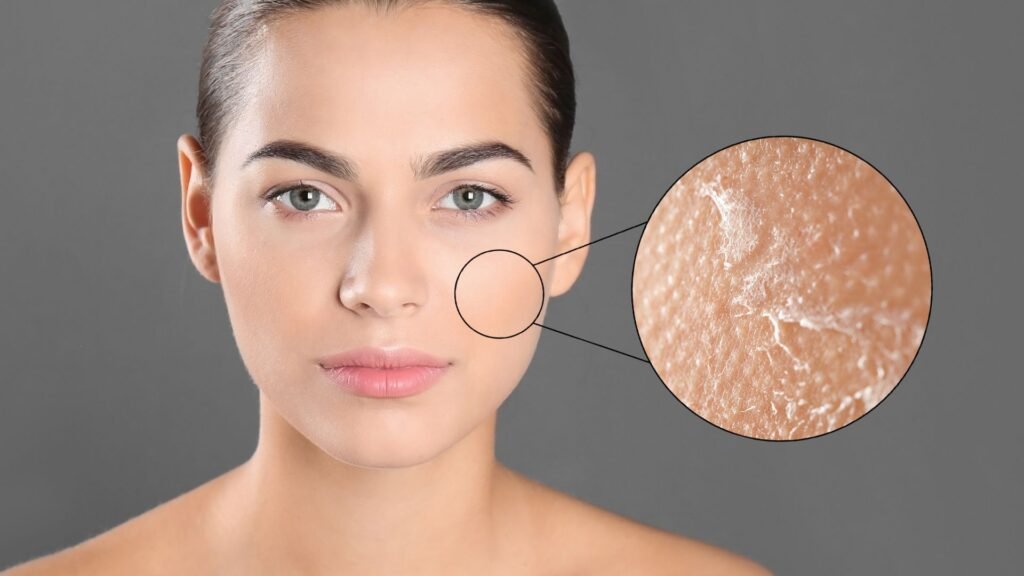
As skin ages, its production of collagen and elastin changes. These proteins help maintain the skin’s structure, firmness and elasticity. The skin may gradually become thinner, drier and less resilient, making lines and folds more noticeable.
Several factors can influence how quickly visible signs of ageing develop:
- Sun exposure: Ultraviolet (UV) radiation contributes to premature skin ageing, including wrinkles and uneven pigmentation.
- Natural ageing: Changes in collagen, elastin and skin structure occur over time.
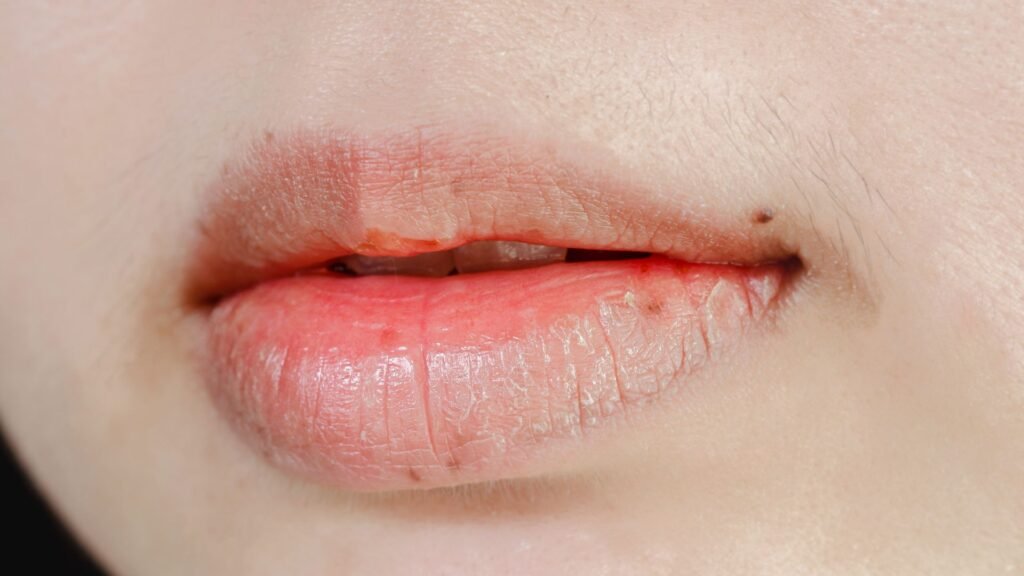
- Dryness: Dehydrated skin can make fine lines appear more noticeable.
- Smoking: Smoking contributes to premature skin ageing.
- Environmental exposure: Pollution and other environmental stressors may contribute to oxidative stress.
The good news is that a thoughtful skincare routine can help maintain hydration, protect the skin and improve its overall appearance.
10 Oils Commonly Used in Skincare for Mature-Looking Skin
Before exploring the list, it is important to understand the difference between essential oils and carrier oils.
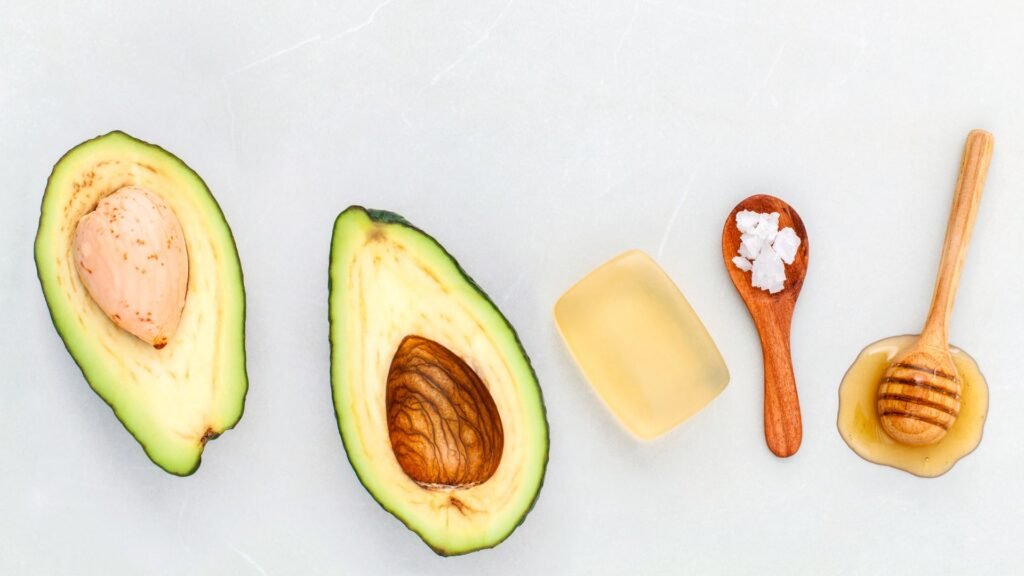
Essential oils are concentrated aromatic extracts obtained from plants. Carrier oils, such as rosehip and jojoba oil, are generally fixed plant oils used to moisturise skin or dilute essential oils.
They are not interchangeable, and neither category is a clinically proven wrinkle treatment.
1. Lavender Essential Oil
Lavender essential oil is widely used in aromatherapy and botanical skincare.
It contains naturally occurring compounds that have attracted scientific interest for their antioxidant and other biological properties. Some laboratory research has explored lavender’s potential effects on oxidative stress and inflammation.
However, these findings do not establish that applying lavender essential oil reduces facial wrinkles.
Why people explore it:
- It is popular in botanical skincare and aromatherapy.
- Its naturally occurring compounds are being studied for biological activity.
- It can be included in appropriately formulated cosmetic products.
How to approach it: Avoid applying concentrated lavender essential oil directly to your face. Choose a properly formulated product if you wish to explore it.
2. Rosemary Essential Oil
Rosemary is a familiar aromatic herb used in traditional practices and modern personal-care products.
Its essential oil contains compounds that have been studied for antioxidant and anti-inflammatory properties. A 2025 systematic review of essential oils in skincare discussed promising findings for rosemary in certain applications, including potential anti-ageing properties.
However, the research includes different types of studies and formulations. It does not prove that rosemary essential oil removes wrinkles or reverses skin ageing.
Why people explore it:
- It contains naturally occurring antioxidant compounds.
- It has attracted interest in cosmetic research.
- It is used in some botanical personal-care formulations.
How to approach it: Use only a product specifically formulated for facial application. Rosemary-based products intended for hair or general refreshing purposes should not automatically be treated as wrinkle-care products.
3. Frankincense Essential Oil
Frankincense essential oil is extracted from the resin of Boswellia trees and has a long history in traditional aromatic practices.
It is frequently included in skincare discussions because of its naturally occurring compounds and their potential biological properties.
Some research has investigated Boswellia extracts for skin-related applications. However, frankincense essential oil and Boswellia extracts are not necessarily the same preparation. Evidence for one cannot automatically establish the benefits of another.
Why people explore it:
- It has a long history in traditional aromatic practices.
- Its plant-derived compounds are of interest in cosmetic research.
- It is used in some botanical skincare formulations.
How to approach it: Look for a properly formulated cosmetic product and check the complete ingredient list. Do not assume that frankincense oil will visibly reduce fine lines.
4. Rose Essential Oil
Rose essential oil is valued for its floral aroma and its use in perfumery and skincare.
Rose-derived ingredients can have different compositions depending on how they are extracted. Rose essential oil should also be distinguished from rose water, rose extracts and rosehip carrier oil.
Some rose-derived compounds have antioxidant properties, but there is insufficient clinical evidence to establish rose essential oil as a wrinkle-reducing treatment.
Why people explore it:
- It is used in aromatic and cosmetic formulations.
- Rose-derived ingredients are popular in botanical skincare.
- It can add a pleasant aromatic element to a skincare product.
How to approach it: Choose a formulated product suitable for your skin. If you have fragrance sensitivity, be especially cautious.
5. Geranium Essential Oil
Geranium essential oil is obtained from aromatic geranium plants and is used in fragrance and cosmetic products.
It contains naturally occurring compounds that have been studied for their biological properties. Its potential antioxidant and skin-conditioning applications have attracted interest, although evidence for wrinkle reduction in humans remains insufficient.
Why people explore it:
- It is a familiar ingredient in botanical formulations.
- Its compounds have been investigated in laboratory research.
- It is sometimes used in products designed for mature-looking skin.
How to approach it: Do not use concentrated geranium oil directly on your face. A properly formulated cosmetic product is a more sensible option.
6. Neroli Essential Oil
Neroli essential oil is obtained from the blossoms of the bitter orange tree.
It is commonly used in perfumery and aromatherapy. Its pleasant fragrance and botanical composition have also made it popular in cosmetic formulations.
However, its popularity should not be confused with proven anti-wrinkle effectiveness.
Why people explore it:
- It is used in aromatic skincare products.
- It contains naturally occurring plant compounds.
- It is valued for its fragrance and cosmetic applications.
How to approach it: Choose a facial product with a clearly declared ingredient list. Even naturally derived fragrances can trigger irritation or allergic reactions in some individuals.
7. Sandalwood Essential Oil
Sandalwood has a long history in traditional beauty practices and aromatic preparations.
Sandalwood-derived ingredients are used in different cosmetic products, but the exact composition and properties depend on the preparation. Essential oil, sandalwood powder and sandalwood extracts should not be treated as identical ingredients.
Although sandalwood is often associated with traditional skincare, there is not enough high-quality human evidence to claim that its essential oil reduces wrinkles.
Why people explore it:
- It has a history of use in traditional beauty rituals.
- It is used in fragrance and cosmetic formulations.
- It is valued for its distinctive aromatic properties.
How to approach it: Avoid homemade concentrated mixtures. Choose a cosmetic formulation designed for facial use and check for potential fragrance sensitivity.
8. Chamomile Essential Oil
Chamomile is widely recognised for its traditional soothing applications.
Chamomile-derived ingredients are used in skincare products, and certain preparations have been investigated for their potential anti-inflammatory and skin-conditioning properties.
However, chamomile essential oil is not a proven wrinkle treatment. People with sensitivities to plants in the daisy family may also need extra caution.
Why people explore it:
- Chamomile-derived ingredients are used in cosmetic formulations.
- Certain preparations have been investigated for skin-related properties.
- It is associated with soothing skincare products.
How to approach it: Check the product’s ingredient list and avoid using it if you have a known sensitivity to chamomile or related plants.
9. Helichrysum Essential Oil
Helichrysum essential oil is obtained from flowering plants in the Helichrysum genus.
It is sometimes marketed in skincare products aimed at mature-looking skin. Its naturally occurring compounds have attracted interest in botanical research.
Nevertheless, the evidence that topical helichrysum essential oil improves wrinkles in humans is limited.
Why people explore it:
- It is used in selected botanical cosmetic formulations.
- Its chemical composition has attracted scientific interest.
- It is traditionally associated with natural skincare practices.
How to approach it: Do not rely on marketing claims alone. Check the complete formulation and look for credible human research before expecting a specific cosmetic result.
10. Rosehip Oil: A Useful Carrier Oil, Not an Essential Oil
Rosehip oil deserves a place in this list, although it is important to clarify that it is a carrier oil rather than an essential oil.
It is extracted from rosehip seeds and contains fatty acids that can help condition and moisturise the skin.
A suitable moisturising oil may help reduce dryness and make fine lines look less noticeable temporarily. However, this does not mean rosehip oil rebuilds collagen or removes established wrinkles.
Why people explore it:
- It contains skin-conditioning fatty acids.
- It can help soften dry-feeling skin.
- It is commonly included in facial oil formulations.
How to approach it: Choose a cosmetic-grade product and use it according to its directions. If you have acne-prone skin, check how the formulation feels on your skin before using it regularly.
Essential Oils vs Carrier Oils: What Is the Difference?
Understanding this distinction is important before choosing an oil for your face.
| Feature | Essential oils | Carrier oils |
| Source | Concentrated aromatic plant extracts | Generally obtained from seeds, nuts or other plant parts |
| Main characteristic | Highly concentrated and aromatic | Commonly used to condition and moisturise skin |
| Facial use | Requires appropriate formulation and safety precautions | Often used directly in cosmetic formulations |
| Examples | Lavender, rosemary, frankincense | Rosehip, jojoba, sweet almond |
| Wrinkle evidence | Limited for specific essential oils | Moisturising benefits may temporarily soften the appearance of fine lines |
Neither type should be expected to reverse natural skin ageing.
How to Use Oils Safely in a Skincare Routine
Essential oils are concentrated substances. Applying them directly to facial skin can cause irritation, allergic contact dermatitis or other unwanted reactions.
Follow these precautions:
1. Never apply undiluted essential oils directly to your face.
Use only products formulated for facial application. If you are considering a DIY mixture, seek advice from a qualified aromatherapy professional or dermatologist about the specific oil and appropriate dilution. There is no universal dilution that is safe for every essential oil and every person.
2. Always patch-test new products.
Apply a small amount of the finished product to a limited area according to the product’s instructions. Stop using it if you develop redness, itching, burning or swelling.
3. Be careful with citrus oils.
Certain expressed citrus essential oils can cause phototoxic reactions when applied to skin before sun exposure. The risk depends on the specific oil and how it is prepared.
4. Avoid irritated or damaged skin.
Do not apply essential oils to broken, inflamed or sunburned skin.
5. Keep essential oils away from your eyes and mouth.
Do not swallow essential oils or use them internally for skincare purposes.
6. Check with a professional when necessary.
If you are pregnant, breastfeeding, have eczema or a known fragrance allergy, or use prescription skincare treatments, ask an appropriate healthcare professional before trying topical essential oils.
What Actually Helps Reduce the Appearance of Wrinkles?
While botanical oils can be interesting ingredients in cosmetic formulations, some everyday skincare measures have stronger support for maintaining healthy-looking skin.
1. Wear Sunscreen Every Day
Sun exposure is one of the major contributors to premature skin ageing.
The American Academy of Dermatology recommends a broad-spectrum sunscreen with SPF 30 or higher. Regular sun protection helps protect against UV-related skin damage and premature wrinkles.
2. Moisturise Regularly
Moisturising helps trap water in the skin, making it feel softer and helping fine lines appear less noticeable.
Choose a moisturiser suited to your skin type and use it consistently.
3. Consider Evidence-Based Ingredients
Ingredients such as retinoids have more established evidence for improving certain signs of photoageing than most essential oils.
However, retinoids can cause irritation and are not suitable for everyone. Speak with a dermatologist before introducing them, particularly if you are pregnant or planning pregnancy.
4. Avoid Smoking
Smoking contributes to premature skin ageing. Avoiding tobacco is beneficial for overall health as well as skin health.
5. Maintain a Consistent Routine
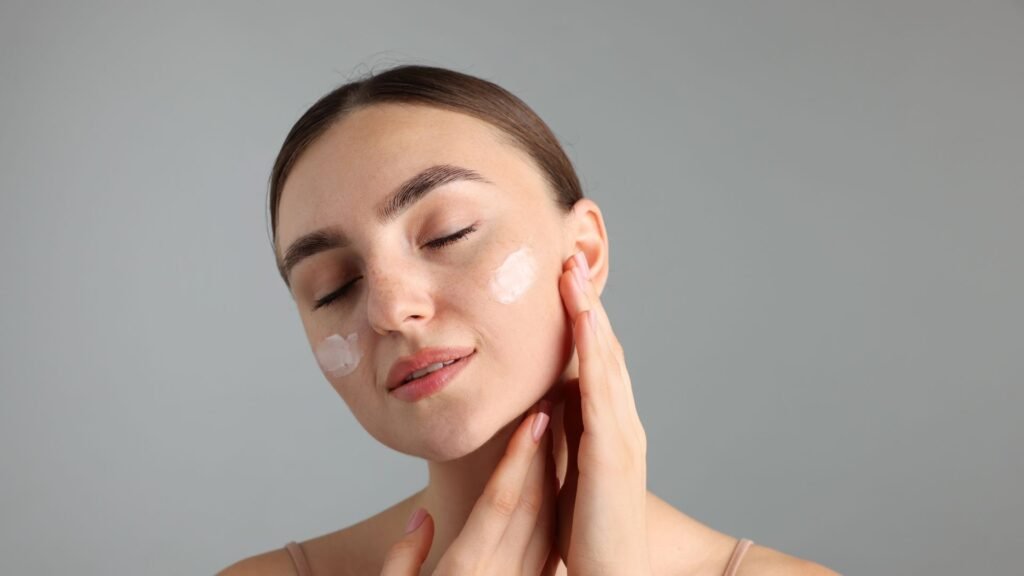
A simple routine that includes gentle cleansing, moisturising and sun protection is often more useful than repeatedly trying new products.
Explore Botanical Skincare from Oak Tree Naturals
If you enjoy incorporating plant-inspired products into your skincare routine, Oak Tree Naturals offers several options worth exploring.
These products are not essential oils or clinically proven wrinkle treatments. They can, however, be considered for their stated cosmetic purposes as part of a broader skincare routine.
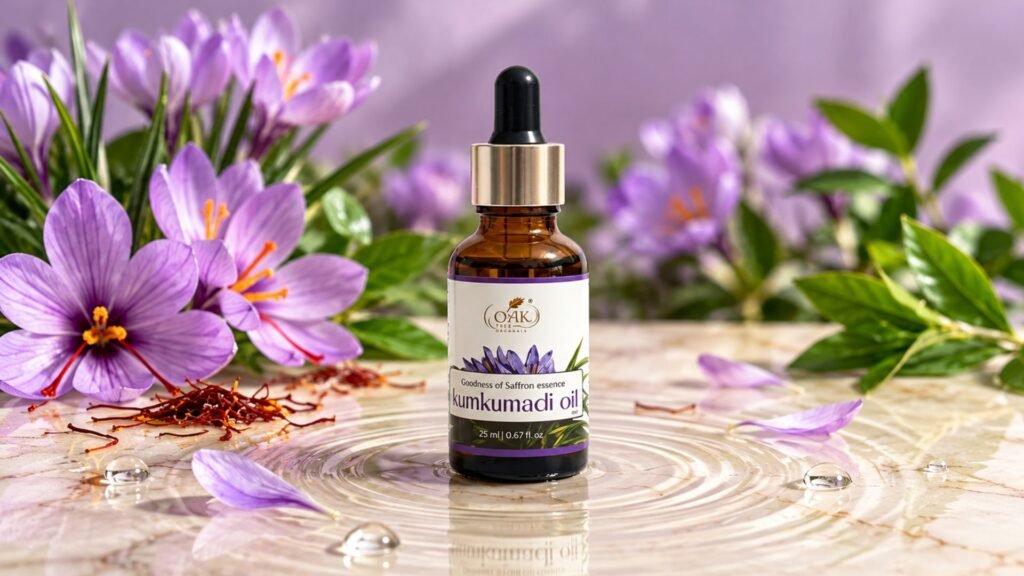
Oak Tree Kumkumadi Oil
Oak Tree Naturals’ Kumkumadi Oil (25 ml) is described by the brand as a nourishing facial oil enriched with saffron, sandalwood and herbal extracts.
According to the product description, it is intended to hydrate the skin and improve the appearance of dark spots and uneven skin tone.
If you enjoy oil-based skincare, explore its formulation and directions to decide whether it suits your preferences.
Oak Tree Kumkumadi Cream
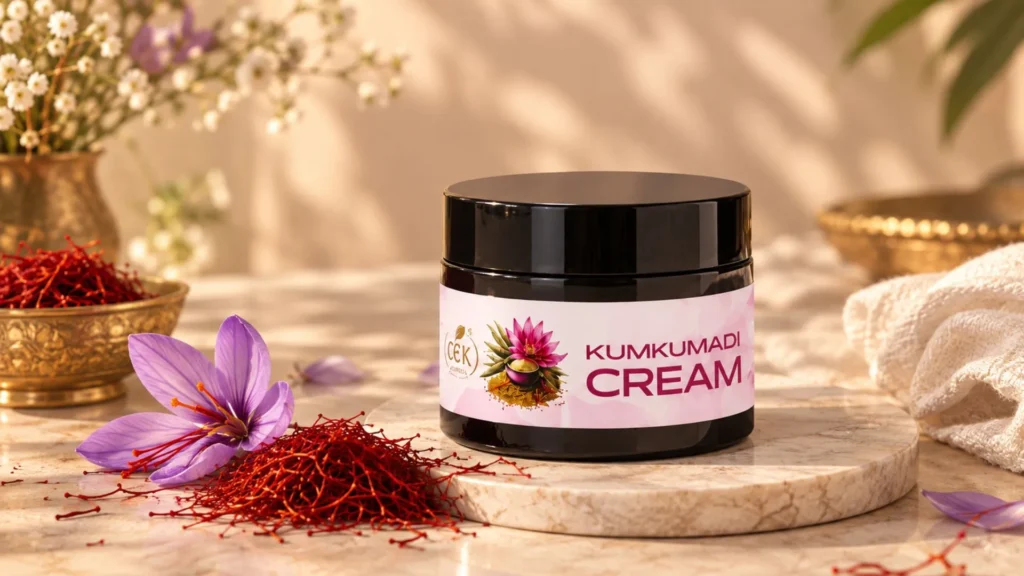
For those who prefer a cream texture, Oak Tree Kumkumadi Cream (50 g) is another option.
Oak Tree Naturals describes it as a lightweight cream intended to nourish the skin, improve the appearance of dark spots and support a soft, smooth and radiant-looking complexion.
It may be worth considering if you prefer a cream as part of your everyday facial care routine.
Oak Tree Saffron Face Serum
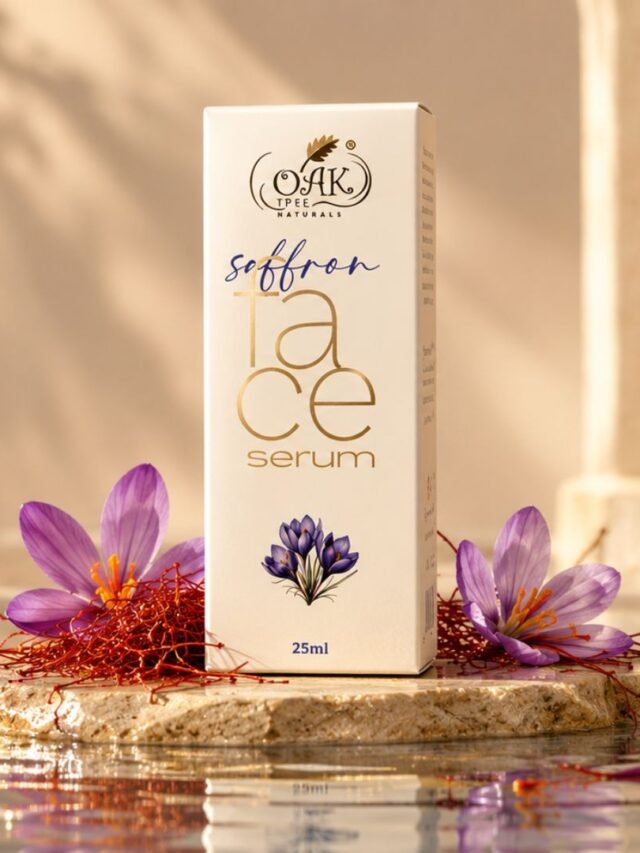
If you prefer a lightweight serum, explore Oak Tree Saffron Face Serum.
The brand describes this serum as a saffron-enriched product designed to hydrate the skin and improve the appearance of dullness, leaving the complexion looking soft, smooth and refreshed.
As with any skincare product, review the complete ingredient list and follow the directions on the packaging.
A helpful reminder: These products have different formulations and purposes. Choose according to your skin’s needs rather than expecting any one product to eliminate wrinkles.
Frequently Asked Questions
1. Which essential oil is best for wrinkles?
There is currently insufficient high-quality human evidence to identify one essential oil as the best treatment for wrinkles. Lavender, rosemary and frankincense are discussed in botanical skincare, but their wrinkle-reducing effects are not firmly established.
2. Can essential oils remove wrinkles permanently?
No. There is no reliable evidence that essential oils permanently remove wrinkles. Some properly formulated skincare products may improve hydration and temporarily soften the appearance of fine lines.
3. Can I apply essential oils directly to my face?
No. Concentrated essential oils can irritate skin or cause allergic reactions. Use only appropriately formulated facial products and follow their directions.
4. Is rosemary oil good for wrinkles?
Rosemary contains naturally occurring compounds that have been investigated for antioxidant and other biological properties. Some research has explored potential anti-ageing applications, but there is not enough clinical evidence to establish rosemary oil as a wrinkle treatment.
5. Is rosehip oil an essential oil?
No. Rosehip oil is a carrier oil obtained from rosehip seeds. It is commonly used in skincare because its fatty acids can help condition and moisturise the skin.
6. What is the best natural way to prevent premature wrinkles?
Daily broad-spectrum sunscreen with SPF 30 or higher, regular moisturising, avoiding smoking and limiting excessive sun exposure are practical ways to help protect against premature skin ageing.
7. Can I mix different essential oils for my face?
Mixing several essential oils can increase the risk of irritation and makes it harder to identify which ingredient caused a reaction. Avoid experimenting with concentrated homemade facial blends. Choose a properly formulated product instead.
Final Thoughts: Choose Skincare That Supports Your Skin, Not Just Popular Trends
Essential oils can be interesting additions to botanical skincare, and several contain compounds that researchers continue to investigate. However, it is important to separate traditional use and laboratory findings from proven results in people.
If your goal is to maintain smooth, healthy-looking skin, begin with the basics: daily sun protection, suitable moisturising, gentle cleansing and a consistent routine.
You can also explore botanical skincare options such as Oak Tree Naturals Kumkumadi Oil, Kumkumadi Cream and Saffron Face Serum, depending on your preferences and skin needs.
Remember, healthy-looking skin is not about finding one magical oil. It is about choosing suitable products, understanding their ingredients and caring for your skin consistently over time.