Dark, Tired-Looking Eyes? 8 Effective Ways to Care for Dark Circles and Under-Eye Puffiness

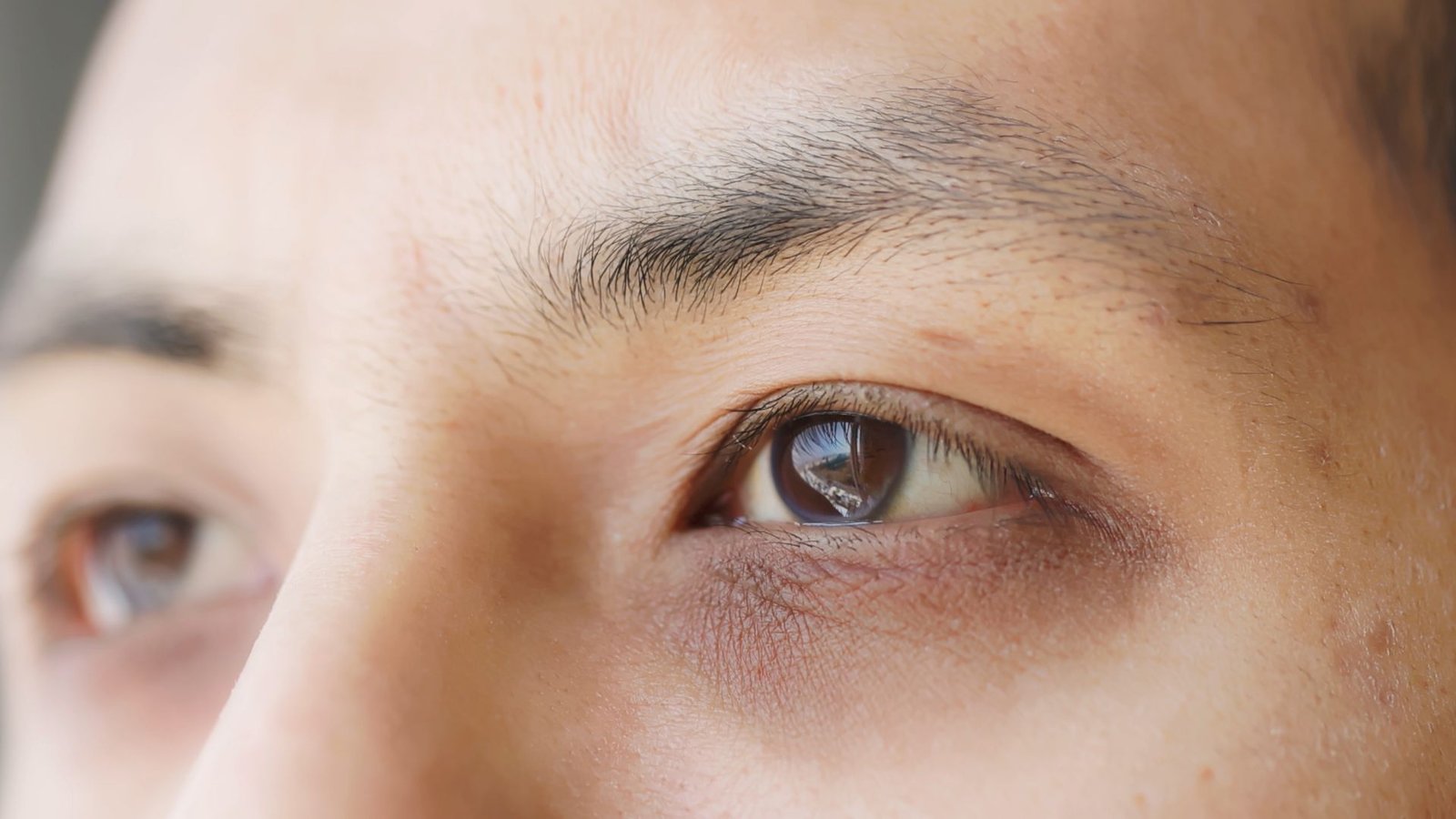
Have you ever looked in the mirror after a full night’s sleep and still noticed dark circles or puffiness beneath your eyes? You are not alone. Dark, tired-looking eyes are a common skincare concern, and they do not always mean you are getting too little rest.
The delicate skin around your eyes can be affected by several factors, including genetics, natural ageing, pigmentation, allergies, fluid retention and everyday habits. Sometimes, what looks like a dark circle is actually a shadow created by puffiness or the natural contours of the face.
While no skincare product can eliminate every type of dark circle, a thoughtful routine can help keep the under-eye area hydrated, comfortable and refreshed-looking.
The key is to understand what may be causing the concern before choosing a product.
In this guide, discover eight practical ways to care for dark circles and under-eye puffiness, how to apply under-eye cream correctly, and how Oak Tree Naturals Under Eye Cream can fit into your everyday skincare routine.
Table of Contents
What Causes Dark Circles and Under-Eye Puffiness?
Before trying to improve the appearance of tired-looking eyes, it helps to understand why they occur.
Dark circles and puffiness are related but different concerns. Dark circles involve a darker appearance beneath the eyes, while puffiness refers to swelling or bags around the lower eyelids. They can occur together, but they do not always have the same cause.
Here are some common contributors:
- Genetics: Some people naturally have more visible pigmentation or under-eye hollows.
- Lack of sleep: Poor sleep can make existing dark circles and shadows more noticeable.
- Natural ageing: Skin can become thinner over time, making underlying blood vessels more visible. Changes in facial fat and tissue can also create shadows or bags.
- Sun exposure: UV exposure can contribute to pigmentation changes around the eyes.
- Allergies: Allergic reactions may cause itching, swelling and repeated rubbing, which can irritate the delicate skin.
- Fluid retention: Temporary fluid accumulation can make the area look puffy, particularly after waking up.
- Skin irritation: Rubbing, scratching or reacting to skincare products can contribute to inflammation and changes in skin colour.
Understanding the cause is important because a moisturising eye cream may help with dryness and the appearance of the skin, but it cannot correct every underlying reason for dark circles.

8 Effective Ways to Care for Dark Circles and Under-Eye Puffiness
1. Prioritise Consistent, Quality Sleep
Late-night scrolling, irregular sleeping schedules and busy days can make it difficult to get enough rest. When you are tired, existing under-eye shadows may become more noticeable.
Although sleep cannot eliminate genetically influenced dark circles or pigmentation, maintaining a regular sleep schedule can support your overall well-being and help reduce the tired appearance associated with insufficient rest.
Try these simple habits:
- Aim for around seven to nine hours of sleep if you are an adult.
- Maintain a consistent bedtime and wake-up time.
- Reduce screen use before going to bed.
- Create a comfortable, relaxing sleeping environment.
A regular sleep routine is a useful starting point for caring for tired-looking eyes.
2. Use a Cool Compress for Temporary Puffiness
Do your eyes look particularly puffy when you wake up? Temporary swelling can occur when fluid collects around the lower eyelids.
A cool compress may help reduce the appearance of mild puffiness for a short time.
How to try it:
- Take a clean, soft washcloth.
- Wet it with cool water.
- Gently place it over your closed eyes.
- Leave it in place for a few minutes.
- Avoid pressing or rubbing the eye area.
Do not apply ice directly to the skin. The aim is gentle cooling, not extreme cold.
A cool compress may temporarily improve the appearance of swelling, but it will not remove persistent eye bags caused by natural ageing or facial structure.
3. Moisturise the Delicate Under-Eye Area
The skin around your eyes is delicate and can become dry, making its texture and fine lines more noticeable.
Regular moisturising can help maintain skin comfort and support a smoother-looking appearance.
When choosing an under-eye moisturiser, look for a formula designed for the eye area and check its ingredient list, directions and suitability for your skin.
Make it part of your routine:
- Cleanse your face gently.
- Apply a small amount of suitable under-eye cream.
- Spread or pat it gently, following the product instructions.
- Avoid getting the product directly into your eyes.
Moisturising will not necessarily remove dark circles caused by pigmentation, genetics or hollowness, but it can help address dryness around the eyes.
4. Protect Your Under-Eye Area from Sun Exposure
Sun exposure can contribute to pigmentation, including changes in the skin around the eyes. If your under-eye area is prone to pigmentation, daily sun protection is an important part of your routine.
Consider these habits:
- Use a broad-spectrum sunscreen of SPF 30 or higher.
- Choose a formula suitable for the face and eye-area application.
- Wear sunglasses that provide UV protection.
- Use a hat when spending extended periods outdoors.
- Avoid direct sun exposure during particularly intense sunlight when possible.
Take care when applying sunscreen near your eyes. Follow the product directions and avoid direct contact with the eyes.
Sun protection is not an overnight solution, but it can help prevent further UV-related skin damage and pigmentation.
5. Avoid Rubbing or Scratching Your Eyes
Do you rub your eyes when they feel tired or itchy? This seemingly harmless habit can irritate the delicate skin around them.
Repeated rubbing may contribute to inflammation and can worsen the appearance of pigmentation in some people.
Instead:
- Avoid rubbing your eyes with your hands.
- Remove eye makeup gently.
- Use a suitable makeup remover.
- Avoid harsh scrubs around the eye area.
- If your eyes frequently itch or water, consider whether allergies or irritation may be involved.
If itching is persistent, consult a healthcare professional rather than repeatedly rubbing the area.
6. Maintain Healthy Everyday Habits
Your skincare routine is only one part of caring for the under-eye area. Everyday habits can also influence how refreshed your skin looks.
Try to:
- Drink enough water throughout the day.
- Eat a balanced diet with a variety of fruits and vegetables.
- Maintain regular physical activity.
- Avoid smoking.
- Limit habits that interfere with quality sleep.
- Take breaks from prolonged screen use.
Staying hydrated supports normal skin function, but drinking extra water will not necessarily eliminate dark circles if their cause is genetic, structural or related to pigmentation.
The goal is to support overall health rather than expect one lifestyle change to solve every under-eye concern.
7. Choose an Under-Eye Cream That Suits Your Needs
Not all eye creams work in the same way. Some focus primarily on hydration, while others contain ingredients intended to address the appearance of fine lines, pigmentation or puffiness.
Before choosing a product, consider:
- Hydration: A suitable moisturiser can help reduce dryness and leave the skin feeling comfortable.
- Texture: A lightweight formula may feel more comfortable for everyday use.
- Skin compatibility: Check the ingredients if you have sensitive skin or a history of reactions.
- Product instructions: Use the cream only as directed and avoid applying it too close to the eyes.
- Realistic expectations: A cosmetic cream cannot guarantee the removal of every type of dark circle.
If you want to introduce a dedicated product into your routine, Oak Tree Naturals Under Eye Cream (50 g) is one option to explore.
8. Follow a Simple, Consistent Under-Eye Routine
You do not need an elaborate skincare routine to care for the delicate area around your eyes.
A few simple steps, followed consistently, can make everyday care easier.
Morning routine
- Cleanse your face with a gentle cleanser.
- Apply a small amount of under-eye cream according to its directions.
- Follow with your regular moisturiser if needed.
- Apply broad-spectrum sunscreen suitable for your face.
Night routine
- Remove makeup gently, if you wear it.
- Cleanse your face.
- Pat your skin dry.
- Apply under-eye cream as directed.
- Continue with the rest of your nighttime skincare routine.
Avoid introducing several new products at once. This makes it easier to identify which products suit your skin and which may cause irritation.
Oak Tree Naturals Under Eye Cream: A Simple Addition to Your Routine
If you are looking for a dedicated product to care for the delicate skin beneath your eyes, consider Oak Tree Naturals Under Eye Cream (50 g).
According to the brand’s product information, this lightweight, hydrating cream is designed to help reduce the appearance of dark circles and puffiness while supporting a smoother, refreshed-looking under-eye area. The brand also describes it as suitable for daily use and all skin types.
Why consider adding it to your routine?
- Targeted under-eye care: It is designed specifically for the delicate skin around the eyes.
- Hydrating formula: The brand positions it as a lightweight moisturising option.
- Dark-circle appearance: It is marketed to help improve the visible appearance of dark circles.
- Puffiness: The product is also positioned to help reduce the appearance of under-eye puffiness.
- Easy everyday use: It can be incorporated into a simple morning or evening routine, following the product directions.
The important distinction is that these are cosmetic product benefits, not a guarantee of medical treatment. Results may vary depending on your skin and the underlying cause of your concerns.
Explore Oak Tree Naturals Under Eye Cream (50 g) through the official Oak Tree Naturals website.
Before purchasing, review the current product packaging and ingredient list, particularly if you have sensitive skin or a history of reactions around your eyes.

How to Apply Under-Eye Cream Correctly
Using an under-eye cream gently is just as important as choosing a suitable product.
Follow these steps:
Step 1: Cleanse your face
Start with clean skin. Remove makeup and impurities using a gentle cleanser or suitable makeup remover.
Step 2: Take a small amount
Use the amount recommended on the product packaging. Applying more cream does not necessarily improve results.
Step 3: Apply gently
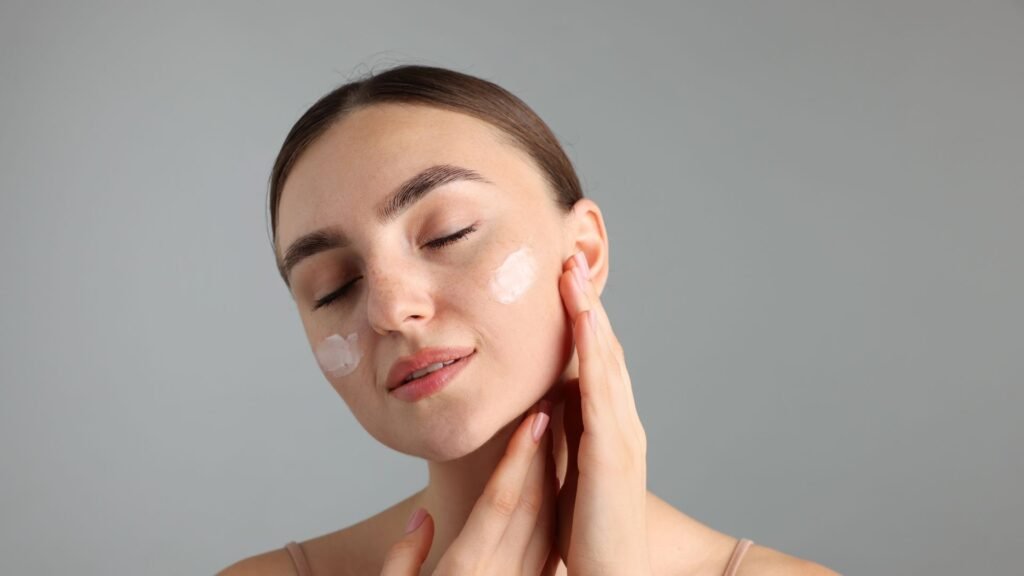
Use your ring finger to gently pat the cream around the under-eye area, following the product’s instructions. Avoid tugging or stretching the skin.
Step 4: Avoid direct eye contact
Keep the product out of your eyes and do not apply it directly to the eyelids unless the product instructions specifically allow this.
Step 5: Follow your regular skincare routine
Allow the cream to settle before applying other skincare products or makeup.
If you experience persistent redness, burning, swelling or irritation, stop using the product. Seek professional advice if the reaction does not settle.
When Should You Consult a Healthcare Professional?
Dark circles are usually a cosmetic concern, but not every change around the eyes should be treated with skincare alone.
Consider consulting a healthcare professional if:
- Swelling develops suddenly or affects only one eye.
- The area becomes painful, red or unusually warm.
- You experience persistent itching or irritation.
- Swelling is accompanied by vision changes.
- Darkening or puffiness develops alongside other unexplained symptoms.
- Your under-eye concern persists despite appropriate everyday care.
A dermatologist or eye-care professional can help identify whether the concern is related to pigmentation, allergies, skin conditions, natural ageing or another cause.
Frequently Asked Questions About Dark Circles and Under-Eye Puffiness
1. What is the main cause of dark circles under the eyes?
There is no single cause. Genetics, pigmentation, allergies, sun exposure, skin irritation, ageing and visible blood vessels can all contribute to dark circles. Sometimes, the darkness is actually a shadow created by puffiness or hollows beneath the eyes.
2. Can lack of sleep cause dark circles?
Insufficient sleep can make existing dark circles and shadows more noticeable. However, getting enough sleep may not eliminate circles caused by genetics, pigmentation or natural changes in facial structure.
3. How can I reduce under-eye puffiness naturally?
A cool compress may temporarily improve mild puffiness. Maintaining a consistent sleep routine and avoiding unnecessary rubbing may also help. Persistent or sudden swelling should be assessed by a healthcare professional.
4. Does under-eye cream remove dark circles permanently?
No cosmetic under-eye cream can guarantee permanent removal of dark circles. A suitable product may help hydrate the skin and improve its appearance, but results depend on the formulation and the underlying cause.
5. Is it safe to apply under-eye cream every day?
Many under-eye creams are designed for regular use. However, the correct frequency depends on the product formulation and your skin’s tolerance. Follow the manufacturer’s instructions and discontinue use if irritation develops.
6. Can sunscreen help prevent dark circles?
Sun protection can help reduce UV-related pigmentation and protect the delicate skin around the eyes from sun damage. Use a sunscreen suitable for facial application and follow its instructions carefully.
7. How long does it take to improve the appearance of dark circles?
The timeline varies. Hydration may improve skin comfort relatively quickly, while pigmentation and other causes may take longer to address. Some dark circles, particularly those related to genetics or facial structure, may not respond significantly to topical skincare.
8. Can both men and women use under-eye cream?
Yes. Under-eye care is not limited to one gender. Anyone who wants to moisturise the delicate skin around the eyes can consider a suitable product, provided it is compatible with their skin.
Final Thoughts: Give Your Eyes Gentle, Consistent Care
Dark circles and under-eye puffiness can have several causes, so the best approach starts with understanding your skin rather than relying on quick fixes.
Prioritise quality sleep, protect the delicate eye area from sun exposure, avoid unnecessary rubbing and maintain a consistent moisturising routine. If you want a dedicated product for this area, Oak Tree Naturals Under Eye Cream is an option to explore for everyday hydration and care.
Remember, healthy-looking skin is not about achieving a completely flawless appearance. It is about choosing suitable products, developing realistic habits and giving your skin the attention it deserves.
A little consistency can make your skincare routine feel more thoughtful, comfortable and complete.