Patchy Makeup and Flaky Skin? 7 Moisturising Mistakes That Could Be Ruining Your Makeup Finish

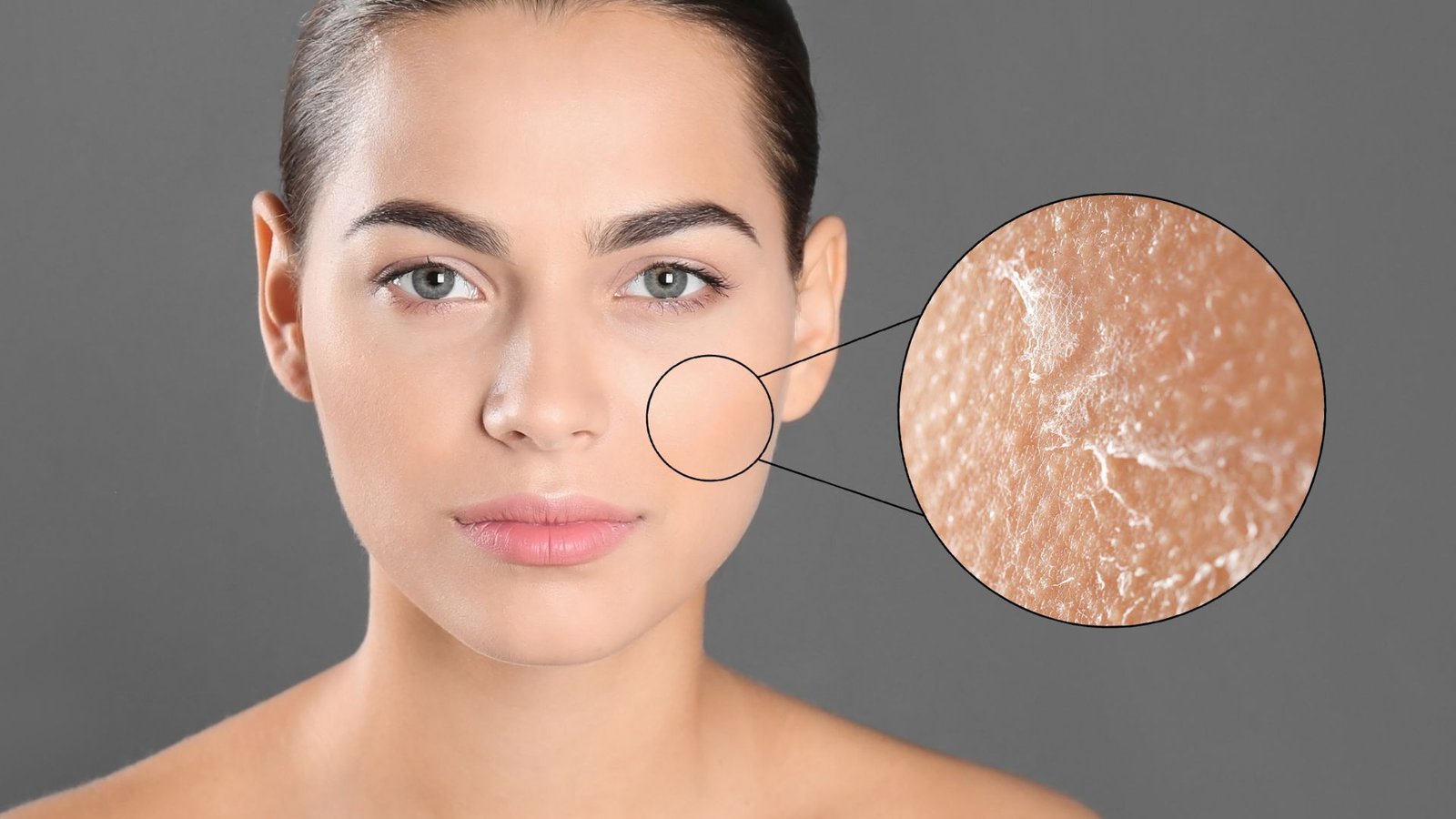
You spend time applying your foundation, blending your concealer and perfecting your makeup, only to notice dry patches around your nose, flaky cheeks or an uneven finish. Sound familiar?
If your makeup looks patchy even after moisturising, your foundation may not be the only problem. Your skincare preparation, the amount of moisturiser you apply, the products you layer and even the time you allow between steps can influence how your makeup sits on your skin.
A smooth-looking makeup base starts before you reach for your foundation. Your skin needs comfortable hydration, gentle preparation and products that work well together.
The good news? You do not necessarily need a complicated skincare routine or an entire collection of new products. Sometimes, correcting a few everyday moisturising mistakes can make your makeup preparation much easier.
In this guide, discover seven common mistakes that may contribute to patchy makeup, how to prepare your skin properly and how Oak Tree Naturals products can fit into a simple pre-makeup skincare routine.
Table of Contents
Why Does Makeup Look Patchy on Dry or Flaky Skin?
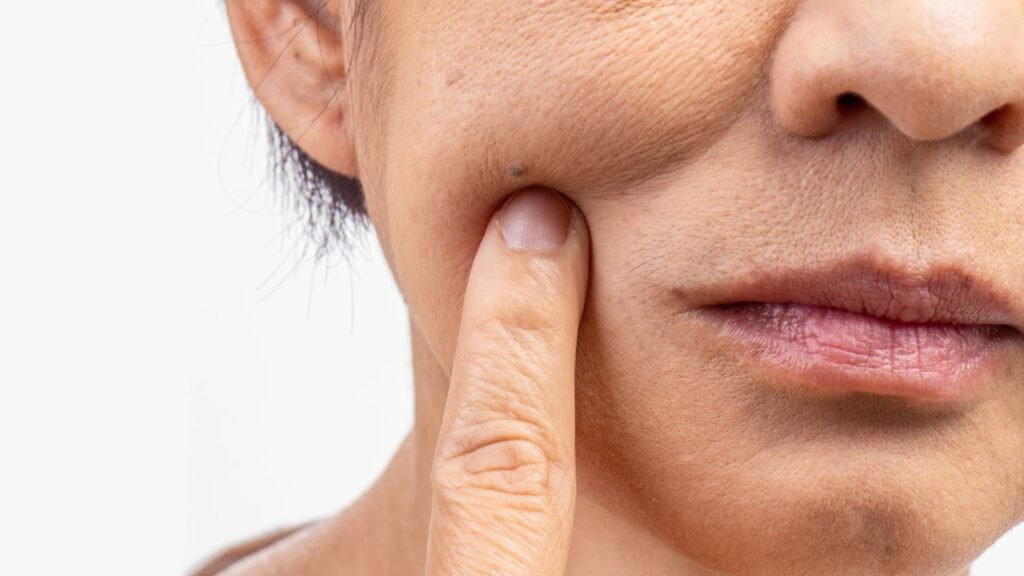
Makeup does not always sit evenly on the skin, particularly when the surface is dry, flaky or irritated.
Foundation may cling to rough patches, settle into visible texture or separate in certain areas. Sometimes, the issue is not dryness alone. Dehydration, excessive exfoliation, unsuitable skincare products and incompatible makeup formulas can also contribute.
It is useful to understand the difference:
- Dry skin: A skin type that generally produces less natural oil and may feel rough, tight or flaky.
- Dehydrated skin: Skin that lacks sufficient water and may look dull or feel tight. It can occur even in people with oily skin.
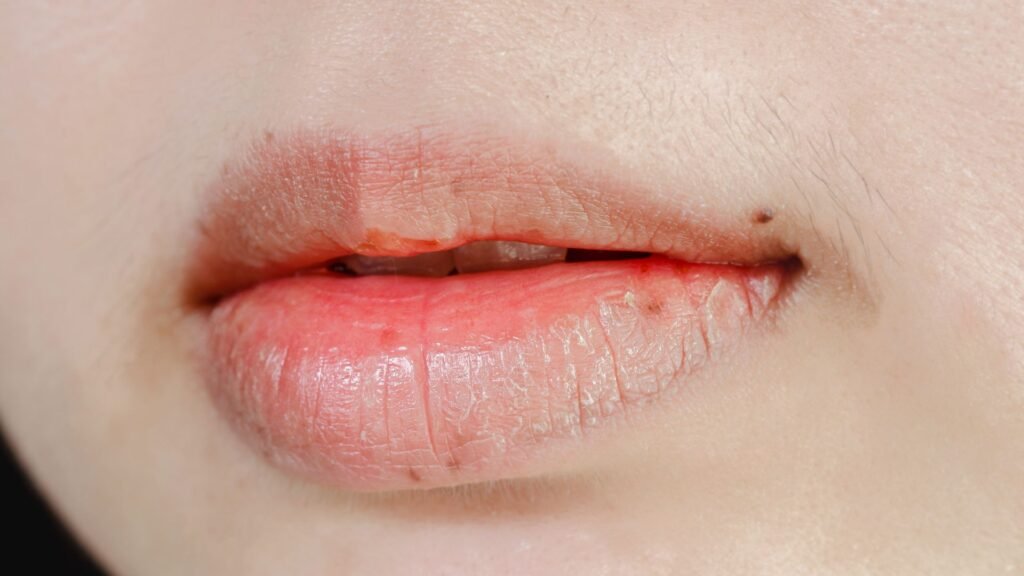
- Flaky skin: Skin with visible scaling or peeling, which may result from dryness, irritation or an underlying skin condition.
- Makeup pilling: When skincare or makeup products form small rolls or flakes as they are layered or rubbed together.
Identifying what you are experiencing can help you make better skincare and makeup choices.
7 Moisturising Mistakes That Could Be Ruining Your Makeup Finish
1. Applying Too Little Moisturiser Before Makeup
One common mistake is skipping moisturiser because you are worried that foundation will look greasy.
However, if your skin is dry, skipping moisturiser may leave rough patches more noticeable. Foundation can then settle unevenly instead of creating the finish you want.
What to do instead:
- Choose a moisturiser that suits your skin type.
- Apply an appropriate amount to clean skin.
- Pay attention to areas that tend to become dry, such as the cheeks and around the nose.
- Allow the product to settle before applying makeup.
If your skin is oily, you do not necessarily need a thick cream. A lightweight moisturising formula may feel more comfortable.
The aim is to moisturise appropriately, not to leave your face feeling slippery.
2. Applying Too Much Moisturiser at Once
More moisturiser does not automatically mean better hydration.
Applying a thick layer immediately before foundation can leave the skin feeling greasy or slippery. When you add primer and foundation over products that have not settled, the layers may move around or pill.
What to do instead:
Start with a modest amount and spread it evenly. If your skin still feels dry, adjust your routine gradually rather than applying several thick layers at once.
Remember that different areas of your face may need different amounts. Your cheeks may feel dry while your forehead and nose become oily more quickly.
3. Using a Harsh Cleanser Before Applying Makeup
Your makeup preparation begins with cleansing.
If your face feels tight, uncomfortable or unusually dry immediately after washing, your cleanser or cleansing routine may be too harsh for your skin.
Frequent washing, very hot water and aggressive rubbing can contribute to dryness and irritation. Applying foundation over uncomfortable skin may make flaky areas more noticeable.
What to do instead:
- Choose a gentle cleanser that suits your skin.
- Use lukewarm water rather than very hot water.
- Cleanse with your fingertips.
- Avoid scrubbing your face.
- Pat your skin dry with a soft towel.
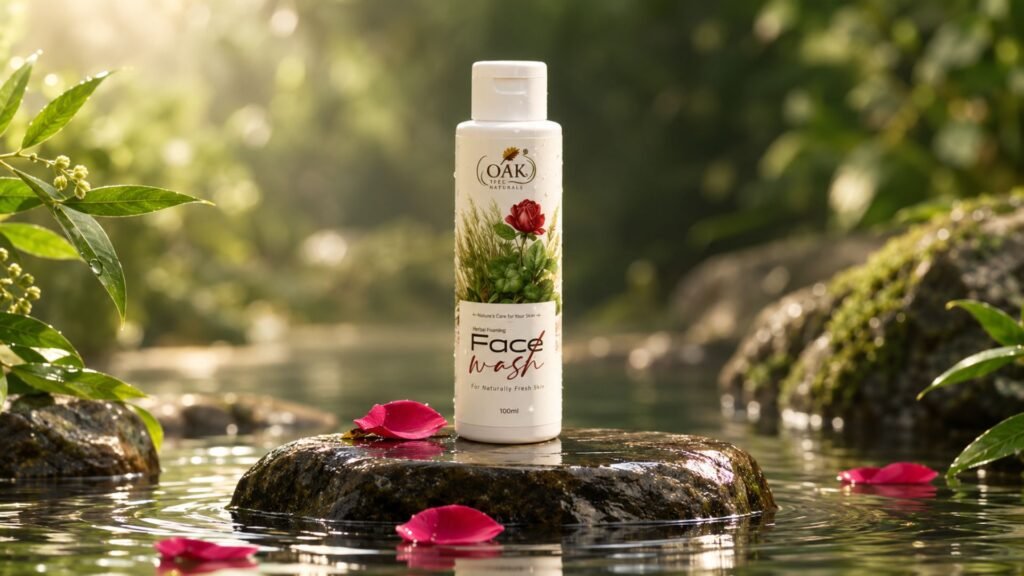
For those who prefer a botanical-inspired cleanser, Oak Tree Naturals Rose Gold Face Wash is described by the brand as helping remove dirt, oil and makeup while maintaining skin moisture.
Explore the Oak Tree Naturals Rose Gold Face Wash.
Use a suitable makeup remover when needed, especially for long-wear or waterproof makeup. A face wash alone may not remove every type of cosmetic product.
4. Over-Exfoliating to Remove Flaky Skin
When foundation catches on flaky patches, your first instinct may be to scrub your face until it feels smooth.
But aggressive exfoliation can make the situation worse.
Scrubbing too frequently or using several exfoliating products together may irritate the skin and contribute to redness, dryness and a compromised skin barrier.
What to do instead:
- Avoid harsh scrubs and excessive exfoliation.
- Do not peel or pick at loose skin.
- If your skin is comfortable and not irritated, use an appropriate exfoliating product according to its directions.
- Reduce exfoliation if you notice burning, redness or increased flaking.
If your skin is actively peeling, sore or irritated, pause exfoliation and simplify your routine. Persistent flaking may be related to eczema, dermatitis or another skin condition, so consider consulting a dermatologist.
The goal is to maintain comfortable skin, not to scrub away every visible texture before makeup.
5. Not Giving Your Skincare Enough Time to Settle
Have you ever applied moisturiser, immediately followed it with primer and then noticed that your makeup starts rolling or separating?
The issue may be the way you are layering your products.
When several skincare and makeup products are applied too quickly, they may not settle evenly. Rubbing repeatedly over these layers can also contribute to pilling.
What to do instead:
Give each layer a little time to settle before applying the next one.
A practical order is:
- Gentle cleanser.
- Optional hydrating serum or gel.
- Moisturiser.
- Sunscreen during the daytime.
- Primer, if you use one.
- Foundation and the rest of your makeup.
There is no universal waiting time that works for every product. Follow the instructions and allow your skin to feel comfortable rather than wet or excessively slippery before continuing.
6. Choosing Products That Do Not Work Well Together
Sometimes your skincare routine is suitable, and your foundation is perfectly fine, but the combination does not perform well.
Different formulations can behave differently when layered. Some combinations may pill, separate or feel too heavy on the skin.
This does not mean that every water-based product must be paired with another water-based product or that every silicone-based product is incompatible with water-based skincare. Product performance depends on the complete formulation and how the products are applied.
What to do instead:
- Introduce one new product at a time.
- Avoid applying too many layers.
- Check whether your foundation works comfortably with your moisturiser and primer.
- Apply products in thin, even layers.
- Test your full routine before an important event.
If your foundation repeatedly separates after a particular product, try changing one step at a time. This makes it easier to identify the combination causing the problem.
7. Using the Same Moisturiser Regardless of Your Skin’s Needs
A moisturiser that feels comfortable on one person’s skin may feel too heavy or too light on someone else’s.
For example, dry skin may benefit from a richer cream, while oily skin may feel more comfortable with a lightweight texture.
Using a formula that does not suit your skin can make makeup preparation less comfortable.
What to do instead:
Choose your moisturiser according to your skin’s needs.
| Skin type or concern | What to consider |
| Dry skin | A richer cream that helps maintain moisture |
| Oily skin | A lightweight moisturiser that feels comfortable |
| Combination skin | Adjust the amount and texture according to different areas |
| Sensitive skin | A simple formula that your skin tolerates |
| Dehydrated skin | A hydrating product followed by a suitable moisturiser |
If you have sensitive skin, check the complete ingredient list and patch-test new products. Natural or botanical ingredients are not automatically irritation-free.
How to Prepare Your Skin for Makeup: A Simple Routine
You do not need to apply multiple serums, creams and primers to prepare your face for foundation.
A simple routine can be enough.
Morning Skincare Before Makeup
Step 1: Cleanse gently
Use a suitable face wash to remove overnight oil and impurities. Avoid harsh cleansing that leaves your skin feeling tight.
Step 2: Add hydration if needed
If your skin feels dry or uncomfortable, you can use a suitable hydrating gel or serum.
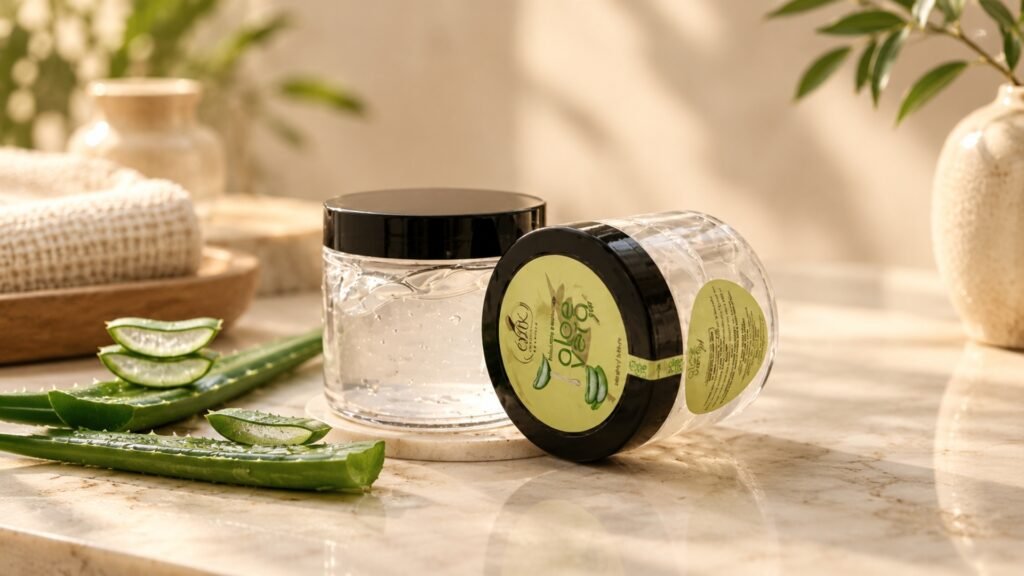
Oak Tree Naturals Aloe Vera Gel is described by the brand as a lightweight, fast-absorbing product that helps hydrate and soothe dry, tired or irritated-looking skin.
It may be an option for those who prefer a lighter hydration step.
Discover Oak Tree Naturals Aloe Vera Gel.
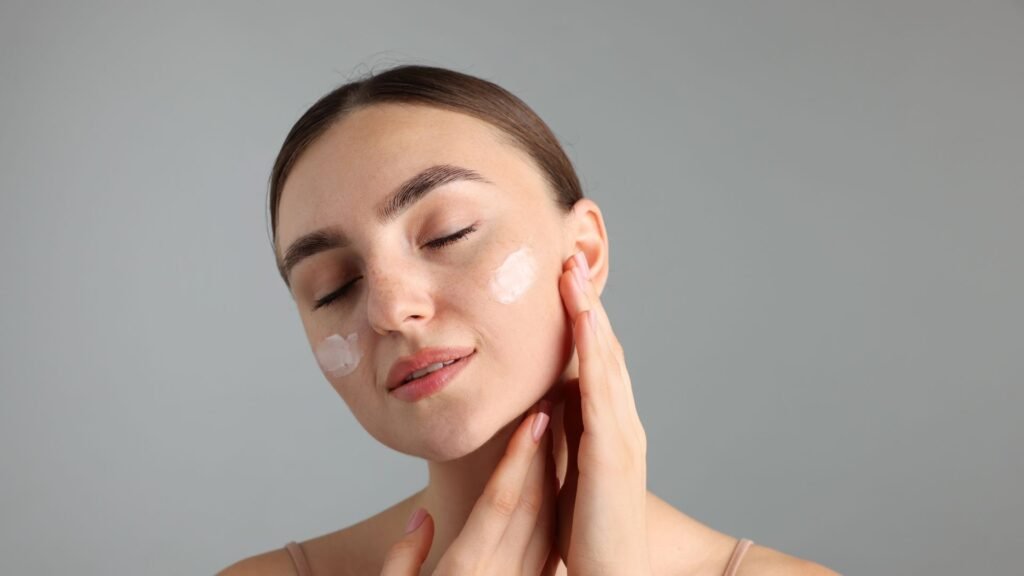
Step 3: Apply moisturiser
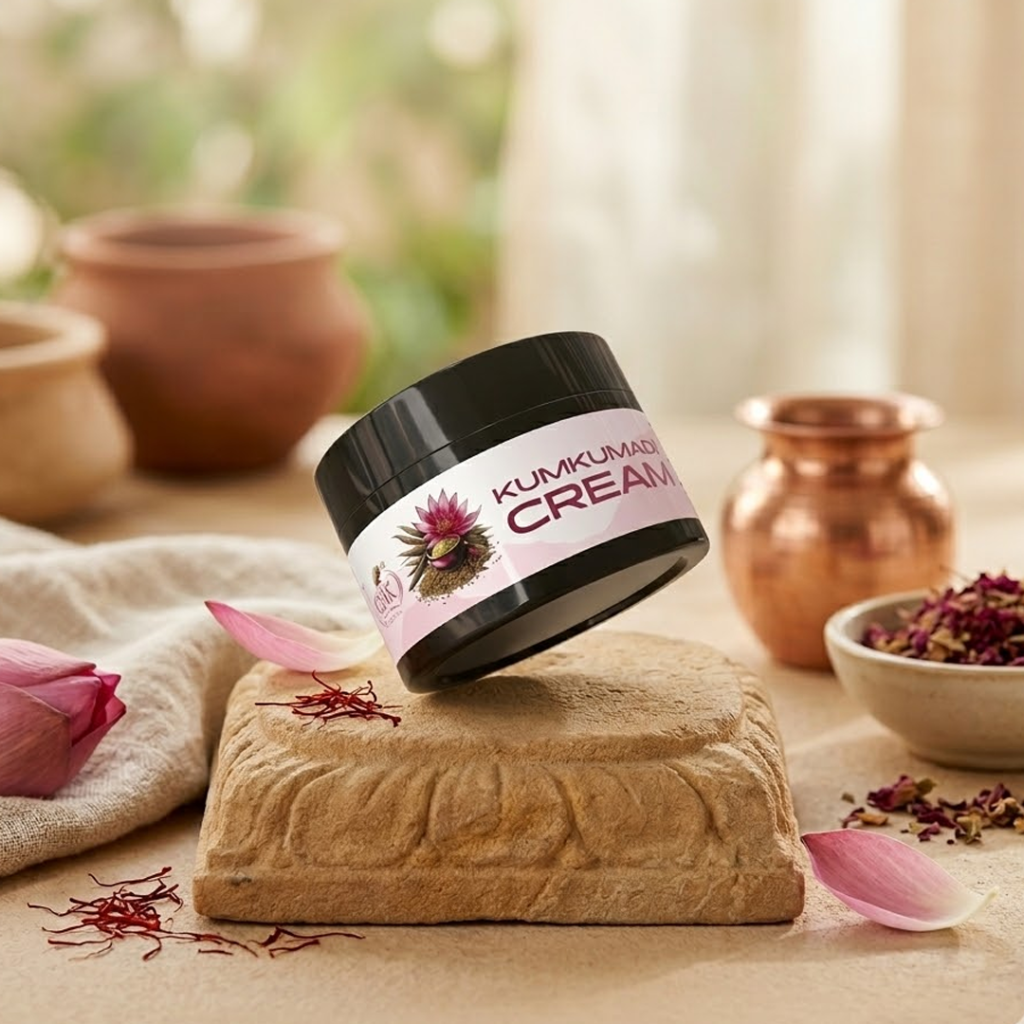
Choose a cream that suits your skin and apply an appropriate amount. Oak Tree Naturals Kumkumadi Cream is described by the brand as a lightweight daily facial cream that helps nourish the skin and improve the appearance of dark spots and uneven skin tone.
If you are considering it before makeup, first check how its texture works with your foundation and primer.
Explore Oak Tree Naturals Kumkumadi Cream.
Step 4: Apply sunscreen
Use a broad-spectrum sunscreen with SPF 30 or higher as the final step of your morning skincare routine before makeup. Follow the product’s directions for application and reapplication.
Remember that moisturiser, aloe vera gel and facial cream do not replace sunscreen.
Step 5: Apply primer and makeup
If you use primer, apply it after sunscreen. Follow with a thin layer of foundation and build coverage only where needed.
This approach helps you avoid unnecessary product buildup.
How to Make Foundation Look Smoother on Dry Skin
Along with skincare preparation, your makeup application technique matters.
Try these practical tips:
- Choose a suitable foundation: If your skin is dry, consider a formula that feels comfortable and does not emphasise flaky areas.
- Use thin layers: Start with a small amount and build coverage gradually.
- Blend gently: Avoid repeatedly rubbing foundation over the same area.
- Use a suitable applicator: A clean makeup sponge or brush can help distribute foundation evenly.
- Be careful with powder: Applying too much powder may make dry patches more noticeable.
- Keep your tools clean: Regularly wash brushes and sponges to remove product buildup and impurities.
If your skin is actively irritated or peeling, avoid trying to cover the problem with additional makeup. Give your skin a break and address the irritation first.
When Should You Seek Professional Advice?
Occasional dryness is common, but persistent flaking should not always be treated as a makeup-preparation problem.
Consider consulting a dermatologist if you experience:
- Repeated peeling or scaling.
- Persistent redness, itching or burning.
- Painful or cracked skin.
- Irritation that worsens after using skincare or makeup.
- Flaking around the eyelids or other sensitive areas.
- Symptoms that do not improve after simplifying your routine.
Conditions such as eczema and contact dermatitis can cause dry, flaky skin. A dermatologist can help identify the cause and recommend appropriate care.
Frequently Asked Questions
1. Why does my foundation look patchy even after moisturising?
Your foundation may look patchy because of dry skin, dehydration, flaky surface buildup, excessive skincare layers or product incompatibility. Try simplifying your routine, applying a suitable amount of moisturiser and allowing each layer to settle.
2. Should I moisturise before applying foundation?
Yes. If your skin needs moisturising, applying a suitable moisturiser before foundation can help reduce dryness and improve skin comfort. Allow it to settle before applying primer and makeup.
3. How long should I wait between moisturiser and foundation?
There is no fixed waiting time for every product combination. Allow your moisturiser to settle according to its formulation and instructions. Your skin should not feel excessively wet or slippery before you apply foundation.
4. Can too much moisturiser make makeup look patchy?
It can contribute to a slippery or uneven base, particularly when several products are layered without allowing them to settle. Start with a modest amount and adjust according to your skin’s needs.
5. Should I exfoliate before applying makeup?
Not necessarily. Exfoliation is not required before every makeup application. Over-exfoliating can irritate your skin and worsen dryness. If your skin is flaky, sore or irritated, avoid scrubbing it.
6. Is aloe vera gel enough before makeup?
Aloe vera gel can provide a lightweight hydration step, depending on the formulation. However, it may not provide enough moisturising care for every skin type, particularly very dry skin. You may need a suitable moisturiser as well.
7. Why does my makeup start flaking after a few hours?
This may happen because of dryness, dehydration, excessive powder, product buildup or an unsuitable foundation formula. Review your skincare preparation and makeup products to identify what may be contributing.
8. Can I use face mist after applying makeup?
A suitable face mist can refresh the skin, but not every mist is designed to set makeup or extend its wear. Check the product’s intended use and directions before applying it over foundation.
Final Thoughts: Better Makeup Begins with Better Skin Preparation
Patchy makeup and flaky skin can be frustrating, especially when you have spent time creating your desired look. But applying more foundation or layering on extra moisturiser is not always the answer.
Start by identifying what your skin needs. Cleanse gently, moisturise appropriately, avoid excessive exfoliation and give your skincare products time to settle before applying makeup.
If you are looking to build a simple skincare routine, Oak Tree Naturals offers options such as Rose Gold Face Wash, Aloe Vera Gel and Kumkumadi Cream that you can explore according to your skin’s needs.
Remember, the aim is not to create a complicated routine or achieve perfectly flawless skin. It is to keep your skin comfortable and find products that work well with your makeup.
A smoother-looking makeup finish starts with thoughtful skincare preparation, not more layers of foundation.