Why Do Your Lips Keep Peeling in Winter? 7 Everyday Habits That May Be Making It Worse

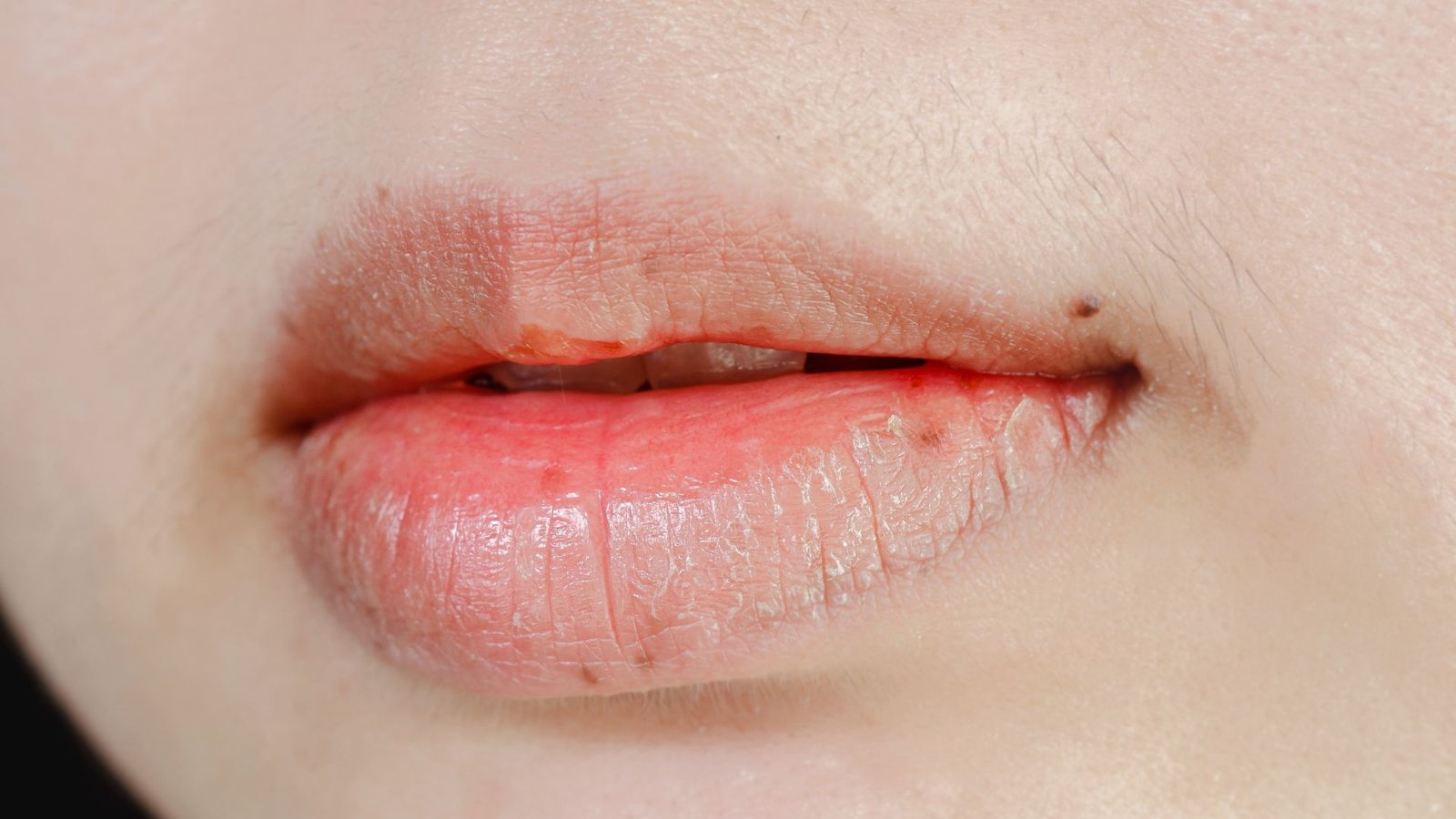
You apply lip balm before leaving home, keep it in your handbag and reapply it whenever your lips feel dry. Yet, a few hours later, the same problem returns: flaky skin, rough patches and lips that just will not stay soft.
Sound familiar?
Winter can be particularly challenging for your lips. Cold winds, low humidity and indoor heating can make them lose moisture more easily. But the weather is not always the only reason. Some everyday habits, including licking your lips, peeling away dry skin and using irritating lip products, may make the problem worse.
The good news? A few thoughtful changes to your lip-care routine can help protect your lips and keep them feeling comfortable throughout the colder months.
Let’s understand why lips keep peeling in winter and what you can do about it.
Table of Contents
Why Do Lips Become Dry and Peel More During Winter?
The skin on your lips is different from the skin on the rest of your face. It has a thinner protective outer layer and does not have the oil glands found in much of your facial skin. This makes it more vulnerable to moisture loss and environmental irritation.
During winter, cold air, wind and dry indoor environments can contribute to chapping. Your lips may start feeling tight, rough or flaky. If the dryness continues, small cracks and soreness can develop.
Occasional dryness is common, but repeatedly peeling lips deserve a closer look at your daily habits and the products you use.
7 Everyday Habits That May Be Making Your Lips Peel
1. Licking Your Lips Whenever They Feel Dry
When your lips feel rough, licking them may seem like the quickest way to add moisture. Unfortunately, the relief is temporary.
As saliva evaporates, it can leave your lips feeling even drier. Repeated licking may also irritate the delicate skin around your mouth.
Try this instead: Keep a comfortable lip balm nearby and apply it when you notice dryness. If you catch yourself licking your lips, replace the habit with a quick application of balm.
2. Pulling or Biting Away Peeling Skin
A small piece of loose skin can be surprisingly tempting to pull off. However, peeling or biting your lips can create tiny wounds, increase irritation and make the surface feel rougher.
It may also delay the skin’s recovery.
Try this instead: Leave loose skin alone. Apply a suitable moisturising lip product regularly and allow the area to recover naturally. Avoid scrubbing or using harsh exfoliators on already cracked lips.
3. Using a Lip Balm That Irritates Your Lips
Not every lip balm suits everyone. Some products contain fragrances, flavourings or cooling ingredients that may irritate already sensitive lips.
If your lip balm causes burning, stinging, itching or persistent discomfort, it may not be the right choice for you.
Try this instead: Choose a simple, comfortable lip-care product. Dermatologists commonly recommend looking for ingredients such as petrolatum, ceramides, dimethicone or shea butter for dry, chapped lips. Avoid products that cause irritation, even if they are marketed as refreshing or plumping.
4. Forgetting Lip Care Before Going Outdoors
Cold winds are not the only environmental concern during winter. Sun exposure can also affect your lips, even when the weather feels cool.
UV radiation can contribute to sun damage and dryness. That is why lip protection should not disappear from your routine when summer ends.
Try this instead: Use a lip balm with broad-spectrum SPF 30 or higher when spending time outdoors. Reapply according to its directions, particularly after eating, drinking or being outside. A regular moisturising lip balm should not be assumed to provide sun protection unless SPF is specifically stated on its label.
5. Exposing Your Lips to Hot Water and Harsh Cleansers
Hot showers may feel wonderful during cold mornings, but very hot water and harsh cleansing products can irritate the delicate skin around your mouth.
Facial cleansers, exfoliating products and acne treatments can also come into contact with the lips and contribute to dryness or irritation.
Try this instead: Use lukewarm water, choose a gentle facial cleanser and avoid applying facial exfoliants directly to your lips. Be careful when using active skincare ingredients around the mouth.
6. Spending Time in Dry Indoor Environments
Winter dryness does not stop when you come indoors. Air conditioning, room heaters and low indoor humidity can contribute to moisture loss.
If you wake up with dry lips, sleeping in a dry room or breathing through your mouth at night may be part of the problem.
Try this instead: Consider using a clean humidifier if indoor air is particularly dry. Apply a comfortable layer of lip balm before bedtime and pay attention to persistent mouth breathing, especially if it affects your sleep.
7. Reapplying Products Without Checking the Cause
Applying lip balm is useful, but repeatedly reapplying a product that irritates your lips will not solve the problem.
Persistent peeling may sometimes be related to contact allergies, eczema, medication side effects or another form of lip inflammation rather than ordinary winter dryness.
Try this instead: Review the products that come into contact with your lips, including lipsticks, toothpaste and skincare products. If you suspect irritation, stop using the suspected product and seek professional advice if symptoms continue.
How to Keep Your Lips Soft and Comfortable This Winter
You do not need a complicated routine to care for dry lips. Consistency and gentle habits are more important.
Here is a simple routine you can follow:
Morning
- Apply a comfortable moisturising lip balm.
- Use a separate SPF 30 or higher lip product before outdoor exposure.
- Reapply as directed, especially after meals and drinks.
During the day
- Avoid licking, biting or picking at your lips.
- Reapply lip balm whenever your lips feel dry.
- Protect your lips from cold winds with a scarf when needed.
- Drink water regularly as part of your normal daily routine.
Before bed
- Gently remove lipstick or other lip products.
- Apply a suitable moisturising balm or ointment.
- Avoid exfoliating or pulling away loose skin.
If your lips are very cracked, a plain, thick ointment such as white petrolatum may be a better option while they recover. Avoid products that sting or cause discomfort.
Choosing a Lip Balm for Everyday Winter Care
A good everyday lip balm should feel comfortable, moisturise your lips and fit easily into your routine. Consider the texture you enjoy, the ingredients listed on the packaging and whether the product causes any irritation.
If you prefer botanical-inspired lip care, Oak Tree Naturals offers two options worth exploring.
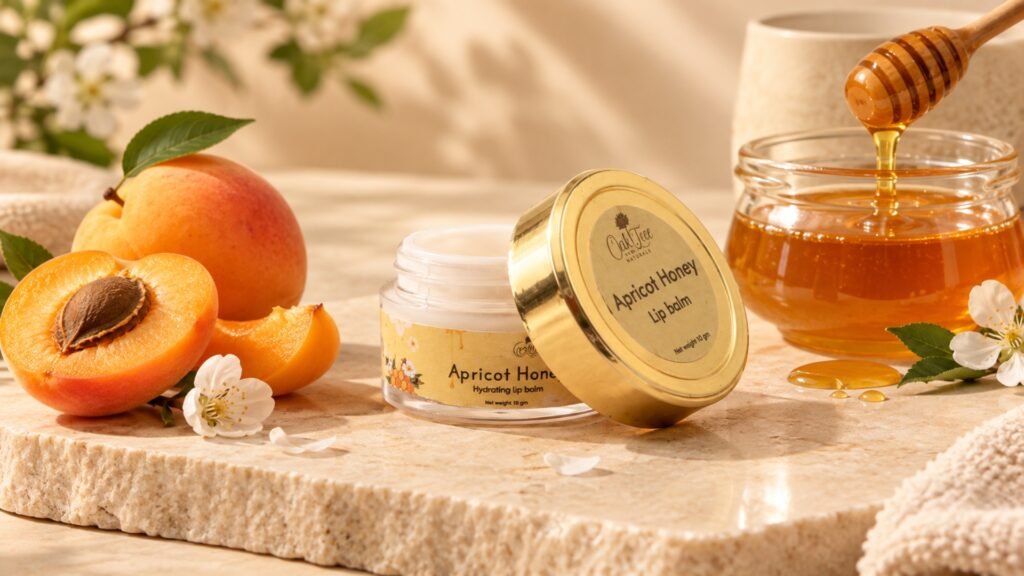
Oak Tree Apricot Honey Lip Balm (10g)
This lip balm combines apricot and honey in a lightweight, non-sticky formula. According to Oak Tree Naturals, it is designed to moisturise dry, chapped lips and leave them feeling soft and nourished.
Explore it here: Oak Tree Apricot Honey Lip Balm
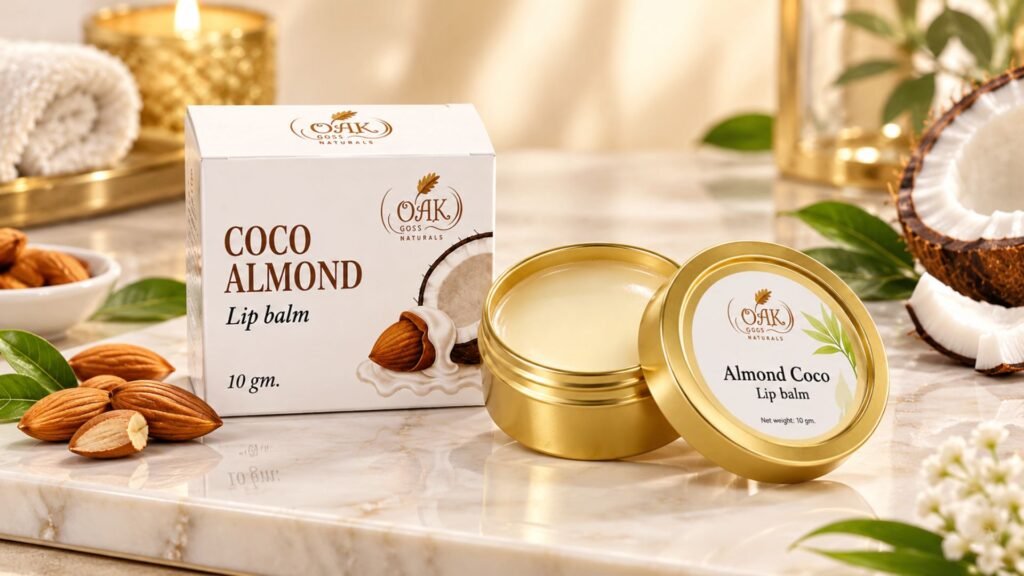
Oak Tree Almond Coco Lip Balm (10g)
Featuring almond and coconut, this option has a lightweight, non-sticky texture. The brand describes it as an everyday moisturising balm for dry, chapped lips.
Explore it here: Oak Tree Almond Coco Lip Balm
Both are available in 10g packs. You can choose between the apricot-and-honey or almond-and-coconut option according to your preference.
Remember to check the full ingredient list before use. Natural ingredients can still cause irritation or allergic reactions in some people. Neither product should be treated as an SPF lip balm unless sun protection is specifically confirmed on its packaging.
When Should You See a Dermatologist?
Winter dryness often improves with gentle care, but persistent peeling should not always be dismissed as a seasonal problem.
Consider consulting a dermatologist if:
- Your lips remain cracked or peeling despite consistent care.
- You experience repeated bleeding, swelling or significant pain.
- There is persistent itching, redness or a rash around your mouth.
- Only one area of your lip remains rough, scaly or changes in appearance.
- You develop sores, crusting or symptoms that keep returning.
These symptoms may have causes that require professional assessment. A dermatologist can help identify whether the problem is ordinary chapping, an allergic reaction, eczema or another condition.
Frequently Asked Questions
1. Why do my lips keep peeling even after applying lip balm?
Cold weather, lip licking, irritation from ingredients, sun exposure and other underlying skin conditions can all contribute. If your balm causes stinging or discomfort, stop using it and consider a simpler alternative.
2. How often should I apply lip balm in winter?
Apply it whenever your lips feel dry, including before bedtime and before going outdoors. Reapply after eating or drinking when needed. Follow the instructions on your chosen product.
3. Should I peel off dead skin from my lips?
No. Pulling or biting peeling skin can cause further irritation and small wounds. Keep the area moisturised and let loose skin shed naturally.
4. Can drinking water prevent dry lips?
Staying adequately hydrated supports overall health, but drinking more water alone may not resolve chapped lips caused by cold weather, irritation or contact allergies. Direct lip care and environmental protection are also important.
5. Is lip balm enough to protect lips in winter?
A moisturising lip balm can help reduce dryness, but it may not protect against UV exposure. For outdoor activities, choose a separate lip product with broad-spectrum SPF 30 or higher.
Final Thoughts
Peeling lips in winter can be frustrating, especially when the dryness keeps returning despite regular lip-balm use. But sometimes, the problem is not how little lip balm you apply. It is the small habits that repeatedly irritate your lips.
Avoid licking, biting and picking at peeling skin. Choose products that feel comfortable, protect your lips from cold winds and remember sun protection even during winter.
If you are looking for an everyday addition to your routine, Oak Tree Naturals’ Apricot Honey and Almond Coco Lip Balms offer two lightweight moisturising options to explore.
Give your lips gentle, consistent care. A simple routine can go a long way towards keeping them feeling soft and comfortable throughout the season.