11 Types of Facials & Their Benefits for Your Skin: How to Choose the Right One

Table of Contents
Introduction: Not Every Facial Is Right for Every Skin Type
Have you ever looked at a salon’s facial menu and wondered which treatment your skin actually needs? From gold and fruit facials to hydrating treatments and advanced options such as LED therapy, there are more choices than ever.
But here is something worth remembering: the most expensive facial is not necessarily the best facial for your skin.
Different facial treatments are designed to address different concerns. Some focus on cleansing and removing surface impurities, while others aim to improve hydration, skin texture or the appearance of dullness. Certain treatments use professional exfoliation techniques or specialised devices and may require expert supervision.
Choosing the right facial starts with understanding your skin. Is it dry, oily, sensitive or combination? Are you concerned about clogged pores, uneven-looking skin tone or a lack of hydration?
In this guide, we explore 11 popular types of facials, what happens during each treatment, their potential benefits and how to decide which one deserves a place in your skincare routine.
1. Classic Facials: The All-Rounder for Everyday Skin Care
If you are new to professional skincare treatments, a classic facial can be a simple place to start.
Also known as a traditional or European facial, this treatment generally includes cleansing, gentle exfoliation, a face mask, moisturising and sometimes a facial massage or extractions.
Potential benefits:
- Removes surface dirt, oil and impurities.
- Helps skin feel clean and refreshed.
- Provides basic hydration.
- Can temporarily improve the appearance of dull skin.
- Offers a relaxing skincare experience.
Who may consider it?
People looking for a basic maintenance treatment may enjoy a classic facial. However, the products and techniques should be adjusted to suit individual skin needs. Sensitive skin may not tolerate every step, particularly strong exfoliation, steam or extractions.
2. Deep Cleansing Facials: For Oily and Congested Skin
Does your face often feel greasy, or do you notice blackheads around your nose and chin? A deep cleansing facial focuses on removing surface buildup and addressing congestion.
Depending on the salon, it may include cleansing, gentle exfoliation, carefully performed extractions and a suitable face mask. Some treatments also use steam, although this is not appropriate for everyone.
Potential benefits:
- Helps remove excess surface oil and impurities.
- Can improve the appearance of congested pores.
- Leaves skin feeling cleaner and fresher.
- May help reduce the appearance of blackheads when extractions are performed appropriately.
Who may consider it?
People with oily or congested skin may find this treatment useful. However, aggressive scrubbing and forceful extractions can irritate the skin. If you have inflamed acne, painful breakouts or sensitive skin, consult a dermatologist before choosing this treatment.
3. Hydrating Facials: Give Dry and Dehydrated Skin Extra Attention
Sometimes your skin does not need more exfoliation. It needs moisture.
A hydrating facial focuses on replenishing water in the skin using moisturising products, serums and masks. Ingredients such as glycerin and hyaluronic acid are commonly used because they help attract and retain moisture.
Potential benefits:
- Helps reduce the feeling of dryness and tightness.
- Makes skin feel softer and more comfortable.
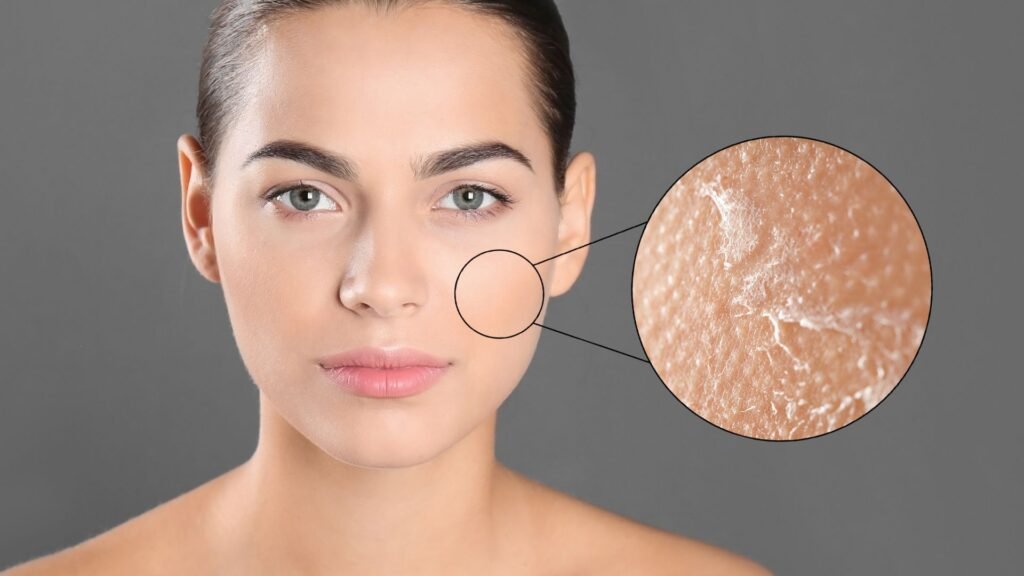
- Temporarily improves the appearance of dry, flaky skin.
- Gives dehydrated skin a fresher, more supple appearance.
Who may consider it?
People with dry or dehydrated skin may benefit from a gentle hydrating treatment. Even oily skin can become dehydrated, so hydration should not be ignored simply because your face produces excess oil.
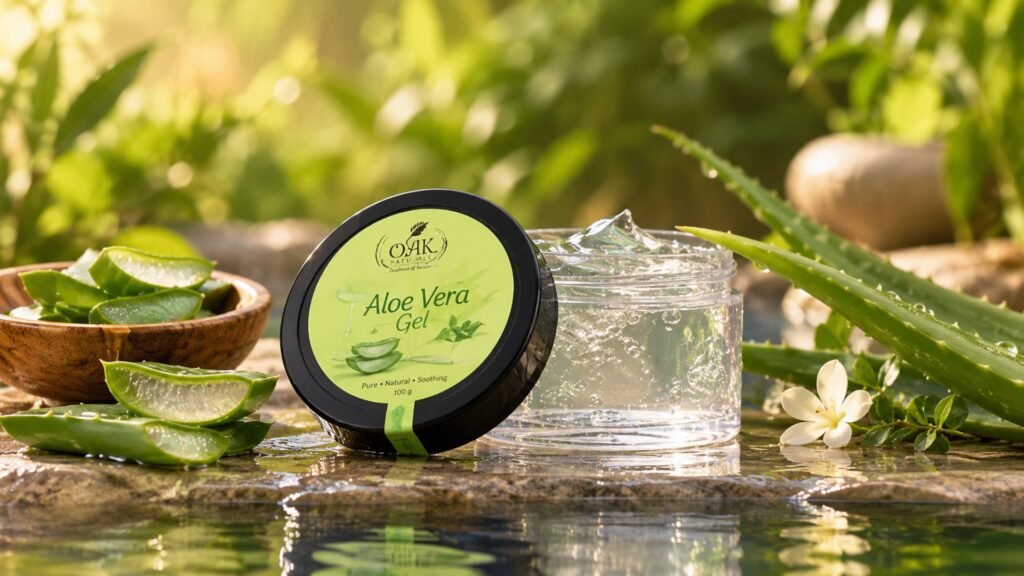
For everyday moisture after cleansing, Oak Tree Naturals offers Aloe Vera Gel. Its lightweight, fast-absorbing formula is described by the brand as non-greasy and suitable for the face and body.
4. Acne Facials: A Targeted Approach to Blemish-Prone Skin
Acne-prone skin needs careful attention. A treatment that is too harsh can make irritation worse, which is why an acne facial should focus on appropriate cleansing and gentle care rather than aggressive scrubbing.
Depending on the professional and the condition of your skin, an acne facial may include gentle cleansing, selected exfoliation, a suitable mask and carefully assessed extractions.
Potential benefits:
- Helps remove excess surface oil and impurities.
- May improve the appearance of mild congestion.
- Supports a cleaner-feeling complexion.
- Can be tailored to the needs of blemish-prone skin.
Who may consider it?
People experiencing mild congestion or occasional breakouts may consider a professionally selected treatment. However, facials are not a replacement for medical acne treatment. Painful, deep or persistent acne should be assessed by a dermatologist.
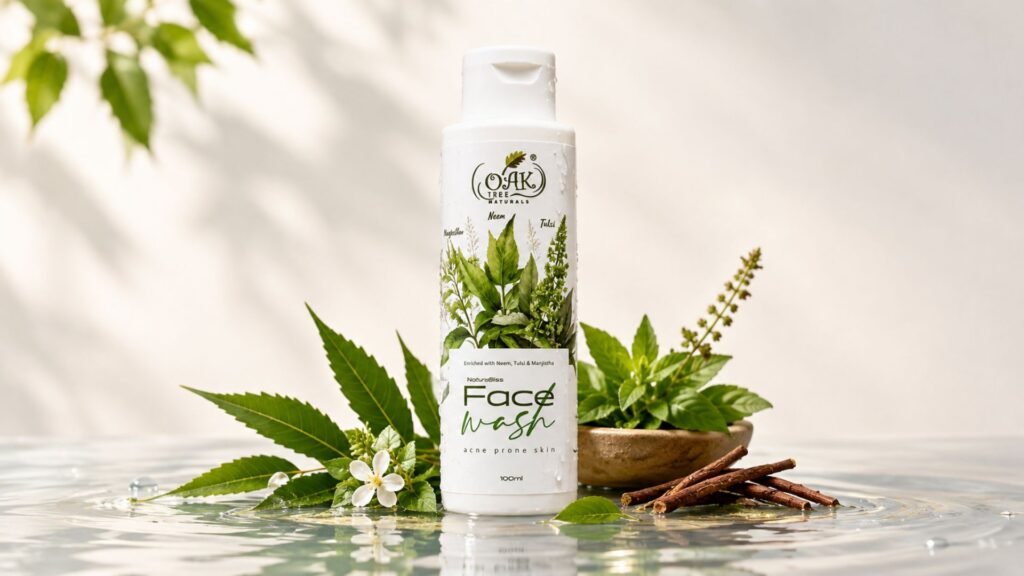
A consistent home cleansing routine also matters. Oak Tree Naturals’ Natural Acne Face Wash is marketed for cleansing excess oil and impurities while helping maintain the skin’s moisture balance.
5. Brightening Facials: For a Fresh, Radiant-Looking Complexion
Long days, environmental exposure and an inconsistent skincare routine can leave skin looking dull. A brightening facial is designed to improve the appearance of uneven tone and lacklustre skin.
These treatments may include gentle exfoliation, brightening serums and nourishing masks. The exact ingredients and techniques vary between salons.
Potential benefits:
- Helps remove surface buildup.
- Can temporarily improve the appearance of dull skin.
- May make skin look smoother and more refreshed.
- Supports a more even-looking complexion.
Who may consider it?
People concerned about dullness or uneven-looking skin tone may explore a brightening facial. If you have pigmentation, melasma or persistent dark spots, consult a dermatologist because salon facials alone may not address the underlying cause.
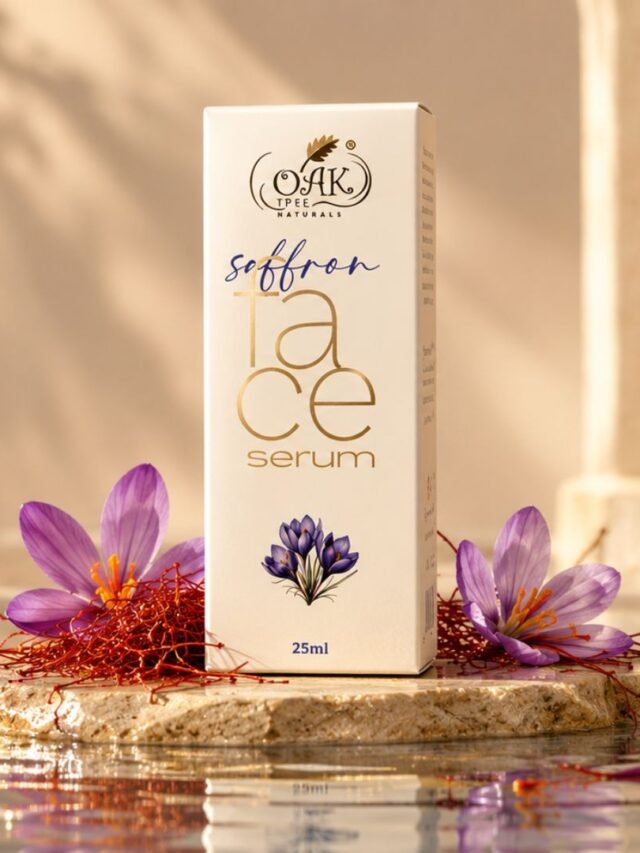
For a simple home-care addition, Oak Tree Naturals offers Saffron Face Serum, which the brand describes as a lightweight formula that helps hydrate skin and improve the appearance of dullness. Check the product listing for its current ingredients and usage instructions.
6. Anti-Ageing Facials: Focus on the Appearance of Fine Lines
Fine lines, changes in skin texture and loss of firmness are natural parts of ageing. An anti-ageing facial aims to improve the skin’s appearance through selected skincare ingredients and techniques.
Depending on the treatment, it may include moisturising masks, antioxidant serums, gentle exfoliation and facial massage.
Potential benefits:
- Helps improve the appearance of dry, dull skin.
- Provides temporary hydration and a smoother-looking finish.
- Can make fine lines caused by dryness appear less noticeable.
- Offers a nourishing skincare experience.
Who may consider it?
Adults who want to focus on hydration, skin texture and the appearance of fine lines may consider this type of facial. It is important to keep expectations realistic: a salon facial cannot stop the natural ageing process or permanently remove wrinkles.
Daily sunscreen and a consistent skincare routine remain important parts of long-term skin care.
7. Chemical Peel Facials: Professional Exfoliation for Skin Texture
A chemical peel is different from a regular salon facial. It uses a chemical solution to exfoliate controlled layers of the skin. Depending on the type and strength, a peel may help improve certain concerns, including uneven skin tone, rough texture and some forms of acne.
Common ingredients used in professional peels include alpha-hydroxy acids and other exfoliating agents.
Potential benefits:
- Can improve the appearance of uneven skin tone.
- May help smooth rough skin texture.
- Can reduce the appearance of certain types of pigmentation.
- May help improve the appearance of some acne-related concerns.
Who may consider it?
People looking for professional treatment for specific skin concerns may discuss a chemical peel with a qualified dermatologist.
Important safety note: Chemical peels can cause irritation, burns, pigmentation changes or scarring if unsuitable products or strengths are used. The American Academy of Dermatology advises that chemical peels should be performed under the supervision of a trained professional. Avoid experimenting with strong peels at home.
8. Microdermabrasion Facials: Smoother-Feeling Skin Through Exfoliation
Microdermabrasion is a professional exfoliation procedure that uses a specialised device to remove dead cells from the skin’s outer surface. It is sometimes offered as an add-on to a facial.
The procedure is generally intended to improve the appearance of superficial skin concerns rather than treat deeper skin conditions.
Potential benefits:
- Helps remove dead cells from the skin’s surface.
- Can improve the appearance of rough texture.
- May make skin look temporarily brighter.
- Can help create a smoother-feeling surface.
Who may consider it?
People with mild surface roughness or dull-looking skin may discuss microdermabrasion with a qualified skincare professional. It may not be suitable for everyone, particularly those with active inflammatory acne, very sensitive skin or certain skin conditions.
9. Hydrafacials or Hydradermabrasion: Cleansing Meets Hydration
Hydrafacial is a widely recognised treatment name, while hydradermabrasion is a broader description of treatments that combine device-assisted cleansing or exfoliation with the application of skincare solutions.
The exact procedure depends on the equipment and provider. It may involve cleansing, gentle exfoliation, suction-assisted removal of surface debris and the application of hydrating products.
Potential benefits:
- Helps cleanse the skin’s surface.
- Can improve the appearance of mild congestion.
- Provides hydration through topical skincare products.
- May leave skin looking temporarily smoother and refreshed.
Who may consider it?
People interested in a combination of cleansing and hydration may explore this treatment. Ask the provider what device and solutions are used, especially if you have sensitive or acne-prone skin.
Remember, a treatment name alone does not guarantee a particular result. The technique, products and suitability for your skin matter.
10. LED Light Therapy Facial: A Device-Based Skin Treatment
LED facials use specific wavelengths of light as part of a professional or home skincare treatment. Red and blue light are commonly discussed in skincare.
Red light is often used in treatments aimed at improving the appearance of signs of ageing, while blue light is used in some acne-focused treatments. Results depend on the device, treatment protocol and individual skin concerns.
Potential benefits:
- May support the management of certain mild acne concerns when used appropriately.
- Red-light treatments may help improve the appearance of some signs of ageing.
- Offers a non-invasive treatment option.
- Usually involves little to no downtime.
Who may consider it?
People interested in device-based skincare may discuss LED therapy with a qualified professional. Not every device has the same strength or evidence, and LED treatment should not be presented as a guaranteed solution for acne or wrinkles.
If you have a medical condition that makes you sensitive to light or take medication that increases light sensitivity, seek professional advice before treatment.
11. Oxygen Facial: A Refreshing Treatment for a Temporary Glow
An oxygen facial generally involves applying skincare products with the help of a pressurised oxygen device. Salons often promote it as a treatment for dull or tired-looking skin.
The products, equipment and methods used can differ considerably between providers.
Potential benefits:
- Provides topical hydration when moisturising products are used.
- Can leave skin feeling refreshed.
- May temporarily improve the appearance of dullness.
- Offers a relaxing treatment experience.
Who may consider it?
People looking for a gentle, refreshing skincare experience may enjoy an oxygen facial. However, claims that oxygen facials permanently increase collagen, reverse ageing or deliver dramatic long-term results should be treated cautiously. The benefits of the treatment depend largely on the products and techniques involved.
Which Facial Is Best for Your Skin Type?
Now that you know about the different types of facials, how do you narrow down your options? Start with your skin’s current condition and your main concern.
| Your skin concern | Facial types to explore |
| Dry or dehydrated skin | Hydrating or gentle classic facial |
| Oily or congested skin | Deep cleansing or suitable hydradermabrasion |
| Mild blemish-prone skin | Professionally selected acne facial |
| Dull-looking skin | Brightening or gentle exfoliating facial |
| Rough skin texture | Microdermabrasion or professionally selected peel |
| Fine lines and dryness | Hydrating or anti-ageing facial |
| Sensitive skin | Gentle, fragrance-conscious hydrating facial without aggressive exfoliation |
This table is a starting point, not a diagnosis. Your skin may have more than one concern. For example, you can have oily but dehydrated skin, or dry skin that is also sensitive.
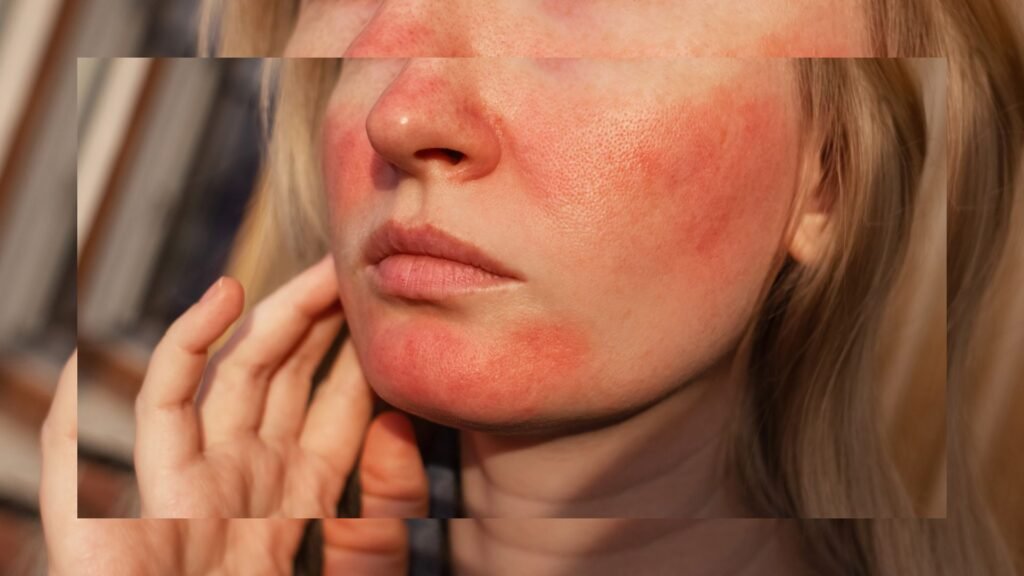
If you have persistent redness, painful acne, eczema, rosacea or unexplained pigmentation, speak with a dermatologist before booking an intensive facial.
5 Things to Check Before Booking a Facial
A little preparation can help you avoid choosing a treatment that does not suit your skin.
1. Understand your skin type.
Know whether your skin is oily, dry, combination or sensitive. Also consider whether it is currently irritated or breaking out.
2. Ask what the treatment includes.
Do not choose a facial based only on its name. Ask about the products, exfoliation methods, devices, steam and extraction techniques involved.
3. Mention your current skincare products.
Tell your skincare professional if you use retinoids, exfoliating acids, acne medication or prescription treatments. Some combinations can increase irritation.
4. Avoid aggressive treatments when your skin is irritated.
If your skin is sunburned, inflamed or unusually sensitive, postpone intensive exfoliation and seek professional advice.
5. Follow aftercare instructions.
After exfoliating treatments, use gentle skincare and broad-spectrum sunscreen. Avoid adding multiple new active ingredients immediately after a facial.
How to Maintain Your Facial Results at Home
A professional facial can be a pleasant addition to your routine, but your everyday habits play a major role in keeping your skin comfortable and healthy-looking.
You do not need a complicated ten-step routine. Focus on a few consistent basics:
- Cleanse gently: Use a suitable face wash to remove dirt, sweat and excess oil without over-cleansing.
- Moisturise regularly: Choose a moisturiser or hydrating product suited to your skin type.
- Use sunscreen: Apply broad-spectrum SPF 30 or higher during the day and reapply as directed.
- Exfoliate carefully: Avoid excessive scrubbing or combining too many exfoliating products.
- Stay consistent: Give your routine time and avoid switching products every few days.
Oak Tree Naturals offers several products that can fit into a simple home-care routine, depending on your skin’s needs:
- Rose Gold Face Wash: The brand describes it as a cleanser that removes dirt, oil and makeup while helping maintain moisture.
- Aloe Vera Gel: A lightweight, fast-absorbing gel that the brand describes as non-greasy and suitable for the face and body.
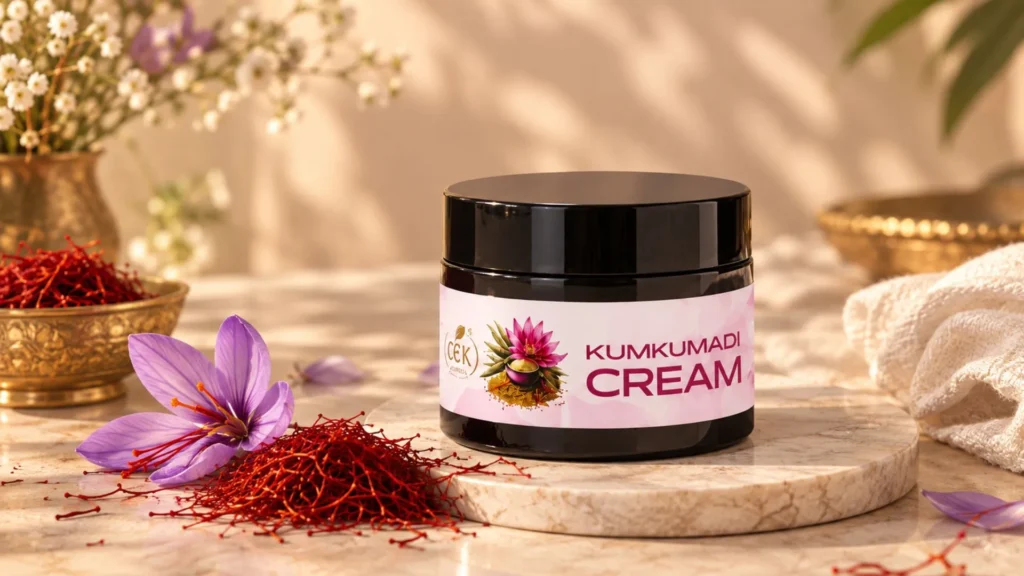
- Kumkumadi Cream: A daily-use cream that the brand describes as nourishing and lightweight, helping improve the appearance of dark spots and uneven skin tone.
Choose products according to your skin’s needs, check the complete ingredient list and follow the directions on the packaging. Patch-test new products, particularly if your skin is sensitive.
Frequently Asked Questions About Facial Treatments
1. What are the most popular types of facials?
Some popular options include classic, deep cleansing, hydrating, acne, brightening, anti-ageing, chemical peel, microdermabrasion, hydradermabrasion, LED light therapy and oxygen facials.
2. Which facial is best for glowing skin?
The right option depends on why your skin looks dull. A gentle classic, hydrating or professionally selected brightening facial may help improve the appearance of dullness. Consistent cleansing, moisturising and sun protection are also important.
3. Which facial is best for oily skin?
A suitable deep cleansing facial may help remove surface oil and impurities. Hydradermabrasion may also be an option for some people. Avoid aggressive scrubbing and excessive extractions, which can irritate the skin.
4. Which facial is suitable for dry skin?
A hydrating facial is often a suitable option because it focuses on moisture and skin comfort. Look for treatments that use gentle cleansing and moisturising ingredients rather than harsh exfoliation.
5. Can I get a facial if I have acne?
It depends on the type and severity of acne. Some people with mild congestion may tolerate a gentle, professionally selected facial. Painful, inflamed or persistent acne should be assessed by a dermatologist before undergoing extractions or exfoliating treatments.
6. How often should I get a facial?
There is no single schedule that suits everyone. Frequency depends on the treatment, your skin’s sensitivity, your skincare routine and professional advice. Strong exfoliating treatments should never be repeated simply because a salon recommends a fixed monthly schedule.
7. Are facials necessary for healthy skin?
No. Facials are optional skincare treatments, not a requirement for healthy skin. A consistent routine involving gentle cleansing, moisturising and sun protection is more important for everyday skin care.
8. Can I do a facial at home?
You can follow a simple home-care routine involving gentle cleansing, a suitable moisturising product and sunscreen. However, professional chemical peels, aggressive extractions and device-based procedures should not be attempted without appropriate training and guidance.
Final Thoughts: Choose a Facial That Understands Your Skin
There is no universal facial that works best for everyone. A hydrating facial may be a better choice for dry skin, while someone dealing with congestion may prefer a carefully selected deep cleansing treatment. People with sensitive or acne-prone skin may need a gentler approach.
The key is to understand your skin’s needs instead of following every beauty trend. Ask questions before booking, choose qualified professionals for advanced treatments and remember that a consistent home skincare routine matters just as much as an occasional salon visit.
If you are building your routine, explore the skincare range at Oak Tree Naturals and choose products that suit your skin type and daily needs. A little thoughtful care, practised consistently, can make your skincare routine feel simpler and more rewarding.