Dry, Tight Skin After a Winter Shower? 7 Common Causes and Essential Moisturising Tips

There is something comforting about a warm shower on a cold winter morning. It helps you wake up, feel refreshed and escape the chilly weather for a few minutes. But have you ever stepped out of the bathroom only to notice that your skin feels unusually tight, rough or uncomfortable?
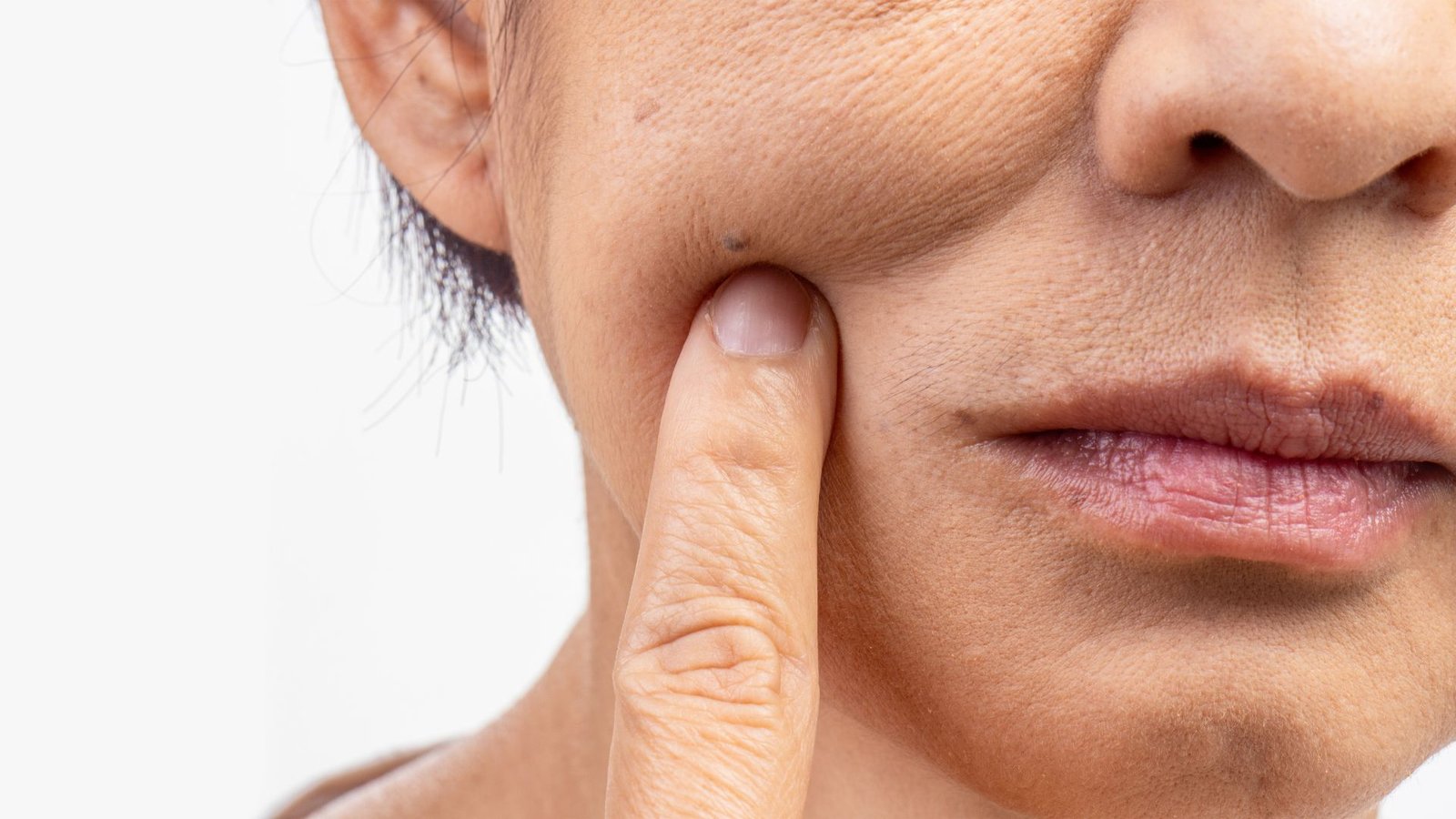
You might experience dryness around your arms, legs, elbows or even your face. Sometimes, your skin may start feeling itchy or develop flaky patches shortly after bathing.
Here is the surprising part: your shower routine could be contributing to the dryness.
Hot water, long showers, harsh soaps and delayed moisturising can affect the skin’s natural protective barrier. Winter weather and low humidity may make the problem more noticeable.
The good news is that you do not necessarily need an expensive skincare routine to improve the situation. A few simple changes to how you shower and moisturise can help your skin feel more comfortable.
Let’s explore seven reasons your skin feels tight after a winter shower and what you can do about them.
Table of Contents
Why Does Skin Feel Tight After a Shower?
Your skin has a protective outer layer that helps retain moisture and protect against external irritants. When this barrier becomes dry or irritated, your skin may feel rough, tight, flaky or itchy.
Bathing can temporarily add water to the skin, but prolonged exposure to hot water and certain cleansing products can also remove some of the natural oils that help maintain its protective barrier.
During winter, cold outdoor air and dry indoor environments can make it harder for your skin to retain moisture.
According to the American Academy of Dermatology (AAD), short showers with warm water, gentle cleansing and moisturising immediately after bathing can help relieve dry skin.
7 Reasons Your Skin Feels Tight After Showering in Winter
1. Your Shower Water Is Too Hot
A hot shower may feel wonderful when the temperature drops, but very hot water can remove natural oils from the skin.
These oils help support the skin’s protective barrier. When they are stripped away, moisture can escape more easily, leaving your skin feeling dry and tight.
What should you do?
- Choose lukewarm water instead of very hot water.
- Avoid prolonged exposure to hot water.
- Pay attention to how your skin feels immediately after bathing.
- Keep your shower temperature comfortable rather than excessively warm.
You do not have to give up your winter showers. Simply lowering the temperature can make a difference to your skin-care routine.
2. You Are Spending Too Long in the Shower
Long showers can feel relaxing, especially during colder months. However, spending too much time in water may worsen dryness, particularly if you already have dry or sensitive skin.
The AAD recommends limiting showers and baths to around five to ten minutes when managing dry skin.
What should you do?
Try keeping your shower short and purposeful. You can still enjoy a refreshing bath without spending unnecessary time under hot running water.
A shorter shower, followed by suitable moisturising care, is often a better approach for dry winter skin.
3. Your Soap or Body Wash May Be Too Harsh
That squeaky-clean feeling after bathing is not always a sign that your skin is healthy.
Some soaps, heavily fragranced cleansers and harsh body washes may irritate dry skin or leave it feeling uncomfortable.
This is particularly relevant during winter, when the skin may already be more vulnerable to dryness.
What should you do?
Choose a gentle cleanser that suits your skin type. If your skin is sensitive, consider fragrance-free products and avoid cleansers that leave it feeling unusually tight.
You also do not need to apply cleanser aggressively over every part of your body. Focus on areas that need cleansing and rinse thoroughly.
4. You Are Rubbing Your Skin Too Hard With a Towel
After a shower, many people vigorously rub their bodies with a towel to dry themselves quickly.
However, repeated friction can irritate already dry or sensitive skin.
Aggressive rubbing, rough towels and frequent scrubbing may make discomfort worse.
What should you do?
Use a soft, clean towel and gently pat your skin dry.
Do not try to remove every trace of moisture. Leaving your skin slightly damp before applying moisturiser can help retain hydration.
This small change is easy to incorporate into your daily routine.
5. You Are Applying Moisturiser Too Late
One of the most overlooked steps in winter skincare is moisturising immediately after bathing.
When you step out of the shower, some water remains on your skin. If you wait too long before applying moisturiser, that water can evaporate.
A suitable moisturiser helps reduce moisture loss and keeps the skin feeling comfortable.
What should you do?
Follow this simple sequence:
- Finish your shower using lukewarm water.
- Gently pat your skin with a towel.
- Leave your skin slightly damp.
- Apply a suitable moisturiser promptly.
- Pay extra attention to areas that feel particularly dry, such as elbows, knees and lower legs.
The AAD recommends applying moisturiser immediately after bathing while the skin is still damp.
6. Winter Air Is Making Your Skin Drier
Your shower routine is not the only factor responsible for dry skin.
During winter, outdoor humidity often decreases. Indoor heating can also make the surrounding air drier.
This combination may increase moisture loss from the skin, making it feel rough, tight or flaky.
What should you do?
- Moisturise regularly, especially after bathing.
- Wear comfortable clothing that does not irritate your skin.
- Consider using a clean humidifier if indoor air is particularly dry.
- Avoid unnecessarily long exposure to cold winds.
- Choose richer moisturising products if lightweight lotions are not providing enough comfort.
Remember that your skin’s needs may change with the seasons. A product that feels comfortable during summer may not provide enough moisture during winter.
7. You May Be Over-Exfoliating Your Skin
Exfoliation can help remove dead skin cells, but doing it too frequently may irritate your skin.
Using rough body scrubs, abrasive loofahs or multiple exfoliating products can affect the skin barrier. This may contribute to dryness, redness and a tight feeling after bathing.
What should you do?
Avoid aggressive scrubbing, especially when your skin is already dry or irritated.
Keep your cleansing routine gentle and allow your skin to recover. If you experience persistent irritation, pause exfoliating products and focus on basic moisturising care.
You do not need to scrub your skin every day to keep it clean.
The Right Winter Skincare Routine After a Shower
If your skin regularly feels tight after bathing, try following this simple routine.
Step 1: Start with a short, lukewarm shower
Avoid very hot water and keep your bathing time around five to ten minutes.
Step 2: Use a gentle cleanser
Choose a cleanser that suits your skin and avoid excessive rubbing or scrubbing.
Step 3: Pat your skin dry
Use a soft towel and avoid rubbing your body aggressively.
Step 4: Apply moisturiser while your skin is slightly damp
This is one of the most important steps. Use a moisturising cream, lotion or ointment according to your skin’s needs.
Step 5: Give extra attention to dry areas
Your elbows, knees, hands, feet and lower legs may need additional moisturising.
Step 6: Repeat when needed
If your skin becomes dry again during the day, apply moisturiser as needed rather than waiting until your next shower.
Which Skincare Products Can Complement Your Winter Routine?
Choosing products according to your skin’s needs is more important than simply buying something because it is labelled natural or herbal.
If you enjoy botanical-inspired skincare, Oak Tree Naturals offers a few products that may complement different parts of your routine.
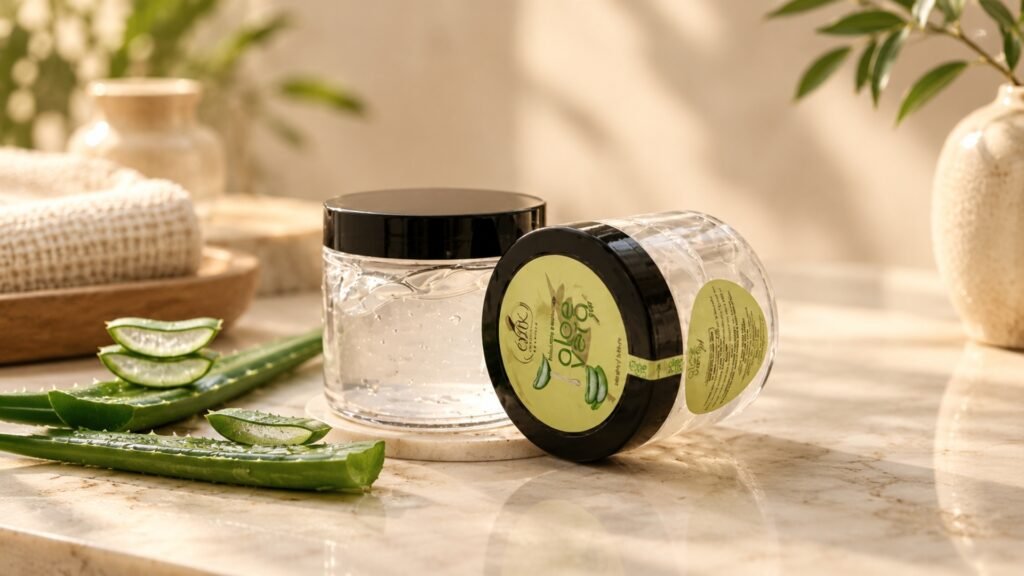
Oak Tree Aloe Vera Gel
The Oak Tree Naturals Aloe Vera Gel is described by the brand as lightweight, fast-absorbing and non-greasy. Its aloe vera-enriched formulation is intended to hydrate and soothe dry, tired or irritated-looking skin.
It can be used on the face and body and may suit people who prefer a lighter product texture.
Explore Oak Tree Naturals Aloe Vera Gel
A useful note: A lightweight gel may not provide enough moisture protection for very dry or flaky skin. You may need a richer cream or ointment depending on your skin’s condition.
Oak Tree Foot Cream
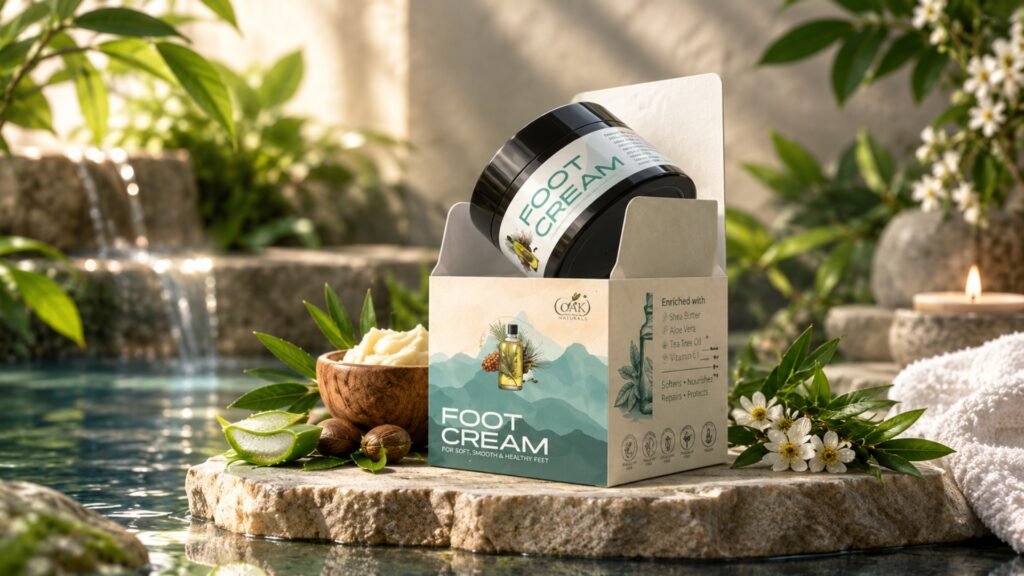
Your feet can also become particularly dry during winter, especially around the heels.
Oak Tree Naturals Foot Cream features ingredients highlighted by the brand, including aloe vera, coconut oil, glycerin, apricot kernel oil and castor oil. It is designed to moisturise dry and rough-looking feet and heels.
If your heels need extra attention after bathing, a dedicated foot-care product can be a useful addition to your routine.
Explore Oak Tree Naturals Foot Cream
Always follow the product directions, check the ingredient list and patch-test new products if you have sensitive skin.
When Should You Be Concerned About Persistent Dry Skin?
Occasional tightness after a winter shower is common, but persistent dryness should not always be dismissed as a seasonal issue.
Consider consulting a dermatologist if you experience:
- Severe or persistent itching.
- Painful cracks or bleeding.
- Redness, swelling or inflammation.
- Dry patches that do not improve with regular moisturising.
- Repeated flare-ups or symptoms that interfere with everyday activities.
Conditions such as eczema and psoriasis can also cause dry, uncomfortable skin. A dermatologist can help identify the cause and recommend appropriate treatment.
Frequently Asked Questions
1. Why does my skin feel tight immediately after a shower?
Your skin may feel tight because hot water, prolonged bathing or harsh cleansing products have removed some of its natural oils. Winter’s low humidity can make the discomfort more noticeable.
2. Should I moisturise immediately after a shower?
Yes. Applying moisturiser while your skin is still slightly damp helps retain moisture. Gently pat your skin dry first and apply your chosen product promptly.
3. Is hot water bad for dry skin?
Very hot water can remove natural oils and worsen dryness. Lukewarm water is generally a better choice, particularly if your skin is sensitive or dry.
4. How long should a winter shower last?
The American Academy of Dermatology recommends keeping showers and baths to approximately five to ten minutes when managing dry skin.
5. Why does my skin feel dry even after applying moisturiser?
Your moisturiser may be too lightweight for your skin’s needs, or other habits such as hot showers and harsh cleansing may continue contributing to dryness. Very dry skin may need a richer cream or ointment.
6. Is aloe vera gel enough for winter dryness?
Aloe vera gel can provide lightweight hydration, but it may not be sufficient for very dry skin. Depending on your needs, you may require a richer moisturiser to help reduce moisture loss.
7. Can I use body moisturiser every day?
Yes. Regular moisturising can help maintain skin comfort, particularly after bathing and whenever your skin feels dry. Choose a product suited to your skin and follow its directions.
Final Thoughts: Make Your Post-Shower Routine Work for Your Skin
If your skin feels tight after a shower in winter, the solution may not be another complicated skincare product. Sometimes, it starts with changing a few everyday habits.
Use lukewarm water, keep showers short, choose gentle cleansing products and avoid rubbing your skin with a rough towel. Most importantly, apply a suitable moisturiser while your skin is still slightly damp.
Your skin deserves care beyond the shower. A consistent routine, combined with products suited to your needs, can help keep it feeling soft, comfortable and moisturised throughout winter.
Explore Oak Tree Naturals’ Aloe Vera Gel for lightweight hydration and Foot Cream for targeted care of dry, rough-looking heels, and choose what fits your skincare routine best.