Dark Spots on Your Face? 9 Causes, Effective Skincare Tips and Ways to Reduce Their Appearance

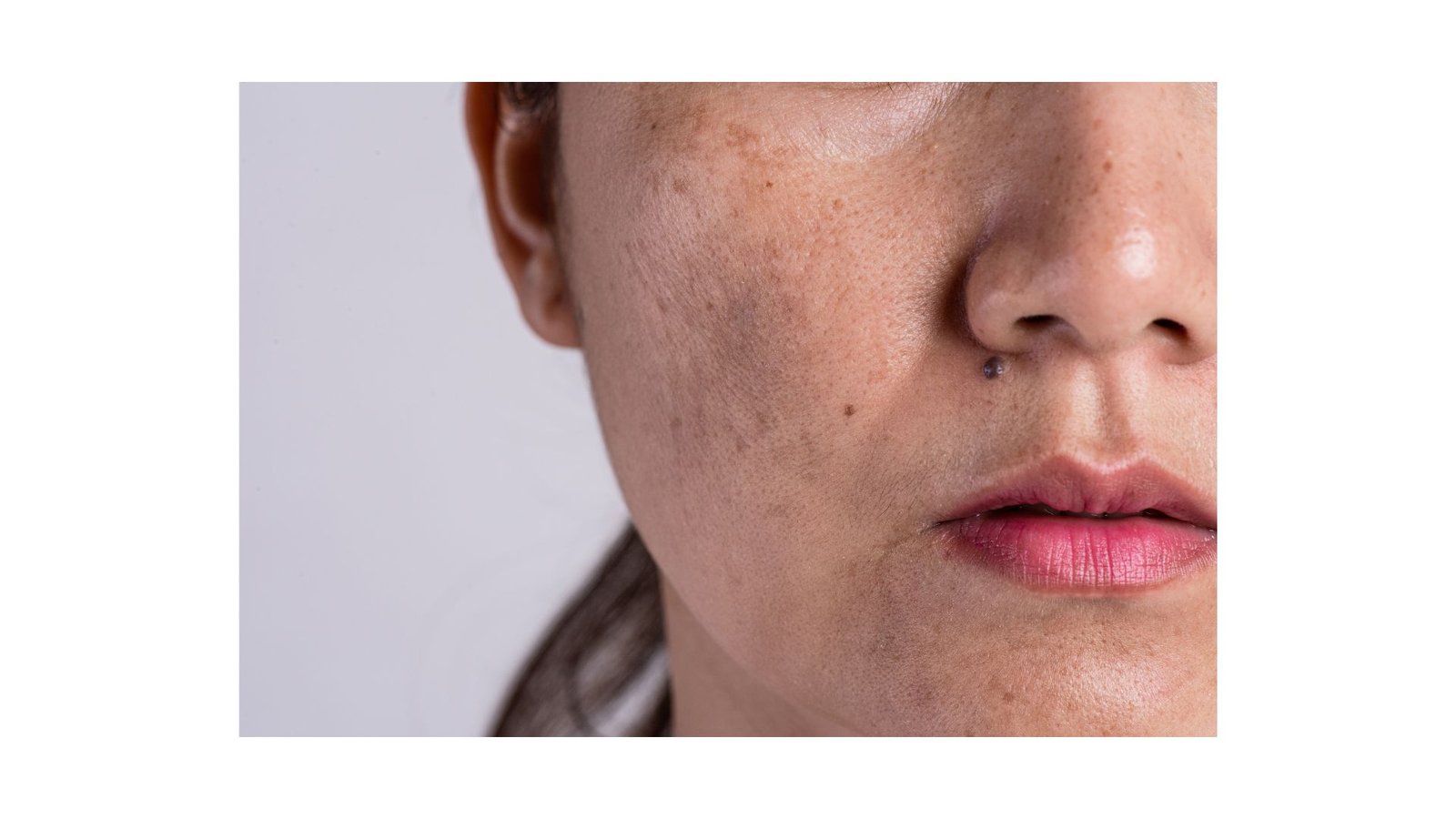
Have you ever noticed a small dark mark on your cheek after a breakout, uneven patches around your forehead, or spots that seem to become more visible after spending time outdoors? Dark spots are a common skincare concern, but understanding why they appear is the first step towards caring for your skin more effectively.
Dark spots, often called hyperpigmentation, develop when certain areas of the skin become darker than the surrounding skin. This usually happens because of changes in melanin, the pigment responsible for skin colour. They can appear on the cheeks, forehead, nose, chin and other areas exposed to sunlight.
The good news is that many types of pigmentation can become less noticeable with the right skincare approach. However, not every dark spot has the same cause, and no single cream or home remedy can guarantee its removal.
In this guide, we explore nine common causes of dark spots, practical skincare tips, ingredients worth understanding and ways to build a routine for a healthier-looking, more even complexion.
Table of Contents
What Causes Dark Spots on Your Face?
Before choosing a skincare product, it helps to understand what may be causing the discolouration. Here are nine common reasons.
1. Sun Exposure
Spending time in the sun without adequate protection can contribute to uneven pigmentation. Ultraviolet (UV) radiation stimulates melanin production, and repeated exposure may lead to darker patches or individual sunspots.
These spots often appear on areas that receive frequent sunlight, including the cheeks, forehead and nose.
What can help: Make broad-spectrum sunscreen with SPF 30 or higher part of your daily routine. Wear a hat and seek shade when outdoors for extended periods.
2. Acne Marks and Previous Breakouts
Have you noticed a dark mark remaining long after a pimple has disappeared? This may be post-inflammatory hyperpigmentation (PIH).
It develops when inflammation or injury triggers excess pigment in the affected area. It is particularly common in people with medium to deeper skin tones.
What can help: Avoid picking, squeezing or repeatedly touching pimples. Use gentle skincare and address active acne appropriately. Reducing irritation can help prevent additional marks.
3. Hormonal Changes and Melasma
Melasma is a pigmentation condition that causes brown or greyish-brown patches, commonly across the cheeks, forehead and upper lip.
Hormonal changes, pregnancy, certain hormonal medications and sun exposure can contribute to its development. Melasma is more common in women, although anyone can develop it.
What can help: Consistent sun protection is essential. Because melasma can be persistent, consult a dermatologist for an accurate diagnosis and suitable treatment options.
4. Skin Irritation from Harsh Products
Sometimes, the products intended to improve your skin can actually make it more irritated.
Strong exfoliants, unsuitable skincare products, excessive cleansing and ingredients that do not agree with your skin may cause inflammation. In some people, this can leave behind darker marks.
What can help: Choose gentle products, introduce new ingredients gradually and avoid combining several strong treatments without guidance. If a product repeatedly causes burning or irritation, stop using it.
5. Cuts, Scratches and Insect Bites
A small scratch, insect bite, burn or other skin injury can sometimes leave a dark mark after healing.
This is another form of post-inflammatory hyperpigmentation. The mark may gradually become less noticeable, although the time required varies.
What can help: Allow the skin to heal without scratching or picking at it. Protect the affected area from sunlight and avoid applying harsh home remedies.
6. Age-Related Sunspots
As skin experiences years of sun exposure, small, flat, brown spots may develop on areas such as the face and hands. These are often called solar lentigines or sunspots.
They are associated with cumulative UV exposure and are different from every other type of pigmentation.
What can help: Daily sun protection can help prevent additional sun-related spots. A dermatologist can assess existing spots and discuss suitable treatments if they are a concern.
7. Certain Medications
Some medications can contribute to skin discolouration or make the skin more sensitive to sunlight. The possibility depends on the medication and the individual’s response.
What can help: If you notice new pigmentation after starting a medicine, speak with the prescribing healthcare professional. Never stop a prescribed medication without medical advice.
8. Genetic Factors and Freckles
Freckles are small areas of increased pigmentation that can be influenced by genetics and sun exposure. Some people naturally develop more freckles than others.
They may become more noticeable after spending time outdoors.
What can help: Use daily sun protection to reduce UV-related darkening and help protect your skin from further sun damage.
9. Underlying Skin or Health Conditions
Not all dark patches are ordinary cosmetic pigmentation. Certain skin conditions and, less commonly, underlying medical conditions can cause changes in skin colour.
For example, some conditions cause darker, thicker-looking skin in body folds, while others produce widespread discolouration.
What can help: Seek medical advice if pigmentation appears suddenly, spreads, changes noticeably or occurs alongside other symptoms. A dermatologist can help identify the cause rather than relying on guesswork.
9 Effective Skincare Tips to Reduce the Appearance of Dark Spots
Once you have a better idea of what may be causing the spots, focus on a routine that protects your skin and avoids unnecessary irritation.
1. Never Skip Sunscreen
If dark spots are your concern, sunscreen deserves a permanent place in your morning routine.
Choose a broad-spectrum sunscreen with SPF 30 or higher. Apply it evenly to exposed skin and reapply according to the product directions, particularly after sweating, swimming or extended outdoor exposure.
For people dealing with melasma or persistent pigmentation, a tinted sunscreen containing iron oxides may offer additional protection against visible light.
Remember: Sunscreen helps prevent pigmentation from becoming more noticeable, but it does not instantly erase existing marks.
2. Cleanse Your Face Gently
A good skincare routine begins with cleansing. Use a gentle face wash that removes dirt, excess oil, sweat and sunscreen without leaving your skin feeling excessively dry.
Avoid scrubbing your face aggressively. Friction and irritation can make post-inflammatory pigmentation worse.
3. Consider Ingredients That Support More Even-Looking Skin
Certain skincare ingredients are commonly used in products designed for uneven skin tone.
Here are some worth knowing:
- Vitamin C: An antioxidant used in skincare formulations to support brighter-looking skin and address the appearance of uneven tone.
- Niacinamide: A form of vitamin B3 that supports the skin barrier and is commonly included in products formulated for uneven-looking skin.
- Azelaic acid: An ingredient used in dermatology for acne-related concerns and certain forms of pigmentation.
- Kojic acid: Used in some topical products formulated to improve the appearance of dark spots.
- Retinoids: Vitamin A derivatives that can help with certain pigmentation concerns, but may cause irritation and require careful introduction.
Not every ingredient suits every skin type. If you have sensitive skin, are pregnant or breastfeeding, or use prescription skincare, seek professional advice before starting active treatments.
4. Keep Your Skin Moisturised
Moisturising does not directly remove pigmentation, but it helps maintain the skin barrier and reduce dryness.
Choose a moisturiser that feels comfortable for your skin type. Well-moisturised skin is generally easier to care for, especially when your routine includes active skincare ingredients.
5. Avoid Harsh DIY Remedies
Lemon juice, baking soda, undiluted essential oils and rough homemade scrubs are not reliable dark-spot treatments.
They may irritate the skin and potentially make pigmentation more noticeable. Natural ingredients are not automatically gentle or suitable for everyone.
Instead of experimenting with harsh mixtures, choose products formulated for facial use.
6. Do Not Over-Exfoliate
Exfoliation can help remove dead skin cells, but excessive exfoliation may damage the skin barrier and cause irritation.
Avoid using multiple exfoliating products together unless a skincare professional has advised you to do so. If your skin becomes red, sensitive or uncomfortable, take a break from exfoliating products.
7. Avoid Picking at Pimples
Picking, scratching or squeezing breakouts can increase inflammation and the risk of post-acne marks.
A gentle cleanser, suitable acne care and consistent moisturising are better starting points than repeatedly trying to remove blemishes manually.
8. Be Consistent Rather Than Switching Products Frequently
Skincare requires patience. Changing products every few days makes it difficult to understand what works for your skin and what causes irritation.
Introduce one new product at a time, follow its directions and monitor how your skin responds.
9. Give Your Skin Time
Dark spots do not usually disappear overnight. According to the American Academy of Dermatology, some spots that are only a few shades darker than the natural skin colour may take six to twelve months to fade naturally. Deeper pigmentation can take considerably longer.
If spots persist, worsen or cause concern, a dermatologist can recommend a treatment suited to their specific cause.
How to Build a Simple Skincare Routine for Dark Spots
You do not need a complicated routine with ten different products. A few suitable products used consistently can make skincare easier to maintain.
Morning routine
- Cleanse your face with a gentle face wash.
- Apply a suitable serum if it is part of your routine.
- Use a moisturiser that suits your skin.
- Finish with broad-spectrum SPF 30 or higher sunscreen.
Evening routine
- Cleanse your face to remove dirt, sunscreen and makeup.
- Apply a suitable targeted skincare product if needed.
- Follow with a moisturiser.
- Avoid unnecessary exfoliation or harsh treatments.
Adjust this routine according to your skin’s needs and any professional advice you have received.
Can Natural Skincare Products Help with Dark Spots?
Natural and botanical-inspired skincare can be an enjoyable part of an everyday routine. However, it is important to distinguish between products that nourish the skin and treatments specifically designed to address pigmentation.
For example, Oak Tree Naturals offers a few products that may complement a skincare routine focused on nourishment and the appearance of uneven skin tone.
Oak Tree Naturals Kumkumadi Cream
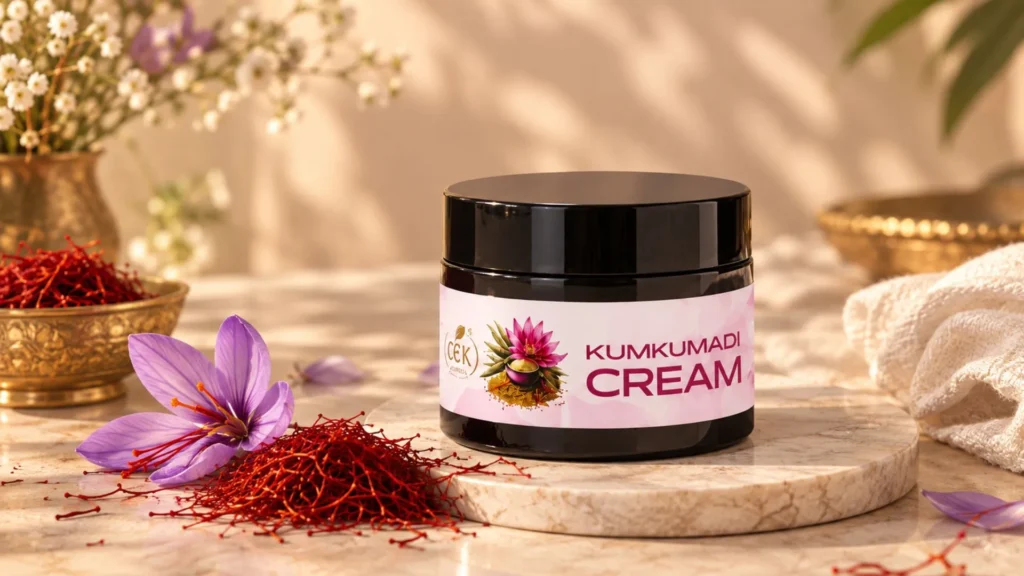
If you prefer a cream-based skincare product, Oak Tree Naturals Kumkumadi Cream is one option to explore.
The brand describes this lightweight cream as helping improve the appearance of dark spots, support a more even-looking complexion and nourish the skin. It is marketed for daily use and all skin types.
It can be considered as part of a regular skincare routine, but it should not be treated as a guaranteed treatment for melasma, acne marks or other medical pigmentation conditions.
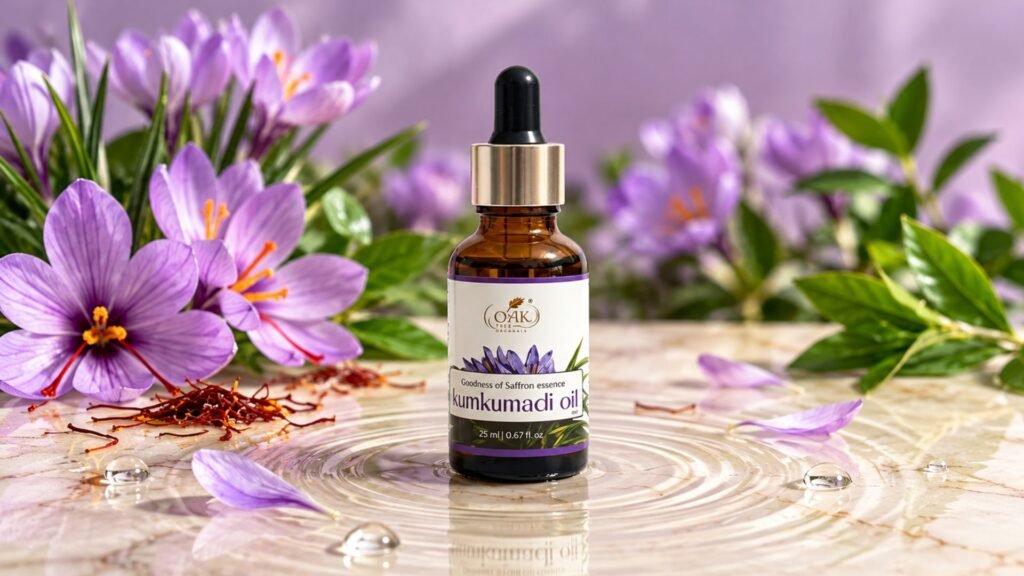
Oak Tree Naturals Kumkumadi Oil
For those who enjoy oil-based skincare, Oak Tree Naturals Kumkumadi Oil is another option.
According to the brand, it contains saffron, sandalwood and herbal extracts and is intended to hydrate the skin and improve the appearance of dark spots and uneven skin tone.
If you prefer facial oils, review the product details and directions to decide whether its texture suits your skin.
A helpful reminder: Neither product replaces sunscreen or dermatologist-recommended treatment. Check the complete ingredient list before use, particularly if you have sensitive skin or known allergies. Patch-test new products before incorporating them into your regular routine.
Common Mistakes to Avoid When Caring for Dark Spots
Even a good skincare routine can become less effective when certain habits repeatedly irritate the skin.
Watch out for these mistakes:
- Skipping sunscreen during cloudy weather.
- Expecting dark spots to disappear within a few days.
- Using lemon juice or harsh homemade mixtures on the face.
- Combining several strong exfoliating ingredients.
- Picking pimples or scratching healing skin.
- Buying products that promise instant or permanent skin whitening.
- Continuing to use a product that causes persistent irritation.
The aim should be healthier-looking skin and a more even-looking complexion, not changing your natural skin colour.
Frequently Asked Questions About Dark Spots on the Face
1. What is the main cause of dark spots on the face?
Common causes include sun exposure, acne-related inflammation, hormonal changes, skin irritation and ageing. The exact cause varies from person to person.
2. How can I reduce dark spots naturally?
Start with daily sunscreen, gentle cleansing, moisturising and avoiding skin irritation. Botanical skincare products may complement your routine, but natural remedies are not guaranteed treatments for pigmentation.
3. Can dark spots disappear on their own?
Some dark marks, particularly those left after minor inflammation, may gradually fade. However, the time required depends on their cause and depth. Other forms of pigmentation may need professional treatment.
4. Does sunscreen help with dark spots?
Yes. Sunscreen helps protect the skin from UV radiation, which can contribute to pigmentation and make existing spots more noticeable. Choose broad-spectrum SPF 30 or higher and follow the application instructions.
5. Is moisturiser necessary for pigmentation-prone skin?
Yes, moisturising can help maintain the skin barrier and reduce dryness. However, a moisturiser alone should not be expected to treat every type of pigmentation.
6. Can I use Kumkumadi Cream for dark spots?
Oak Tree Naturals describes its Kumkumadi Cream as helping improve the appearance of dark spots and uneven skin tone. It can be considered as part of a regular skincare routine, although results vary and it is not a medical treatment for pigmentation disorders.
7. How long does it take for dark spots to fade?
It depends on the cause and depth of pigmentation. Some spots may take several months to fade, while deeper pigmentation can take years or require professional treatment.
8. Are dark spots and melasma the same?
No. Melasma is one particular pigmentation condition that causes darker patches, commonly on the face. Other dark spots may result from acne, sun exposure, injury or ageing. A dermatologist can help distinguish between them.
Final Thoughts: Give Your Skin Consistent, Thoughtful Care
Dark spots can develop for many reasons, from previous breakouts and sun exposure to hormonal changes and skin irritation. Understanding their cause is more useful than trying every trending skincare remedy.
Build your routine around gentle cleansing, moisturising and daily sun protection. Choose skincare products carefully, avoid harsh DIY treatments and give your skin enough time to respond.
If you are exploring botanical-inspired skincare, Oak Tree Naturals Kumkumadi Cream and Kumkumadi Oil are options to consider for nourishing the skin and improving the appearance of uneven-looking tone. Choose products based on your skin’s needs, check their ingredients and maintain realistic expectations.
Most importantly, remember that healthy skin does not have to look perfectly spotless. The goal is to care for your natural complexion with patience, consistency and the right information.