Apricot Scrub Benefits: Why This Body Scrub Is Worth Adding to Your Routine?

Apricot Scrub Benefits: What Does a Body Scrub Actually Do?
A body scrub is more than an extra step in the shower. When used correctly, exfoliation can help remove dead skin cells from the skin’s surface, leaving areas that feel rough or dull noticeably smoother.
That is where the apricot scrub benefits come into the picture.
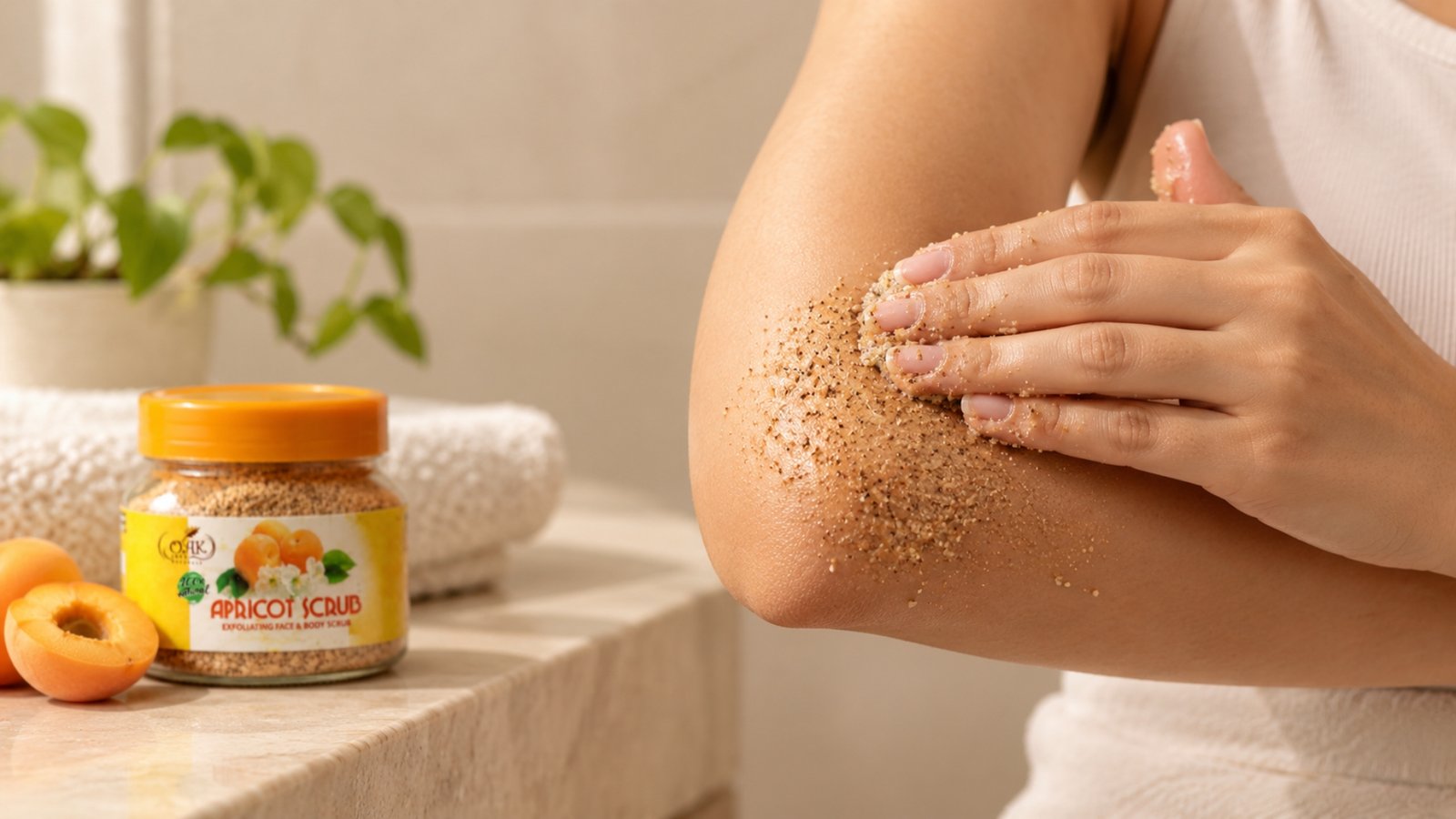
Apricot scrubs are physical exfoliators. Instead of relying on an acid to loosen dead skin cells, the textured particles in the scrub help lift away surface buildup through gentle massage. The American Academy of Dermatology describes this type of exfoliation as mechanical exfoliation and recommends using it carefully because excessive or aggressive exfoliation can irritate the skin.
For body care, exfoliation can be particularly useful on areas that commonly feel rough, such as the elbows, knees, and other areas exposed to friction or dryness.
But the goal isn’t to scrub as hard as possible.
Effective exfoliation should leave your skin feeling smoother, not sore, tight, or irritated.
Table of Contents
What Are the Main Apricot Scrub Benefits?
A well-used body scrub can serve a simple purpose: remove surface buildup and improve how the skin feels and looks.
Here are some of the most useful benefits to understand.
1. Helps Remove Dead Skin Cells
One of the primary purposes of exfoliation is removing dead cells from the outer layer of the skin.
As these cells accumulate, the skin can sometimes look dull or feel rough. A physical scrub helps loosen and remove some of this surface buildup.
Oak Tree Naturals describes its Apricot Scrub as being formulated with crushed apricot kernels to exfoliate dead skin cells gently. (oaktreenaturals.in)
This doesn’t mean that every scrub should be used frequently or aggressively. The amount and frequency of exfoliation should match what your skin tolerates.
2. Helps Smooth Rough Body Skin
Roughness is one of the easiest changes to notice after exfoliation.
Areas such as elbows and knees can become particularly textured because of dryness, friction, and repeated movement. Gentle exfoliation can help remove some of the surface buildup responsible for that rough feeling.
The result isn’t a permanent change in the skin, but the surface can feel smoother after removing excess dead skin.
3. Can Make Skin Look Fresher and Brighter
When dull surface cells are removed, the skin underneath may appear fresher and more radiant.
This is different from “lightening” your natural skin tone.
A scrub should not be promoted as a skin-whitening treatment. Its cosmetic benefit is better understood as removing surface buildup that can make skin look dull.
Oak Tree Naturals similarly describes its apricot scrub as helping reveal a brighter, healthier-looking complexion.
4. Helps Remove Surface Impurities and Excess Oil
The Oak Tree Naturals product page states that its Apricot Scrub helps remove dead skin cells, excess oil, and impurities.
For body care, this can be useful after everyday exposure to sweat, dust, and environmental buildup.
However, a scrub isn’t a replacement for regular cleansing. Think of cleansing and exfoliation as two different steps:
- Cleansing removes everyday dirt, sweat, and other surface substances.
- Exfoliation helps remove accumulated dead skin cells from the surface.
You generally don’t need to scrub every time you shower.
5. Can Leave Skin Feeling Softer
One of the most noticeable apricot scrub benefits is the change in skin texture.
Once surface buildup is removed, the skin can feel softer and smoother to the touch. This can be particularly noticeable on areas that tend to become dry or rough.
Following exfoliation with a suitable moisturizer can also help maintain skin comfort. Dermatologists recommend moisturizing after exfoliation because exfoliating can leave skin dry.
6. Makes a Useful Addition to a Weekly Body-Care Routine
A body scrub doesn’t have to be an everyday product.
In fact, using it less frequently can be a better approach because over-exfoliation may lead to redness, dryness, and irritation. The American Academy of Dermatology recommends adjusting exfoliation frequency according to skin type and the exfoliation method being used.
For its own product, Oak Tree Naturals currently recommends using its Apricot Scrub two to three times a week.
If your skin is sensitive, however, you may need to exfoliate less often.
Why Choose an Apricot-Based Body Scrub?
The appeal of an apricot scrub isn’t simply the word “apricot.”
The physical texture of the product matters. Oak Tree Naturals says its 50g Apricot Scrub uses finely crushed apricot kernels as the exfoliating component and combines them with nourishing botanicals.
That gives the product a naturally textured feel designed for physical exfoliation.
Still, an important skincare principle is worth remembering:
Natural does not automatically mean irritation-free.
Any exfoliating product can be too much for particular skin types or when used too aggressively. Your skin’s response matters more than whether an ingredient sounds natural.
Apricot Scrub vs. Regular Body Wash: What’s the Difference?
It is easy to assume that a body scrub replaces your regular body wash, but the two products have different roles.
Body Wash ,Body Scrub
Primarily cleanses the skin Primarily exfoliates the skin
Removes sweat, dirt, and surface buildup Helps remove dead surface skin cells
Generally used more frequently Usually used less frequently
Focuses on cleansing Focuses on texture and exfoliation
Doesn’t require physical scrubbing Requires gentle massage
This is why a scrub works best as an additional body-care step, rather than as a replacement for cleansing.
How to Use an Apricot Body Scrub Correctly
Using a scrub properly matters just as much as choosing one.
Step 1: Wet Your Skin
Start with damp skin during or after a shower.
Lukewarm water is preferable to very hot water, especially if your skin tends to become dry or sensitive.
Step 2: Apply a Small Amount
Take a small amount of scrub and apply it to the areas you want to exfoliate.
For a body-focused routine, you might concentrate on:
- Elbows
- Knees
- Arms
- Legs
- Other areas that feel rough or dull
Step 3: Massage Gently
Use small, circular movements with light pressure.
There is no benefit to aggressively rubbing the skin. The American Academy of Dermatology recommends gentle application for mechanical exfoliation and advises against harsh scrubbing.
Step 4: Rinse Thoroughly
Wash the scrub away with lukewarm water.
Make sure no product remains sitting on the skin.
Step 5: Moisturize
After exfoliating, apply a suitable body moisturizer.
This helps maintain skin comfort after the exfoliation step.
How Often Should You Use an Apricot Scrub?
There isn’t one frequency that works for everyone.
The appropriate schedule depends on the product, your skin type, and how your skin reacts.
Oak Tree Naturals currently recommends its Apricot Scrub two to three times per week. (oaktreenaturals.in)
However, that doesn’t mean everyone needs to exfoliate three times weekly.
Consider starting less frequently if:
- Your skin is sensitive
- You are new to physical exfoliation
- Your skin frequently becomes dry
- You already use other exfoliating products
- You notice redness or irritation after scrubbing
The AAD specifically advises against over-exfoliating because excessive exfoliation can cause redness and irritation.
Who Should Be Careful With Body Scrubs?
Physical exfoliation isn’t suitable for everyone in every situation.
If your skin is already irritated, sunburned, wounded, or unusually sensitive, it’s better to avoid exfoliating until the skin has recovered. The AAD advises against exfoliating open cuts or wounds and sunburned skin.
You should also be cautious if you already use products that can increase skin sensitivity or peeling, including some retinoid or acne treatments. Combining several potentially irritating steps can make discomfort more likely.
If you regularly experience burning, persistent redness, itching, or other unusual reactions, stop using the product and consider speaking with a dermatologist.
Common Body Scrub Mistakes to Avoid
Scrubbing Too Hard
More pressure doesn’t mean better exfoliation.
Aggressive scrubbing can irritate the skin. Gentle circular movements are enough.
Using It Every Day
Daily physical exfoliation isn’t necessary for most people and can contribute to irritation.
Follow the product instructions and adjust based on how your skin responds.
Using Very Hot Water
Hot water can contribute to dryness and discomfort. Lukewarm water is a better choice when exfoliating.
Forgetting Moisturizer
Exfoliation should be followed by appropriate moisturizing, particularly if your skin tends to feel dry.
Assuming “Natural” Means Suitable for Everyone
Even botanical or naturally derived ingredients can cause irritation or sensitivity in some people.
Always consider the complete formulation and your individual skin response.
Using a Body Scrub on the Face Without Checking the Product
Body and facial skin can have different needs.
For this reason, don’t assume that every body scrub is automatically appropriate for facial use. Check the product’s intended application and instructions first.
Oak Tree Naturals Apricot Scrub: A Simple Exfoliation Step
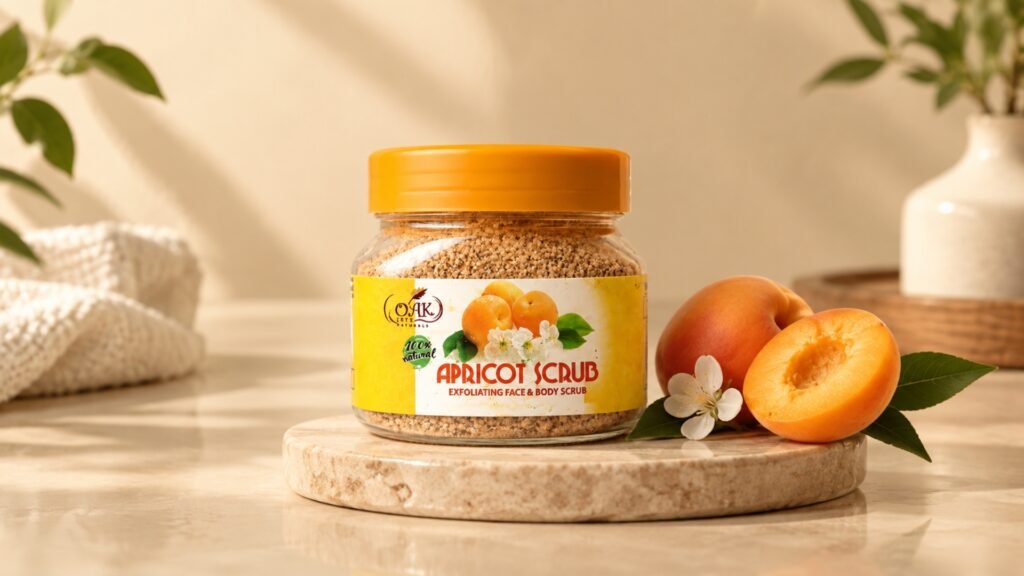
If you’re looking for a straightforward exfoliation product, Oak Tree Naturals Apricot Scrub (50g) is positioned by the brand as a gentle exfoliating scrub made with crushed apricot kernels.
The current product page says it helps remove dead skin cells, excess oil, and impurities, while helping the skin feel smoother and look more radiant. It is listed under Skin Essentials .
The product page also recommends applying a small amount to damp skin, massaging gently in circular motions, rinsing thoroughly, and following with moisturizer.
For a body-care routine, this makes the most sense as an occasional exfoliation step rather than a replacement for everyday cleansing.
Explore Oak Tree Naturals Apricot Scrub 50g
How to Build a Simple Body-Care Routine Around Exfoliation
You don’t need a complicated routine to care for your body.
A practical routine can look like this:
1. Cleanse
Use your regular body cleanser or soap to remove sweat and everyday dirt.
2. Exfoliate occasionall
Use your apricot body scrub according to the product instructions and your skin’s tolerance.
3. Rinse thoroughly
Remove all scrub residue without aggressive rubbing.
4. Moisturize
Apply body moisturizer while the skin is comfortable and clean.
5. Protect exposed skin
If areas of your body are exposed to sunlight, use appropriate sun protection.
This approach keeps exfoliation in its proper place: a supportive step in body care, not the entire routine.
Final Thoughts on Apricot Scrub Benefits
The biggest apricot scrub benefits are relatively simple: physical exfoliation can help remove dead surface skin cells, smooth rough-feeling areas, and make the skin look fresher.
The key is moderation.
A body scrub works best when you use gentle pressure, avoid irritated skin, follow an appropriate schedule, and moisturize afterward. Exfoliation should complement your skincare routine rather than overwhelm it.
Oak Tree Naturals Apricot Scrub uses crushed apricot kernels as its exfoliating component and is currently recommended by the brand for use two to three times weekly. (oaktreenaturals.in)
If smoother-feeling body skin is what you’re looking for, a carefully used apricot scrub can be a practical addition to your weekly routine.
FAQ Section
1. What are the benefits of apricot scrub?
Apricot scrub can help physically exfoliate dead skin cells, remove surface buildup, smooth rough-feeling skin, and make the skin appear fresher and more radiant. The results depend on the formulation and how the product is used.
2. Is apricot scrub good for the body?
Yes, a suitable apricot scrub can be used as a body exfoliator. It can be particularly useful for rough or dull-feeling areas such as elbows and knees. Use gentle pressure and follow the product’s instructions.
3. How often should I use an apricot body scrub?
The ideal frequency depends on your skin and the product. Oak Tree Naturals recommends using its Apricot Scrub two to three times a week, while sensitive skin may require less frequent exfoliation.
4. Can I use an apricot scrub every day?
Daily physical exfoliation is generally unnecessary and may increase irritation. Exfoliation should be limited according to your skin’s tolerance and the product instructions.
5. Should I use body scrub before or after body wash?
For a simple routine, cleanse first and then exfoliate. This allows the scrub to be used on clean, damp skin without replacing your normal cleansing step.
6. Should I moisturize after using a body scrub?
Yes. Dermatologists recommend applying moisturizer after exfoliation because exfoliating can leave the skin dry.
7. Can sensitive skin use an apricot scrub?
Sensitive skin may be more easily irritated by mechanical exfoliation. If your skin is sensitive, introduce physical exfoliation cautiously, use very gentle pressure, and stop if burning, redness, or irritation develops.
8. Does apricot scrub lighten skin?
An apricot scrub should not be considered a skin-lightening treatment. Exfoliation can remove dull surface cells, which may make skin appear temporarily brighter, but that is different from changing your natural skin tone.