Almond Coco Lip Balm: 5 Powerful Ways to Rescue Dry, Chapped Lips


Dry, chapped lips can make even a simple day feel uncomfortable. Tightness, flaking, rough patches, and visible cracks can occur when the delicate skin on your lips loses moisture. Cold weather, dry air, sun exposure, and frequently licking your lips can make the problem worse.
Unlike the skin on many other parts of your body, your lips have a relatively weak protective barrier and are particularly vulnerable to environmental conditions. This makes regular lip care an important part of your everyday skincare routine.
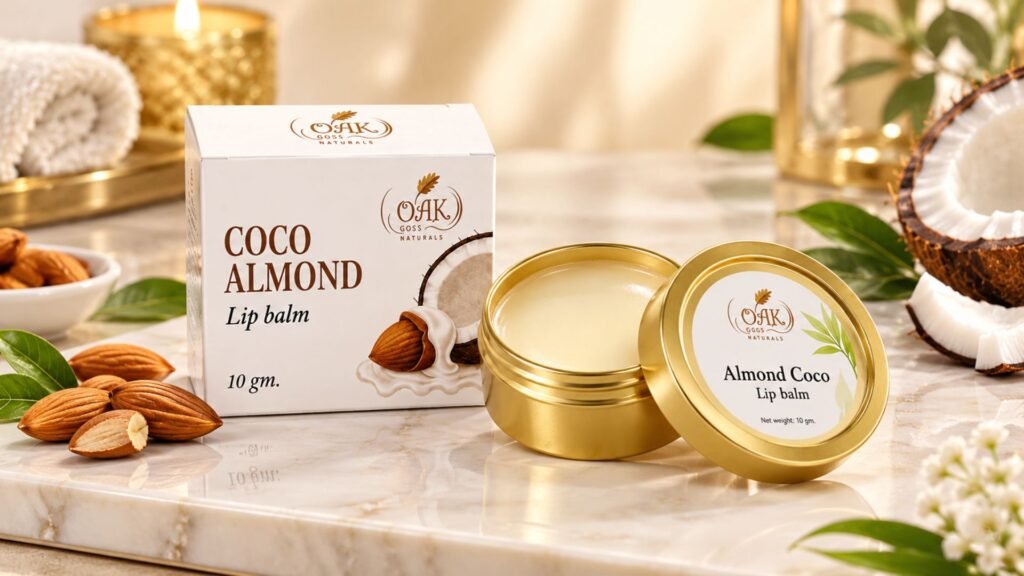
Almond Coco Lip Balm is an option for people looking to keep their lips feeling soft, smooth, and moisturized. Oak Tree Naturals offers a lip balm formulated with almond oil and coconut, with a lightweight, non-sticky texture designed for everyday use.
But applying lip balm is only one part of caring for dry lips. Understanding what causes dryness, choosing suitable ingredients, and developing consistent habits can make your routine more effective.
In this guide, we explore five practical ways Almond Coco Lip Balm can fit into your lip-care routine, how to apply it correctly, common mistakes to avoid, and when persistent dryness may need professional attention.
Table of Contents
Why Do Lips Become Dry and Chapped?
Before choosing a lip balm, it helps to understand why your lips become dry in the first place.
Several everyday factors can contribute to chapped lips:
- Cold and dry weather: Low humidity and cold air can increase moisture loss.
- Sun exposure: Ultraviolet radiation can affect the delicate skin of your lips.
- Lip licking: Saliva evaporates quickly and can leave lips feeling even drier.
- Dehydrating environments: Air conditioning, heating, and windy conditions can contribute to discomfort.
- Irritating products: Certain fragrances, flavours, and other ingredients may irritate sensitive lips.
- Picking or biting: Removing flaky skin can cause further irritation and cracking.
The right approach combines gentle care with a suitable moisturizing product. Almond Coco Lip Balm can be part of this routine, while avoiding habits that repeatedly irritate your lips helps support longer-lasting comfort.
5 Powerful Ways Almond Coco Lip Balm Can Help Care for Dry Lips
1. Helps Keep Lips Soft and Moisturized
One of the main reasons to use a lip balm is to reduce the uncomfortable feeling associated with dryness.
When your lips lose moisture, their surface may feel rough, tight, or flaky. A suitable lip balm helps condition the surface and can reduce moisture loss, depending on its ingredients and formulation.
Oak Tree Naturals Almond Coco Lip Balm combines almond oil and coconut in a formula designed to moisturize dry, chapped lips. Its purpose is to leave the lips feeling softer and more comfortable.
Regular application can be particularly useful when your lips are exposed to cold air, wind, or indoor environments that contribute to dryness.
How to use it: Apply a thin, even layer whenever your lips begin to feel dry. Reapply after eating or drinking when needed, following the product directions.
Remember that individual results vary. A moisturizing balm can improve comfort, but severely cracked or persistently irritated lips may require additional care.
2. Helps Improve the Feel of Rough, Flaky Lips
Rough, flaky lips can be tempting to scrub or peel, especially when dry skin becomes visible. However, pulling at loose skin can create small injuries and make irritation worse.
A moisturizing lip balm offers a gentler approach by helping keep the lip surface conditioned.
Almond Coco Lip Balm is described by Oak Tree Naturals as having a smooth, non-sticky texture that glides across the lips. This can make it convenient for regular application throughout the day.
Rather than aggressively exfoliating your lips, focus on keeping them moisturized and avoiding picking or biting. Allow loose skin to settle naturally instead of pulling it away.
A helpful habit: Keep your lip balm in your bag or beside your workspace so you can apply it when dryness becomes noticeable.
3. Provides Nourishing Care With Almond Oil and Coconut
The ingredients in a lip balm influence its texture and how it conditions the lips.
Almond oil is commonly used in cosmetic formulations because of its emollient properties. Emollients help soften the skin and improve its feel. Coconut-derived ingredients are also used in skincare and lip-care products for their conditioning properties.
Oak Tree Naturals Almond Coco Lip Balm features almond oil and coconut as key ingredients in its product description. The combination is intended to provide moisture and leave the lips feeling smooth and nourished.
However, the precise benefits depend on the complete formula, including the type and amount of each ingredient. The presence of almond oil or coconut alone does not guarantee that a product will heal every case of chapped lips.
If you have a known allergy to almonds or other ingredients in a cosmetic product, check the complete ingredient list before use. Discontinue use if you experience irritation.
4. Makes Everyday Lip Care Simple and Convenient
Lip care is easier to maintain when the product fits naturally into your routine.
A convenient lip balm can be used at home, while travelling, at college, or during work. The key is to apply it regularly instead of waiting until your lips become extremely dry.
Almond Coco Lip Balm comes in a 10 g format, making it a practical option to keep in a handbag, backpack, or bedside drawer.
Consider these simple moments for application:
- After your morning skincare routine.
- Before heading outdoors, alongside appropriate sun protection for your lips.
- After meals or drinks, when the balm may have worn away.
- Whenever your lips feel tight or uncomfortable.
- Before bed, if the product directions allow overnight use.
Consistent care is generally more useful than applying a large amount only after your lips have become severely chapped.
5. Helps Maintain a Smooth, Comfortable Lip-Care Routine
Healthy-looking lips benefit from more than a single application of lip balm. They also need protection from habits and environmental conditions that contribute to dryness.
Almond Coco Lip Balm can serve as your regular moisturizing step while you build better lip-care habits.
For example, avoid licking your lips repeatedly, resist the urge to peel away flakes, and choose gentle products that do not cause stinging or burning. If your lips are frequently exposed to sunlight, choose a separate lip balm labelled with broad-spectrum SPF protection.
Oak Tree Naturals describes its Almond Coco Lip Balm as lightweight and non-sticky, intended to help keep lips feeling soft and moisturized during everyday use.
The most suitable product is one that feels comfortable on your lips and does not trigger irritation. If a balm consistently causes burning, redness, or itching, stop using it and review its ingredients.
How to Use Almond Coco Lip Balm for the Best Results
Using your lip balm correctly can help you maintain a consistent routine.
Step 1: Start With Clean Lips
Gently remove food residue or makeup with a mild product that does not leave your lips feeling tight. Avoid rubbing with rough towels or tissues.
Step 2: Apply an Even Layer
Glide Almond Coco Lip Balm over your upper and lower lips. Use enough to cover the surface comfortably without repeatedly rubbing the product in.
Step 3: Reapply When Needed
Lip balm can wear off after meals, drinks, or wiping your mouth. Reapply according to your needs and the product instructions.
Step 4: Include It in Your Night-Time Routine
If the product directions permit, apply a layer before bed. Overnight application can be a convenient way to maintain your lip-care routine.
Step 5: Protect Your Lips Outdoors
A regular moisturizing balm should not automatically be considered sun protection. During the day, use a lip product labelled broad-spectrum SPF 30 or higher and reapply it as directed.
Dermatology guidance also recommends avoiding lip licking and irritating products when managing dry, chapped lips. See the American Academy of Dermatology’s lip-care guidance for additional advice.
Common Lip-Care Mistakes to Avoid
Even when you use a good lip balm, certain habits can contribute to persistent dryness.
Licking your lips frequently: Saliva evaporates and can leave the lips feeling drier. Try applying a suitable balm instead.
Peeling flaky skin: Pulling off loose skin can cause bleeding, cracks, and irritation. Let the skin settle naturally.
Using irritating products: Strong fragrances, flavourings, menthol, and camphor can irritate some people. If a product stings or burns, stop using it.
Skipping sun protection: The lips are exposed to sunlight, too. Use a lip product with suitable SPF protection outdoors.
Expecting instant healing: Moisturizers can help improve comfort, but the time needed for dry lips to recover depends on the cause and severity.
Ignoring persistent symptoms: Cracking, bleeding, swelling, or dryness that does not improve may require medical evaluation.
These habits are worth addressing alongside the regular use of Almond Coco Lip Balm. A product works best when it is part of a routine that also avoids preventable irritation.
How to Choose a Lip Balm for Dry, Chapped Lips
Not every lip balm is suitable for every person. Before choosing one, consider the following factors.
What to consider | Why it matters.
Moisturizing ingredients Emollients and suitable occlusive ingredients can help soften lips and reduce moisture loss.
Texture A comfortable texture makes regular application easier.
Personal sensitivities Fragrances, flavours, and some botanical ingredients can irritate sensitive lips.
Sun protection Choose a separately labelled SPF lip balm for outdoor protection.
Packaging and directions Check the ingredient list, application instructions, and warnings before use.
If you have sensitive lips, choose products that do not trigger stinging or burning. For severely chapped lips, a simple, fragrance-free ointment may sometimes be a better option than a flavoured or fragranced product.
Almond Coco Lip Balm may suit people looking for a daily balm with almond oil and coconut, provided the ingredients agree with their skin.
Discover Oak Tree Naturals Almond Coco Lip Balm
If you are looking for a simple addition to your everyday lip-care routine, Oak Tree Naturals offers Almond Coco Lip Balm in a 10 g pack.
According to the brand’s official product page, the balm combines almond oil and coconut oil and is designed to moisturize dry, chapped lips. The product description highlights its lightweight, non-sticky formula and smooth application.
The balm is intended for everyday use, with reapplication as needed throughout the day. You can also review the current product instructions for guidance on application.
Explore the product here:
Shop Oak Tree Naturals Almond Coco Lip Balm — 10 g
Before purchasing, check the complete ingredient list if you have allergies or sensitive skin. If your lips are severely cracked or remain irritated despite suitable care, seek advice from a qualified healthcare professional.
Final Thoughts
Dry, chapped lips can be uncomfortable, but a simple and consistent lip-care routine can help improve their feel and appearance.
Almond Coco Lip Balm from Oak Tree Naturals combines almond oil and coconut in a lightweight formula designed to help moisturize and condition the lips. It can be a convenient option for everyday care when its ingredients suit your needs.
For better results, apply balm regularly, avoid licking or picking your lips, protect them from sunlight, and choose products that do not irritate your skin.
Remember that persistent cracking or inflammation may have causes beyond ordinary dryness. If your lips do not improve with gentle care, consult a healthcare professional.
Soft, comfortable lips start with suitable products and everyday habits that help protect them from unnecessary irritation.
FAQ Section
1. What is Almond Coco Lip Balm used for?
Almond Coco Lip Balm is designed to moisturize and condition dry lips. Oak Tree Naturals describes its formula as combining almond oil and coconut to help lips feel soft, smooth, and nourished.
2. Can Almond Coco Lip Balm help with dry, chapped lips?
A suitable moisturizing lip balm can help reduce dryness and improve comfort. Results depend on the formulation and the cause of the chapping. Persistent cracking may need professional advice.
3. How often should I apply Almond Coco Lip Balm?
Apply it whenever your lips feel dry and reapply after meals or drinks as needed. Follow the product’s instructions and avoid excessive rubbing.
4. Can I apply Almond Coco Lip Balm before sleeping?
You can include it in your night-time routine if the product directions permit. Applying lip balm before bed is a convenient way to maintain regular lip care.
5. Is Almond Coco Lip Balm suitable for sensitive lips?
Suitability depends on the complete ingredient list and your personal sensitivities. Check for ingredients that have caused reactions before and discontinue use if irritation develops.
6. Does Almond Coco Lip Balm protect lips from the sun?
Do not assume that it provides SPF protection unless the packaging specifically confirms it. Use a broad-spectrum lip balm with SPF 30 or higher when outdoors.
7. Why do my lips remain chapped even when I use lip balm?
Possible reasons include lip licking, irritating ingredients, environmental exposure, allergies, or an underlying skin condition. Try avoiding irritants and seek medical advice if the problem persists.
8. Where can I buy Oak Tree Naturals Almond Coco Lip Balm?
You can view the product details and current availability on the official Oak Tree Naturals product page.