Under Eye Cream: 7 Powerful Tips to Make Your Eye-Care Routine More Effective

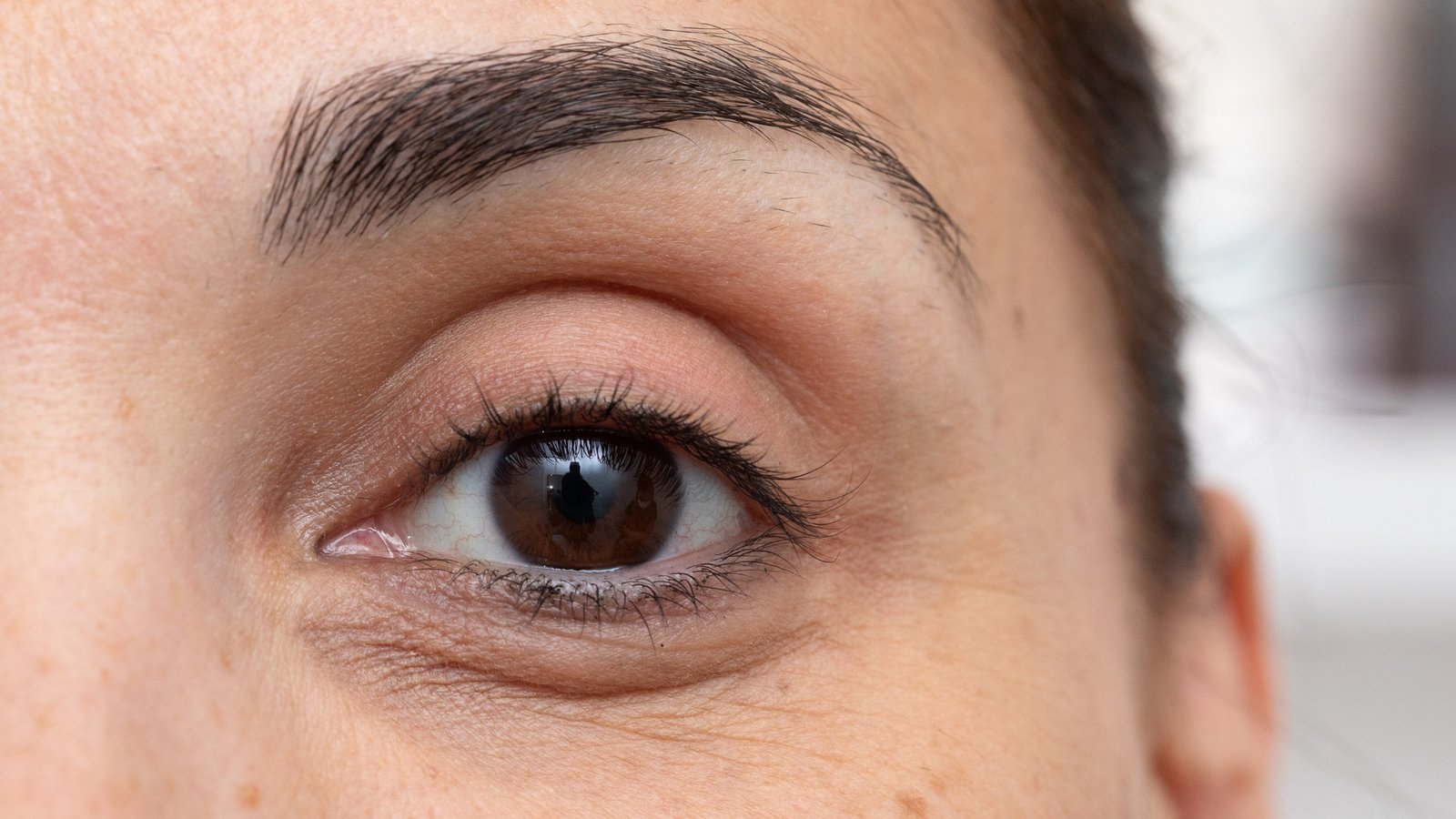
Using an under-eye cream? Discover 7 powerful tips for a better eye-care routine, from application and hydration to sleep and sun protection.
Look in the mirror after a late night, and there’s one area that often gives you away first: the skin under your eyes.
Dark-looking circles, puffiness, dryness, and fine lines can make your face appear tired even when you’re feeling completely fine.
That’s why an under-eye cream has become a popular addition to skincare routines. But here’s the part many people miss: simply buying an eye cream isn’t enough. How you apply it, what you expect from it, and what you do around it can make your eye-care routine much more sensible.
The skin around your eyes is delicate, and dark circles don’t have just one cause. Genetics, aging, allergies, lack of sleep, dehydration, rubbing your eyes, and sun exposure can all contribute to their appearance.
So, instead of treating an under-eye cream as a magic eraser, think of it as one part of a complete eye-care routine.
Here are seven practical tips that can help you make that routine more effective.
Table of Contents
What Does an Under-Eye Cream Actually Do?
Before talking about application, it’s worth clearing up a common misconception.
An under-eye cream is a skincare product designed specifically for the delicate skin around the eyes. Depending on its formulation, an eye cream may focus on concerns such as:
- Dryness
- Dehydrated-looking skin
- Puffiness
- The appearance of dark circles
- Fine lines
- Loss of a smooth-looking texture
- Overall dull or tired-looking skin
The important word here is appearance.
Dark circles can have several different causes. For example, some people naturally have more visible pigmentation, while others may have shadows caused by the shape of the eye area or changes associated with aging. Lack of sleep, allergies, and dehydration can also make the area look darker or more tired.
That means one cream cannot realistically address every possible cause.
But a well-chosen eye-area product can still be useful as part of a consistent skincare routine.
7 Powerful Tips to Make Your Under-Eye Cream Routine More Effective
1. Apply Your Under-Eye Cream Gently
The first rule of eye-area skincare is simple:
Don’t treat the skin under your eyes like the skin on your forehead.
The area is delicate, so there’s no need to rub, stretch, or massage it aggressively.
Instead:
- Cleanse your face gently.
- Take a small amount of under-eye cream.
- Place tiny dots beneath the eye.
- Use your ring finger to tap or spread the product gently.
- Avoid pulling or dragging the skin.
- Keep the product away from direct contact with the eyes.
Oak Tree Naturals’ own guidance similarly recommends using a small amount and applying it gently without unnecessary rubbing or tugging.
Why use your ring finger?
The ring finger naturally tends to apply less pressure than the index finger, making it convenient for gentle application.
The goal isn’t to massage the product deeply into the skin.
The goal is to distribute it comfortably.
2. Don’t Apply Too Much Product
More cream doesn’t automatically mean better results.
It’s tempting to think that if a tiny amount is good, a thick layer must be even better.
Not necessarily.
Using excessive product around the eyes can feel heavy and may increase the chance of the product migrating toward the eyes, particularly if you apply too much before going to bed.
Start with a small amount and follow the product’s directions.
A good eye-care routine should feel comfortable—not sticky, heavy, or irritating.
A useful rule:
Small amount + gentle application + consistency > large amount + aggressive rubbing
That simple change can make your routine easier to maintain.
3. Make Sleep Part of Your Eye-Care Routine
Here’s something an eye cream cannot replace:
adequate sleep.
If you’ve been sleeping poorly, your under-eye area may make it obvious.
Lack of sleep can contribute to a tired-looking appearance and make blood vessels beneath the thin skin more noticeable. Cleveland Clinic lists insufficient sleep among the factors that can contribute to dark circles.
So don’t think of eye care as something that happens only in front of the bathroom mirror.
Your routine also includes:
- Getting consistent sleep
- Managing stress
- Staying adequately hydrated
- Taking breaks when your eyes feel tired
- Avoiding unnecessary eye rubbing
You can apply the best under-eye cream in the world, but it shouldn’t be expected to compensate for consistently poor sleep.
4. Stop Rubbing Your Eyes
This is one of those habits that seems harmless—until you realize how often you do it.
You rub your eyes when you’re sleepy.
You rub them when they itch.
You rub them after staring at a screen.
You rub them when you’re tired.
But repeated rubbing can irritate the delicate skin around the eyes and may contribute to swelling and the appearance of dark circles. Cleveland Clinic specifically identifies eye rubbing as one potential contributor.
Instead, if your eyes feel irritated or itchy, try to identify the underlying reason.
For example, allergies can contribute to dark-looking circles under the eyes, sometimes called allergic shiners.
If itching or irritation is persistent, treating the underlying issue may be more useful than simply applying more skincare.
5. Don’t Forget Sun Protection
Your eye-care routine shouldn’t stop at the under-eye cream.
The skin around your eyes is exposed to sunlight just like the rest of your face.
UV exposure can contribute to pigmentation and visible skin aging, while wearing sunglasses provides an additional physical barrier around the eyes. Cleveland Clinic recommends sun protection and sunglasses as part of measures that may help reduce the appearance of dark circles.
A practical daytime routine can look like:
Cleanser → Under eye cream → Moisturizer → Sunscreen → Sunglasses when outdoors
When applying sunscreen near the eye area, follow the sunscreen’s directions and avoid getting it directly into your eyes.
And don’t forget the areas people often overlook:
- Upper cheekbone area
- Outer corners of the eyes
- Temples
- Area around the eyebrows
6. Give Your Routine Time
This is probably the hardest tip because everyone wants fast results.
You apply an under-eye cream today.
Then tomorrow morning you look in the mirror expecting completely different-looking eyes.
Skincare usually doesn’t work that way.
The appearance of dark circles depends heavily on why they are present in the first place.
For example, genetics, pigmentation, allergies, lack of sleep, and age-related changes can all play different roles.
Some concerns may respond to lifestyle changes and skincare, while others may be much less responsive to topical products.
That’s why consistency is more useful than constantly changing products.
Give a routine enough time to assess how your skin responds, unless the product irritates.
Think long-term:
Day 1: Start the routine.
Week 1: Build consistency.
Following weeks: Observe how your skin feels and looks.
If irritation develops: Stop and reassess.
Skincare is not a race.
7. Choose an Eye Cream That Fits Your Actual Concern
Not everyone needs the same under-eye product.
Before buying an eye cream, ask yourself:
What am I actually trying to improve?
If your concern is dryness
Look for a product designed to moisturize and support comfortable-looking skin.
If your concern is puffiness
Remember that puffiness can have multiple causes, including temporary fluid accumulation, sleep patterns, and genetics. Cold compresses may provide temporary relief for some people.
If your concern is dark circles
First consider what may be contributing to them.
Genetics, pigmentation, aging, allergies, dehydration, and lack of sleep can all play a role.
If your concern is fine lines
Hydration can make skin look smoother, but deeper lines and age-related structural changes may not disappear simply because you use a cream.
Understanding the concern first makes it easier to choose realistic skincare.
Why Is the Under-Eye Area So Sensitive?
There’s a reason skincare brands create separate products for the eye area.
The skin around the eyes is delicate and constantly moving as you blink, squint, and make facial expressions. It is also exposed to environmental factors such as sunlight.
As we age, changes in skin thickness, elasticity, and underlying structures can contribute to wrinkles, bags, and a dark-circle appearance.
This is why your eye-care routine should be gentle rather than aggressive.
Don’t scrub the area.
Don’t pull the skin.
Don’t use random strong ingredients simply because someone online claims they will remove dark circles overnight.
And don’t put products into your eyes unless they are specifically intended for ocular use.
Under-Eye Cream vs. Regular Face Moisturizer
You might wonder:
“Why can’t I just use my normal moisturizer under my eyes?”
Sometimes a regular moisturizer may be appropriate for the area if its formulation is suitable and it doesn’t irritate your skin.
But an under-eye cream is specifically positioned for the eye area and may be formulated around concerns such as dryness, puffiness, or the appearance of dark circles.
Regular Face Moisturizer Under Eye Cream
Designed primarily for facial skin Specifically intended for the eye area
General hydration Targeted eye-area skincare
May have a heavier texture Often designed for comfortable application around eyes
Not necessarily focused on eye concerns May target concerns such as puffiness or dark-circle appearance
This doesn’t mean an eye cream is automatically better for everyone.
It means product purpose matters.
Oak Tree Naturals Under Eye Cream: A Dedicated Step for Eye Care
If you’re looking to add a dedicated eye-area product to your routine, Oak Tree Naturals Under Eye Cream (50g) is designed specifically for this purpose.
According to the brand’s current product information, the cream has a lightweight, hydrating formula and is positioned to help reduce the appearance of dark circles and puffiness while improving the look of skin elasticity and leaving the under-eye area looking smooth, refreshed, and radiant. The brand also lists it as suitable for daily use and all skin types.
That positioning makes it easy to add to a simple routine.
You don’t need to create an entirely separate skincare schedule.
Try this:
Morning
- Cleanse your face.
- Apply a small amount of under-eye cream gently.
- Moisturize if needed.
- Apply sunscreen.
Evening
- Cleanse your face.
- Apply your under-eye cream gently.
- Continue with the rest of your nighttime skincare routine.
Always follow the current product packaging and directions.
The key advantage isn’t using a huge amount of product.
It’s creating a small, repeatable eye-care habit.

5 Mistakes to Avoid When Using Under-Eye Cream
Mistake 1: Rubbing Too Hard
The under-eye area doesn’t need aggressive massage.
Gentle application is enough.
Mistake 2: Applying Product Directly Into the Eye
Under-eye cream is intended for the surrounding skin—not the eyeball.
Keep it out of direct eye contact.
Mistake 3: Using Too Much
A thick layer doesn’t guarantee better results.
Use the recommended amount.
Mistake 4: Expecting It to Erase Genetic Dark Circles
If your dark circles are largely genetic or related to facial structure, a topical cream may have limited impact.
Different causes require different approaches.
Mistake 5: Ignoring the Rest of Your Routine
If you’re sleeping poorly, rubbing your eyes constantly, and skipping sun protection, an eye cream shouldn’t be expected to solve everything.
Your eye-care routine works best when the basics are covered too.
A 5-Minute Eye-Care Routine You Can Actually Follow.
Don’t make eye care complicated.
Here’s a simple routine:
Morning
1. Cleanse
Start with clean skin.
2. Under-eye cream
Apply a small amount gently.
3. Moisturizer
Use your regular facial moisturizer if needed.
4. Sunscreen
Protect exposed facial skin.
5. Sunglasses
Especially useful when spending time outdoors.
Night
1. Cleanse
Remove sunscreen, makeup, and daily buildup.
2. Under-eye cream
Apply gently.
3. Sleep
Yes, sleep belongs on the list.
Because eye care isn’t only about what you put on your skin.
When Should You See a Doctor About Dark Circles or Swelling?
Most dark circles aren’t a serious medical problem. However, not every under-eye change should automatically be treated as a cosmetic issue.
Consider professional advice if:
- Swelling is persistent or significant
- One eye is affected differently from the other
- You have pain or irritation
- You experience changes in vision
- The area becomes increasingly red
- Symptoms are persistent or worsening
Cleveland Clinic notes that dark circles are usually not a medical concern, but unusual one-sided dark circles or swelling can warrant medical evaluation.
If you have eye pain, vision changes, significant swelling, or other concerning symptoms, seek appropriate medical care rather than trying to manage the issue with cosmetic products alone.
The Real Secret to Better Under-Eye Care
There isn’t one secret ingredient that magically solves every under-eye concern.
The more useful approach is surprisingly simple:
Understand your concern → choose suitable skincare → apply it gently → protect your skin → support healthy habits → stay consistent.
An under-eye cream can be a useful part of that routine, particularly when your goal is to keep the delicate eye area moisturized and looking fresh.
But don’t judge your entire skincare routine by how quickly your dark circles disappear.
Sometimes genetics or facial structure plays a major role.
Sometimes sleep is the missing piece.
Sometimes allergies are involved.
And sometimes the issue needs professional assessment.
The smartest eye-care routine is therefore not the one with the most products.
It’s the one you understand and can follow consistently.
FAQ Section
1. What is under-eye cream used for?
Under-eye creams are skincare products designed for the delicate skin around the eyes. Depending on the formulation, they may help moisturize the area and improve the appearance of concerns such as dryness, puffiness, or dark circles.
2. Does under-eye cream remove dark circles permanently?
Not necessarily. Dark circles can have several causes, including genetics, aging, pigmentation, allergies, dehydration, and lack of sleep. A topical cream may help improve the appearance of some concerns, but it cannot be expected to remove every type of dark circle permanently.
3. How should I apply under-eye cream?
Use a small amount and gently tap or spread it around the under-eye area without pulling or rubbing the skin. Keep the product away from direct contact with the eyes.
4. Can I use under-eye cream every day?
Many under-eye products are designed for regular use, but always follow the directions provided with your specific product. If irritation develops, stop using the product and reassess.
5. Is sleep important for dark circles?
Yes. Poor sleep can contribute to a tired-looking under-eye area and can make dark circles more noticeable. However, sleep isn’t the only possible cause. Genetics, aging, allergies, and pigmentation can also contribute.
6. Can sunscreen help protect the under-eye area?
Sun protection can help limit UV exposure that contributes to pigmentation and visible skin aging. Sunglasses can also provide additional physical protection around the eyes.
7. How long does under-eye cream take to work?
There is no universal timeline. Results depend on the product, your skin, and the underlying reason for the concern you’re trying to address. Consistent use is more sensible than expecting an overnight transformation.
8. Can I use face cream instead of under-eye cream?
A suitable facial moisturizer may be appropriate around the eyes for some people, but a dedicated under-eye product is specifically intended for that area. Always check the product’s directions and avoid products that irritate.