
Aloe Vera Gel on Hair: 7 Powerful Benefits for Smooth, Shiny & Healthy Hair

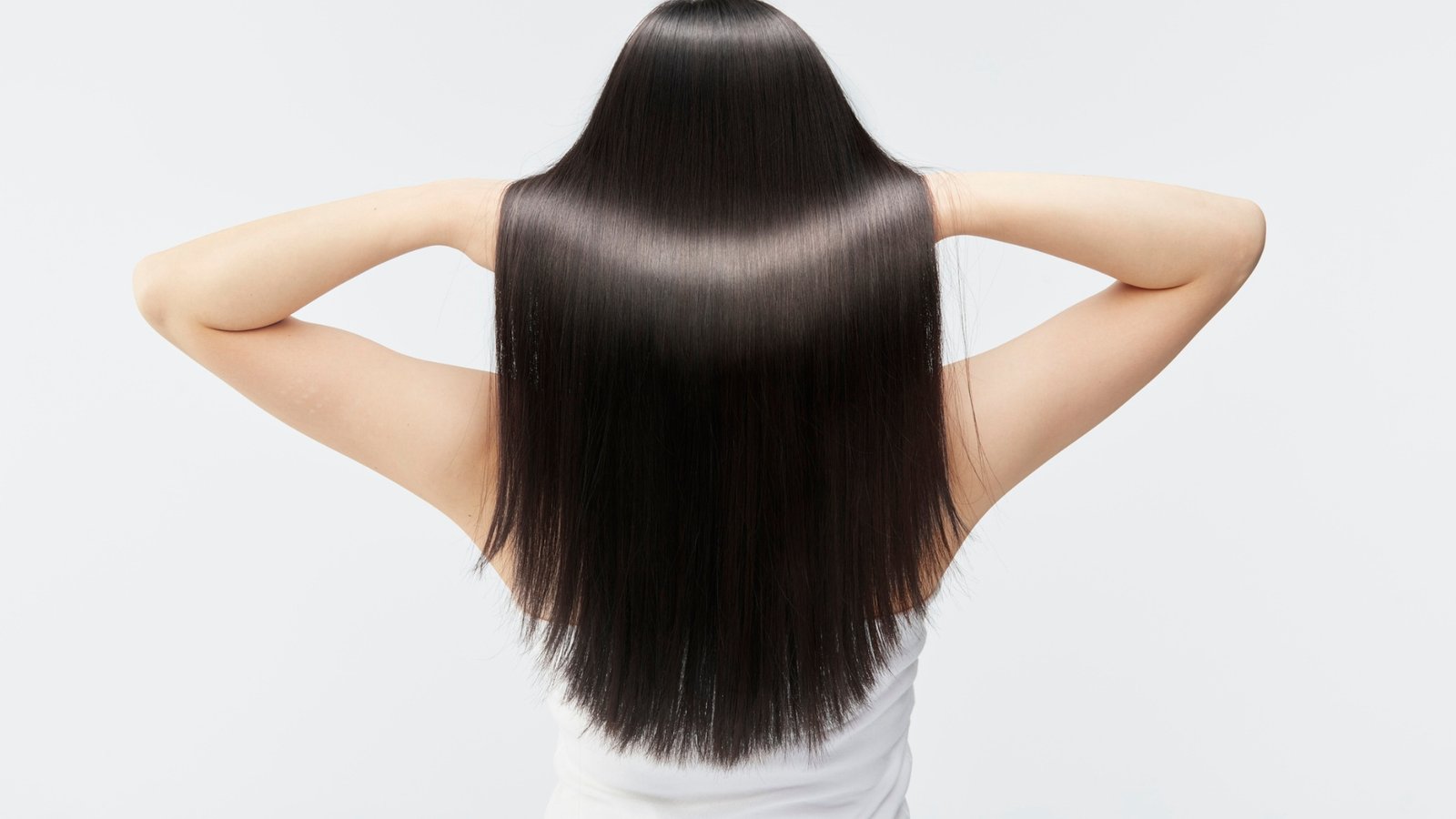
Table of Contents
Aloe Vera Gel on Hair: Is It Actually Good for Your Hair?
Aloe vera has been used in personal care for generations, particularly for its refreshing and moisturizing feel. While it is most commonly associated with skincare, aloe vera gel on hair has also become a popular addition to simple hair-care routines.
If your hair feels dry, looks dull, becomes difficult to manage, or your scalp sometimes feels uncomfortable, you may wonder whether aloe vera can help.
The answer requires some nuance.
Aloe vera gel can be a useful conditioning and hydrating addition to a hair routine, particularly when the goal is to improve how the hair and scalp feel. However, many popular claims surrounding aloe vera—especially claims about dramatically increasing hair growth or stopping hair loss—go beyond the available evidence. Research specifically supporting aloe vera as a hair-growth treatment is limited.
That doesn’t mean aloe vera has no place in hair care. It simply means that its most realistic role is as a lightweight, refreshing ingredient that can complement a sensible routine.
Here are seven potential benefits and the best ways to incorporate aloe vera gel into your hair-care routine.
1. Aloe Vera Gel Can Add Lightweight Hydration
Dry-feeling hair often needs better conditioning rather than more complicated treatments.
Aloe vera contains a high proportion of water and is commonly used in topical products for its moisturizing and soothing properties. Its lightweight texture makes it appealing to people who don’t enjoy heavy oils or thick hair masks.
When used appropriately, aloe vera gel can leave the hair feeling softer and more conditioned.
This can be particularly appealing for:
- Dry-feeling hair
- Hair that feels rough after washing
- Hair exposed to frequent styling
- People who dislike heavy oils
- Hair that needs lightweight conditioning
However, aloe vera gel should not automatically replace a conventional conditioner.
The American Academy of Dermatology recommends using conditioner after shampooing because conditioner helps moisturize and detangle hair, making it easier to manage.
Think of aloe vera as a potential addition to your routine rather than a replacement for every other hair-care product.
2. It Can Help Hair Feel Softer and Smoother
One reason people use aloe vera gel on hair is the temporary improvement in texture it can provide.
When hair feels dry or rough, adding a conditioning product can make the strands feel smoother and easier to handle.
Aloe vera-based products can provide a lightweight coating and moisture to the hair surface, which may help improve the way the hair feels after application.
This is also why aloe vera can be useful for people who want soft-looking hair without applying a heavy oil treatment.
For best results, don’t overload your hair with gel. Too much product can leave some hair types feeling sticky or weighed down.
The right amount depends on:
- Hair length
- Hair thickness
- Hair texture
- How dry your hair is
- Whether you’re applying it to the scalp, lengths, or both
Start with a small amount and adjust according to how your hair responds.
3. Aloe Vera May Help Improve the Appearance of Dry, Dull Hair
Healthy-looking hair isn’t only about growth. Texture, moisture, shine, and manageability all affect how hair looks.
Dry hair can appear dull because its surface is less smooth and light doesn’t reflect as evenly. Conditioning the hair can therefore make it appear smoother and more polished.
Aloe vera gel may be useful as part of this type of routine because it provides a lightweight, water-based feel rather than the heavier texture associated with many oils.
But it’s worth keeping expectations realistic.
Aloe vera isn’t a permanent repair treatment for damaged hair. Hair that has already been significantly damaged by heat, chemical processing, or mechanical stress cannot simply be restored to its original condition with one ingredient.
Instead, focus on preventing additional damage.
The American Academy of Dermatology recommends limiting excessive heat and handling wet hair gently because wet hair is more fragile.
So, aloe vera can be part of a smoother-hair routine—but gentle hair handling matters just as much.
4. It Can Make Hair Easier to Manage
Tangles and frizz can make even healthy-looking hair difficult to style.
A lightweight conditioning product can improve manageability by helping strands feel smoother and easier to detangle.
This is especially relevant for longer, curly, textured, or dry hair.
However, application technique matters.
Instead of aggressively rubbing the product into your hair, distribute a small amount gently through the areas that need it.
For people with longer hair, focusing a conditioning product on the lengths and ends can be more practical than coating the entire scalp.
The American Academy of Dermatology recommends using conditioner after washing and adjusting its application according to hair type—for example, concentrating conditioner on the ends for fine or straight hair while applying it more broadly for dry or curly hair.
Aloe vera gel can be approached with a similar principle: use it where your hair actually needs conditioning rather than assuming more product will produce better results.
5. Aloe Vera Gel Can Provide a Refreshing Scalp-Care Experience
The scalp is skin, so maintaining a comfortable scalp environment is an important part of overall hair care.
Aloe vera is commonly valued for its soothing and cooling feel when applied topically. Research on topical aloe vera has explored several dermatological applications, although the overall evidence is mixed and not strong enough to support broad medical claims.
This distinction is important.
You can use aloe vera gel as part of a refreshing scalp-care routine without claiming that it treats every scalp condition.
If your scalp is persistently itchy, painful, inflamed, excessively flaky, or developing unusual patches, don’t rely on aloe vera alone. Conditions such as dandruff, psoriasis, dermatitis, and other scalp problems may require specific treatment.
The American Academy of Dermatology recommends appropriate scalp care and professional evaluation for scalp conditions when necessary.
6. It Can Be a Lightweight Alternative to Heavier Hair Treatments
Not everyone likes putting oil on their hair.
Some people find oils too heavy, especially if they have fine hair or an oily scalp. Others prefer water-based products that are easier to apply and wash out.
This is where aloe vera gel can be appealing.
Its lightweight consistency makes it suitable for people looking for a simpler hair-care product that doesn’t have the same feel as a traditional oil treatment.
Aloe vera gel can be used:
- As a pre-shampoo hair treatment
- As part of a simple hair mask
- On dry-feeling hair lengths
- As an occasional scalp-care product
- As a lightweight conditioning step
The best option depends on your hair type and the formulation you’re using.
A commercial aloe vera gel designed for cosmetic use can also be more convenient than extracting gel directly from a plant because its texture and formulation are designed for topical application.
7. Aloe Vera Can Complement a Simple Healthy-Hair Routine
Perhaps the biggest advantage of aloe vera gel is that it can fit easily into a straightforward hair-care routine.
But the ingredient itself isn’t the entire routine.
Healthy-looking hair depends on several everyday practices, including appropriate cleansing, conditioning, gentle handling, and limiting unnecessary heat and chemical stress.
The American Academy of Dermatology recommends choosing products according to your hair type, washing based on how oily or dirty your hair becomes, using conditioner, being gentle when detangling, and limiting excessive heat.
Aloe vera can therefore be viewed as one supporting ingredient rather than a miracle solution.
A simple routine might look like this:
Step 1: Wash your scalp according to your hair’s needs.
Step 2: Use a suitable conditioner after shampooing.
Step 3: Apply a small amount of aloe vera gel if your hair needs additional lightweight conditioning.
Step 4: Detangle gently, particularly when the hair is wet.
Step 5: Minimize unnecessary heat styling.
Step 6: Adjust your routine based on how your hair and scalp respond.
This approach is much more sustainable than constantly adding new treatments.
How to Use Aloe Vera Gel on Hair
There isn’t one universal method for everyone. Your application should depend on whether you’re focusing on the scalp, hair lengths, or both.
Method 1: As a Pre-Shampoo Treatment
- Take a small amount of aloe vera gel.
- Apply it lightly to the scalp and/or hair lengths.
- Leave it on for a short period according to the product’s directions.
- Wash your hair with a suitable shampoo.
- Follow with conditioner.
This method may work well if you prefer washing the product out rather than leaving it on.
Method 2: On Hair Lengths
If your main concern is dry-feeling or rough hair, apply a small amount through the mid-lengths and ends.
Avoid using excessive product.
The goal is to condition the hair lightly rather than saturate it.
Method 3: As Part of a Hair Mask
Aloe vera gel can also be incorporated into a simple DIY hair-care treatment.
However, be careful about mixing multiple household ingredients. Natural does not automatically mean suitable for everyone, and some ingredients can irritate the scalp.
For a simple routine, using a properly formulated aloe vera gel may be more convenient.
How to Use Oak Tree Naturals Aloe Vera Gel on Hair
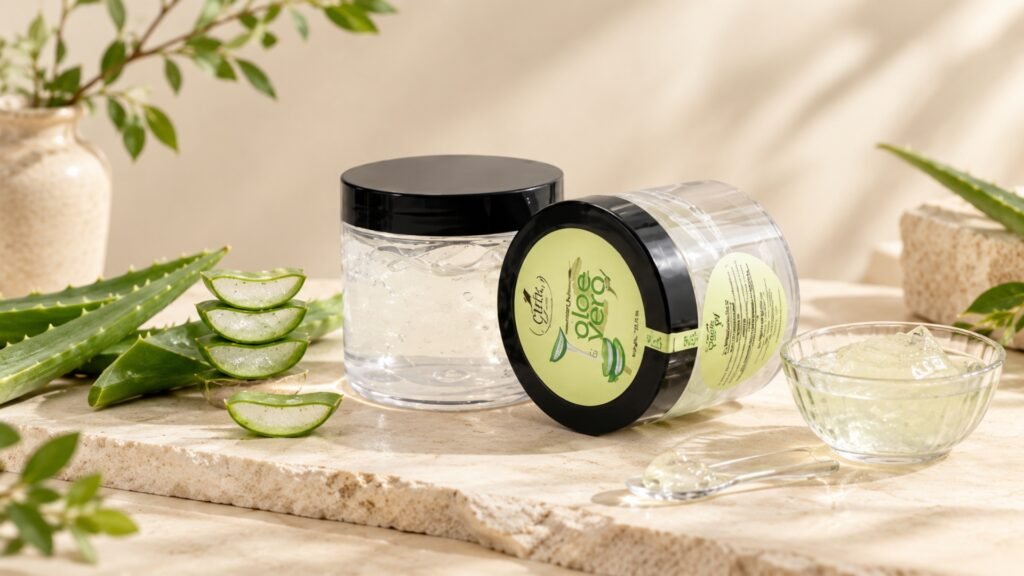
Oak Tree Naturals offers Aloe Vera Gel 100 gms, positioned as a lightweight aloe vera gel with a refreshing and hydrating feel. The brand’s current product information primarily describes it as a skincare product, including use for moisturizing and refreshing the skin.
That means it is important not to assume that every skincare aloe vera gel is automatically formulated specifically for hair.
If you want to use Oak Tree Naturals Aloe Vera Gel on your hair, check the product packaging and directions for the intended application before doing so.
You can explore the product here:
Oak Tree Naturals Aloe Vera Gel 100 gms
This distinction is especially important for E-E-A-T and consumer trust: a product’s documented purpose should take priority over generic claims about an ingredient.
Does Aloe Vera Gel Make Hair Grow Faster?
This is one of the most common questions surrounding aloe vera.
At present, there isn’t strong human clinical evidence showing that applying aloe vera gel directly to the scalp reliably increases hair growth or hair density.
A review of popular hair-care trends found that aloe vera gel applied to the scalp and hair has been promoted for hair growth, but noted that human studies supporting this claim were lacking.
So, if you’re using aloe vera for hair, a more realistic goal is:
hydration + conditioning + manageability + a refreshing feel
rather than:
guaranteed hair growth or prevention of hair loss.
If you’re experiencing significant hair shedding or visible thinning, identifying the underlying cause is more important than adding another cosmetic ingredient to your routine.
Aloe Vera Gel vs Hair Oil: Which Should You Use?
Aloe vera gel and hair oil serve different purposes.
Aloe Vera Gel Hair Oil
Lightweight, water-based feel Usually richer and more emollient
Can feel refreshing Often used for pre-shampoo treatments
Useful for lightweight conditioning Can help reduce friction during some hair-care routines
May suit people who dislike heavy products May suit people who prefer richer treatments
Often easier to apply in small amounts Can require more thorough washing depending on the oil
Neither is automatically better for everyone.
If your hair becomes weighed down easily, you may prefer a lighter product. If your hair is very dry and responds well to richer treatments, an oil may be more appropriate.
Your hair texture and scalp condition should guide your choice.
Common Mistakes When Using Aloe Vera Gel on Hair
Using too much
More gel doesn’t necessarily mean more hydration. Excess product can leave hair sticky, coated, or difficult to manage.
Assuming every aloe gel is designed for hair
Some aloe vera gels are formulated primarily for skin. Always check the product’s intended use and directions.
Leaving it on because you think longer is better
Longer application isn’t automatically more effective. Follow the product instructions.
Expecting hair growth
Aloe vera should not be presented as a clinically established hair-growth treatment. Evidence for this use is limited.
Ignoring irritation
Although topical aloe is generally well tolerated, occasional burning, itching, rash, and eczema have been reported.
If a product causes persistent irritation, discontinue use and seek appropriate professional advice.
Is Aloe Vera Gel Suitable for Every Hair Type?
Aloe vera gel can be appealing across different hair types because of its lightweight texture, but individual results can vary.
Fine Hair
Use a small amount to avoid weighing the hair down.
Dry Hair
Aloe vera can be used as a lightweight conditioning step, but a regular conditioner may still be necessary.
Curly Hair
Curly hair often benefits from conditioning and careful detangling. Aloe vera may fit into the routine as an additional lightweight product.
Oily Scalp
Avoid assuming that more product is better. Keep the amount modest and pay attention to how your scalp responds.
Chemically Treated Hair
Focus on gentle cleansing, regular conditioning, and limiting additional heat damage. Aloe vera should complement—not replace—these fundamentals.
Final Thoughts
Using aloe vera gel on hair can be a simple way to introduce a lightweight, refreshing product into your hair-care routine. It may help hair feel softer, smoother, and more conditioned, while also providing a pleasant scalp-care experience.
But aloe vera shouldn’t be treated as a miracle ingredient.
The strongest approach is to combine sensible product use with basic hair-care habits: choose products suited to your hair type, condition after washing, detangle gently, and limit excessive heat.
Most importantly, keep expectations realistic. Current evidence does not establish aloe vera gel as a reliable treatment for hair growth or hair loss.
If you are interested in trying a lightweight aloe-based product, Oak Tree Naturals Aloe Vera Gel 100 gms is one option to explore. Because the brand currently presents the product primarily for skincare, check its packaging and directions before applying it to your hair.
Good hair care doesn’t need to involve dozens of products. A consistent routine, gentle handling, appropriate conditioning, and products that suit your individual hair needs can go a long way toward maintaining smooth, manageable, healthy-looking hair.
FAQ Section
1. Is aloe vera gel good for hair?
Aloe vera gel can be a useful lightweight addition to hair care for conditioning and a refreshing feel. However, evidence is limited for claims that it promotes hair growth or prevents hair loss.
2. Can I apply aloe vera gel directly to my hair?
It depends on the formulation. Check whether the product is intended for hair or scalp use and follow its directions. Some aloe vera gels are formulated primarily for skincare.
3. How long should I leave aloe vera gel on my hair?
There is no universal timeframe. Follow the instructions provided for the specific product. If using a product that is primarily designed for skin, don’t assume that a hair-specific application time has been established.
4. Can aloe vera gel help with dry hair?
It may help hair feel more hydrated, soft, and conditioned, particularly when used as part of a broader moisturizing routine. For persistent dryness, regular conditioner remains an important part of hair care.
5. Does aloe vera gel increase hair growth?
There is currently insufficient human evidence to establish aloe vera gel as a reliable hair-growth treatment.
6. Can I use aloe vera gel on my scalp?
Some people use aloe vera topically on the scalp, but suitability depends on the product formulation and individual sensitivity. Stop using it if you experience burning, itching, rash, or other irritation.
7. Can aloe vera replace conditioner?
Not necessarily. Dermatologists recommend using conditioner after washing because it helps moisturize and detangle hair. Aloe vera can be an additional product rather than a universal replacement.
8. Is aloe vera suitable for all hair types?
Aloe vera can potentially fit into many hair-care routines, but individual responses vary. Start with a small amount and choose products according to your hair type and needs.













One thought on “Aloe Vera Gel on Hair: 7 Powerful Benefits for Smooth, Shiny & Healthy Hair”