
Best Lip Balm for Pigmented Lips: 7 Proven Tips to Avoid Dull, Uneven-Looking Lips

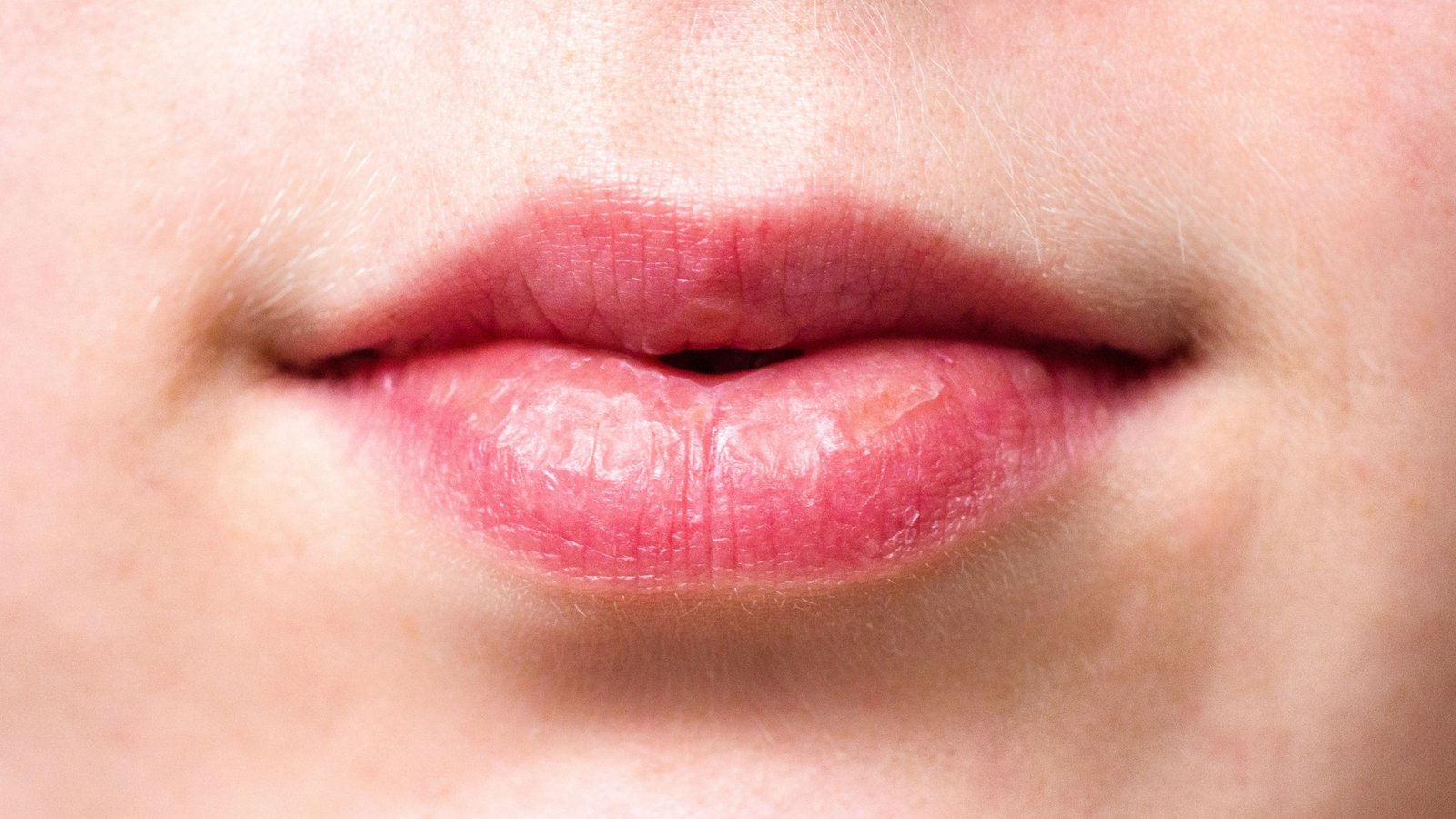
Table of Contents
Best Lip Balm for Pigmented Lips: What Should You Actually Look For?
Lip pigmentation can make the natural color of your lips appear darker, uneven, or dull. For some people, it may be a long-standing part of their natural lip tone. For others, the appearance of darker lips may become more noticeable after dryness, irritation, sun exposure, or repeated lip licking.
This is why choosing the best lip balm for pigmented lips should not be about finding a product that promises lighter-looking lips. A better approach is to build a consistent lip-care routine that supports moisture, minimizes irritation, and protects your lips from environmental stress.
Hyperpigmentation occurs when the skin produces or retains more melanin, and several factors can contribute to changes in pigmentation, including sun exposure and inflammation or injury.
A nourishing lip balm can be one useful part of that routine. However, it is important to understand what a lip balm can realistically do. Hydrating and protecting the lips may help them look smoother and healthier, but a regular moisturizer should not automatically be treated as a pigmentation treatment.
If your goal is to avoid lips looking increasingly dry, dull, or uneven, these seven practical tips can help.
1. Prioritize Hydration Before Focusing on Lip Pigmentation
One of the simplest reasons lips can look dull is dryness.
When lips become dry, flaky, or cracked, their surface can look rough and uneven. Peeling skin can also make the natural lip tone appear less uniform.
That makes moisturization an important starting point when choosing a lip balm.
Dermatologists recommend applying a non-irritating lip balm several times throughout the day and before bed when lips are dry or chapped.
Look for a lip balm for pigmented lips that helps keep the lips comfortable and moisturized instead of relying on products that create a strong tingling, burning, or cooling sensation.
A good daily routine can be surprisingly simple:
- Apply lip balm for pigmentated lips after cleansing your face.
- Reapply when your lips feel dry.
- Use a slightly thicker layer before sleeping.
- Apply it before lipstick or lip gloss if your lips need a smoother base.
The goal is consistency rather than constantly changing products.
2. Choose Nourishing Ingredients That Support Soft, Comfortable Lips
When comparing products, don’t focus only on the phrase “lip balm.” Pay attention to the ingredients and what they are intended to do.
Plant oils can provide emollient benefits, helping the lips feel softer and more conditioned.
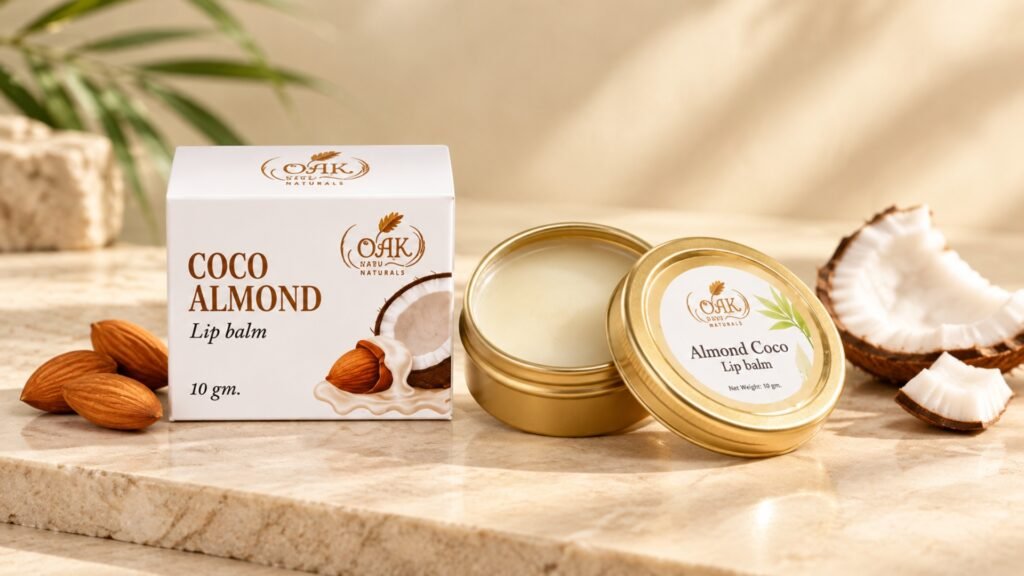
For example, almond oil and coconut oil are the key ingredients highlighted in Oak Tree Naturals’ Almond Coco Lip Balm. The brand describes the product as a moisturizing lip balm designed to hydrate dry, chapped lips while leaving them soft and smooth.
Explore Oak Tree Naturals Almond Coco Lip Balm
The product is listed as a 10-gram lip balm and is described by the brand as vegan, gluten-free, and cruelty-free.
For someone searching for the best lip balm for pigmented lips, this distinction matters. The purpose of a nourishing balm is primarily to maintain comfortable, moisturized lips—not to promise that pigmentation will disappear.
3. Protect Your Lips From Sun Exposure
Sun protection is often associated with facial skincare, but your lips also deserve attention.
The American Academy of Dermatology recommends using a lip balm for pigmented lips or lipstick containing SPF 30 or higher to protect the lips from ultraviolet radiation.
Regular sun exposure can contribute to pigmentation changes in the skin, so protecting exposed lips is an important part of maintaining their overall appearance.
If pigmentation is one of your concerns, consider keeping two lip-care products in your routine:
For everyday nourishment:
Use a moisturizing lip balm for pigmented lips that keeps your lips soft and comfortable.
For outdoor exposure:
Choose a lip product that specifically provides broad-spectrum SPF 30 or higher.
This is especially useful if you spend significant time outdoors.
One important point: if a lip balm does not list an SPF, don’t assume it provides sun protection simply because it contains natural oils.
4. Stop Licking, Biting, or Picking Your Lips
This habit is easy to overlook.
When lips feel dry, licking them can feel like a quick solution. Unfortunately, saliva evaporates and can leave the lips feeling even drier. Repeated licking can therefore contribute to a cycle of dryness and irritation.
Picking or biting flaky skin can also cause unnecessary irritation.
Instead of repeatedly licking your lips, keep a lip balm for pigmented lips nearby and apply it when dryness appears.
A simple habit change can look like this:
Dry lips → lick them → temporary relief → more dryness → lick again
Replace it with:
Dry lips → apply lip balm → maintain moisture → less temptation to lick
It sounds minor, but consistent habits can make lip care much easier.
5. Be Careful With Irritating Lip Products
More sensation does not necessarily mean better skincare.
A product that creates intense tingling, burning, or stinging isn’t automatically working more effectively. The American Academy of Dermatology specifically recommends avoiding lip products that irritate chapped lips and lists ingredients such as menthol, camphor, eucalyptus, certain flavorings, fragrance, and other potential irritants among those to avoid when lips are dry or cracked.
This is particularly relevant when your concern is uneven-looking lips.
If your lips repeatedly become irritated, the appearance of dryness and uneven texture may become more noticeable.
So when looking for the best lip balm for pigmented lips, ask:
- Does it feel comfortable after application?
- Does it help relieve dryness?
- Does it leave my lips soft rather than irritated?
- Are the ingredients appropriate for my needs?
- Does it provide SPF if I need outdoor protection?
These questions are more useful than choosing a product simply because it makes your lips feel tingly.
6. Keep Your Lip-Care Routine Simple and Consistent
It is tempting to use scrubs, masks, oils, balms, and multiple treatments when your lips look darker than you’d like.
But more products don’t automatically mean better results.
A simple routine may be enough for everyday lip maintenance.
Morning
- Gently cleanse your face and lip area.
- Apply a moisturizing lip balm pigmented lips.
- If you’re going outdoors, use an SPF 30+ lip product.
During the Day
Reapply your lip balm whenever your lips feel dry.
If you eat or drink frequently, you may need to reapply more often.
At Night
Apply a comfortable layer of lip balm for pigmented lips before going to bed.
The Oak Tree Naturals Almond Coco Lip Balm pigmented lips instructions recommend applying a small amount evenly across the lips, reapplying as needed, and using a thicker layer at night.
The important part is not creating a complicated routine. It is maintaining one that you can realistically follow every day.
7. Don’t Confuse Natural Lip Color With Pigmentation That Needs Treatment
This may be the most important point.
Not every dark or uneven-looking lip is a skincare problem.
Natural lip color varies significantly from person to person. Genetics, skin tone, sun exposure, irritation, inflammation, and other factors can influence pigmentation.
Hyperpigmentation itself refers to areas that become darker because of increased melanin or changes affecting pigment production.
Therefore, the phrase “best lip balm for pigmented lips” should not automatically mean “lip balm that removes pigmentation.”
A better expectation is:
Moisturize + protect + avoid irritation + stay consistent.
If your lips gradually become darker, develop a new unusual spot, remain persistently irritated, or show changes that concern you, consider speaking with a dermatologist rather than repeatedly trying cosmetic products.
Persistent or unusual lip changes can have different causes, and professional assessment may be appropriate when self-care does not resolve the problem.
Why Almond and Coconut Oil Can Be Appealing in Everyday Lip Care
Almond and coconut oils are commonly used in personal-care formulations because they can provide a conditioning, emollient feel.
Oak Tree Naturals’ Almond Coco Lip Balm combines these two ingredients and is positioned by the brand as an everyday moisturizing product for dry and chapped lips.
The appeal is straightforward: when your lips feel dry, a comfortable balm can help improve how they feel and look by supporting a smoother, moisturized surface.
However, ingredient benefits should not be confused with medical treatment.
For example, a moisturizing lip balm for pigmented lips may make dry lips appear smoother, but that does not mean it has been clinically proven to remove underlying pigmentation.
That distinction helps you make a more informed skincare choice.
Can a Lip Balm Actually Make Pigmented Lips Lighter?
This is where expectations matter.
A conventional moisturizing lip balm is primarily designed to condition and protect the lips. It may improve the appearance of lips that look dull because they are dry or flaky, but that is different from treating the biological causes of pigmentation.
If your lips look darker because of dryness and surface roughness, consistent moisturization may make them look healthier and more even.
If the underlying issue is persistent hyperpigmentation, irritation, sun-related changes, medication effects, or another condition, a lip balm alone may not address the cause.
Sun protection is particularly important because UV exposure can contribute to pigment changes, while reducing irritation can help prevent repeated inflammation.
Common Lip-Care Mistakes That Can Make Lips Look Duller
Even a good lip balm for pigmented lips can be undermined by everyday habits.
Over-exfoliating
Aggressive scrubbing can irritate delicate lip skin. Exfoliation should not leave your lips sore, burning, or raw.
Constantly licking your lips.
As mentioned earlier, repeated licking can worsen dryness.
Picking flaky skin
Pulling off loose skin can create unnecessary irritation.
Ignoring SPF
If you spend time outdoors, ordinary moisturizing balm may not provide adequate UV protection. Look specifically for SPF 30 or higher.
Using products that sting
Burning or stinging isn’t proof that a product is effective. It may indicate irritation.
Expecting instant pigmentation changes
Pigmentation can have multiple causes. Cosmetic lip care should therefore be approached with realistic expectations.
How to Choose the Best Lip Balm for Pigmented Lips
If you’re comparing several products, use this quick checklist:
What to Check Why It Matters
Moisturizing ingredients Helps combat dryness and rough texture
Comfortable application Reduces the chance of irritation
SPF 30+ for daytime Helps protect lips from UV exposure
Simple, suitable formulation Useful for people prone to irritation
Easy reapplication Encourages consistency
Clear product information Helps you understand what you’re actually buying
Realistic claims Avoids unrealistic expectations about pigmentation
The “best” product can therefore vary depending on what your lips actually need.
If your primary concern is dryness, prioritize moisturization. If you’re outdoors frequently, SPF becomes particularly important. If your lips are sensitive, pay closer attention to irritating ingredients.
A Simple 7-Day Lip-Care Reset
If your lips frequently feel dry or look dull, try simplifying your routine for a week.
Day 1–2: Stop licking, biting, and picking your lips.
Day 3–4: Apply a comfortable moisturizing lip balm several times a day for pigmented lips.
Day 5: Add an SPF 30+ lip product when spending time outdoors.
Day 6: Avoid products that cause burning or stinging.
Day 7: Evaluate how your lips feel—not just their color.
Are they softer? Less flaky? More comfortable? Does lipstick apply more evenly?
These changes can tell you whether dryness and irritation were contributing to the dull appearance.
Remember that a week is not a realistic timeframe for judging changes in persistent pigmentation. The goal is to establish healthier lip-care habits.
Final Thoughts
Finding the best lip balm for pigmented lips is less about searching for a product that promises instant lightening and more about understanding what healthy lip care actually involves.
Start with the basics: keep your lips moisturized, avoid unnecessary irritation, stop licking or picking, and protect your lips from sun exposure. If pigmentation persists or changes unexpectedly, consider getting professional advice rather than relying solely on cosmetic products.
For everyday moisturization, Oak Tree Naturals Almond Coco Lip Balm combines almond and coconut oils and is designed by the brand to help keep dry, chapped lips soft, smooth, and nourished.
View Oak Tree Naturals Almond Coco Lip Balm
The most useful lip-care routine is ultimately one you can follow consistently. Healthy-looking lips don’t require an unnecessarily complicated routine—just appropriate hydration, protection, gentle care, and realistic expectations.
FAQ Section
1. What is the best lip balm for pigmented lips?
The best lip balm for pigmented lips depends on your individual needs. Look for a comfortable moisturizing formula, and choose an SPF 30+ lip product for daytime outdoor exposure. A moisturizing balm can improve dryness and surface texture but should not automatically be considered a treatment for pigmentation.
2. Can lip balm reduce dark or pigmented lips?
A moisturizing lip balm can help dry, flaky lips look smoother and healthier, but it may not address the underlying cause of pigmentation. Persistent pigmentation may require professional evaluation.
3. Is SPF important for pigmented lips?
Yes. The American Academy of Dermatology recommends using lip balm for pigmented lips or lipstick with SPF 30 or higher to protect the lips from UV exposure.
4. Are almond and coconut oil good for lip care?
Almond and coconut oils can provide a nourishing, conditioning feel in lip-care formulations. Oak Tree Naturals uses both in its Almond Coco Lip Balm, which the brand positions as a moisturizing product for dry and chapped lips.
5. How often should I apply lip balm?
You can apply a non-irritating lip balm for pigmented lips whenever your lips feel dry. Dermatologists also recommend applying lip balm before bed, particularly when lips are dry or chapped.
6. Why do my lips look dull even when I use lip balm?
Dryness, irritation, sun exposure, natural pigmentation, and other factors can affect how lips look. A moisturizing balm may improve dryness and texture, but it cannot necessarily address every cause of lip discoloration.
7. Should I scrub pigmented lips?
Avoid aggressive or frequent scrubbing. Irritation can make dry or sensitive lips feel worse. Focus instead on gentle care and regular moisturization.
8. When should I see a dermatologist about dark lips?
Consider professional advice if pigmentation is new, changing, persistent, painful, associated with other symptoms, or does not improve with basic care. Unusual discoloration can have different causes and may need proper assessment.













One thought on “Best Lip Balm for Pigmented Lips: 7 Proven Tips to Avoid Dull, Uneven-Looking Lips”