
Best Organic Lip Balm: Tired of Dry, Chapped Lips? Discover the Ultimate Natural Solution

Dry, chapped lips can be uncomfortable, especially when the weather is dry, you spend time outdoors, or you frequently lick your lips. Unlike facial skin, lips have a thinner outer layer and can lose moisture easily. That makes a good lip balm a simple but useful part of everyday personal care.
If you are searching for the best organic lip balm, it is worth looking beyond words such as organic, natural, or herbal on the label. A better approach is to understand the ingredients, texture, intended use, and how your lips respond to the product.
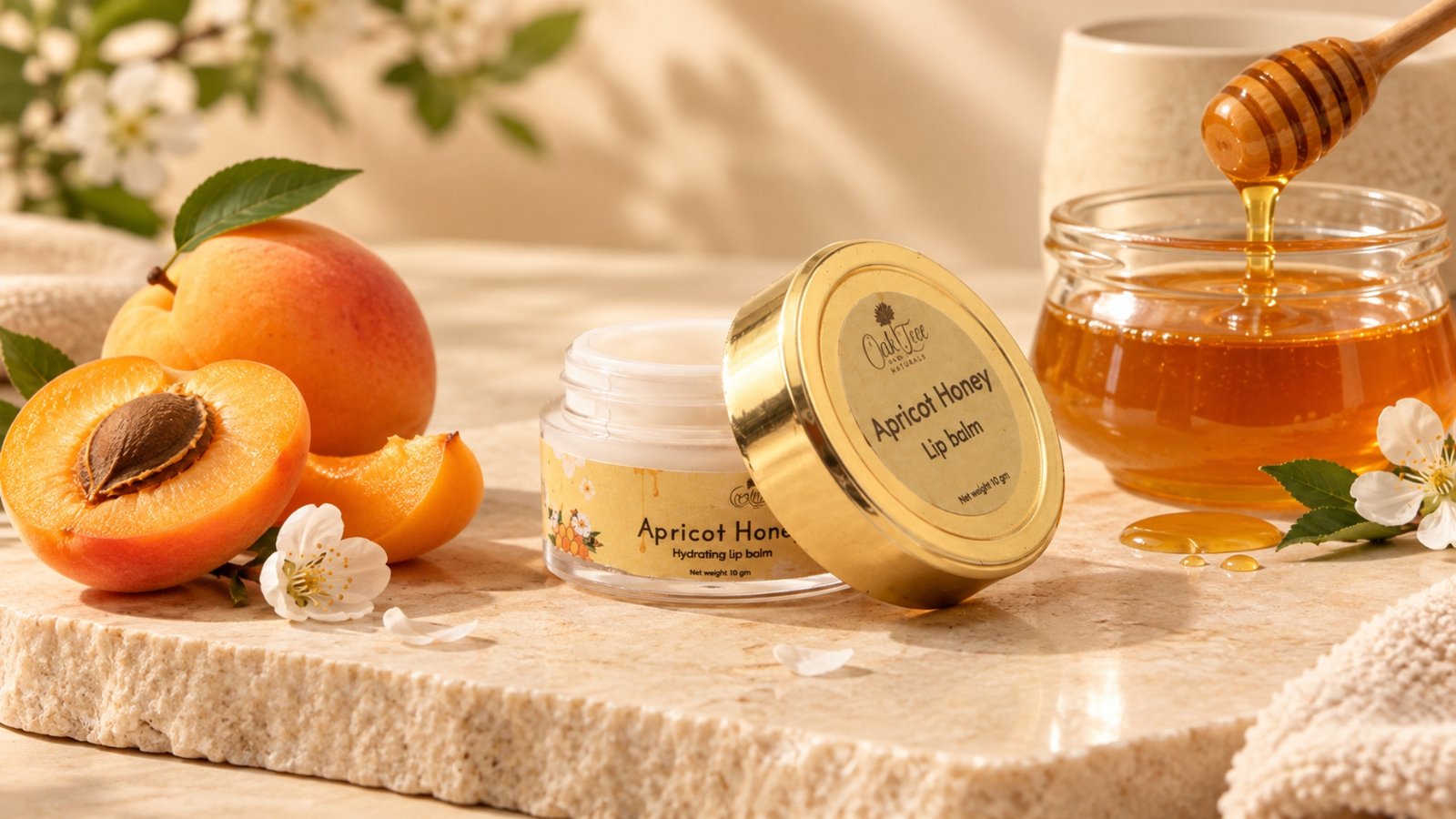
One option from Oak Tree Naturals is the Apricot Honey Lip Balm (10 Gms). The brand describes it as being enriched with apricot and honey and designed to moisturize and soothe dry, chapped lips while leaving them soft, smooth, and hydrated. It is also described as lightweight and non-sticky for everyday use.
So, what should you actually look for when choosing a natural Organic lip balm, and how can you build better lip-care habits?
Table of Contents
What Makes a Good Organic Lip Balm?
The phrase best organic lip balm can mean different things to different people. Some shoppers prioritize certified organic ingredients, while others are looking for plant-based ingredients, a simple formulation, or a balm that feels comfortable throughout the day.
There is no single ingredient that makes a lip balm universally “best.”
Instead, consider these factors:
- Ingredient transparency: Look for a clearly stated ingredient list.
- Moisturizing and conditioning ingredients: Oils, butters, waxes, or other emollient ingredients can help improve the feel of dry lips.
- Comfortable texture: A balm should spread easily without excessive stickiness.
- Low irritation: If a product causes burning, stinging, or persistent discomfort, it may not be suitable for you.
- Intended use: A regular moisturizing balm and an SPF lip balm serve different purposes.
- Your individual needs: Very dry or cracked lips may need a thicker ointment rather than a lightweight balm.
The American Academy of Dermatology recommends using a non-irritating lip balm several times a day and before bed for dry, chapped lips. It also advises stopping products that cause burning, stinging, or tingling.
Natural Doesn’t Automatically Mean Organic
This distinction matters when you are researching the best organic lip balm.
“Natural,” “plant-based,” and “organic” are not interchangeable terms. A product can contain naturally derived ingredients without being certified organic.
Oak Tree Naturals describes its products as nature-inspired and says its formulations use carefully sourced botanicals and traditional Ayurvedic inspiration. (oaktreenaturals.in)
If certified organic production is important to you, check the product packaging and certification information rather than assuming that the word “natural” means certified organic.
Why Do Lips Become Dry and Chapped?
Dry lips can have several everyday causes.
The American Academy of Dermatology identifies factors such as cold, dry weather, sun exposure, and frequently licking the lips as common contributors to chapping.
Other habits can also make the problem more noticeable.
Common causes include:
- Dry weather
- Low humidity can contribute to moisture loss.
- Frequent lip licking
- Licking may provide temporary relief, but saliva evaporates and can leave lips drier.
- Sun exposure
- Lips are exposed to UV radiation too, so they benefit from sun protection.
- Not using lip moisturizer regularly
- If your lips frequently feel tight or flaky, occasional application may not be enough.
- Irritating lip products
- A product that causes stinging or burning may be irritating your lips rather than “working.”
- Picking or biting the lips
- This can make already-dry lips more uncomfortable.
The solution is therefore not simply finding a “stronger” lip balm. Good lip care is also about avoiding habits that contribute to dryness.
Best Organic Lip Balm: What Ingredients Should You Look For?
When choosing a natural or organic lip balm, ingredient quality and suitability matter more than a long ingredient list.
Different ingredients can perform different cosmetic roles.
Apricot
Apricot-derived ingredients are popular in personal care because of their softening and conditioning properties.
Oak Tree Naturals uses apricot as one of the featured ingredients in its Apricot Honey Lip Balm. The product is positioned as a moisturizing lip-care option for dry, chapped lips. (oaktreenaturals.in)
Apricot is also used elsewhere in skincare as an emollient ingredient. Oak Tree Naturals’ educational content describes apricot oil as a lightweight plant oil commonly used for moisturizing and softening the feel of dry skin.
Honey
Honey is another familiar ingredient in natural personal care. In a lip balm, it contributes to the product’s natural-ingredient profile and is paired with apricot in Oak Tree Naturals’ formulation.
However, it is better to think of the complete formulation rather than expecting one ingredient to solve every lip concern.
Oils, Waxes and Butters
A well-formulated Organic lip balm may use different types of ingredients to create a comfortable protective layer and improve the feel of dry lips.
The important question is not simply:
“Does this lip balm contain natural ingredients?”
Instead, ask:
“Does the complete formulation keep my lips comfortable without causing irritation?”
That is a much more useful way to evaluate lip care.
Oak Tree Naturals Apricot Honey Lip Balm: What Does It Offer?
Oak Tree Naturals’ Apricot Honey Lip Balm (10 Gms) is positioned as an everyday lip-care product featuring apricot and honey.
According to the brand’s current product listing, it:
- Helps moisturize dry, chapped lips
- Helps soothe dry-feeling lips
- Helps keep lips soft and smooth
- Provides a hydrated feel
- Has a lightweight, non-sticky texture
- Is intended for everyday use
- Comes in a 10 g size
The current Oak Tree Naturals website lists the product at ₹199 and displays a 4.33/5 rating based on customer ratings shown on the site. Product pricing and ratings can change over time.
These are product claims from the brand, rather than independent clinical evidence. For realistic expectations, think of the balm as part of everyday moisturizing lip care rather than a treatment for an underlying medical condition.
Explore Oak Tree Naturals Apricot Honey Lip Balm
How to Use Lip Balm for Dry, Chapped Lips
Even a good Organic lip balm will be less useful if you only apply it once when your lips are already extremely dry.
A simple routine can make application more consistent.
Step 1: Apply to clean lips
Make sure your lips are reasonably clean before applying the balm.
Step 2: Use a small, even layer
Spread the balm gently across the lips. Avoid aggressively rubbing flaky skin.
Step 3: Reapply when needed
If your lips begin feeling dry during the day, reapply.
The AAD recommends applying a non-irritating lip balm several times daily and before bedtime when dealing with dry, chapped lips. (American Academy of Dermatology)
Step 4: Make nighttime application a habit
Nighttime is an easy opportunity to add lip care to your routine because you are less likely to eat, drink, or wipe the product away immediately.
Step 5: Protect your lips outdoors
A regular moisturizing balm should not automatically be treated as sun protection.
The AAD recommends a lip balm with SPF 30 or higher for outdoor sun protection. (American Academy of Dermatology)
If your chosen lip balm does not contain an appropriate SPF, use a separate SPF lip product when you need sun protection.
7 Mistakes That Can Make Chapped Lips Worse
Finding the best Organic lip balm is only one part of the solution. Your daily habits matter too.
1. Constantly licking your lips
It may feel soothing for a moment, but saliva evaporates quickly and can worsen dryness.
2. Picking flaky skin
Pulling at peeling skin can cause further irritation. Let your lip-care routine gradually improve the feel of the lips instead.
3. Using products that sting
A burning or tingling sensation is not necessarily evidence that a product is working. The AAD specifically recommends discontinuing lip products that irritate your lips. (American Academy of Dermatology)
4. Scrubbing your lips aggressively
Physical scrubbing can be unnecessary when lips are already dry or cracked. Gentle moisturizing care is often a more sensible starting point.
5. Forgetting nighttime lip care
If your lips frequently become dry overnight, applying a suitable balm before bed can be a useful habit.
6. Assuming every natural ingredient suits everyone
Natural ingredients can still cause sensitivity. Your personal response matters.
7. Ignoring persistent problems
If your lips remain severely dry, cracked, painful, bleeding, swollen, or irritated despite basic care, consider speaking with a dermatologist or healthcare professional.
Organic Lip Balm vs Regular Lip Balm: What Should You Choose?
The choice does not have to be framed as “organic versus bad.”
A better comparison is based on formulation and purpose.
What to Consider Natural/Organic-Focused Lip Balm Conventional Lip Balm
Ingredient preference Often emphasizes botanical or naturally derived ingredients May use a broader range of cosmetic ingredients
Main purpose Moisturizing and conditioning Moisturizing, conditioning, or targeted protection
Best for People who prefer plant-focused formulations People who prioritize particular functional ingredients
What to check Ingredient list, certification if relevant, texture and tolerance Ingredient list, function and tolerance
Sun protection Only if SPF is specifically included May include SPF
Most important factor Whether the formulation suits your lips Whether the formulation suits your lips
The key takeaway is simple: the word “organic” alone does not tell you whether a Organic lip balm will work well for you.
Look at the complete formulation and your individual response.
Can Lip Balm Be Used Every Day?
For many people, yes. A suitable, non-irritating Organic lip balm can be incorporated into daily lip care.
In fact, regular application can be more practical than waiting until your lips become severely dry.
A simple schedule could be:
Morning: Apply before starting your day.
During the day: Reapply whenever your lips feel dry.
Before going outdoors: Use an SPF 30+ lip product if sun exposure is expected.
Night: Apply a comfortable layer before bed.
The AAD recommends regular use of non-irritating lip balm for dry, chapped lips. (American Academy of Dermatology)
How to Choose the Best Organic Lip Balm for Your Needs
Instead of choosing a product solely because it ranks highly in a search result, use this quick checklist.
Check the ingredient list.
Understand what you are applying to your lips.
Look for comfortable moisturization.
The product should leave your lips feeling comfortable rather than excessively sticky or irritated.
Consider your sensitivity
If you have sensitive lips, introduce new products carefully.
Check for SPF when necessary.
If sun protection is a priority, look specifically for SPF rather than assuming a natural lip balm provides UV protection.
Consider texture
A balm that feels comfortable is easier to reapply consistently.
Look at the product’s intended purpose.
A basic moisturizing balm is different from a medicated lip treatment or an SPF lip product.
Why Apricot and Honey Make an Interesting Lip-Care Combination
Apricot and honey are both familiar ingredients in natural beauty routines, but their value in a lip balm comes from how they are incorporated into the complete formulation.
Apricot gives the product its botanical, conditioning focus, while honey adds another traditionally familiar natural ingredient.
For someone looking for an everyday Organic lip balm with a natural-ingredient profile, the Oak Tree Naturals Apricot Honey Lip Balm offers this combination in a compact 10 g format. The brand describes it as lightweight, non-sticky, and suitable for everyday use.
That makes it more useful to think of this product as a daily moisturizing lip-care option, rather than expecting it to address every possible cause of chapped lips.
Keep Your Lip Care Simple
Lip care does not need to become another complicated 10-step routine.
A simple routine can be:
Morning → Lip balm → SPF lip protection when outdoors
During the day → Reapply when needed
Night → Lip balm before bed
This fits well with a broader minimalist skincare approach. Oak Tree Naturals’ own skincare guidance emphasizes choosing products according to individual needs rather than adding products simply for the sake of having a longer routine. (oaktreenaturals.in)
The same principle works for lip care: identify the problem, choose an appropriate product, use it consistently, and pay attention to how your lips respond.
When Should You See a Dermatologist?
Most occasional dry lips can be managed with basic care, but persistent symptoms deserve more attention.
Consider professional advice if you experience:
- Persistent or severe cracking
- Bleeding
- Significant swelling
- Recurrent irritation
- Pain that does not improve
- A persistent change in the appearance or texture of the lips
- Symptoms that continue despite avoiding obvious irritants
A lip balm is designed for cosmetic moisturizing and conditioning. It should not be presented as a treatment for an underlying medical condition.
Final Thoughts
Searching for the best organic lip balm should not be about finding a product with the most impressive marketing claims. It is about finding a formulation that provides comfortable moisturization, suits your preferences, and does not irritate your lips.
Oak Tree Naturals Apricot Honey Lip Balm combines apricot and honey and is marketed as a lightweight, non-sticky option for moisturizing dry, chapped lips.
If you prefer natural-ingredient-focused personal care, it can be considered as part of a simple everyday lip-care routine.
Just remember that natural does not automatically mean organic, and organic does not automatically mean suitable for everyone. Check the actual product information, consider your own sensitivity, and use SPF lip protection when you need protection from the sun.
Good lip care is usually less about complicated routines and more about consistent, gentle habits.
FAQ Section
1. What is the best organic lip balm for dry lips?
The right lip balm depends on your preferences and how your lips respond to its formulation. Look for a non-irritating product with moisturizing or conditioning ingredients. Oak Tree Naturals Apricot Honey Lip Balm is one natural-ingredient-focused option featuring apricot and honey.
2. Is Oak Tree Naturals Apricot Honey Lip Balm good for chapped lips?
Oak Tree Naturals describes the product as helping to moisturize and soothe dry, chapped lips while keeping them soft, smooth, and hydrated. (oaktreenaturals.in)
3. Can I use lip balm every day?
Yes. A suitable, non-irritating lip balm can be used daily. The AAD recommends applying non-irritating Organic lip balm several times a day and before bed when lips are dry or chapped. (American Academy of Dermatology)
4. Is natural lip balm the same as organic lip balm?
No. “Natural” and “organic” are not necessarily the same. If organic certification is important to you, check the product’s certification information instead of assuming that a natural-ingredient product is certified organic.
5. How often should I apply lip balm?
Apply it whenever your lips feel dry and consider applying it before bed. If you are outdoors, use an SPF 30+ lip product and follow its reapplication instructions. (American Academy of Dermatology)
6. Why are my lips still dry after using lip balm?
The product may not suit your lips, or other factors such as lip licking, dry weather, sun exposure, or irritating products may be contributing to dryness. If a balm causes burning or stinging, discontinue it.
7. Does regular lip balm protect against the sun?
Not necessarily. Only use a lip balm for sun protection if it is specifically formulated and labeled with an appropriate SPF. The AAD recommends SPF 30 or higher for lip sun protection.












One thought on “Best Organic Lip Balm: Tired of Dry, Chapped Lips? Discover the Ultimate Natural Solution”