Natural Treatment for Chapped Lips: 5 Powerful and Easy Ways to Fight Painful Dryness

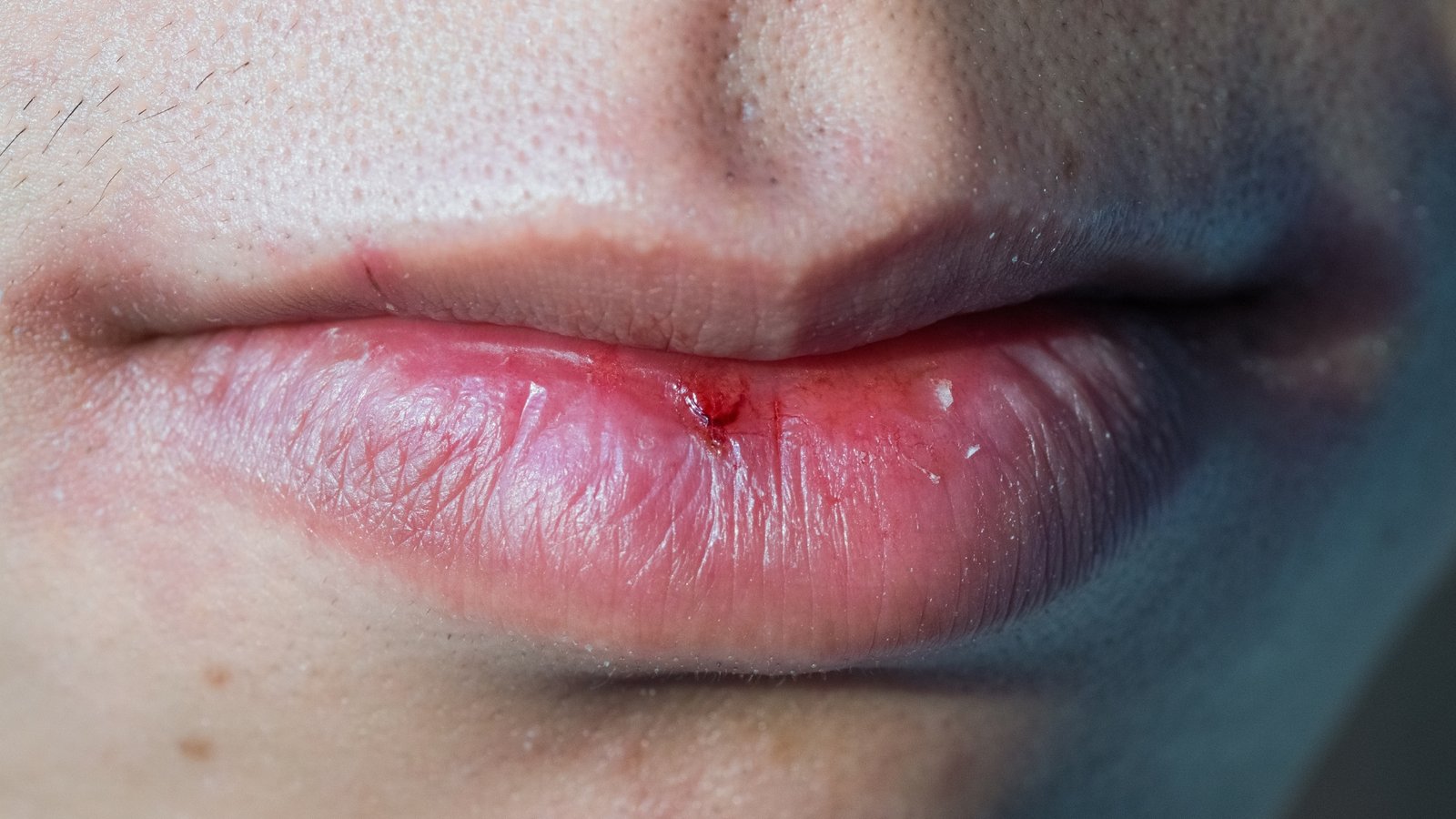
Imagine applying your favourite lipstick, only to notice flaky skin, tiny cracks, and lips that feel tight every time you smile. Dry, chapped lips can be uncomfortable, especially when the weather changes or your daily routine leaves your lips exposed to wind, sun, and dry air.
Finding a natural treatment for chapped lips does not have to mean following complicated DIY recipes or buying several products. Simple habits, gentle ingredients, and consistent moisturisation can make a noticeable difference in how your lips feel.
If you are searching for an effective treatment for chapped lips, this guide explores five easy remedies, common mistakes to avoid, and ways to maintain softer-looking lips. We will also look at how Oak Tree Naturals Almond Coco Lip Balm can fit into your everyday lip care routine.
The goal is simple: help you understand what your lips need and how to care for them without unnecessary irritation.
Table of Contents
What Causes Chapped Lips?
Before choosing a treatment for chapped lips, it helps to understand why the problem occurs in the first place.
The skin on your lips is delicate and can lose moisture easily. Unlike much of the skin on your face, your lips have a relatively weak protective barrier and are particularly vulnerable to environmental conditions.
Common causes include:
- Cold or dry weather: Low humidity and cold winds can contribute to moisture loss.
- Sun exposure: Ultraviolet radiation can damage delicate lip skin.
- Frequent lip licking: Saliva evaporates quickly and may leave your lips feeling even drier.
- Dehydration: Inadequate fluid intake can contribute to dryness.
- Irritating products: Certain fragrances, flavours, and other ingredients may irritate sensitive lips.
- Picking at flaky skin: Pulling away loose skin can create painful cracks and delay recovery.
Understanding these triggers makes choosing a treatment for chapped lips easier because you can address the cause instead of simply covering up the symptoms.
Natural Treatment for Chapped Lips: 5 Easy Ways to Fight Painful Dryness
You do not need an elaborate routine to care for dry lips. Start with these five practical steps and adjust your habits according to how your lips respond.
1. Apply a Nourishing Lip Balm Regularly
One of the simplest ways to manage dryness is to apply a suitable lip balm throughout the day.
A good treatment for chapped lips should help reduce moisture loss and keep the lip surface comfortable. Look for products that moisturise effectively without causing burning, stinging, or irritation.
Ingredients such as shea butter, petrolatum, mineral oil, and certain plant oils can help support lip moisturisation. The best choice depends on your skin’s individual needs and how well you tolerate the formula.
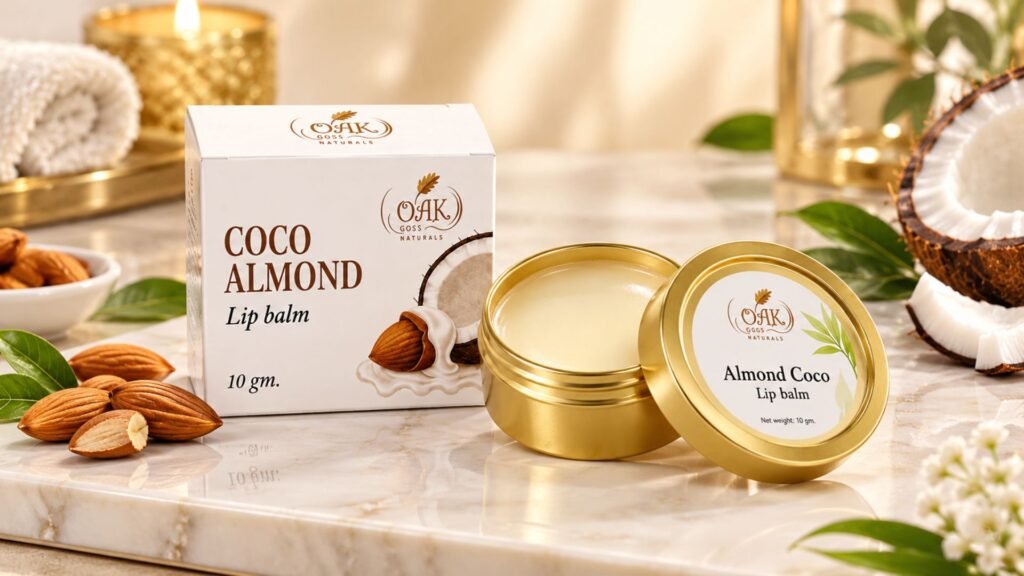
For everyday care, Oak Tree Naturals Almond Coco Lip Balm combines almond and coconut with a lightweight, non-sticky texture. The brand describes it as a moisturising balm designed to hydrate dry lips and help them feel soft and nourished.
How to use it:
- Apply a comfortable layer to clean lips.
- Reapply when your lips begin feeling dry.
- Apply again after meals or drinking when needed.
- Include lip balm in your bedtime routine.
Consistency matters more than repeatedly applying thick layers once dryness becomes uncomfortable.
Explore Oak Tree Naturals Almond Coco Lip Balm if you are looking for a convenient daily moisturising option.
2. Keep Your Body Hydrated
Drinking enough water supports your body’s normal functions, including maintaining healthy skin. While water alone will not resolve every case of chapped lips, staying hydrated is a sensible part of an overall care routine.
If your lips frequently feel dry, make a habit of drinking water regularly throughout the day instead of waiting until you feel extremely thirsty.
This approach works best alongside other measures. An effective treatment for chapped lips usually involves both reducing moisture loss and avoiding habits that irritate the skin.
Try this simple habit: Keep a reusable water bottle nearby, especially when travelling, spending time outdoors, or working in an air-conditioned room.
Remember that dry lips do not automatically mean you are dehydrated. Weather, sun exposure, allergies, and lip products can also contribute to the problem.
3. Stop Licking, Biting, and Picking Your Lips
When your lips feel rough, licking them can seem like the quickest solution. Unfortunately, the relief is temporary.
As saliva evaporates, it can leave your lips feeling drier. Repeated licking may also irritate the surrounding skin, creating a cycle of dryness and discomfort.
Biting or peeling flaky skin can make matters worse by causing small wounds and cracks.
A practical treatment for chapped lips involves breaking these habits gently rather than trying to remove every visible flake.
Instead, try these alternatives:
- Apply a gentle lip balm whenever you feel the urge to lick your lips.
- Avoid pulling off loose skin, even when it looks tempting.
- Keep your hands away from cracked or irritated areas.
- Choose lip products that feel comfortable rather than those that cause tingling.
These small changes can help protect the delicate lip surface while it recovers.
4. Protect Your Lips From Sun, Wind, and Dry Air
Your lips need protection from environmental stress just as the rest of your skin does.
Sun exposure can worsen lip irritation, while cold winds and low humidity can increase moisture loss. Indoor heating and air conditioning may also make the air feel dry.
An effective treatment for chapped lips should therefore include prevention, not just moisturisation after your lips become uncomfortable.
Make these protective habits part of your routine:
- Use a broad-spectrum lip balm with SPF 30 or higher when outdoors.
- Reapply sunscreen lip products according to their directions, generally every two hours outdoors and after eating or drinking when needed.
- Cover your lips with a scarf in cold, windy weather.
- Consider using a clean humidifier if indoor air is consistently dry.
- Avoid prolonged exposure to harsh weather when possible.
Oak Tree Naturals Almond Coco Lip Balm is positioned as a daily moisturising product. Do not assume it provides sun protection unless its packaging specifically states an SPF rating.
For daytime outdoor use, choose a separate lip product with verified sun protection when necessary.
5. Choose Gentle Ingredients and Avoid Harsh DIY Remedies
Natural ingredients are popular in lip care because they can offer a simple alternative to complicated routines. However, natural does not automatically mean non-irritating.
For example, applying undiluted essential oils, lemon juice, or strongly flavoured ingredients to cracked lips may worsen discomfort. Sugar scrubs and aggressive exfoliation can also damage already irritated skin.
A safer treatment for chapped lips focuses on moisturisation and protecting the skin rather than scrubbing away flakes.
What should you try instead?
- Choose a moisturising lip balm that feels comfortable.
- Consider a bland ointment, such as white petroleum jelly, if your lips are very dry or cracked.
- Avoid products that cause burning, stinging, or tingling.
- Skip exfoliation until your lips have recovered.
- Check the ingredient list if you have sensitive skin or known allergies.
Dermatologists recommend avoiding potentially irritating ingredients such as menthol, camphor, eucalyptus, and certain flavourings when lips are chapped.
If a home remedy causes discomfort, stop using it rather than assuming the sensation means it is working.
How to Build a Simple Daily Lip Care Routine
Knowing which remedies help is useful, but combining them consistently is what makes a routine practical.
Here is an easy schedule for anyone looking for a treatment for chapped lips without adding too many steps to their day.
| Time | What to do | Why it helps |
| Morning | Apply a gentle moisturising lip balm | Helps keep lips comfortable |
| Before going outdoors | Apply SPF 30+ lip protection | Helps protect against UV exposure |
| Throughout the day | Reapply lip balm as needed | Helps reduce recurring dryness |
| After meals | Reapply if the balm has worn off | Maintains moisturisation |
| Before bed | Apply a suitable lip balm or ointment | Provides overnight moisturising care |
The most useful treatment for chapped lips is one you can follow consistently without irritating your skin.
If your lips are particularly sensitive, introduce new products one at a time so you can identify anything that causes a reaction.
Why Consider Almond Coco Lip Balm From Oak Tree Naturals?
Once you understand the basics of lip care, choosing a convenient product becomes easier.
Oak Tree Naturals Almond Coco Lip Balm is a 10 g lip care product featuring almond and coconut. According to the brand’s product description, its lightweight, non-sticky formula is intended to moisturise dry lips and leave them feeling soft and conditioned.
Here is how it fits into a daily lip care routine:
Almond and coconut: These are the featured ingredients highlighted by the brand for their moisturising and conditioning properties.
Lightweight application: The brand describes the texture as smooth and non-greasy, making it suitable for convenient everyday application.
Easy to carry: A compact balm can be kept in a handbag, backpack, or bedside drawer for regular use.
Simple routine: You can apply it during the day and before bed as needed, following the product directions.
When comparing options for a treatment for chapped lips, remember that no single balm works equally well for everyone. Individual sensitivity, the severity of dryness, and environmental conditions all matter.
If you have a known almond or coconut allergy, check the complete ingredient list before use. Stop applying the product if it causes irritation.
You can view the product and its details here:
Shop Oak Tree Naturals Almond Coco Lip Balm (10 g)
Common Lip Care Mistakes That Can Make Dryness Worse
Even a well-planned treatment for chapped lips may be less effective if certain habits keep irritating the skin.
Watch out for these common mistakes:
Using a product that stings: Burning or tingling is not proof that a lip balm is working. Discontinue products that irritate your lips.
Exfoliating cracked lips: Scrubbing can worsen cracks and prolong discomfort.
Forgetting sun protection: A moisturising balm without SPF does not necessarily protect against ultraviolet radiation.
Applying random kitchen ingredients: Lemon juice, essential oils, and strongly flavoured mixtures may irritate delicate lip skin.
Expecting overnight results: Mild dryness may improve with consistent care, but severely cracked lips can take longer to recover.
Ignoring persistent symptoms: Repeated or prolonged dryness may have an underlying cause that requires professional assessment.
The best treatment for chapped lips is not necessarily the most expensive or complicated one. A gentle routine, appropriate moisturisation, and avoiding irritants are often the most sensible starting points.
When Should You See a Dermatologist?
Most ordinary cases of dry lips can be managed with gentle care, but persistent symptoms should not be ignored.
Seek medical advice if your lips remain dry despite consistent care, or if you experience repeated bleeding, significant swelling, severe pain, sores, or signs of infection.
Cracking concentrated at the corners of the mouth may have a different cause from general dryness. Allergic reactions, inflammatory conditions, and other medical issues can also produce persistent lip symptoms.
A treatment for chapped lips that works for ordinary weather-related dryness may not address these underlying problems.
The American Academy of Dermatology advises seeking professional assessment when self-care does not improve chapped lips within approximately two to three weeks. Seek care sooner if symptoms are severe or worsening.
FAQ Section
1. What is the best natural treatment for chapped lips?
A gentle moisturising lip balm, avoiding lip licking, drinking adequate water, and protecting your lips from sun and wind are useful starting points. Choose products that do not irritate your skin.
2. How can I treat chapped lips at home?
Apply a suitable lip balm regularly, avoid picking flaky skin, stay hydrated, and reduce exposure to harsh weather. If your lips are severely cracked, a thick ointment such as white petroleum jelly may help protect them.
3. Is Almond Coco Lip Balm suitable for dry lips?
Oak Tree Naturals describes its Almond Coco Lip Balm as a moisturising product featuring almond and coconut, designed to help dry lips feel soft and nourished. Check the full ingredients if you have sensitive skin or allergies.
4. How often should I apply lip balm?
Apply it whenever your lips feel dry and reapply after meals, drinking, or exposure to drying conditions as needed. Follow the product’s directions and discontinue use if irritation develops.
5. Why do my lips keep getting chapped?
Common reasons include dry weather, sun exposure, frequent lip licking, irritating lip products, and allergies. Persistent symptoms may indicate an underlying condition that needs professional assessment.
6. Does drinking water cure chapped lips?
Drinking enough water supports general hydration, but it does not address every cause of chapped lips. Moisturising, sun protection, and avoiding irritants are also important.
7. Should I exfoliate dry, flaky lips?
Avoid exfoliating lips that are cracked, sore, or actively irritated. Scrubbing can cause further damage. Focus on gentle moisturisation until the skin recovers.
8. When should I seek medical help for chapped lips?
Consult a healthcare professional if symptoms persist for two to three weeks despite self-care, or sooner if you experience severe pain, repeated bleeding, swelling, sores, or signs of infection.