Is Apricot Oil Good for Hair? 7 Powerful Benefits for Healthier, Shinier Locks

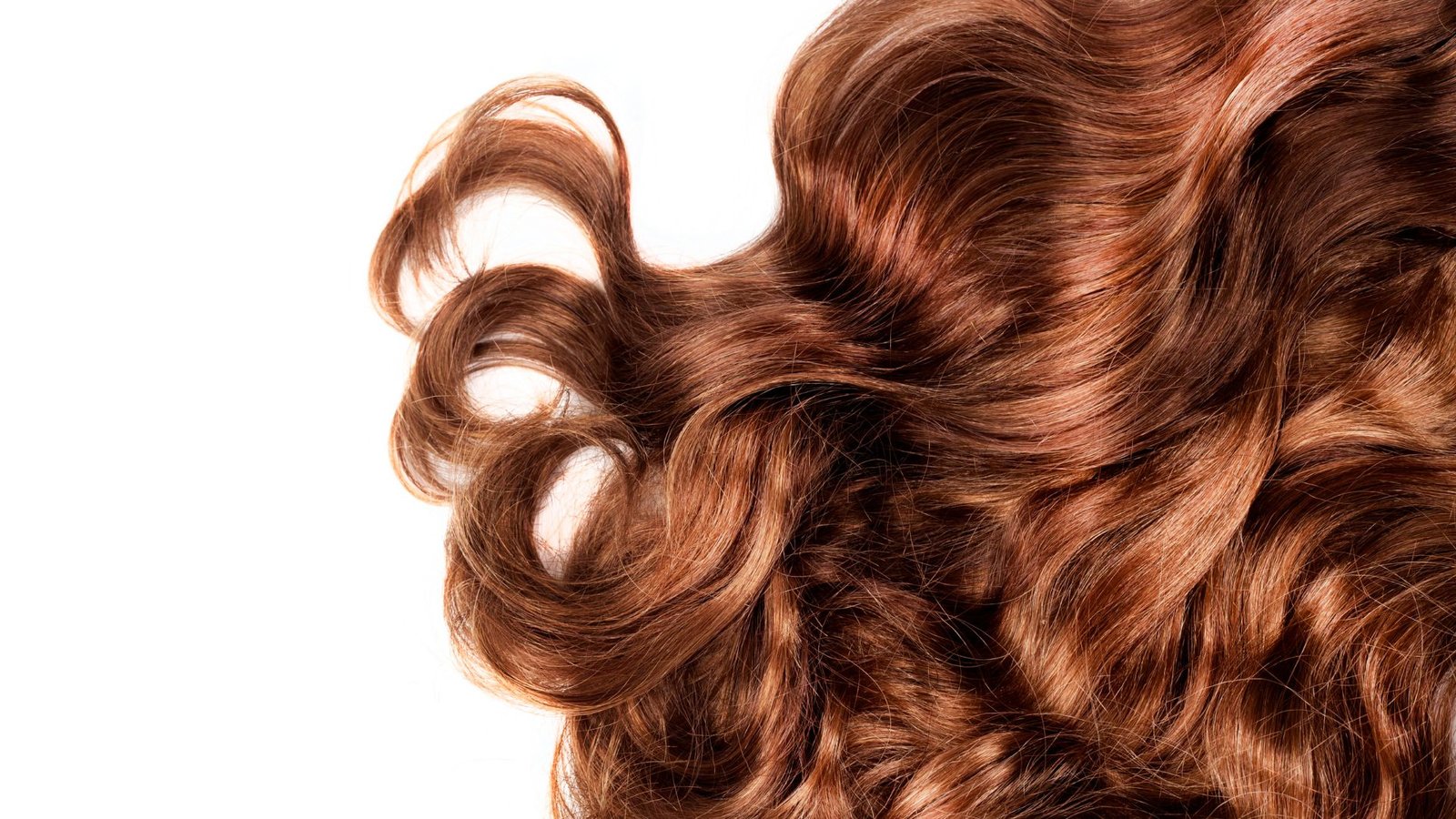
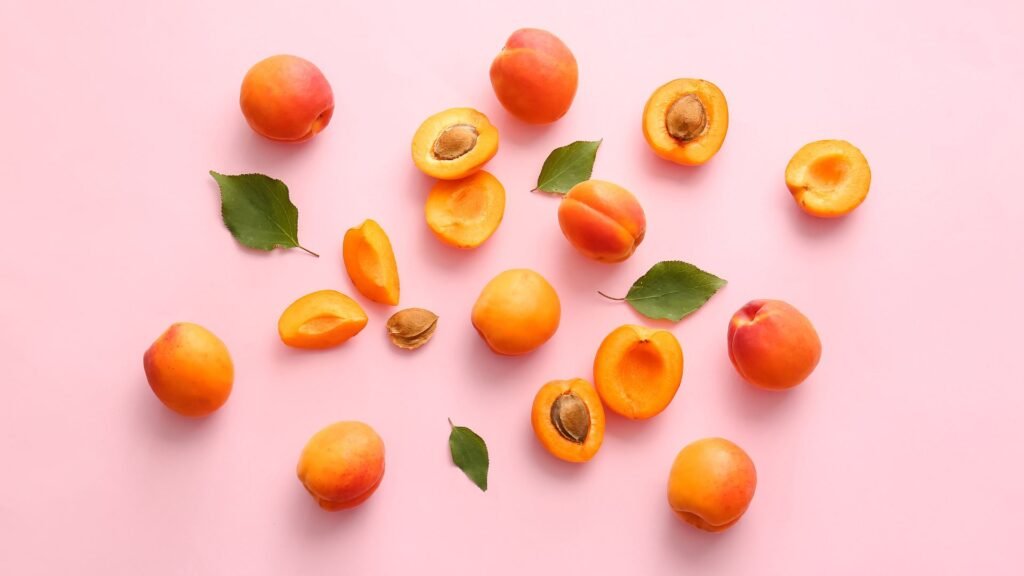
Dryness, frizz, rough texture, and a lack of shine can make hair difficult to manage. While shampoos and conditioners are essential parts of a hair care routine, applying a suitable hair oil can help soften the strands and improve their appearance. One option worth exploring is apricot oil, a lightweight-feeling oil obtained from apricot kernels.
But is apricot oil good for hair, and can it become a useful addition to your regular hair care routine? it is valued for its emollient properties, which help coat the hair and reduce the feeling of dryness. Depending on your hair type and how you apply it, the oil may help improve softness, smoothness, and shine.
In this guide, we explore seven potential benefits, practical application methods, common mistakes, and how to choose an apricot oil that suits your needs. We will also look at whether it is beneficial for hair care from a realistic perspective, without promising results that the available evidence does not establish.
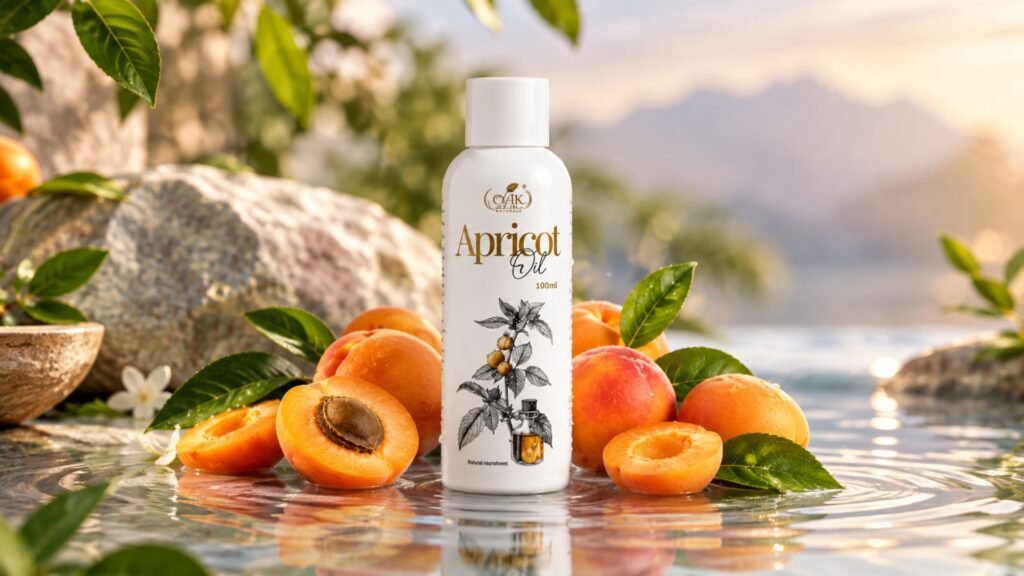
If you are looking for an oil to support softer, more manageable hair, Oak Tree Naturals offers Apricot Oil 100 ml, an option to explore when building your personal care routine.
Table of Contents
Is Apricot Oil Good for Hair?
Yes, apricot oil can be a useful hair care ingredient, particularly if your hair feels dry, rough, or difficult to manage. Its emollient properties may help smooth the hair’s surface, reduce friction during grooming, and give strands a softer, shinier appearance.
When considering whether apricot oil is beneficial for hair care, remember that results depend on your hair texture, scalp condition, application method, and the formulation of the product.
Apricot oil may be worth trying if you’d like to:
- Improve the feel of dry hair lengths and ends.
- Make hair easier to comb and style.
- Add a smoother, healthier-looking shine.
- Help reduce friction caused by brushing.
- Include a plant-derived oil in your hair care routine.
However, it is not a proven treatment for hair loss, dandruff, or scalp conditions. It should be viewed as a cosmetic hair care option rather than a medical solution.
7 Powerful Benefits of Apricot Oil for Hair
1. Helps Soften Dry Hair
Dry hair can feel coarse, stiff, and difficult to style. Environmental exposure, heat styling, frequent washing, and chemical treatments may contribute to dryness and roughness.
it can help by forming a thin, conditioning layer over the hair shaft. This may improve the feel of the strands and make them easier to manage.
For people exploring apricot oil’s good-for-hair routines, applying a small amount to dry lengths and ends can be a practical starting point. Begin with just a few drops and add more only if needed.
Best for: Hair that feels rough, dry, or less manageable.
2. Adds a Natural-Looking Shine
Hair often appears dull when its surface is rough or uneven. A suitable hair oil can help smooth the surface, allowing light to reflect more evenly and creating a shinier appearance.
it may provide this cosmetic benefit when used sparingly. It can be especially useful on the mid-lengths and ends, where dryness is often more noticeable.
If you are wondering whether apricot oil for hair care can improve shine, the answer is that it may help your hair look glossier, although the effect varies with hair condition and the amount applied.
Practical tip: Rub one or two drops between your palms, then gently smooth them over the ends of your hair. Avoid applying too much, as excess oil can leave strands looking greasy.
3. Helps Tame Frizz and Flyaways
Frizz can develop when hair becomes dry, damaged, or affected by humidity. Although oil cannot permanently repair damaged hair, it may help smooth the appearance of flyaways and make the hair feel more controlled.
A small amount of it can act as a finishing product after styling. Apply it lightly to the outer layer of your hair or to the ends that tend to look frizzy.
For apricot oil, which is beneficial for hair care, moderation is essential. Fine hair may need only a tiny amount, while thicker or curlier hair may tolerate a little more.
Keep in mind that frizz has several causes, so oil alone may not provide complete control in every climate or hair type.
4. Improves Manageability During Combing
Knots and tangles can make brushing uncomfortable and may contribute to mechanical breakage when hair is pulled too forcefully. A conditioning oil may help reduce friction between strands, making them easier to comb.
Apricot oil can be used sparingly on the lengths before detangling, especially if the ends tend to knot easily. Use a wide-tooth comb and work gently from the ends upward rather than pulling a brush through tangled hair.
This is one reason apricot oil Good-for-hair routines may appeal to people who struggle with dry or tangled lengths. The oil may make grooming easier, but careful handling and a suitable conditioner remain important.
Best practice: Avoid forceful brushing, particularly when hair is wet and more vulnerable to stretching.
5. Helps Protect Hair Lengths From Everyday Friction
Hair experiences friction throughout the day from clothing, pillowcases, brushing, and styling. Repeated friction can contribute to tangling and wear along the hair shaft.
Applying a small quantity of oil may help lubricate the strands and reduce some of this friction. The benefit is mainly cosmetic and mechanical; it does not mean that the hair becomes immune to damage.
When exploring Apricot Oil Good for Hair care, consider applying a little oil to the ends before activities that tend to leave your hair tangled. Pair this habit with gentle detangling and reduced use of high-heat styling tools.
6. Supports a Softer Feel for Textured Hair
Curly, wavy, coarse, and tightly textured hair can sometimes feel dry along the lengths because natural scalp oils may not spread easily down the strands.
Apricot oil may help soften these areas and improve the feel of the hair. It can be used as a finishing oil or applied before shampooing, depending on your preferences.
If you are deciding whether Apricot Oil Good for Hair care suits your texture, start with a small amount and observe how your hair responds. Fine hair may become weighed down quickly, whereas thicker hair may tolerate more product.
it will not change your natural curl pattern or permanently alter hair texture. Its role is to help improve the hair’s feel and appearance.
7. It complements a simple hair care routine.
A beneficial hair care routine does not need to include a large number of products. A gentle shampoo, a suitable conditioner, careful detangling, and occasional use of an appropriate oil may be enough for many people.
it can fit into this routine as an optional product for the lengths and ends. Its usefulness depends on whether your hair benefits from additional lubrication and conditioning.
For anyone considering Apricot Oil for hair care, the goal should be manageable, comfortable-feeling hair rather than unrealistic promises of instant growth or complete repair.
Pair oiling with habits such as
- Using a conditioner suited to your hair type.
- Limiting excessive heat styling.
- Avoiding tight hairstyles that pull on the roots.
- Handling wet hair gently.
- Washing away product buildup when necessary.
These habits work together to support the appearance and manageability of your hair.
How to Use Apricot Oil for Hair
The best application method depends on whether you want extra shine, help with tangles, or a pre-shampoo conditioning step. If you are trying Apricot Oil Good for Hair care for the first time, start with a small amount instead of coating your entire head.
Method 1: Use It as a Pre-Shampoo Hair Oil
This method may suit people whose hair feels dry or rough after washing.
- Take a small amount of apricot oil in your palm.
- Spread it between your hands.
- Apply it gently to the mid-lengths and ends of dry hair.
- Leave it on for around 20–30 minutes if comfortable for your hair.
- Wash with a shampoo suited to your scalp and follow with conditioner.
You do not need to leave the oil on overnight. A shorter application is a sensible way to see how your hair responds.
Method 2: Apply It to Hair Ends
If you want to reduce the appearance of dryness without washing your hair immediately, try using a tiny amount as a finishing oil.
- Start with one or two drops.
- Rub the oil between your palms.
- Smooth it over the ends rather than the roots.
- Add more only if your hair still feels dry.
For apricot oil, ideal for hair routines focused on shine and manageability, this method can be convenient because it requires little product.
Method 3: Use It Before Detangling
If your ends tend to knot, apply a very small amount to the lengths before gently detangling. Use a wide-tooth comb and work from the ends upward.
Avoid pulling or tugging at knots. Oil may help reduce friction, but it cannot prevent all breakage caused by rough handling.
Is Apricot Oil Suitable for Every Hair Type?
Apricot oil can be useful for several hair types, but the amount you need may differ.
| Hair type | How to try apricot oil |
| Dry hair | Apply a small amount to the lengths before shampooing. |
| Fine hair | Use only a drop or two on the ends to avoid weighing hair down. |
| Thick hair | Start with a small amount and adjust based on how your hair feels. |
| Curly or wavy hair | Apply sparingly to dry-feeling lengths and ends. |
| Oily scalp | Keep the oil away from the scalp and focus on the ends. |
| Chemically treated hair | Try a small amount alongside a suitable conditioner. |
When deciding whether Apricot Oil Good for Hair care fits your needs, pay attention to how your hair looks and feels after application. If it becomes heavy, greasy, or difficult to wash, reduce the quantity or use the oil less frequently.
Dermatologists recommend choosing hair care practices according to hair type and handling strands gently to reduce damage. See the American Academy of Dermatology’s tips for healthy hair.
Apricot Oil vs. Other Hair Oils
Different oils can serve different purposes. No single oil is automatically best for every person.
| Feature | Apricot oil | Coconut oil | Castor oil |
| Typical feel | Often used as a conditioning emollient | Can feel richer, depending on the amount | Usually thicker and heavier |
| Common cosmetic use | Softness and shine | Conditioning and lubrication | Often used in small amounts in oil blends |
| Best application approach | Start with a small amount | Adjust quantity to hair type | Use sparingly if you dislike heavy residue |
| Proven hair-growth treatment? | Not established | Not a guaranteed treatment | Not a guaranteed treatment |
The important difference is how each oil feels on your hair and how easily you can wash it out. If your goal is smoother, more manageable hair, Apricot Oil Good for Hair Care may be worth testing against your current routine.
Avoid assuming that a product’s popularity or natural origin guarantees better results. Your hair’s response is a more useful guide.
Common Mistakes to Avoid When Using Apricot Oil
Even a suitable hair oil can disappoint if it is applied incorrectly.
1. Applying Too Much Oil
Excess oil may make your hair look greasy, flat, or weighed down. Begin with a small quantity and increase it only if needed.
2. Expecting Faster Hair Growth
Apricot oil may improve the cosmetic appearance of hair, but there is not enough strong clinical evidence to claim that it reliably stimulates new hair growth or treats hair loss.
If you are experiencing persistent thinning or unusual shedding, seek advice from a qualified dermatologist rather than relying on oil alone.
3. Ignoring Scalp Concerns
If your scalp is itchy, inflamed, or prone to product buildup, avoid applying additional oil directly to it until you understand what is causing the problem.
4. Skipping Conditioner
Oil and conditioner are not interchangeable in every hair care routine. Conditioner helps detangle hair and improve manageability, so continue using one suited to your hair type.
5. Using Heat on Oiled Hair Without Checking Product Instructions
Do not assume that applying oil protects your hair from hot styling tools. Follow the product instructions and use an appropriate heat protectant when styling with heat.
How to Choose Apricot Oil for Your Hair Care Routine
If you are considering apricot oil, look for a product with clear ingredient information, suitable directions, and packaging that helps preserve its quality.
Before purchasing, consider:
- Ingredient clarity: Check whether the product is pure apricot oil or a blend.
- Intended use: Confirm that the product’s directions are suitable for your intended application.
- Packaging: Follow storage instructions and keep the product properly closed.
- Personal suitability: Check the ingredient list for anything you know your skin does not tolerate.
- Value: Consider the quantity, quality information, and how frequently you expect to use it.
For readers interested in trying this ingredient, Oak Tree Naturals offers Apricot Oil 100 ml. Review the product details and directions before deciding whether it fits your hair care needs.
Is Apricot Oil Good for Hair? The Final Verdict
Apricot oil can be a practical addition to a hair care routine if your main concerns are dry-feeling lengths, frizz, tangles, or a lack of shine. Its emollient properties may help make hair feel softer and easier to manage when the oil is applied appropriately.
However, it should not be treated as a proven remedy for hair loss, dandruff, or scalp disease. Results vary according to hair type, application method, and individual needs.
If you want to explore Apricot Oil Good for Hair care, begin with a small amount, observe how your hair responds, and combine it with gentle washing, conditioning, and careful detangling. The most useful routine is one that supports your hair’s appearance without making it greasy or difficult to manage.
FAQ Section
1. Is apricot oil good for hair?
Yes, apricot oil may help soften dry hair, improve shine, and make strands easier to manage. Its benefits are primarily cosmetic, and results vary by hair type.
2. Can apricot oil help with hair growth?
There is insufficient strong clinical evidence to establish apricot oil as a hair-growth treatment. If you are experiencing noticeable hair loss, consult a dermatologist to identify the cause.
3. Can I apply apricot oil directly to my scalp?
You can follow the directions of a product intended for scalp use, but applying oil directly to the scalp may not suit everyone. If you have an oily, itchy, or irritated scalp, use caution and seek professional advice if symptoms persist.
4. How long should I leave apricot oil in my hair?
For a pre-shampoo application, you can start with approximately 20–30 minutes and then wash it out. There is no need to leave it overnight to test whether your hair responds well.
5. Can I use apricot oil on my hair every day?
Some people may tolerate a small amount on their ends, while others may find daily use makes their hair greasy. Begin occasionally and adjust the frequency according to your hair’s needs.
6. Is apricot oil suitable for dry and frizzy hair?
It may help improve the feel and appearance of dry or frizzy hair by providing lubrication and smoothing the strands. It will not permanently repair damaged hair or eliminate every cause of frizz.
7. Is apricot oil better than coconut oil for hair?
Neither oil is universally better. The right choice depends on your hair type, desired finish, and how your hair responds to each product. Try a small amount and compare the results.
8. Which Oak Tree Naturals product can I explore?
You can explore Oak Tree Naturals Apricot Oil 100 ml. Read the product information and directions to determine whether it suits your intended use.