
Aloe Vera Gel on Skin: Say Goodbye to Dry, Dull Skin With These Amazing Benefits

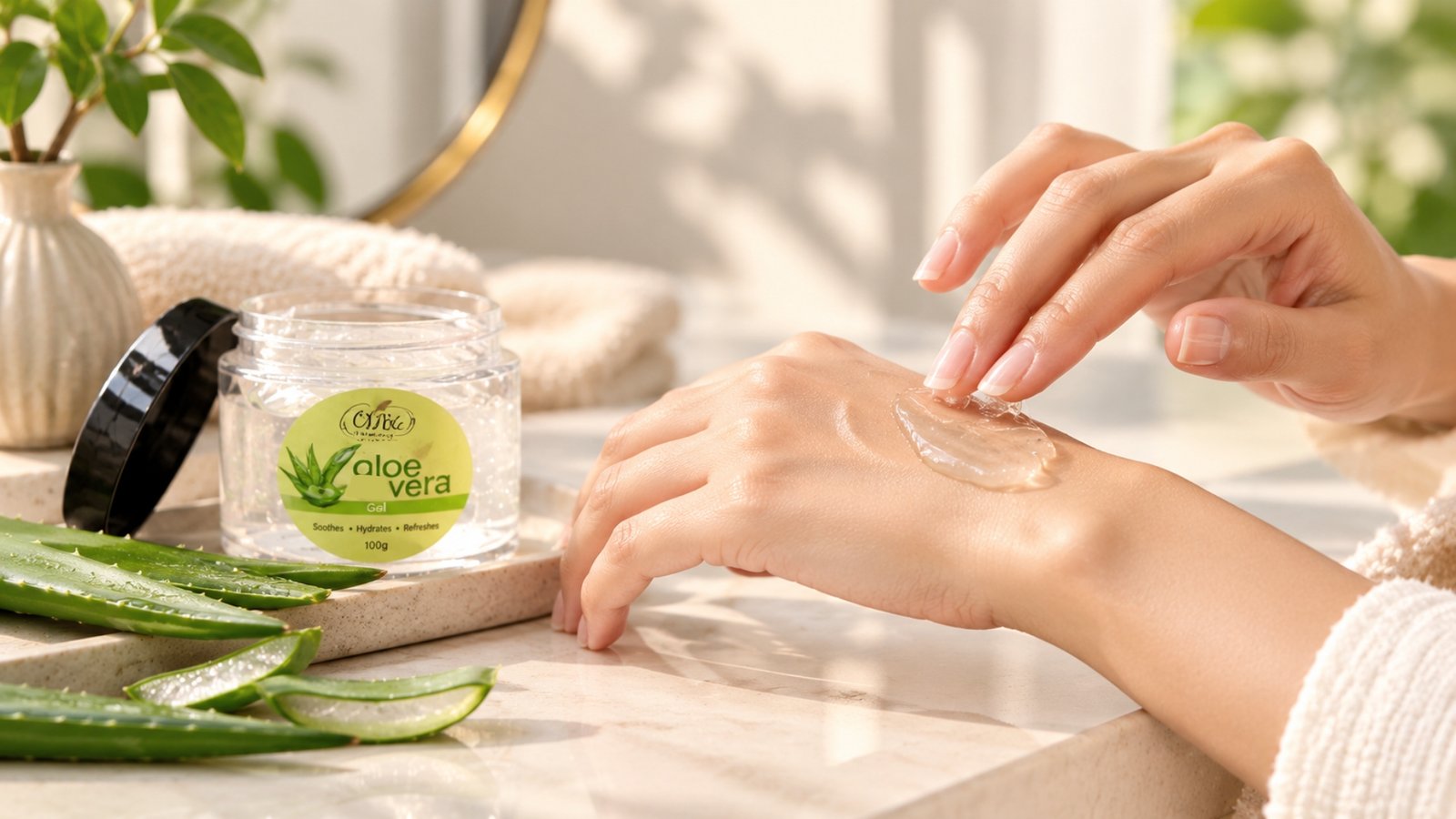
Dry, tight, dull-looking skin can make even a simple skincare routine feel frustrating. Sometimes your skin doesn’t need another complicated treatment—it may simply need a lightweight product that helps it feel comfortable and hydrated.
That’s where aloe vera gel on skin has earned its place in many skincare routines.
Aloe vera is a succulent plant that has been used traditionally in topical skincare. Its gel has been studied for several skin-related applications, including wound care, although the clinical evidence varies depending on the condition, product formulation, and purpose.
For everyday skincare, aloe vera gel is especially popular because it generally feels light, refreshing, and cooling on the skin.
But is it actually good for your skin? Can you use it every day? Is it suitable for oily or sensitive skin? And how should you apply it for the best experience?
Let’s look at what you should know before adding it to your routine.
Is Aloe Vera Gel Good for Skin?
Yes, it can be a useful addition to a skincare routine, particularly when you’re looking for a lightweight product that helps your skin feel moisturized and refreshed.
Research on topical aloe vera has investigated applications including wound healing and various mucocutaneous conditions, with some studies reporting potential benefits but also noting differences in product formulations and limitations in the evidence.
That distinction matters.
Evidence that aloe vera may have certain skin-related effects does not mean every aloe vera gel will treat a particular skin condition. A cosmetic aloe vera gel should primarily be viewed as a skincare product rather than a replacement for medical treatment.
For everyday use, its appeal is much simpler: a lightweight gel that can help skin feel soft, comfortable, cool, and refreshed.
7 Amazing Benefits of Aloe Vera Gel on Skin
1. Helps Give Dry Skin a More Hydrated Feel
One of the main reasons people reach for aloe vera gel is dryness.
A lightweight gel can provide a comfortable layer of moisture without the heavier feel associated with some creams and ointments.
Moisturizers work partly by helping water remain in the skin, and gels are generally lighter than creams and ointments.
If your skin feels tight after cleansing, applying a suitable moisturizer while the skin is slightly damp can help retain moisture.
Aloe vera gel can fit into this type of lightweight routine.
2. Gives Skin a Refreshing, Cooling Feel
Aloe vera gel is popular after exposure to heat or when skin feels tired and uncomfortable.
Its light, gel-like texture can feel refreshing when applied to the skin.
The American Academy of Dermatology also recommends moisturizers containing aloe vera or soy as one option for helping soothe the discomfort of sunburned skin.
However, aloe vera gel should not be confused with sunscreen.
If you’re spending time outdoors, you still need appropriate sun protection.
3. Helps Skin Feel Softer and Smoother
Dry skin can feel rough because the skin’s surface is losing moisture.
Regular moisturizing can improve the way dry skin feels and looks. Dermatologists recommend choosing moisturizers according to your skin type and the severity of dryness.
A lightweight aloe vera gel can therefore be useful when your skin needs a simple moisturizing step without a heavy or greasy finish.
4. Can Help Calm the Feel of Tired, Stressed Skin
Heat, environmental exposure, frequent cleansing, and dry air can leave skin feeling uncomfortable.
Aloe vera has traditionally been associated with soothing skincare, and clinical research has explored its potential in several skin-related applications.
For everyday skincare, it’s better to think of aloe vera gel as a comforting and refreshing skincare step, rather than promising that it will cure irritation or a specific skin condition.
5. Lightweight Enough for Simple Everyday Skincare
Some people avoid moisturizers because they dislike products that feel heavy, oily, or sticky.
it can be appealing in this situation because gel formulations generally have a lighter texture than creams or ointments.
That makes it convenient for:
- Morning skincare
- After cleansing
- Warm-weather routines
- Post-workout refreshment
- Body care
- Layering under other skincare products, when compatible
If your skin is very dry, however, a gel alone may not provide enough occlusive protection. A richer moisturizer may be more appropriate.
6. Can Complement a Moisturizing Routine
it doesn’t have to replace your entire skincare routine.
Think of it as one layer within a routine.
For example:
Cleanser → Aloe vera gel → Moisturizer → Sunscreen
During the day, sunscreen remains essential for exposed skin. The American Academy of Dermatology recommends broad-spectrum SPF 30 or higher as part of daily sun protection.
At night, you can simplify the routine according to what your skin needs.
7. Can Leave Skin Looking Fresh and Healthy
When skin is properly moisturized, it can appear smoother and less dull.
This doesn’t mean aloe vera gel permanently changes your skin tone or eliminates every cause of dullness.
Instead, maintaining adequate moisture can improve the overall look and feel of dry skin.
That’s why aloe vera gel can be particularly appealing when your goal is soft, comfortable, hydrated-looking skin without a heavy finish.
Aloe Vera Gel for Different Skin Types
Not every skin type needs the same kind of moisturizer.
The right product depends on how oily, dry, sensitive, or combination your skin is. The American Academy of Dermatology notes that gels tend to be lighter, while creams and ointments provide progressively richer moisturization.
Skin Type How Aloe Vera Gel May Fit
Dry skin Can provide lightweight hydration, but very dry skin may need a richer moisturizer.
Oily skin Lightweight texture may be more comfortable than a heavy cream
Combination skin Can be applied more generously to dry areas and lightly elsewhere
Normal skin Useful as a simple moisturizing and refreshing step
Sensitive skin Patch-test first and stop if irritation develops
The key takeaway is simple: your skin’s response matters more than a product being labelled “natural” or “herbal.”
Even botanical skincare products can cause irritation or allergic reactions in some people.
How to Use Aloe Vera Gel on Skin
Getting started doesn’t need to be complicated.
Step 1: Cleanse Your Skin
Use a gentle cleanser to remove dirt, sweat, sunscreen, and excess oil.
Avoid aggressively scrubbing your skin, especially if it already feels dry or sensitive.
Step 2: Apply Aloe Vera Gel
Take a small amount and spread a thin, even layer over your skin.
You don’t need to apply a thick layer to get the benefits of a lightweight gel.
Step 3: Let It Absorb
Give the gel some time to settle.
If your skin still feels dry afterward, follow with a suitable moisturizer.
Step 4: Use Sunscreen During the Day
it is not a replacement for sunscreen.
For daytime skincare, apply a broad-spectrum SPF 30 or higher after your moisturizer when appropriate.
Step 5: Adjust According to Your Skin
If your skin feels comfortable, you can continue incorporating the gel into your routine.
If you notice persistent burning, itching, redness, swelling, or other irritation, stop using it.
When Is the Best Time to Apply Aloe Vera Gel?
You can use aloe vera gel at different points in your routine depending on what your skin needs.
After Cleansing
Applying skincare after cleansing makes it easy to incorporate aloe vera gel into your daily routine.
After a Workout
Sweat and heat can leave your skin feeling uncomfortable. After cleansing, a lightweight gel can provide a refreshing skincare step.
During Warm Weather
A heavy cream may not feel comfortable in hot weather. A lightweight gel can be an alternative for people who prefer a less rich texture.
At Night
You can also use aloe vera gel as part of your evening skincare routine.
If your skin is dry, follow it with a richer moisturizer to help prevent moisture loss overnight.
Aloe Vera Gel vs. Moisturizer: Do You Need Both?
This depends on your skin.
Aloe vera gel and a traditional moisturizer aren’t necessarily interchangeable.
Aloe Vera Gel Moisturizer
Usually lightweight Can range from lightweight to very rich
Often water-based in texture .
Gives a refreshing feel Designed to moisturize and reduce water loss
Comfortable for many people in warm weather Can be tailored to dry, oily, sensitive, or combination skin
May not be enough for very dry skin Richer products can offer stronger barrier support
The American Academy of Dermatology explains that gels are generally lighter than creams and ointments, while thicker formulations can be more effective for very dry skin.
So if your skin is extremely dry, don’t assume that applying more aloe vera gel is the answer. Your skin may benefit more from a richer moisturizer.
Aloe Vera Gel on Skin: Common Mistakes to Avoid
it is simple to use, but there are a few mistakes worth avoiding.
Applying Too Much
More product isn’t automatically better.
A thin layer is often enough for a lightweight gel.
Skipping Sunscreen
Aloe vera can be soothing, but it does not provide adequate UV protection unless the product is specifically formulated and labelled as sunscreen.
Use a dedicated broad-spectrum sunscreen during the day.
Assuming “Natural” Means Irritation-Free
Aloe vera comes from a plant, but plant-based ingredients can still trigger irritation or allergic contact dermatitis in some people.
Using It on Severely Irritated Skin Without Checking the Cause
If your skin is persistently red, painful, swollen, cracked, or itchy, don’t assume aloe vera will solve the problem.
Persistent skin symptoms may require professional evaluation.
Expecting Aloe Vera to Treat Every Skin Concern
it can be a useful cosmetic skincare product, but it isn’t a universal treatment for acne, pigmentation, eczema, infections, or other dermatological conditions.
This is especially important when reading online claims about “miracle” skincare ingredients.
How to Patch-Test Aloe Vera Gel
If you’ve never used a particular aloe vera gel before, testing it before applying it widely is a sensible precaution.
The American Academy of Dermatology recommends testing new skincare products on a small area before full use. Its guidance suggests applying the product to a test spot twice daily for 7–10 days and watching for reactions such as redness, itching, or swelling.
A simpler approach for everyday skincare is:
- Apply a small amount to an inconspicuous area.
- Observe how your skin responds.
- Don’t use it widely if you develop irritation.
- If you experience a significant reaction, wash the product off and seek medical advice when appropriate.
What Makes Oak Tree Aloe Vera Gel a Convenient Skincare Option?
If you want aloe vera in your everyday skincare routine without preparing fresh aloe yourself, a ready-to-use gel can be a convenient option.
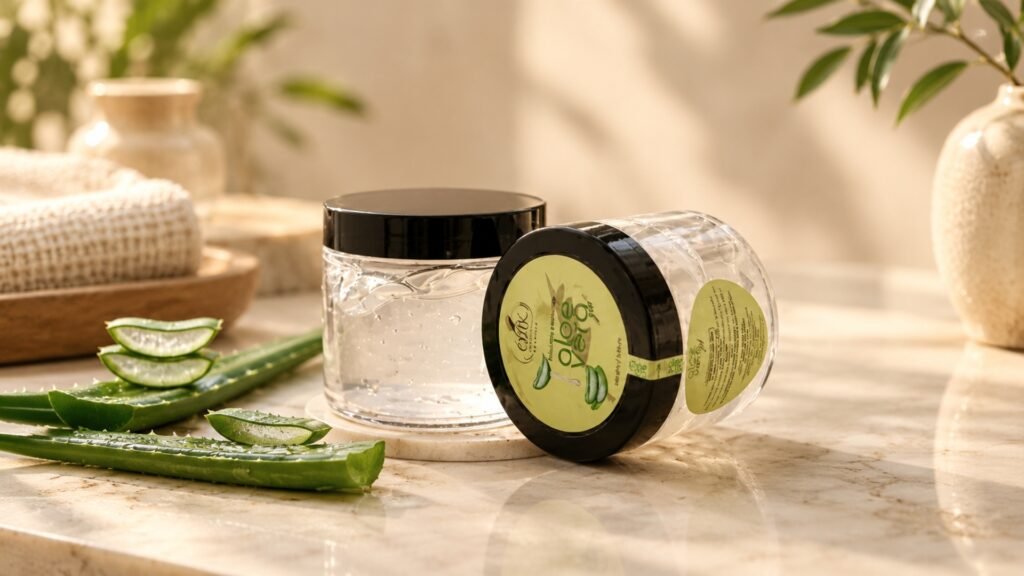
Oak Tree Naturals lists Oak Tree Aloe Vera Gel (100 g) as a lightweight, fast-absorbing gel intended to provide hydration without leaving skin feeling heavy or greasy. The brand describes it as helping skin feel soft, smooth, cool, and refreshed, and positions it for everyday skincare.
The product page also describes it as suitable for all skin types. That is a brand product claim, rather than independent clinical evidence that every skin type will tolerate it equally well, so people with sensitive skin should still patch-test new skincare products.
Explore Oak Tree Aloe Vera Gel (100 g)
The product is currently listed by Oak Tree Naturals at ₹299 for 100 g.
A Simple Aloe Vera Skincare Routine
Want to keep things easy?
Try this straightforward routine.
Morning
1. Cleanse
Use a gentle cleanser.
2. Aloe Vera Gel
Apply a thin layer to clean skin.
3. Moisturizer
If your skin needs additional moisture, apply your regular moisturizer.
4. Sunscreen
Finish with broad-spectrum SPF 30 or higher.
Evening
1. Cleanse
Remove makeup, sunscreen, dirt, and excess oil.
2. Aloe Vera Gel
Apply a comfortable layer.
3. Moisturizer
Use a richer moisturizer if your skin feels dry.
This routine keeps aloe vera in its proper place: a supportive skincare step, not a replacement for every other essential product.
Can Aloe Vera Gel Make Your Skin Glow?
it can help dry skin feel more moisturized and comfortable, which may make the skin look smoother and fresher.
But “glowing skin” is not a medical outcome, and aloe vera should not be presented as a guaranteed way to change your complexion.
A healthier-looking appearance usually comes from several consistent habits:
- Adequate moisturization
- Gentle cleansing
- Daily sun protection
- Avoiding unnecessary irritation
- Getting enough sleep
- Maintaining a balanced lifestyle
- Choosing skincare that suits your skin type
it can be one useful part of that routine.
When Should You See a Dermatologist?
it is appropriate for cosmetic skincare, but persistent skin problems deserve more attention.
Consider speaking with a dermatologist if you have:
- Persistent redness
- Severe or worsening dryness
- Painful or cracked skin
- Persistent itching
- Swelling
- A spreading rash
- Skin that repeatedly reacts to skincare products
- Symptoms that don’t improve with basic skincare
The AAD recommends seeking dermatological advice when excessive dryness persists or becomes painful, cracked, bleeding, stinging, or highly irritating.
Final Thoughts
Aloe vera gel on skin can be a simple way to add a lightweight, refreshing moisturizing step to your skincare routine.
Its appeal comes from its texture as much as the ingredient itself. It can feel comfortable on skin that needs hydration without the heaviness of a rich cream.
Research has explored topical aloe vera for several skin-related applications, but the strength of evidence varies by condition and formulation. So it’s best to avoid treating aloe vera as a cure-all or making guaranteed claims about what it can do.
For everyday skincare, focus on the basics: cleanse gently, moisturize appropriately, protect your skin from the sun, and choose products your skin tolerates well.
If you prefer a lightweight aloe-based product, Oak Tree Aloe Vera Gel (100 g) is positioned by Oak Tree Naturals as a fast-absorbing option for everyday hydration and refreshing care.
Sometimes, better skincare isn’t about adding more products. It’s about finding a simple routine that your skin actually enjoys.
FAQ Section
1. Is aloe vera gel good for skin?
it can be a useful lightweight skincare product that helps skin feel moisturized, soft, cool, and refreshed. Research has also investigated topical aloe vera for several skin-related applications, although evidence varies by use and formulation.
2. Can I use aloe vera gel on my face every day?
Many people use aloe vera gel as part of their daily skincare routine. However, your skin type and the specific formulation matter. Patch-test a new product first and stop using it if it irritates.
3. Can aloe vera gel help dry skin?
it can provide a lightweight moisturizing feel. However, very dry skin may need a richer cream or ointment because thicker moisturizers generally provide stronger moisture retention.
4. Can aloe vera gel make skin glow?
It can help dry skin look smoother and more hydrated, which may give it a fresher appearance. However, aloe vera isn’t a guaranteed treatment for dullness or a way to permanently change skin tone.
5. Is aloe vera gel suitable for oily skin?
A lightweight gel may feel more comfortable on oily skin than a heavy cream. However, people with acne-prone skin should look for products labelled non-comedogenic when possible and monitor how their skin responds.
6. Can I use aloe vera gel after being in the sun?
Aloe vera-containing moisturizers may help soothe the discomfort of sunburned skin, according to the American Academy of Dermatology. However, aloe vera does not replace sunscreen or prevent sunburn.
7. Can aloe vera gel cause skin irritation?
Yes. Even plant-based skincare products can cause irritation or allergic contact dermatitis in some people. Patch-testing a new product can help identify potential reactions before wider use.
8. Should I apply moisturizer after aloe vera gel?
It depends on your skin and the product. If aloe vera gel alone leaves your skin comfortable, you may not need another moisturizer immediately. If your skin remains dry, follow with a suitable moisturizer to provide additional moisture support.













One thought on “Aloe Vera Gel on Skin: Say Goodbye to Dry, Dull Skin With These Amazing Benefits”