
Lip Balm for Winter: Say Goodbye to Dry, Chapped Lips With These Powerful Tips

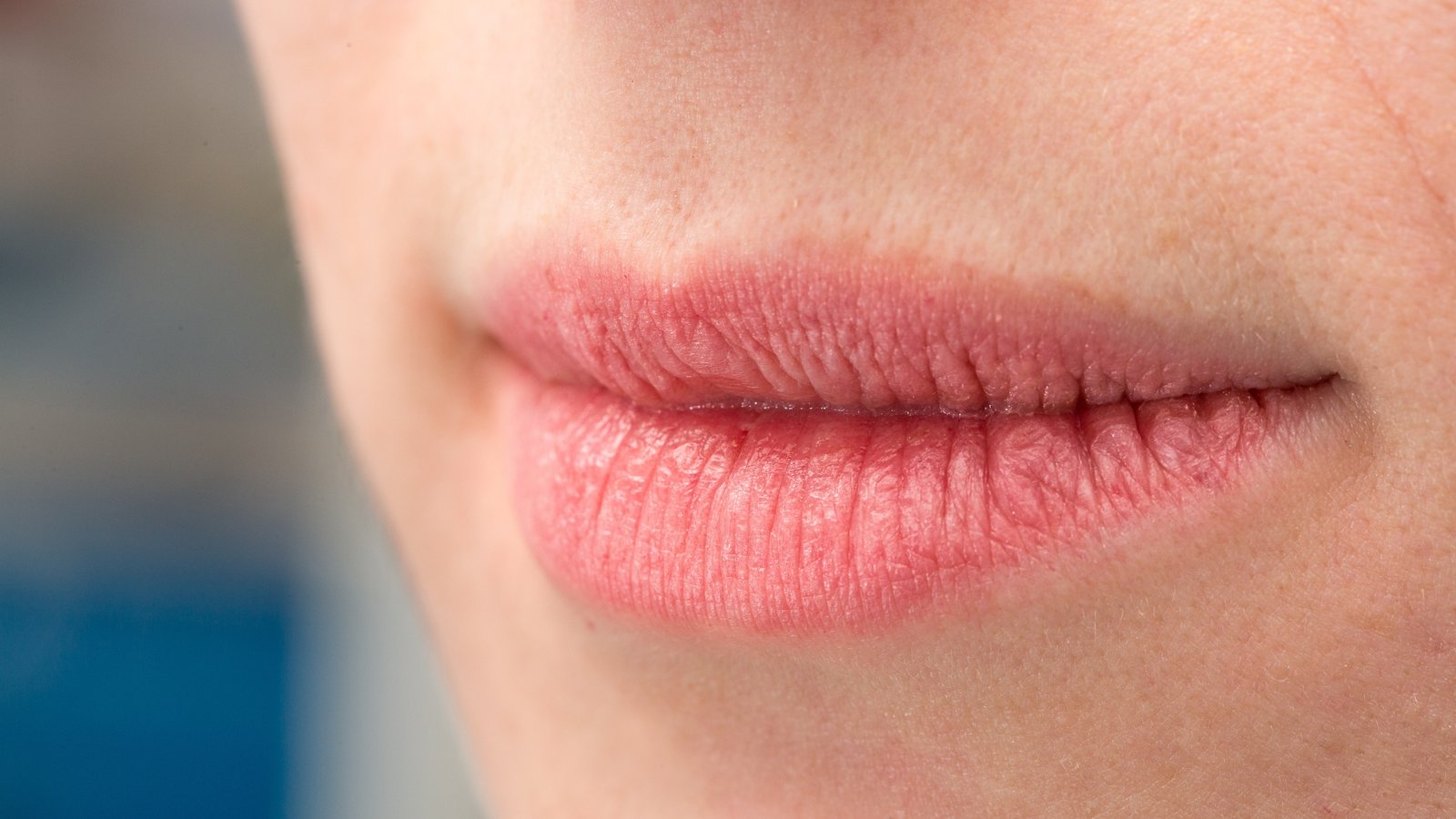
Winter has a way of making your lips complain before the rest of your skin does.
One morning, they feel perfectly fine. By evening, they feel tight. The next day, you notice peeling. Then comes the familiar urge to lick your lips, bite off the flaky skin, or apply whatever lip product happens to be closest.
Sound familiar?
Cold, dry air, wind, sun exposure, and habits such as frequent lip licking can all contribute to chapped lips. The skin of the lips is also more vulnerable to drying because it is thinner and has fewer protective oil glands than many other areas of the skin.
That is why choosing the right lip balm for winter is not simply about keeping a cute little tube in your pocket. It is about creating a simple habit that protects your lips from moisture loss and environmental stress.
And the good news? You do not need an elaborate 10-step lip-care routine.
A good balm, used consistently and combined with a few simple habits, can make winter much easier on your lips.
Table of Contents
Why Do Lips Get So Dry in Winter?
Before choosing a lip balm, it helps to understand why winter can be particularly tough on your lips.
Cold air generally contains less moisture, while indoor heating can further reduce humidity. This dry environment encourages moisture to escape from the skin. Wind can make the situation even worse.
Your lips are especially vulnerable because they have thinner skin and lack the oil glands found in much of the rest of your skin.
That can lead to familiar symptoms such as:
- Dryness
- Tightness
- Peeling
- Scaling
- Cracking
- Mild soreness or stinging
Frequent lip licking can also create a frustrating cycle. You may feel temporary relief when you wet your lips, but as saliva evaporates, the lips can become even drier.
So if you find yourself licking your lips every few minutes during winter, your lips may actually be asking for lip balm, not more licking.
Lip Balm for Winter: 7 Powerful Tips for Softer, Healthier-Looking Lips
The best winter lip-care routine is simple enough that you can actually stick to it.
Here are seven practical tips.
1. Choose a Lip Balm That Helps Seal in Moisture
The first step is obvious: keep a good lip balm for winter within reach.
But not all lip balms are formulated in the same way.
Dermatologists recommend looking for products containing moisturizing and protective ingredients such as petrolatum, mineral oil, dimethicone, ceramides, shea butter, and certain oils. The American Academy of Dermatology also recommends choosing products that do not irritate already-dry lips.
The purpose of a lip balm is not necessarily to “fill” your lips with water.
Instead, many lip balms create a protective layer that helps reduce moisture loss.
Think of it like putting a light protective cover over your lips when winter weather is constantly trying to dry them out.
What should you look for?
When choosing a winter lip balm, consider:
- Moisturizing ingredients
- Protective or occlusive ingredients
- A comfortable texture
- A formula that does not sting or burn
- SPF protection for daytime outdoor use
If a product makes your lips burn, sting, or tingle, that is not necessarily evidence that it is “working.” Dermatologists recommend stopping products that irritate your lips.
2. Apply Lip Balm Before Your Lips Become Severely Chapped
A common mistake is waiting until your lips are painfully cracked before reaching for lip balm.
Think prevention rather than rescue.
Apply your lip balm when your lips start feeling dry or tight, rather than waiting for visible peeling and cracking.
The American Academy of Dermatology recommends applying a non-irritating lip balm several times a day and before bedtime.
A practical routine might look like:
Morning: Apply lip balm after your skincare routine.
During the day: Reapply whenever your lips feel dry, particularly after eating or drinking.
Before going outside: Use a lip balm with appropriate sun protection.
Before bed: Apply another layer to help keep your lips protected overnight.
This takes only a few seconds, but consistency is what makes the routine useful.
3. Don’t Lick, Bite, or Pick Your Lips
This one is surprisingly difficult.
Your lips feel dry → you lick them.
They peel → you pull the skin.
A rough patch appears → you bite it off.
Then the lips become irritated → and the cycle starts again.
Frequent licking can worsen dryness because saliva evaporates from the lips, while biting and picking can create additional irritation or small cracks.
Instead, keep your lip balm nearby.
When you catch yourself licking your lips, apply a small amount of balm instead.
It is a simple habit swap:
Dry lips → lip balm
rather than:
Dry lips → licking → temporary relief → more dryness → licking again.
4. Protect Your Lips From Winter Sun Too
Winter does not mean your lips can forget about the sun.
UV exposure can affect your lips throughout the year. Dermatologists recommend using a lip balm with SPF 30 or higher before going outdoors and reapplying it as directed, particularly during prolonged outdoor exposure.
This becomes particularly relevant if you spend considerable time outside for:
- College commutes
- Office travel
- Shopping
- Outdoor sports
- Hiking
- Winter vacations
- Mountain trips
If you are heading somewhere snowy, sun protection becomes even more important because snow can reflect sunlight.
So your winter lip-care kit should ideally contain two things:
Moisture protection + sun protection.
If your regular lip balm does not contain SPF, consider using a separate SPF lip product when you are outdoors.
5. Keep Your Body Hydrated
Lip balm works from the outside, but your overall hydration habits still matter.
Dehydration can contribute to dry lips, although winter chapping is not caused by dehydration alone. Cold, dry air, wind, sun exposure, and lip-licking habits can all play a role.
You do not need to obsess over a specific number of glasses of water just for your lips.
Instead, make regular fluid intake part of your normal daily routine.
A simple reminder:
If you are thirsty, drink.
And remember that hydration is not a replacement for a protective lip balm. Both can have a place in a sensible winter routine.
6. Give Your Lips a Break From Irritating Products
Sometimes the product you are using to “fix” dry lips may actually be contributing to irritation.
The American Academy of Dermatology advises people with chapped lips to avoid potentially irritating ingredients such as camphor, eucalyptus, menthol, fragrance, and certain flavorings, particularly while the lips are dry and cracked.
Cleveland Clinic similarly recommends caution with ingredients such as menthol, camphor, and eucalyptus when treating chapped lips.
This does not mean every person will react to every ingredient.
It means you should pay attention to how your lips respond.
If a lip product consistently causes:
- Burning
- Stinging
- Increased redness
- Irritation
- Unusual dryness
Stop using it and choose a gentler alternative.
Your winter lip balm should feel comfortable—not like a science experiment.
7. Make Nighttime Lip Care Non-Negotiable
Your lips spend the night without eating, drinking, or being exposed to most daytime environmental conditions.
That makes bedtime a convenient opportunity for lip care.
The AAD recommends applying a non-irritating lip balm or moisturizer several times during the day and before bed. For very dry, cracked lips, dermatologists may recommend a thicker ointment such as white petroleum jelly because ointments can seal in moisture for longer than some waxes or oils.
A simple nighttime routine:
Cleanse your face → finish your skincare → apply lip balm → sleep.
No complicated layering required.
And if your lips are severely dry, consider a thicker protective ointment rather than repeatedly adding multiple fragranced lip products.
How to Choose the Best Lip Balm for Winter
Standing in front of a shelf full of lip balms can be surprisingly confusing.
Flavoured. Tinted. Glossy. Matte. Herbal. Medicated. SPF. Stick. Pot.
Which one should you choose?
Start with what your lips actually need.
What your lips need What to consider
Everyday moisture Moisturizing, protective balm
Very dry lips Thicker balm or ointment
Outdoor winter use Lip balm with SPF 30+
Sensitive lips Simple, fragrance-free formula
Frequent reapplication Comfortable texture you will actually use
Chapped or irritated lips Avoid products that sting or burn
There is no universal “best” lip balm for everyone.
The most useful product is one that your lips tolerate well and that you will consistently apply.
Oak Tree Apricot Honey Lip Balm for Winter Lip Care
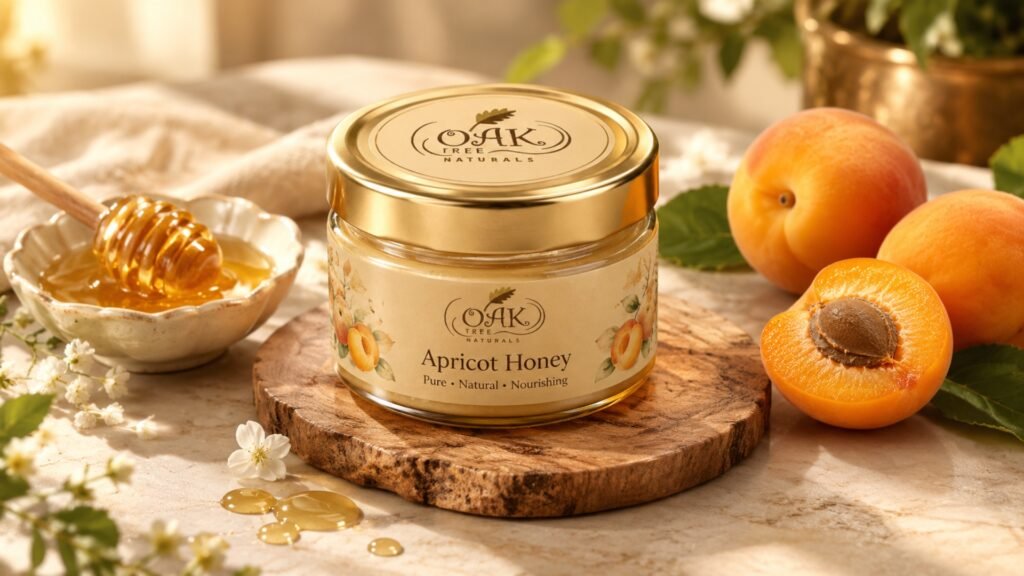
For people looking for a simple lip-care option, Oak Tree Naturals Apricot Honey Lip Balm (10 Gms) can be incorporated into a regular winter lip-care routine.
The product’s apricot-and-honey positioning makes it a natural fit for readers looking for everyday lip care with a nourishing, botanical-inspired approach.
However, it is worth keeping expectations realistic.
A lip balm should not be treated as a medical treatment for persistent lip conditions, and no cosmetic product can guarantee that severely chapped lips will disappear instantly.
The best way to use a winter lip balm is consistently:
Apply → reapply when needed → protect your lips outdoors → avoid irritation → give your lips time to recover.
For daytime outdoor use, check whether your lip product provides SPF; if it does not, use a separate SPF lip balm when appropriate.
You can explore the Oak Tree Apricot Honey Lip Balm (10 Gms) here:
Oak Tree Apricot Honey Lip Balm — Official Product Page
A Simple Winter Lip-Care Routine You Can Actually Follow
You do not need a shelf full of products.
Try this instead.
Morning
- Apply your lip balm.
- If heading outdoors, use SPF 30+ lip protection.
- Carry your lip balm with you.
During the day
- Reapply when your lips feel dry.
- Reapply after eating or drinking when needed.
- Avoid licking, biting, or picking your lips.
Night
- Cleanse normally.
- Apply a comfortable layer of lip balm.
- If your lips are severely dry, consider a thicker ointment recommended for dry lips.
Once a week?
You don’t necessarily need an aggressive lip scrub.
If your lips are already cracked or irritated, scrubbing can make them more uncomfortable. Focus on moisturizing and protecting them instead.
How Long Does It Take for Chapped Lips to Heal?
This depends on how severe the dryness is and what is causing it.
Mild winter dryness may improve relatively quickly once you consistently protect and moisturize your lips.
According to the American Academy of Dermatology, noticeable improvement in dry, chapped lips can occur within 2 to 3 weeks with appropriate self-care.
Cleveland Clinic similarly notes that severely chapped lips can take around 2 to 3 weeks to recover completely.
That figure is useful because it puts expectations into perspective.
If someone promises perfectly healed lips overnight, be skeptical.
Your lips are skin. They need time to recover.
When Should You See a Dermatologist?
Most ordinary winter dryness can be managed with simple lip care.
But persistent problems deserve attention.
Consider speaking with a healthcare professional if:
- Your lips remain severely cracked despite consistent care.
- Symptoms continue for several weeks.
- Your lips frequently bleed.
- You experience significant swelling.
- The condition repeatedly returns.
- A product causes persistent irritation.
- You develop unusual scaling or sores.
Persistent chapped lips can sometimes have causes beyond ordinary winter dryness, including allergies, infections, medication reactions, or other conditions.
So if your lips are not responding to basic care, don’t simply keep adding more lip balm.
Find out why.
The Bottom Line
Winter can be rough on your lips, but your lip-care routine does not have to be complicated.
A good lip balm for winter, regular application, adequate hydration, protection from cold and wind, and SPF during outdoor exposure can all help keep your lips more comfortable.
Most importantly, don’t wait until your lips are severely cracked before taking care of them.
Keep your balm beside your bed. Put one in your bag. Carry one when you’re heading out.
Because the best lip balm is not necessarily the one sitting unopened in your drawer.
It is the one you remember to use.
FAQ: Lip Balm for Winter
1. Which lip balm is best for winter?
A good winter lip balm should provide moisture and help reduce moisture loss. Dermatologists commonly recommend moisturizing or protective ingredients such as petrolatum, mineral oil, dimethicone, ceramides, and shea butter. For outdoor use, SPF 30+ lip protection is recommended.
2. How often should I apply lip balm in winter?
Apply it whenever your lips feel dry and consider using it several times throughout the day and before bed. Reapply after eating or drinking when necessary.
3. Can lip balm make your lips more chapped?
Lip balm itself does not inherently make lips dependent or permanently drier. However, some ingredients, fragrances, or flavorings can irritate certain people. If a product causes burning, stinging, or increased irritation, stop using it and switch to a gentler formula.
4. Should I use lip balm before sleeping?
Yes. Applying a non-irritating lip balm before bed is recommended by dermatologists as part of dry-lip care. For severely dry lips, a thicker ointment may provide longer-lasting protection.
5. Do I need SPF lip balm in winter?
Yes, particularly when spending time outdoors. Dermatologists recommend using lip protection with SPF 30 or higher because your lips remain exposed to UV radiation throughout the year.
6. Why do my lips keep getting chapped even when I use lip balm?
Possible reasons include continued exposure to cold or dry air, wind, frequent lip licking, irritating products, dehydration, or an underlying skin condition. If persistent chapping does not improve with basic care, consult a healthcare professional.
7. Is it okay to peel dry skin from my lips?
It is better not to pick or peel the skin. Doing so can create cracks and further irritation. Instead, use a gentle, non-irritating lip balm or ointment and allow the skin to recover naturally.













2 thoughts on “Lip Balm for Winter: Say Goodbye to Dry, Chapped Lips With These Powerful Tips”