Natural Avocado Goat Milk Soap: The Goodness Your Skin Deserves

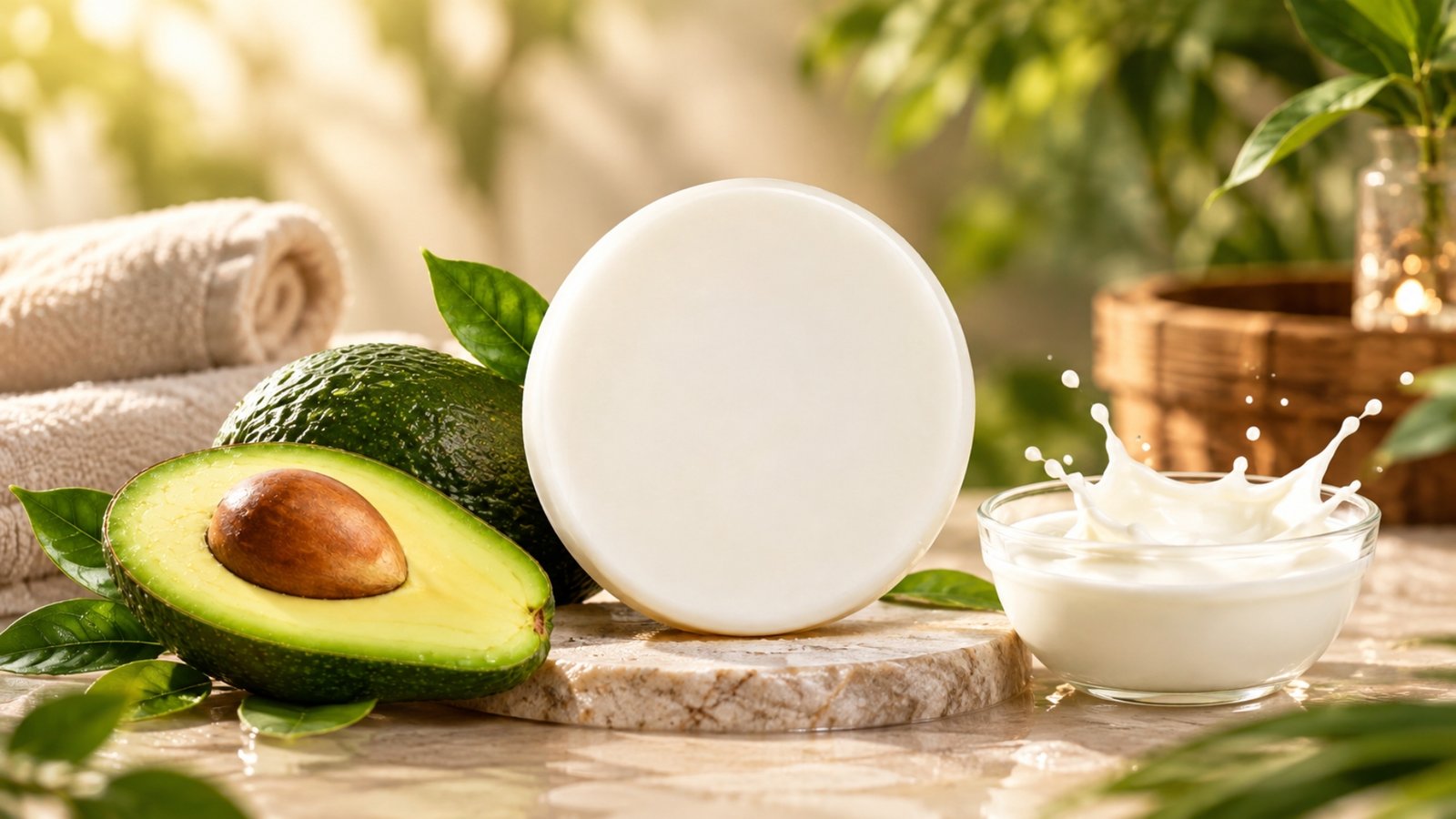
A good body soap should do more than simply wash away sweat and dirt. For many people, the ideal cleansing bar should leave the skin feeling clean without an uncomfortable tight or overly dry feeling afterward.
That is where natural avocado goat milk soap has gained attention among people who prefer ingredient-focused personal care. The combination brings together avocado, a plant-derived ingredient, with goat milk, a milk-derived ingredient, in an everyday cleansing bar.
But there is more to understanding this type of soap than simply looking at its headline ingredients.
Terms such as “cold-process,” “cold-pressed oils,” “botanical,” “nourishing,” “moisturizing,” and “natural” can describe very different things. Understanding what these terms actually mean can help you choose skincare products more thoughtfully.
Oaktree Naturals offers an Avocado With Goat Milk Soap positioned as a gentle cleansing bar containing avocado and goat milk. The brand describes the 100 g bar around cleansing, softness, smoothness, moisturization, and a refreshed after-bath feel.
So, what makes avocado and goat milk interesting in a cleansing bar? What does cold-process craft actually mean? And can this kind of soap fit into a simple daily body-care routine?
Let’s look at the ingredients, process, realistic benefits, and practical considerations.
Table of Contents
What Is Natural Avocado Goat Milk Soap?
Natural Avocado Goat Milk Soap is a cleansing bar formulated with avocado and goat milk as notable ingredients.
Avocado is a plant-based ingredient associated with naturally occurring oils and lipids. Goat milk contributes milk-derived components such as proteins and fats that have attracted interest in cosmetic formulations.
The finished soap, however, is determined by its complete formulation, not by two headline ingredients alone.
The type and amount of oils, alkali, milk, avocado-derived ingredients, fragrance, additives, and other components can all influence the final characteristics of a soap.
This is why it is useful to look beyond marketing terminology when choosing a cleansing bar.
A realistic way to view avocado and goat milk soap is as an ingredient-focused body cleanser designed to combine cleansing with a comfortable skin feel.
It should not be treated as a cure for acne, eczema, pigmentation, or other medical skin conditions.
Why Are Avocado and Goat Milk Used in Skincare?
Avocado and skin care
Avocado is naturally associated with oils and lipid components that have made avocado-derived ingredients popular in cosmetic formulations.
In skincare, avocado-derived ingredients can contribute to a formulation’s emollient or conditioning characteristics. In simple terms, emollient ingredients can help create a smoother, softer feel on the skin.
However, the form of avocado matters.
There is a difference between:
- Fresh avocado
- Avocado oil
- Avocado extract
- Avocado-derived unsaponifiable components
- Other avocado-based cosmetic ingredients
Their composition and function are not necessarily identical.
There is also a major difference between a leave-on skincare product and a rinse-off soap. A cream remains on the skin, while soap is washed away after cleansing.
Therefore, research on avocado oil or avocado-derived compounds should not automatically be interpreted as proof that every avocado soap produces the same effect.
The practical takeaway is simple: avocado can be a useful cosmetic ingredient, but the complete formulation determines the final product experience.
Goat milk and skin care
Goat milk has also attracted interest in cosmetic research because it contains proteins, fats, vitamins, minerals, and other naturally occurring compounds.
This makes it an interesting ingredient for personal-care formulations.
However, ingredient potential and proven product performance are not the same thing.
A study or review examining goat milk generally cannot automatically prove that every goat milk soap will provide a particular skin benefit.
For a rinse-off product, it is more accurate to focus on realistic outcomes such as cleansing, skin feel, and the overall bathing experience rather than promising a specific therapeutic result.
Natural Avocado Goat Milk Soap: Understanding Cold-Process Craft
The phrase “cold-process soap” refers to a method of making soap.
Traditional soapmaking involves oils or fats reacting with an alkali through a process called saponification. In cold-process soapmaking, the ingredients are combined, and the soap is allowed to complete this process without the high-temperature cooking associated with some other soapmaking methods.
The term describes how the soap is made.
It does not automatically mean:
- The soap is better for every skin type.
- The soap is completely chemical-free.
- The soap cannot cause irritation.
- Every ingredient remains unchanged.
- The product will treat a skin condition
Cold-process soap can be valued by people who appreciate traditional soapmaking and ingredient-focused formulations, but the finished product still needs to be evaluated as a complete formulation.
Cold-Pressed Oils vs. Cold-Processed Soap
This distinction is particularly important because the terms sound similar.
Cold-pressed oil refers to an oil extraction method.
Cold-process soap refers to a soapmaking method.
They are not interchangeable terms.
A soap can be made using cold-process techniques without every oil in its formulation being cold-pressed. Therefore, the phrase “cold-pressed oils” should only be used as a product-specific claim when the formulation or manufacturer documentation confirms that the relevant oils were actually cold-pressed.
For Oaktree Naturals’ avocado and goat milk soap, the safer product-specific description is to focus on the documented cold-process soapmaking approach, avocado, goat milk, and the product’s cleansing and skin-feel positioning.
That distinction keeps skincare information useful without turning a popular keyword into an unsupported ingredient claim.
What Are the Potential Benefits of Avocado and Goat Milk Soap?
The benefits of a body soap should be discussed realistically.
1. Everyday cleansing
The primary role of a body soap is cleansing.
It helps remove everyday buildup such as sweat, dirt, excess oil, and other impurities from the skin.
Oaktree Naturals positions its Avocado With Goat Milk Soap as a gentle cleansing product intended for everyday bathing.
2. A soft and smooth after-wash feel
The overall formulation of a cleansing bar can influence how the skin feels after washing.
Oaktree Naturals describes its avocado and goat milk soap as leaving the skin feeling soft, smooth, moisturized, and refreshed.
Individual results can vary because skin type, water temperature, bathing habits, climate, and the rest of a skincare routine all influence how skin feels after cleansing.
3. Ingredient-focused body care
Some people prefer personal-care products built around recognizable plants or naturally derived ingredients.
Avocado and goat milk give this type of soap a distinct ingredient profile compared with a basic cleansing bar.
For someone who enjoys a more ingredient-conscious bathing routine, that can be part of the product’s appeal.
4. A simple addition to a body-care routine
A complicated routine is not necessary for basic body cleansing.
A cleansing bar followed by a moisturizer when needed can provide a straightforward approach to everyday body care.
The important point is that soap is only one step. If your skin tends to become dry, your choice of moisturizer and bathing habits can matter just as much.
Is Avocado Goat Milk Soap Good for Dry Skin?
It may be suitable for people looking for a body cleanser with a softer, more comfortable after-wash feel, but no single soap works equally well for everyone with dry skin.
Dry skin can become worse when bathing involves very hot water, prolonged showers, vigorous scrubbing, or overly harsh cleansing.
A simple dry-skin-friendly routine can include:
- Use comfortably warm or lukewarm water.
- Keep showers reasonably short.
- Cleanse gently instead of scrubbing aggressively.
- Rinse thoroughly.
- Pat the skin dry rather than rubbing it vigorously.
- Apply a suitable moisturizer while the skin is still slightly damp.
The American Academy of Dermatology recommends short, warm showers, gentle cleansing, patting the skin dry, and applying moisturizer after bathing for people dealing with dry skin.
This is an important distinction: a soap can be part of a dry-skin routine, but it is not the entire solution.
Is Goat Milk Soap Suitable for Sensitive Skin?
“Natural,” “botanical,” or “milk-based” does not automatically mean that a product will be suitable for every sensitive-skin user.
Sensitive skin can react to different ingredients, including fragrances or other components of a formulation.
If your skin is easily irritated, consider:
- Checking the complete ingredient list.
- Avoiding ingredients you already know triggers a reaction.
- Testing a new product cautiously.
- Stopping use if persistent irritation occurs.
- Using a moisturizer suited to your skin afterward.
People with known milk allergies should also pay attention to the ingredient information of goat milk products.
Oaktree Naturals describes its avocado and goat milk soap as suitable for all skin types, but that should not be interpreted as a guarantee that every individual with reactive skin will tolerate it.
Skin responses are personal.
Can You Use Avocado Goat Milk Soap on Your Face?
A body soap should not automatically be used as a facial cleanser.
The skin on the face can have different cleansing needs from the skin on the body. Facial skin can also be more reactive for some people.
If a product is presented as a body soap or bathing bar, use it according to its intended purpose rather than assuming that a particular ingredient makes it appropriate for facial use.
This is a common skincare mistake: focusing on one appealing ingredient while overlooking the complete formulation and intended use.
For facial cleansing, choose a cleanser specifically formulated for the face.
How to Use Avocado With Goat Milk Soap
Using a cleansing bar does not need to be complicated.
Step 1: Wet your skin
Use comfortable, lukewarm water instead of very hot water.
Step 2: Create a lather.
Wet the soap and work it between your hands or with a suitable bathing cloth.
Step 3: Cleanse gently.
Apply the lather to the body using gentle movements.
There is generally no need for aggressive scrubbing simply to create a feeling of cleanliness.
Step 4: Rinse thoroughly.
Remove the lather completely with clean water.
Step 5: Pat dry.
Use a clean towel and gently pat your skin dry.
Step 6: Moisturize if needed
If your skin feels dry or tight after bathing, apply a suitable body moisturizer while the skin is still slightly damp.
This final step can be particularly useful during periods of seasonal dryness.
Who May Prefer an Avocado and Goat Milk Soap?
This type of cleansing bar may appeal to people who:
- Prefer ingredient-focused personal care.
- Like botanical or plant-derived ingredients.
- Want a simple body-care routine.
- Enjoy milk-based cosmetic ingredients.
- Prefer a soft, smooth after-bath feel.
- Want a body soap positioned around gentle cleansing.
- Are interested in traditional cold-process soapmaking.
The important consideration is not whether a soap sounds natural, but whether its complete formulation and intended use fit your individual skin needs.
Common Mistakes When Choosing Natural Soap
Mistake 1: Assuming “natural” means irritation-free
Natural ingredients can still cause reactions in some people.
Always consider your own skin history and the complete ingredient list.
Mistake 2: Treating cold processing as a guarantee of superior performance
Cold processing describes a manufacturing method. It does not guarantee that a particular soap will work better for every skin type.
Mistake 3: Confusing cold-pressed oils with cold-process soap
These terms describe different processes.
“Cold-pressed” refers to oil extraction, while “cold-process” refers to soapmaking.
Mistake 4: Expecting soap to treat a skin condition
A cleansing bar should not be presented as a treatment for acne, eczema, pigmentation, or another medical condition without appropriate evidence and regulatory basis.
Mistake 5: Judging the product by one ingredient
Avocado and goat milk may sound appealing, but the complete formula matters.
The oils, cleansing ingredients, fragrance, additives, and manufacturing process all contribute to the finished product.
Why Oaktree Naturals Avocado With Goat Milk Soap?
Oaktree Naturals offers its Avocado With Goat Milk Soap as a 100 g bathing bar featuring avocado and goat milk.
The product is positioned around gentle cleansing and a soft, smooth, moisturized, refreshed skin feel.
For someone searching for natural avocado goat milk soap, the product provides a straightforward combination of a plant-derived ingredient and a milk-derived ingredient in a body-cleansing format.
Its appeal is best understood through realistic expectations: it is a cleansing product designed for everyday bathing, not a substitute for targeted skincare or medical treatment.
That distinction also makes it easier to build a sensible routine around the soap.
If your skin is dry, combine appropriate cleansing habits with regular moisturizing. If your skin is sensitive, pay attention to the full ingredient list and your individual response. And if you are dealing with a persistent skin condition, a soap should not replace professional medical advice.
A Simple Way to Think About Avocado Goat Milk Soap
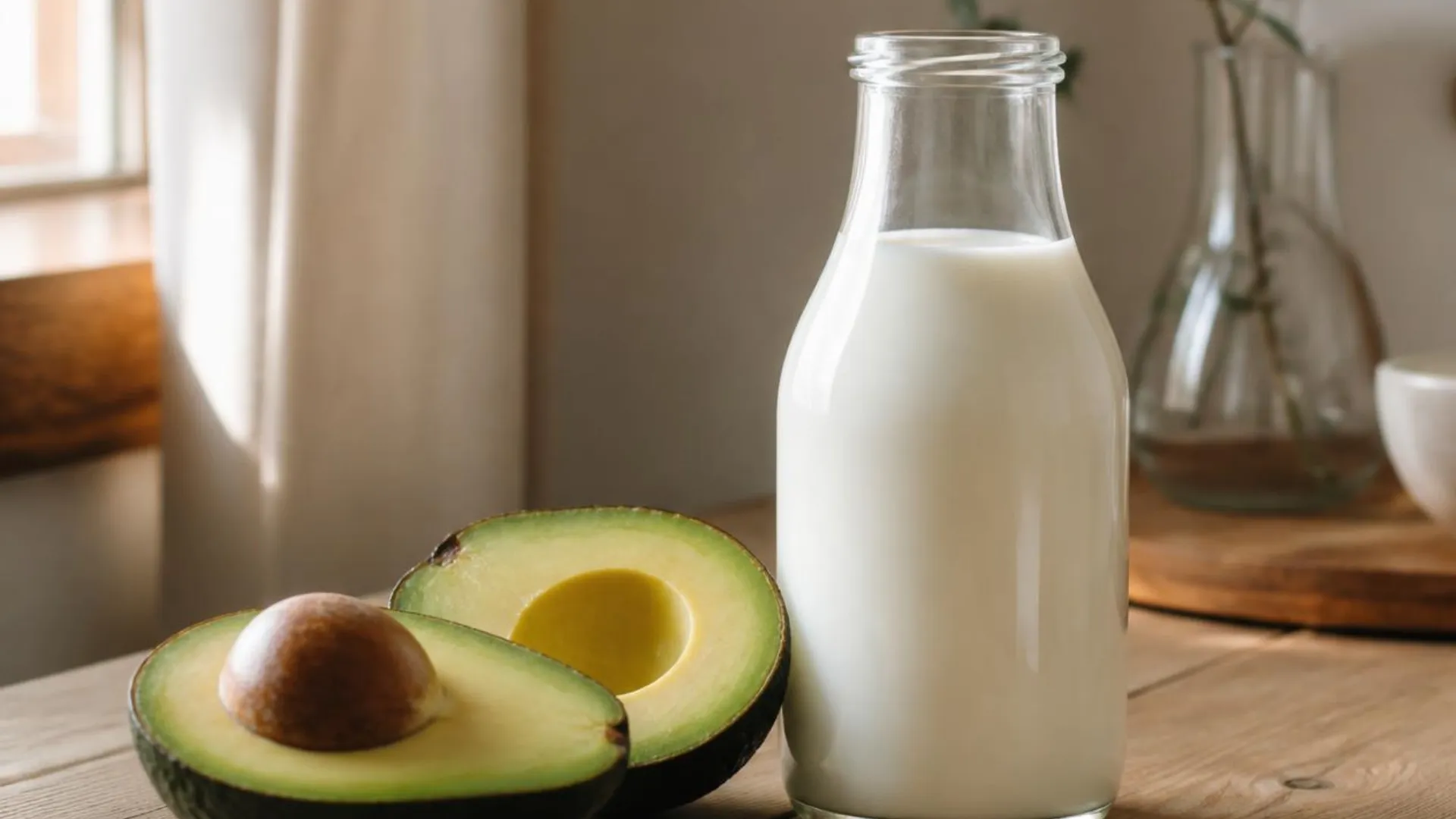
Instead of asking whether one ingredient makes a soap “the best,” consider five practical questions:
Question
What to Look For
What is its main purpose?
Everyday cleansing
What are the notable ingredients?
Avocado and goat milk
How is it made?
Check whether cold-process is documented.
What does “cold-pressed” mean?
Oil extraction method, not soapmaking
How does my skin respond?
Comfort, dryness, irritation, and overall feel
This approach keeps skincare decisions grounded in the actual product rather than broad marketing terms.
A well-chosen cleansing bar should fit comfortably into your routine without requiring unrealistic promises.
FAQ: Natural Avocado Goat Milk Soap
Is avocado and goat milk soap good for skin?
Avocado and goat milk can be useful cosmetic ingredients, but the overall effect depends on the complete soap formulation. A cleansing bar should primarily be viewed as a body-cleaning product.
What are the benefits of avocado goat milk soap?
It can provide everyday cleansing and may leave the skin feeling soft, smooth, moisturized, and refreshed depending on the formulation and individual skin response. Oaktree Naturals positions its product around these characteristics.
What does “cold-process” mean in soap?
“Cold process” refers to a method of making soap in which oils or fats react with an alkali through saponification without the high-temperature cooking used in some other soapmaking methods.
Is cold-pressed the same as cold-process?
No. “Cold-pressed” usually describes how an oil is extracted, while “cold-process” describes how soap is made. One term should not be used as proof of the other.
Can goat milk soap be used every day?
A goat milk soap can be part of an everyday bathing routine if your skin tolerates the formulation. If you experience dryness, tightness, or irritation, reconsider the cleanser and your bathing habits.
Is avocado goat milk soap suitable for sensitive skin?
It may be tolerated by some people, but “natural” or “milk-based” does not guarantee suitability for sensitive skin. Check the complete ingredient list and consider cautious introduction of any new product.
Can avocado goat milk soap be used on the face?
A body soap should not automatically be used on the face. For facial cleansing, choose a product specifically formulated for facial skin.
Does avocado goat milk soap treat eczema or acne?
It should not be assumed to treat eczema, acne, pigmentation, or other medical skin conditions. A cleansing bar is primarily intended for cleansing unless appropriate evidence and regulatory requirements support additional claims.