Clogged Pores Making Your Skin Look Uneven? 8 Effective Ways to Keep Your Skin Fresh and Clear-Looking

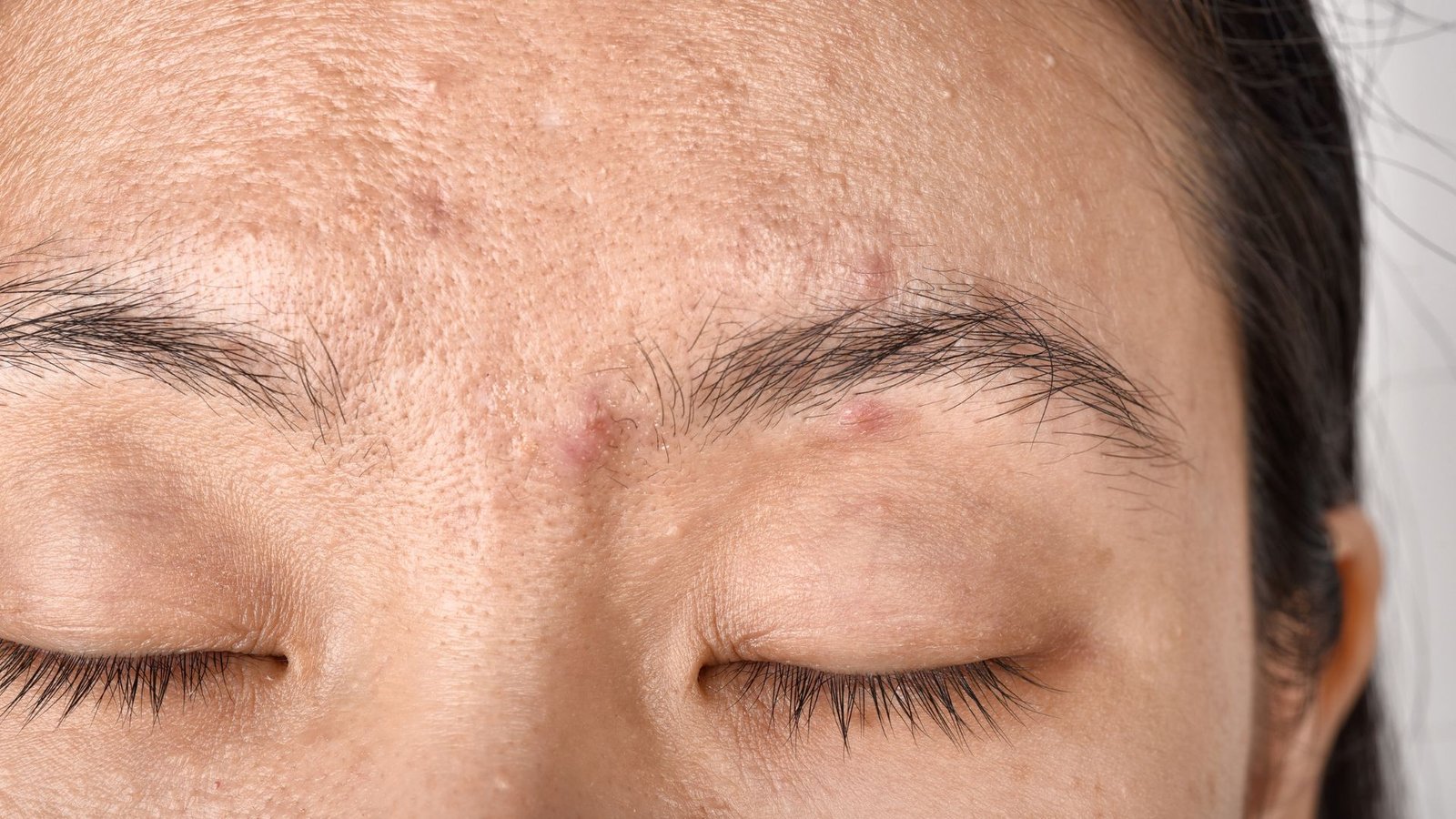
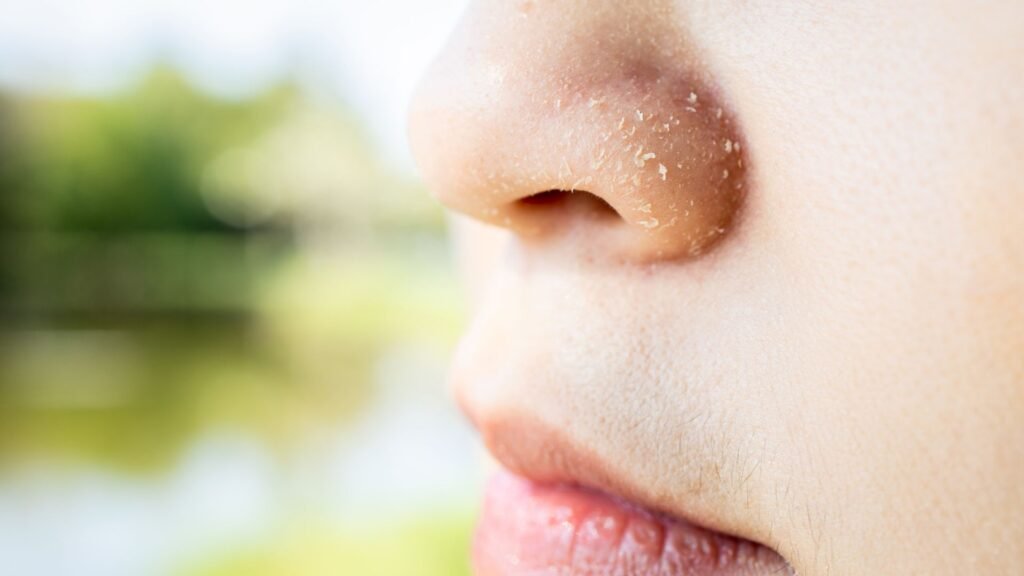
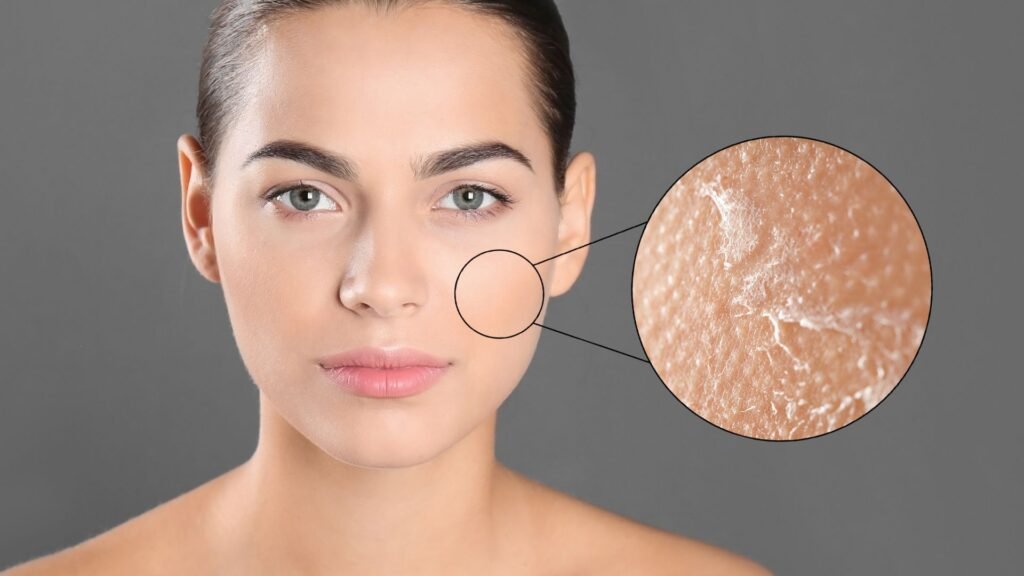
Have you ever looked closely in the mirror and noticed tiny bumps on your forehead, black dots around your nose or a rough-looking texture across your cheeks? Even when you cleanse regularly, your skin may still appear uneven.
One possible reason is clogged pores.
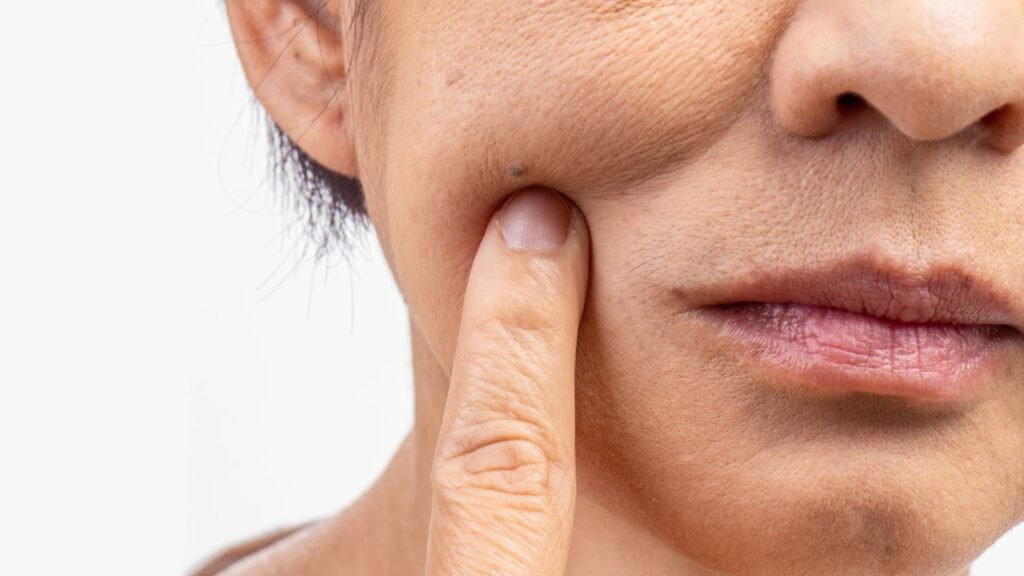
Pores are tiny openings in your skin through which oil and sweat reach the surface. When excess oil and dead skin cells accumulate inside a pore, they can contribute to blackheads, whiteheads and other types of blemishes.
But here is something worth remembering: clogged pores do not mean your skin is dirty. Washing harder, scrubbing more frequently or squeezing every tiny bump can actually irritate your skin.
The better approach is to understand what is happening and build a gentle, consistent skincare routine.
In this guide, discover eight practical ways to care for congested-looking skin, understand which ingredients may help and explore how Oak Tree Naturals products can fit into your everyday routine.
Table of Contents
What Causes Clogged Pores?
Your skin naturally produces sebum, an oily substance that helps protect and lubricate its surface. However, when excess sebum and dead skin cells accumulate inside a pore, a blockage can develop.
This may lead to different types of comedones:
- Blackheads: Open clogged pores that appear dark because the material inside reacts with oxygen. The dark colour is not simply dirt.
- Whiteheads: Closed clogged pores that appear as small, white or skin-coloured bumps.
- Other small bumps: Not every tiny bump is a clogged pore. Some may be related to irritation or other skin conditions.
Several factors can contribute to congestion, including excess oil production, certain skincare or makeup products, hormonal changes and the natural shedding of dead skin cells.
Your skin type, routine and individual sensitivities can all influence how your skin behaves.
8 Effective Ways to Keep Your Skin Fresh and Clear-Looking
1. Cleanse Gently Instead of Washing Aggressively
Cleansing helps remove excess oil, sweat, makeup and everyday surface impurities. However, using a harsh cleanser or repeatedly washing your face will not necessarily prevent clogged pores.
In fact, aggressive cleansing and scrubbing can irritate the skin.
Try these simple habits:
- Wash your face gently, generally up to twice daily and after heavy sweating.
- Use lukewarm water rather than very hot water.
- Massage your cleanser with your fingertips.
- Rinse thoroughly and pat your face dry.
- Avoid rough cleansing brushes and harsh scrubbing.
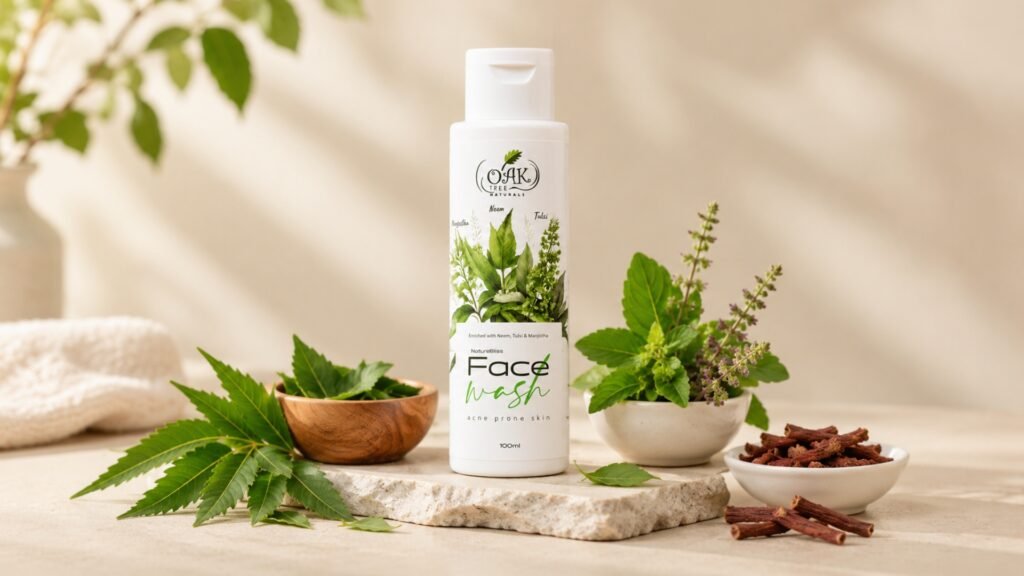
If you prefer botanical-inspired skincare, Oak Tree Naturals Natural Acne Face Wash is an option to explore. The brand describes it as a gentle, soap-free cleanser featuring Neem and Tulsi, designed to remove excess oil, dirt and impurities while maintaining the skin’s moisture balance.
It can be considered as a cleansing step in a routine for oily or breakout-prone skin. Remember, however, that a face wash is not a guaranteed treatment for blackheads or persistent acne.
Explore Oak Tree Naturals Natural Acne Face Wash
2. Look for Non-Comedogenic Skincare Products
Have you ever introduced a new moisturiser, sunscreen or foundation and then noticed more bumps appearing?
Some skincare and makeup products may contribute to clogged pores in certain people.
When choosing products, look for labels such as:
- Non-comedogenic
- Oil-free
- Won’t clog pores
These labels can help guide your choices, although no label guarantees that a product will suit every individual.
Pay attention to how your skin responds after introducing something new. If congestion appears repeatedly after using a particular product, consider stopping it and reviewing the ingredients.
3. Consider Salicylic Acid for Blackheads and Whiteheads
If your main concern is blackheads or whiteheads, salicylic acid is an ingredient worth understanding.
Salicylic acid is a beta-hydroxy acid (BHA) that helps exfoliate inside pores. It can loosen the buildup associated with clogged pores and is commonly used in skincare products designed for oily and acne-prone skin.
However, using more does not mean getting faster results.
If you want to try it:
- Begin with a suitable, lower-strength product.
- Follow the product’s directions carefully.
- Introduce it gradually rather than combining several exfoliating products.
- Use a suitable moisturiser.
- Stop or reduce use if your skin becomes irritated.
If you have sensitive skin, persistent breakouts or an existing skin condition, consider asking a dermatologist before introducing active ingredients.
4. Do Not Skip Moisturiser Even If Your Skin Is Oily
It may seem logical to avoid moisturiser when your face already looks shiny. But oily skin still needs hydration.
Skipping moisturiser can leave your skin feeling uncomfortable, particularly if you are using cleansing or exfoliating products that cause dryness.
Choose a moisturiser with a texture that feels comfortable and does not leave your skin excessively greasy.
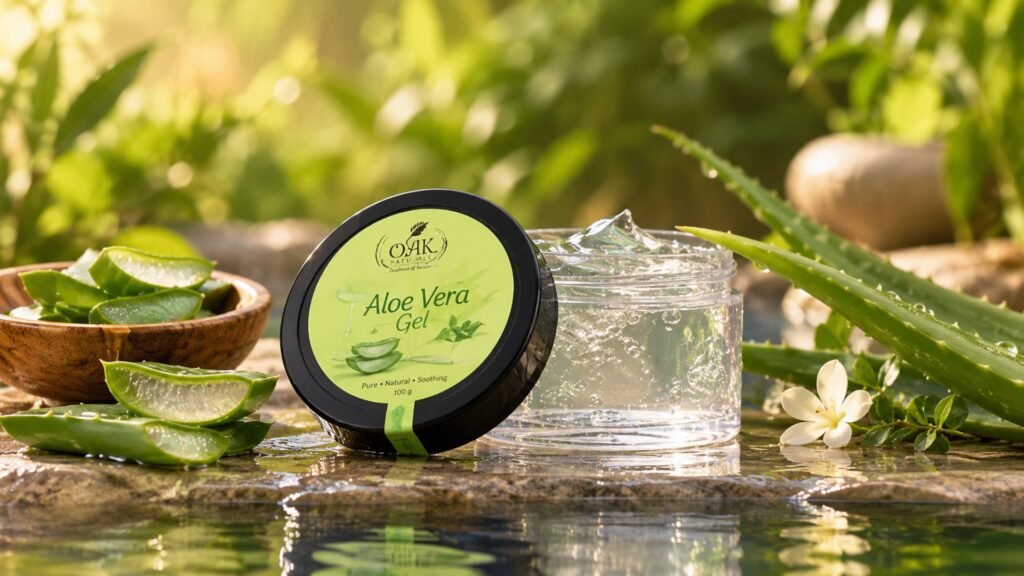
For a lightweight hydration step, Oak Tree Naturals Aloe Vera Gel is described by the brand as a fast-absorbing, non-greasy product that helps hydrate and soothe dry, tired or irritated-looking skin.
It can be an option if you enjoy gel-based skincare. However, very dry skin may need an additional moisturiser, and aloe vera gel should not be considered a treatment for clogged pores.
Discover Oak Tree Naturals Aloe Vera Gel
5. Remove Makeup and Sunscreen Before Bed
Leaving makeup on overnight can contribute to product buildup and may aggravate congestion, particularly if your cosmetics are not suitable for your skin.
Make evening cleansing a consistent habit.
A simple approach:
- Remove makeup with a suitable makeup remover.
- Pay attention to long-wear and waterproof products that may need a dedicated remover.
- Cleanse gently with a suitable face wash.
- Apply moisturiser if your skin needs it.
Avoid rubbing your face repeatedly to remove stubborn makeup. Gentle removal is more important than trying to make your skin feel completely stripped.
6. Avoid Squeezing Blackheads and Scrubbing Your Pores
When you notice blackheads around your nose, squeezing them can feel tempting. But picking, pressing and digging at pores can cause irritation and may increase the risk of inflammation, infection or scarring.
The same applies to harsh physical scrubs.
Instead of trying to remove every visible pore or bump immediately:
- Avoid squeezing blackheads and whiteheads.
- Do not use sharp tools to extract buildup at home.
- Avoid rough scrubs and excessive exfoliation.
- Give suitable skincare products time to work.
If blackheads are persistent or difficult to manage, a dermatologist can recommend appropriate treatments or professional extraction.
7. Apply Sunscreen Every Morning
Sun protection is an important part of maintaining healthy-looking skin.
Sun exposure can contribute to long-term skin damage and loss of firmness, which may make pores appear more noticeable.
Choose a broad-spectrum sunscreen with SPF 30 or higher and apply it according to the product directions.
Remember to reapply as recommended, particularly when spending extended periods outdoors.
Sunscreen does not directly remove clogged pores, but it helps protect your skin from UV damage and supports an effective daily skincare routine.
8. Be Consistent Rather Than Constantly Changing Products
One of the most overlooked skincare habits is consistency.
Switching between multiple face washes, exfoliators, serums and masks every few days makes it difficult to understand what works for your skin.
A simpler routine can be more practical:
Morning
- Cleanse gently.
- Apply a suitable moisturiser or hydrating product.
- Finish with broad-spectrum sunscreen.
Evening
- Remove makeup and sunscreen.
- Cleanse gently.
- Use a suitable pore-care product if needed.
- Apply moisturiser.
Introduce one new product at a time and observe how your skin responds. Some acne treatments need several weeks of consistent use before improvement becomes noticeable.
Clogged Pores vs. Visible Pores: Are They the Same?
Not exactly.
Clogged pores refer to pores containing accumulated oil and dead skin cells, sometimes resulting in blackheads or whiteheads.
Visible pores are the natural openings on your skin. Their appearance can vary with genetics, oil production, age and skin firmness.
You cannot permanently close or eliminate pores. However, suitable skincare may help make them look less noticeable by managing excess oil, reducing congestion and protecting skin health.
Also, tiny dots around your nose may be sebaceous filaments. These are normal structures that help move sebum to the skin’s surface. They can look similar to blackheads, but they are not the same thing and should not be repeatedly squeezed.
When Should You Consult a Dermatologist?
Occasional blackheads or small bumps are common, but persistent skin concerns may need more than an everyday cleansing routine.
Consider consulting a dermatologist if you experience:
- Deep or painful breakouts.
- Persistent blackheads and whiteheads that do not improve.
- Acne that leaves scars or dark marks.
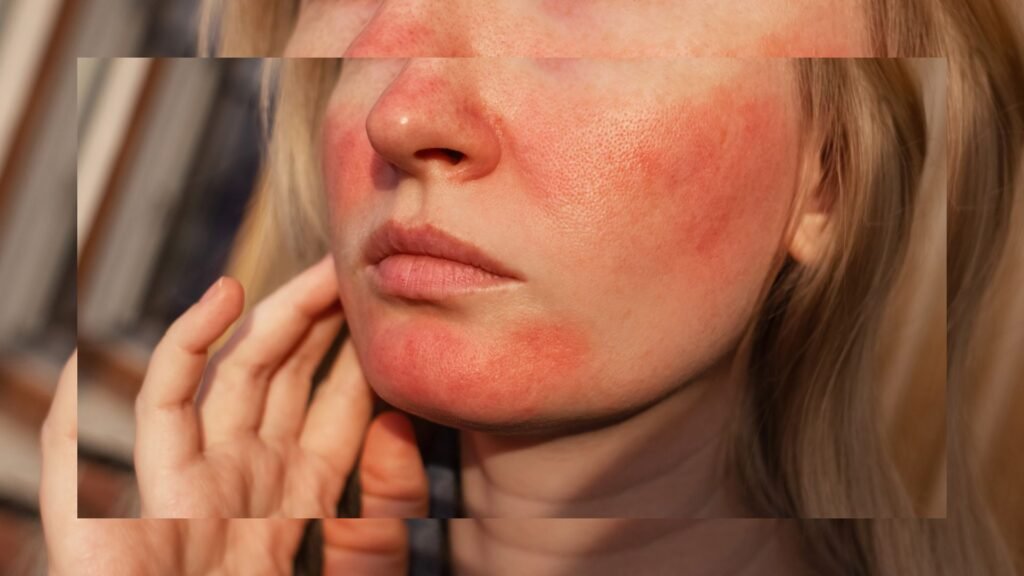
- Significant redness, itching or irritation.
- Skin problems that continue despite a consistent routine.
A dermatologist can identify whether you are dealing with acne, irritation or another skin condition and recommend suitable treatment.
Frequently Asked Questions
1. What is the main cause of clogged pores?
Clogged pores commonly develop when excess sebum and dead skin cells accumulate inside a pore. Certain skincare and makeup products may also contribute to congestion.
2. Does washing your face more often prevent clogged pores?
No. Washing too frequently or scrubbing aggressively can irritate your skin. Gentle cleansing, generally up to twice daily and after heavy sweating, is a more suitable approach.
3. Which ingredient helps unclog pores?
Salicylic acid is a commonly used skincare ingredient that helps exfoliate inside pores. Retinoids such as adapalene are also used to manage blackheads and whiteheads. Choose treatments according to your skin’s needs and follow professional advice where appropriate.
4. Can oily skin have clogged pores?
Yes. Excess sebum can combine with dead skin cells and contribute to blackheads and whiteheads. A gentle cleanser and suitable non-comedogenic skincare products can help support an appropriate routine.
5. Are blackheads caused by dirt?
No. Blackheads form when material inside an open pore reacts with oxygen, creating a dark appearance. Scrubbing harder will not remove them safely.
6. Does aloe vera gel remove clogged pores?
Aloe vera gel can provide hydration and help soothe the skin, depending on its formulation. However, it is not an established treatment for removing blackheads or unclogging pores.
7. How long does it take to improve clogged pores?
It depends on the cause, the products used and individual skin response. Some acne treatments require several weeks of consistent use. Avoid expecting overnight results or repeatedly changing your routine.
Final Thoughts: Give Your Skin the Right Kind of Care
Clogged pores can make your skin look uneven, but trying to scrub, squeeze or cleanse them away aggressively is rarely the answer.
Start with the basics: gentle cleansing, suitable non-comedogenic products, appropriate hydration and daily sun protection. If blackheads and whiteheads are your main concern, consider evidence-based ingredients such as salicylic acid and seek professional advice when necessary.
If you are looking to refresh your everyday cleansing routine, Oak Tree Naturals offers options such as Natural Acne Face Wash and Rose Gold Face Wash. You can also explore Aloe Vera Gel as a lightweight hydration step according to your skin’s needs.
The goal is not poreless or flawless skin. It is skin that feels comfortable, looks healthy and receives the care it actually needs.
Explore the Oak Tree Naturals skincare range and build a routine that works for your skin.