Dry, Rough Feet? 7 Essential Ways to Restore Soft, Comfortable Heels

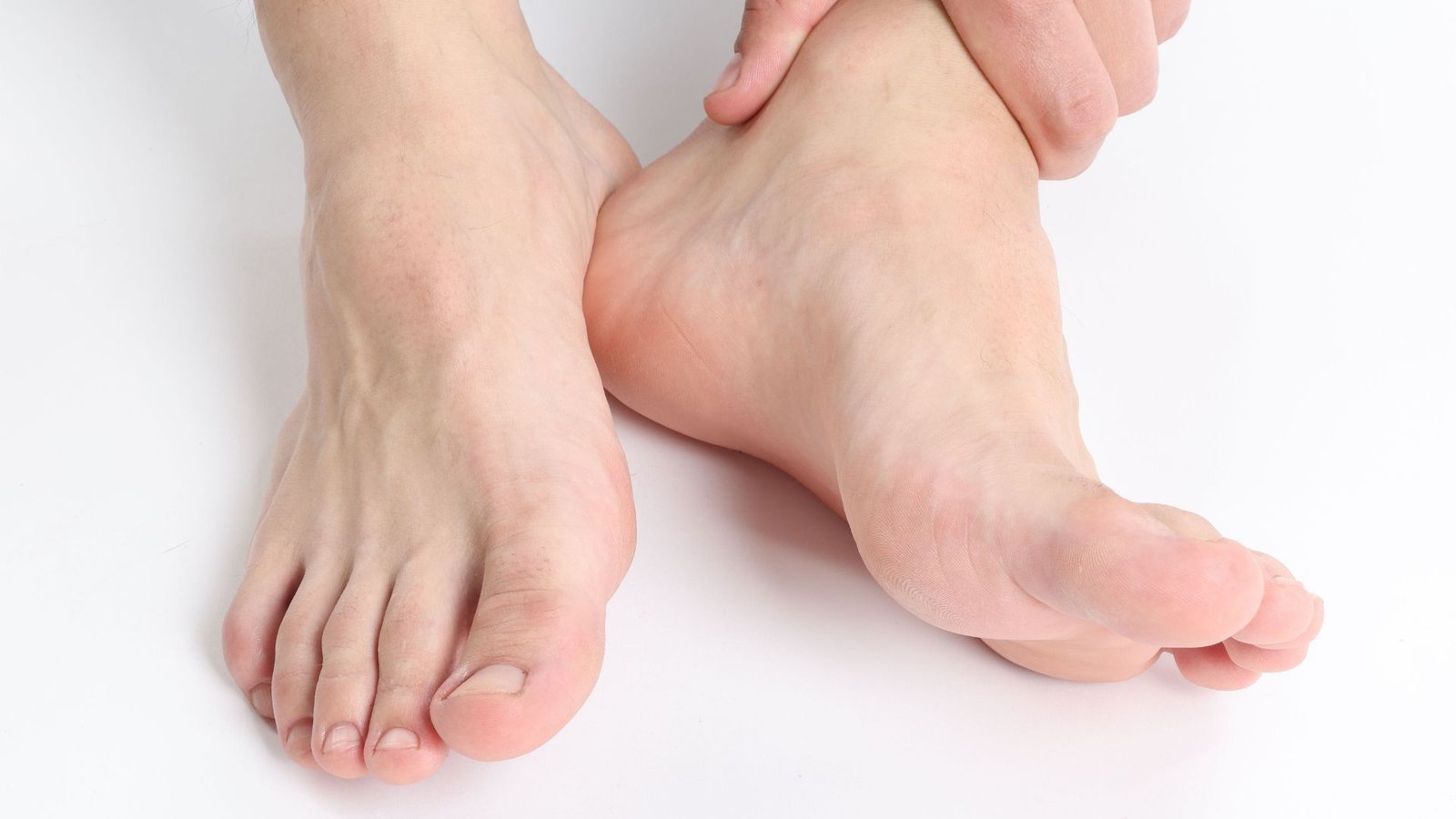
Your feet carry you through busy days, long walks, workouts and countless everyday activities. Yet they are often the most neglected part of a skincare routine. It is easy to notice dry skin on your face or hands, but rough soles, flaky heels and uncomfortable patches can go unnoticed until they become difficult to ignore.
Dry, rough feet are common, particularly during colder months. Frequent washing, hot showers, prolonged standing, friction from footwear and a lack of regular moisturising can all contribute to dryness. In some cases, the skin around the heels may become thick and lose flexibility, making it more likely to crack.
The good news is that everyday foot care does not need to be complicated. A few consistent habits can help improve skin comfort and maintain softer-looking heels.
Here are seven practical ways to care for dry, rough feet, along with advice on choosing a suitable moisturiser and knowing when professional help is needed.
Table of Contents
Why Do Your Feet Become Dry and Rough?
The skin on your heels experiences repeated pressure when you stand and walk. It may gradually become thicker as a response to friction and pressure. When this skin also loses moisture, it can feel rough, flaky and less flexible.
Some common contributors include:
- Cold or dry weather: Low humidity can contribute to moisture loss from the skin.
- Frequent hot showers: Hot water and prolonged bathing can make skin worse.
- Insufficient moisturising: Feet may become rough when dry areas are not moisturised regularly.
- Poorly fitting footwear: Shoes that rub against the heels can increase friction.
- Walking barefoot: Repeated contact with hard surfaces can contribute to pressure and roughness.
- Prolonged standing: Regular pressure on the heels may contribute to thickened skin.
Dryness is not always the only explanation. Conditions such as eczema, psoriasis or fungal infections can also affect the feet. If you notice persistent itching, scaling, unusual discolouration or discomfort, consider getting a professional assessment.
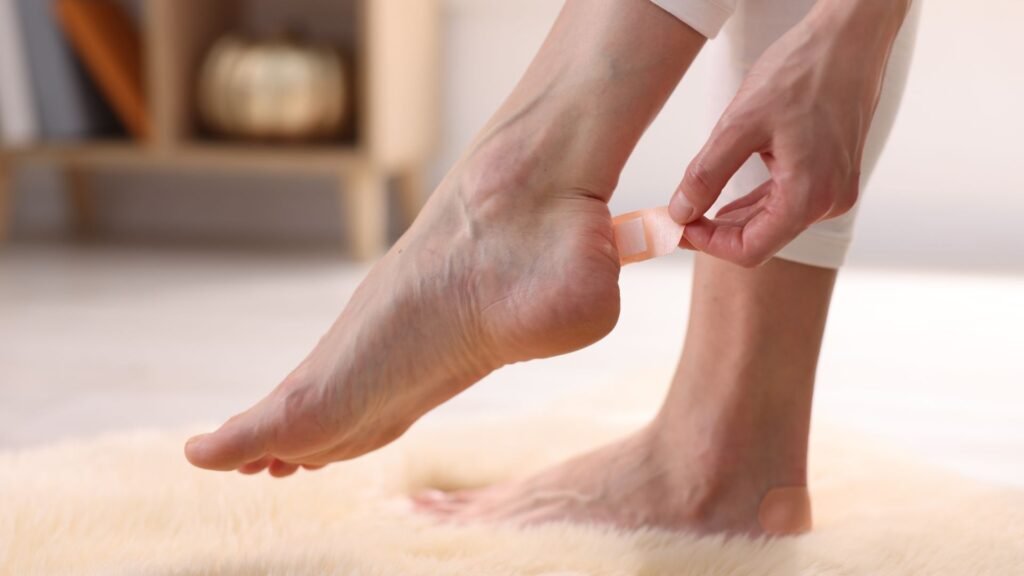
7 Essential Ways to Restore Soft, Comfortable Heels
1. Moisturise Your Feet Every Day
If your feet often feel rough or tight, regular moisturising is one of the most useful habits to introduce.
The heels and soles can become particularly dry because of repeated pressure and friction. Applying a suitable moisturiser helps condition the skin and reduce the uncomfortable feeling associated with dryness.
Try this: Apply foot cream after bathing, while the skin is still slightly damp. Pay attention to the heels, soles and other dry areas.
The American Academy of Dermatology (AAD) recommends moisturising dry, cracked heels shortly after bathing. It also suggests looking for ingredients such as urea, alpha hydroxy acids or salicylic acid in products intended for thick, dry heel skin.
For everyday foot care, choose a moisturiser that suits your skin and follow its application instructions.
2. Use Lukewarm Water Instead of Very Hot Water
A long, hot shower may feel relaxing, especially during winter, but it can make skin worse.
Excessive exposure to hot water can weaken the skin’s moisture barrier and leave your feet feeling drier after washing.
A better approach is to:
- Wash your feet with lukewarm water.
- Avoid unnecessarily long foot soaks.
- Use a gentle cleanser rather than a harsh soap.
- Pat your feet dry instead of rubbing them vigorously.
The AAD recommends keeping baths and showers relatively short and using warm rather than hot water when caring for dry skin.
3. Exfoliate Gently to Reduce Rough Buildup
Have you noticed thick, uneven skin around your heels? This may be a buildup of hardened skin.
Gentle exfoliation can help reduce some surface buildup and improve how rough areas feel. However, aggressive scrubbing can damage the skin, particularly when it is already dry or cracked.
For occasional gentle care:
- Wash your feet with lukewarm water.
- If the skin is intact, use a clean, gentle foot file or pumice stone.
- Avoid applying excessive pressure.
- Stop if you experience pain, redness or irritation.
- Apply moisturiser afterwards.
Do not cut thick skin with blades, scissors or other sharp tools.
Important: If you have diabetes, poor circulation, reduced sensation in your feet or a condition that affects wound healing, do not attempt to remove thickened skin yourself without professional guidance.
4. Choose Footwear That Reduces Friction
Your choice of footwear can influence how comfortable your feet feel throughout the day.
Shoes that repeatedly rub against your heels can create friction and contribute to rough patches. Open-backed footwear may also leave the heel less protected.
To make your feet more comfortable:
- Choose shoes that fit properly.
- Avoid footwear that repeatedly rubs against your heels.
- Wear clean socks when appropriate.
- Replace worn-out shoes when they no longer provide suitable support.
- Avoid walking barefoot on rough surfaces for prolonged periods.
The aim is to reduce unnecessary friction and pressure rather than relying entirely on skincare products.
5. Give Your Heels Extra Care at Night
Bedtime is a convenient opportunity to maintain a consistent foot-care routine. You can moisturise your feet without immediately exposing them to the friction of walking.
Try this simple nighttime ritual:
- Clean your feet gently.
- Pat them dry, including the spaces between your toes.
- Apply a suitable moisturising foot cream to your heels and soles.
- Massage gently.
- Allow the product to settle before putting on clean cotton socks, if comfortable.
For very dry heels, the Mayo Clinic also discusses applying a thick moisturiser or petroleum jelly at bedtime and wearing cotton socks.
Avoid leaving moisturiser between your toes, where trapped moisture can encourage skin problems.
6. Choose a Foot Cream That Matches Your Skin’s Needs
Not every moisturiser is designed for the same purpose. A lightweight body lotion may be suitable for everyday body care, but particularly rough heel skin may need a more targeted moisturising product.
When comparing foot creams, consider:
- Glycerin: A humectant that helps attract water to the outer layers of the skin.
- Plant oils: Ingredients such as coconut oil and apricot kernel oil can help condition and soften dry skin.
- Urea: Often used in products for very dry or thickened skin, depending on its concentration and formulation.
- Alpha hydroxy acids: May help soften thickened skin in appropriately formulated products.
- Texture: Choose a formula you can comfortably apply as part of your regular routine.
If your main concern is everyday dryness and rough-looking heels, a dedicated foot cream can be a practical addition to your skincare collection.
7. Stay Consistent Instead of Expecting Overnight Results
One application of moisturiser is unlikely to address dryness that has developed over weeks or months.
Foot care works best as a regular habit. Rather than waiting until your heels feel uncomfortable, build a short routine around bathing and bedtime.
A simple daily checklist:
- Wash your feet gently.
- Dry them carefully.
- Moisturise the heels and soles.
- Wear comfortable, well-fitting footwear.
- Avoid aggressive scrubbing.
- Check your feet regularly for unusual changes.
Consistency helps you maintain your routine and notice whether your skin is improving or needs further attention.
Give Your Feet Targeted Care with Oak Tree Naturals Foot Cream
If dry, rough heels are making you pay more attention to your foot-care routine, a dedicated moisturising product may be worth considering.
Oak Tree Naturals Foot Cream (50 g) is positioned as a foot-care product for dry, rough and cracked-looking heels. It can be considered as part of an everyday moisturising routine for the feet.
The brand’s published foot-care information highlights ingredients such as aloe vera, coconut oil, glycerin, apricot kernel oil and castor oil. Check the current product packaging for the complete ingredient list before use, particularly if you have sensitive skin or known allergies.
How to incorporate it into your routine:
- Clean your feet and pat them dry.
- Apply a suitable amount of foot cream to your heels and other dry areas.
- Massage gently until evenly spread.
- Follow the product’s directions for regular use.
Explore Oak Tree Naturals Foot Cream to see whether it suits your everyday foot-care needs.
Remember that a cosmetic foot cream is intended for skincare, not for treating infections, deep wounds or medical causes of cracked heels. Avoid applying it to open or bleeding cracks unless a healthcare professional advises you to do so.

When Should You Seek Professional Advice?
Most everyday foot dryness can be managed with appropriate skincare habits. However, some symptoms need more than a cosmetic routine.
Consider consulting a healthcare professional if you experience:
- Deep or bleeding heel cracks.
- Persistent pain when standing or walking.
- Redness, swelling, warmth or discharge.
- Severe itching, peeling or unusual skin changes.
- Dryness that does not improve with regular care.
People with diabetes should take particular care of their feet. Even a small crack or injury can require prompt attention, especially if sensation or circulation is reduced.
Do not delay professional advice if you suspect an infection or have a wound that is not healing.
Frequently Asked Questions
1. How can I make my feet soft and smooth?
Start with gentle cleansing, regular moisturising and comfortable footwear. Applying foot cream after bathing and before bed can help maintain softer-feeling skin. Avoid aggressive scrubbing or cutting away thick skin.
2. Why are my heels so dry even after applying moisturiser?
Dryness may continue if the product is not suited to your skin, application is inconsistent or friction and pressure remain unaddressed. Thickened skin may also need a more targeted approach. If dryness persists, consult a dermatologist or healthcare professional.
3. Is it better to apply foot cream in the morning or at night?
Both can be convenient. Applying moisturiser after bathing helps care for slightly damp skin, while nighttime application allows you to moisturise without immediately exposing your feet to walking and footwear.
4. Should I exfoliate dry feet every day?
Not necessarily. Frequent or aggressive exfoliation can irritate the skin. Gentle exfoliation, when appropriate, may help with surface buildup, but moisturising and reducing friction are important parts of everyday care.
5. Can I use body lotion on my feet?
Yes, a suitable body lotion can moisturise your feet. However, if your heels are particularly dry or rough, you may prefer a dedicated foot cream designed for that area.
6. Does wearing socks after applying foot cream help?
Clean cotton socks can help keep a moisturiser in contact with the skin and prevent it from rubbing onto bedding. Make sure your feet are dry between the toes and that the socks feel comfortable.
7. Can cracked heels become a serious problem?
Deep cracks can become painful and may increase the risk of infection. If your heels are bleeding, swollen, increasingly painful or showing signs of infection, seek medical advice. People with diabetes should be especially cautious.
Final Thoughts: Make Softer Feet Part of Your Everyday Routine
Dry, rough feet do not always need an elaborate treatment routine. Gentle cleansing, regular moisturising, careful exfoliation when appropriate and comfortable footwear can all contribute to healthier-looking heels.
The most important step is to stop treating foot care as an occasional task. Give your feet a little attention after bathing and before bed, and choose products that suit their needs.
If you are looking for a dedicated moisturising product, Oak Tree Naturals Foot Cream is one option to explore for everyday care of dry, rough and cracked-looking heels.
Comfortable feet begin with consistent care—one simple habit at a time.