
Foot Massage Cream: 7 Powerful Benefits for Soft, Smooth & Happy Feet

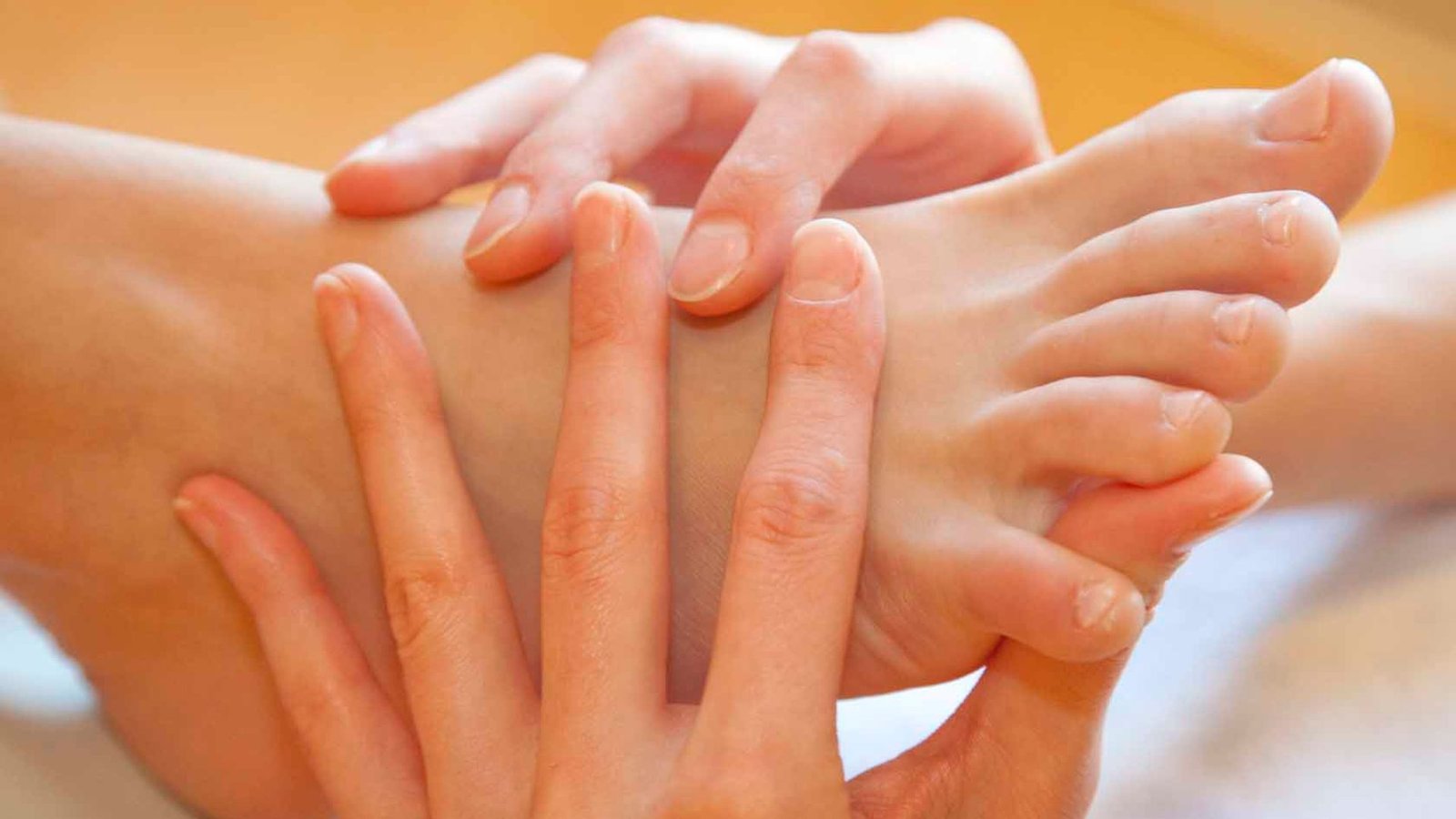
Our feet support us through daily activities, from walking to standing for long hours. Yet foot care often receives less attention than facial or body skincare. Over time, frequent walking, unsuitable footwear, dry weather, and long workdays can leave feet feeling worn out and the skin around the heels dry or rough.
Adding a foot massage cream to your regular foot care routine is a simple way to combine gentle massage with moisturizing care. The massage gives you time to relax, while the cream helps condition the skin and reduce the feeling of dryness. With consistent care, your feet can feel softer, smoother, and more comfortable.
Oak Tree Naturals offers a foot cream formulated with moisturizing ingredients, including aloe vera, coconut oil, glycerin, apricot kernel oil, and castor oil. These ingredients are commonly used in skincare products to help condition and moisturize the skin.
But how does a foot massage cream fit into an effective foot care routine? What benefits can you realistically expect, and how should you apply it?
This guide explains seven practical benefits, simple massage techniques, common mistakes to avoid, and ways to care for your feet at home.
Table of Contents
What Is Foot Massage Cream?
A foot massage cream is a cream applied to the feet while gently massaging the skin. Unlike a massage performed without a skincare product, using a cream can provide slip for your hands while helping to moisturize dry areas.
Depending on its formulation, a foot massage cream may contain humectants, which attract water to the skin, and emollients, which help soften and smooth its surface. Glycerin is a common humectant, while plant oils such as coconut oil, apricot kernel oil, and castor oil are used in skincare formulations for their conditioning properties.
A foot cream is not necessarily a treatment for foot pain, fungal infections, or severe cracked heels. Its main role in everyday cosmetic care is to help moisturize and condition the skin.
Oak Tree Naturals Foot Cream is an option to consider if you want to include a moisturizing product in your routine. Always review the product label and ingredient list to ensure it suits your needs.
7 Powerful Benefits of Foot Massage Cream
1. Helps Soften Dry Feet
Dry skin can make the feet feel rough, especially around the heels and soles. Repeated friction from footwear and regular walking can make these areas feel even less comfortable.
Using a foot massage cream helps introduce moisturizing ingredients into your routine. Massage the cream gently over the tops of your feet, soles, and heels, paying attention to areas that tend to feel dry.
For best results, apply a suitable foot moisturizer after bathing, when the skin is slightly damp. Dermatologists commonly recommend moisturizing soon after bathing to help retain moisture.
A foot massage cream can therefore be a practical addition to your daily routine when your goal is softer, more comfortable skin.
2. Supports Smoother-Looking Heels
Heels often become rough because the skin experiences pressure and friction during everyday movement. Dry weather and open-backed footwear can also contribute to dry, rough skin.
A foot massage cream can help condition the skin and improve its soft, smooth feel when used regularly. Massage a small amount over the heel and surrounding skin without rubbing aggressively.
However, ordinary moisturizing cream may not be enough for thick calluses or deep heel cracks. Avoid cutting rough skin or trying to remove it with sharp tools. If your heels are severely cracked, painful, bleeding, or not improving, consult a healthcare professional.
For routine dryness, consistent moisturizing and suitable footwear can make foot care more manageable.
3. Makes a Relaxing Self-Care Routine Easier
A gentle foot massage can provide a relaxing pause after a busy day. You do not need complicated equipment or a lengthy routine to make foot care part of your evening.
A foot massage cream provides a smooth surface for gentle massage, allowing your hands to move comfortably over the skin. Sit somewhere stable, support your foot, and use slow circular movements over the sole and heel.
Keep the pressure comfortable. A massage should not cause sharp pain, bruising, or increased discomfort.
Although a foot massage may feel soothing, a cream should not be presented as a cure for persistent pain or a medical condition. If your feet regularly hurt or swell, seek appropriate medical advice instead of relying on massage alone.
4. Helps Condition the Skin on Your Feet: A well-formulated moisturizer improves the skin’s texture by supporting hydration and reducing roughness.
The skin on your feet can become dry when it loses moisture. A well-formulated moisturizer helps improve the skin’s feel by supporting hydration and reducing roughness.
A foot massage cream with moisturizing ingredients can help condition the skin when used according to its directions. Glycerin, for example, is widely used in skincare because it attracts water. Oils can help soften the skin and reduce the feeling of dryness.
Oak Tree Naturals Foot Cream includes ingredients used in moisturizing skincare, such as glycerin and plant oils. The effect you experience will depend on the complete formula, how often you apply it, and your skin’s individual needs.
For everyday care, use the cream consistently rather than applying a large amount only when your feet feel extremely dry.
5. Encourages Consistent Foot Care
Foot care is easier to maintain when it becomes part of an existing habit. You could apply a foot massage cream after your evening shower or before bed, provided your feet are clean and dry enough for safe application.
A simple routine can include:
- Washing your feet with lukewarm water and a gentle cleanser.
- Drying them carefully, especially between the toes.
- Applying cream to dry areas such as the heels and soles.
- Massaging gently until the product is spread evenly.
- Wearing comfortable footwear during the day.
Avoid leaving thick layers of cream between the toes, where trapped moisture can contribute to skin problems.
A foot massage cream is most useful when it forms part of a consistent routine rather than being treated as a quick fix for every foot concern.
6. Helps Improve the Feel of Rough Areas
The heels and balls of the feet experience repeated pressure as you walk. These areas may develop thickened skin or feel rough over time.
A foot massage cream can soften the feel of dry skin and make routine moisturizing easier. Apply it gently to rough areas, but do not expect a basic cream to remove thick calluses immediately.
For very rough heels, a product specifically formulated for thickened skin may be more appropriate. Some foot care products contain ingredients such as urea in concentrations designed to soften thick skin. Choose a product according to its label and seek professional advice if you have a medical condition affecting your feet.
Avoid aggressive scrubbing, particularly if your skin is cracked, irritated, or painful.
7. This product complements an everyday foot care routine.
Foot care involves more than applying a cream. Comfortable footwear, regular washing, careful drying, and attention to skin changes all contribute to healthier everyday habits.
A foot massage cream complements these steps by helping moisturize the skin and making a gentle massage easier. You can use it after bathing or as part of your bedtime routine, following the product directions.
If your feet are prone to dryness, try to identify possible triggers, such as scorching showers, harsh cleansers, or shoes that rub against your heels. Addressing these habits alongside moisturizing can be more helpful than relying on a single product.
A foot massage cream is a practical cosmetic option for maintaining soft-feeling skin, but it should not replace medical care when symptoms suggest an underlying problem.
How to Use Foot Massage Cream Correctly
The way you apply a foot massage cream can make your routine more comfortable and consistent.
Step 1: Clean Your Feet
Wash your feet with lukewarm water and a gentle cleanser. Avoid very hot water and prolonged soaking, as these can contribute to dryness.
Step 2: Dry Them Carefully
Use a clean towel to pat your feet dry. Pay particular attention to the spaces between your toes, where moisture can remain trapped.
Step 3: Apply a Small Amount
Take a suitable amount of foot massage cream and spread it across the soles, heels, and tops of your feet. Follow the product label for the recommended amount and frequency.
Step 4: Massage Gently
Use slow circular movements with your fingertips or palms. Move around the heel and sole without applying painful pressure. If an area is swollen, injured, or unusually sensitive, avoid massaging it until you have appropriate advice.
Step 5: Let the Cream Absorb
Allow the cream to settle before putting on footwear. If you apply a rich product before bed, clean cotton socks may help keep the cream from transferring to your bedding, provided the socks feel comfortable and do not make your feet excessively warm.
Which Ingredients Should You Look For in a Foot Massage Cream?
Choosing a Foot Massage Cream starts with understanding your skin’s needs and checking the complete ingredient list.
| Ingredient | Common skincare role |
| Glycerin | Helps attract water to the skin. |
| Coconut oil | Used as an emollient to soften and condition skin. |
| Apricot kernel oil | Helps condition the skin and improve its feel. |
| Castor oil | A richer oil used in skincare to soften and condition. |
| Aloe vera | Commonly used in skincare formulations for its soothing feel. |
These ingredients can serve different purposes, and their effects depend on the complete formulation. An ingredient’s presence alone does not guarantee a particular result.
Oak Tree Naturals Foot Cream contains moisturizing ingredients such as aloe vera, coconut oil, glycerin, apricot kernel oil, and castor oil. Check the product packaging for the latest ingredient information and directions before use.
Common Foot Care Mistakes to Avoid
Even when you use a foot massage cream, a few habits can make foot care less effective.
- Using scorching water: Hot water and long baths can contribute to dry skin. Choose lukewarm water instead.
- Scrubbing too aggressively: Forceful scrubbing can irritate the skin and worsen discomfort.
- Ignoring the spaces between your toes: Dry your feet carefully after washing and avoid leaving excess cream between the toes.
- Expecting instant results: Dry skin usually benefits from consistent care rather than one application.
- Using cream on open wounds without advice: Avoid applying cosmetic products to broken or infected skin unless a healthcare professional recommends it.
- Ignoring persistent symptoms: Deep cracks, swelling, spreading redness, or ongoing pain may require professional assessment.
If you have diabetes, reduced sensation in your feet, poor circulation, or a history of foot ulcers, ask a healthcare professional for personalized foot care advice before trying new products or massage techniques.
Oak Tree Naturals Foot Cream: An Option for Everyday Care

If you want to make foot moisturizing part of your daily routine, Oak Tree Naturals Foot Cream is worth exploring. Its formula includes ingredients commonly used to condition and moisturize the skin, including aloe vera, coconut oil, glycerin, apricot kernel oil, and castor oil.
You can use the product as directed to moisturize your feet and gently massage the cream over areas that feel dry. Avoid applying it between the toes if it leaves excess moisture there, and do not use it on broken or irritated skin without professional guidance.
Explore the product details here: Oak Tree Naturals Foot Cream, 50 g.
Before buying, review the product information and ingredient list to make sure it suits your preferences. Remember that the best foot care routine is one you can follow comfortably and consistently.
Final Thoughts
A foot massage cream can be a useful addition to everyday foot care by combining gentle massage with moisturizing care. It can help dry feet feel softer, condition rough areas, and make an evening self-care routine easier to maintain.
For the best approach, apply your cream consistently, wear comfortable footwear, dry your feet carefully, and pay attention to changes in your skin. If you have severe cracks, persistent pain, swelling, or signs of infection, seek medical advice rather than relying on a cosmetic product.
Oak Tree Naturals Foot Cream offers a convenient option for people looking to include moisturizing ingredients in their routine. Check the product details, follow the directions, and choose a routine that fits your individual needs.
FAQ
1. What are the benefits of foot massage cream?
Foot Massage Cream can help moisturize dry skin, soften rough-feeling areas, and make a gentle foot massage more comfortable. Results depend on the product formulation and how consistently you use it.
2. Can I use Foot Massage Cream every day?
Many foot moisturizers can be used daily according to their label directions. Check the instructions and discontinue use if irritation develops.
3. Is Foot Massage Cream beneficial for dry heels?
A moisturizing cream can help soften dry heels. Deep cracks or persistent heel problems may require a specialized product or advice from a healthcare professional.
4. When is the best time to apply foot massage cream?
After bathing is a convenient time because moisturizer can be applied while the skin is still slightly damp. Dry between your toes carefully before applying cream elsewhere.
5. Can foot massage cream remove stubborn calluses?
A regular foot cream may soften dry skin, but it may not remove thick calluses. Avoid cutting hard skin yourself, and seek professional advice if the area is painful.
6. Which ingredients should I look for in a foot cream?
Glycerin, plant oils, and other moisturizing ingredients may help condition dry skin. Choose a formulation that suits your needs and review the full ingredient list.
7. Can I wear socks after applying foot massage cream?
Yes, comfortable cotton socks can help prevent the cream from transferring to your bedding. Make sure your feet are dry between the toes and avoid socks that feel tight or trap excessive heat.
8. Where can I find Oak Tree Naturals Foot Cream?
You can explore the Oak Tree Naturals Foot Cream, 50 g product page, for its details and directions for use.













Thanks for this, it’s a lovely read. I’d love to know if the cream is best applied before bed with socks on for even better results?