How to Keep Lips Hydrated: 7 Proven Ways to Avoid Dry, Chapped Lips


If you have been wondering how to keep lips hydrated, the solution usually isn’t complicated. A consistent lip-care routine, adequate hydration, protection from environmental conditions, and a suitable lip balm can make a noticeable difference to how your lips feel.
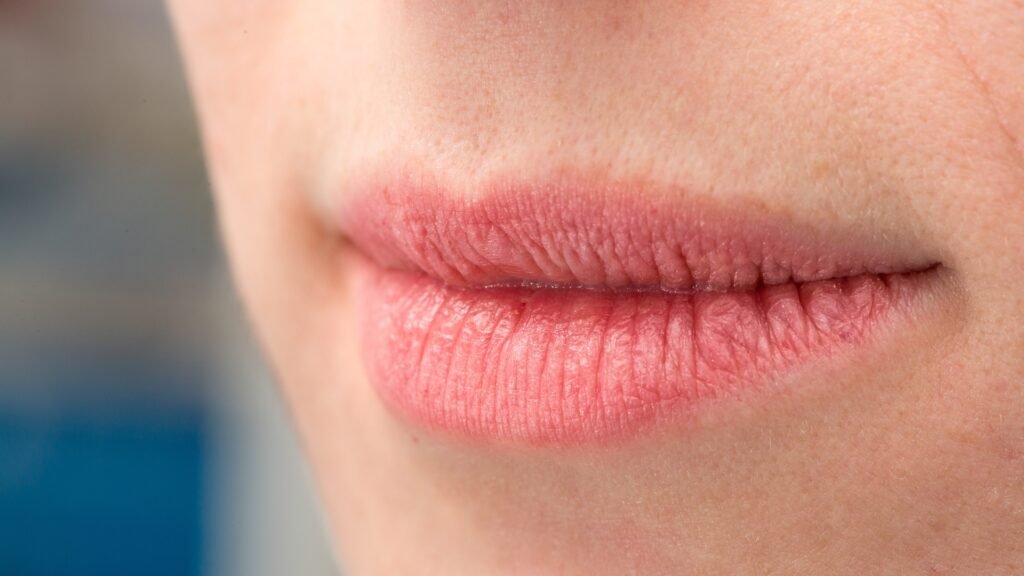
Dry, tight, flaky lips can be surprisingly uncomfortable. Sometimes the cause is obvious—a cold, windy day or dry indoor air. Other times, the problem comes from habits such as repeatedly licking your lips, not using lip care consistently, or choosing products that irritate already-sensitive skin.
Dermatologists also recommend avoiding habits that can worsen dryness, including licking, biting, and picking at the lips. Cold weather, dry air, sun exposure and dehydration can all contribute to chapped lips.
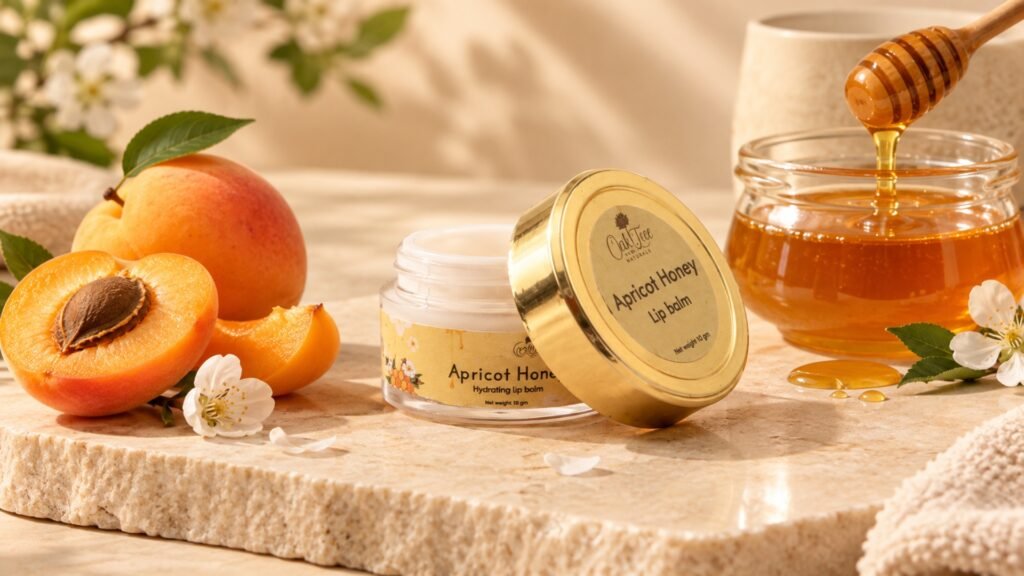
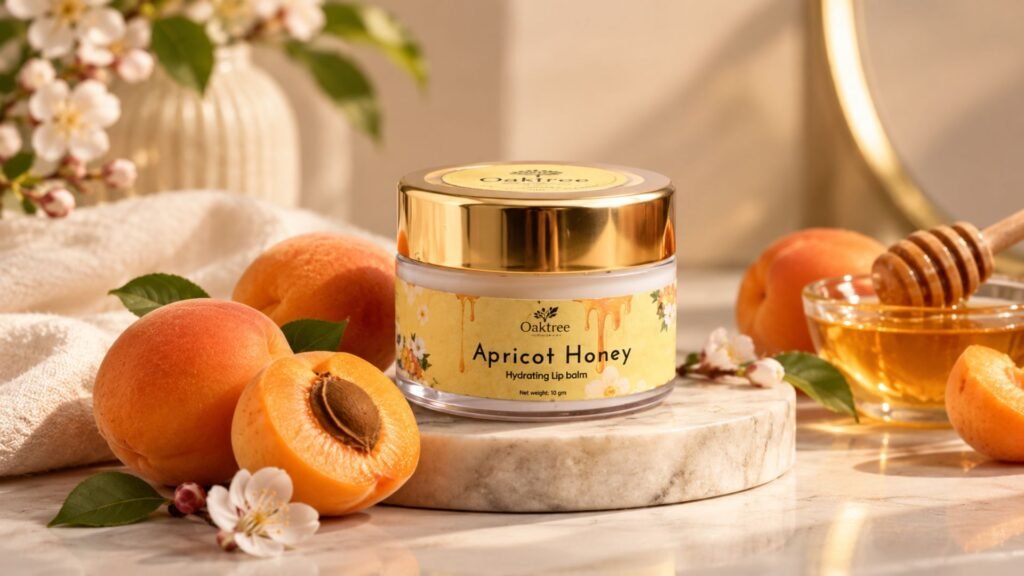
For people looking for everyday lip care, Oaktree Naturals Apricot Honey Lip Balm combines apricot and honey in a lightweight, non-sticky formula designed to moisturize and nourish dry-feeling lips. The product is available in a 10 g size and is positioned by the brand as an everyday lip-care option.
So, what actually helps?
Let’s look at seven practical ways to keep your lips comfortable, soft and hydrated.
Table of Contents
How to Keep Lips Hydrated: 7 commonly used Ways
1. Apply Lip Balm Regularly
One of the simplest ways to maintain comfortable lips is to use a lip balm consistently rather than waiting until your lips are already severely dry.
Lip balm creates a layer over the surface of the lips that can help reduce moisture loss. For very dry or cracked lips, dermatologists commonly recommend moisturizing lip products or ointments and applying them several times during the day and before bed. American Academy of Dermatology
The key is consistency.
Keep your lip balm somewhere convenient—such as your handbag, desk, bedside table or pocket—so you can use it when your lips begin to feel dry.
For daytime use, apply a thin, even layer. Before bed, you can apply a slightly more generous layer if your lips tend to feel dry overnight.
2. Drink Enough Water Throughout the Day
Lip care isn’t only about what you put on your lips.
Adequate fluid intake is also part of maintaining normal hydration. Dehydration can contribute to dry lips, which is why drinking enough water throughout the day is a useful habit when your lips feel dry. The NHS and dermatology guidance both recommend staying adequately hydrated as part of caring for dry or sore lips. nhs.uk
However, drinking water shouldn’t be treated as a replacement for lip balm.
Think of your routine as having two parts:
Hydration from within + moisture protection on the lips.
If you spend several hours outdoors, exercise frequently, or live in a particularly hot or dry environment, paying attention to your fluid intake becomes even more practical.
3. Stop Licking Your Lips When They Feel Dry
This is one of the most common habits people develop without realizing it.
When your lips feel dry, licking them can provide temporary relief because saliva makes the surface feel wet. Unfortunately, that feeling doesn’t last.
As saliva evaporates, it can leave the lips feeling even drier. Repeated licking can therefore become a cycle:
Dry lips → licking → temporary moisture → evaporation → more dryness → licking again.
Dermatologists specifically recommend avoiding frequent lip licking, biting and picking because these habits can worsen irritation and interfere with the recovery of chapped lips. American Academy of Dermatology
Instead of licking your lips when they feel tight, reach for your lip balm.
This small change can make your routine much more consistent.
4. Protect Your Lips From Cold, Wind and Dry Air
Your lips are exposed to the environment throughout the day, and harsh conditions can make dryness more noticeable.
Cold temperatures, wind and low humidity are common contributors to dry or sore lips. nhs.uk
Winter can be particularly challenging because you may experience dry outdoor air as well as low-humidity indoor environments.
A simple winter lip-care routine can include:
- Applying lip balm before going outdoors
- Reapplying when your lips feel dry
- Covering your lips with a scarf in cold, windy weather
- Avoiding prolonged exposure to very dry air when possible
- Using a humidifier if indoor air is particularly dry
A humidifier can be especially useful at night in dry environments. Both the American Academy of Dermatology and Cleveland Clinic mention humidification as one option for managing dryness. American Academy of Dermatology
5. Choose a Lip Balm That Feels Comfortable
Not every lip balm will feel the same on every person’s lips.
When choosing lip care, consider the texture, ingredients and how your lips respond after application. If a product consistently causes burning, stinging or irritation, it may not be suitable for you.
The American Academy of Dermatology recommends non-irritating lip products and notes that ingredients such as petrolatum, ceramides, dimethicone, shea butter and certain oils can be useful in products intended for dry lips. It also recommends avoiding potentially irritating ingredients when lips are already chapped. American Academy of Dermatology
This doesn’t mean one formula is universally best for everyone. Individual sensitivities matter.
For people who prefer botanical ingredients, Oaktree Naturals Apricot Honey Lip Balm contains apricot extract and honey. According to the product description, the 10 g balm is designed to moisturize and nourish the lips and has a lightweight, non-sticky texture. oaktreenaturals. in
Explore Oaktree Naturals Apricot Honey Lip Balm
Why Apricot and Honey?
The combination is interesting from a cosmetic-care perspective.
Apricot is commonly used in personal-care formulations for its conditioning and nourishing qualities. The Oaktree product uses apricot extract as part of its formulation. oaktreenaturals. in
Honey is a humectant, meaning it can help attract and retain water. Honey is therefore commonly used in skincare and lip-care formulations intended to support a moisturized feel.
The important point is that an ingredient’s effect depends on the complete formulation, concentration and individual skin response—not simply on the presence of one ingredient.
6. Don’t Pick or Bite Flaky Skin
When your lips become flaky, it can be tempting to peel away the loose skin.
Try not to.
Picking or biting dry skin can create small cracks and additional irritation. It can also make the lips feel more uncomfortable instead of helping them recover.
The NHS specifically advises against picking or biting flaky skin because it can slow healing, while dermatologists recommend leaving irritated lips alone and keeping them moisturized.
Instead, apply your lip balm and allow the dry skin to soften naturally.
A simple approach is:
Moisturize → leave the lips alone → reapply when needed.
This is much kinder to your lips than repeatedly peeling or scrubbing them.
7. Make Nighttime Lip Care Part of Your Routine
Nighttime is an easy opportunity to give your lips some extra attention.
After brushing your teeth and completing your evening skincare routine, apply lip balm to clean, dry lips. This can help maintain a comfortable layer of moisture while you sleep.
The American Academy of Dermatology recommends applying a non-irritating lip balm several times a day and before bed.
Oaktree Naturals also recommends applying its Apricot Honey Lip Balm before bed as part of a daily lip-care routine.
You can make this even easier by keeping your lip balm beside your bed.
A Simple Nighttime Routine
- Clean your lips gently.
- Pat them dry.
- Apply a comfortable layer of lip balm.
- Avoid licking or biting your lips afterward.
- Reapply in the morning if your lips feel dry.
Consistency is more useful than constantly changing products.
What Causes Dry and Chapped Lips?
Knowing the possible causes can make it easier to prevent recurring dryness.
Common contributors include:
Cause How It Can Affect Lips
Cold weather Can increase dryness and discomfort
Wind Exposes lips to drying environmental conditions
Dry indoor air May increase moisture loss
Sun exposure Can irritate and damage exposed lip skin
Dehydration Can contribute to dry lips
Lip licking May worsen dryness as saliva evaporates
Biting or picking Can cause additional irritation
Irritating lip products May trigger burning, stinging or discomfort
These factors are supported by dermatology and NHS guidance on dry and chapped lips. American Academy of Dermatology
The solution isn’t necessarily to eliminate every possible trigger. Instead, focus on creating habits that protect your lips consistently.
How to Use Oaktree Apricot Honey Lip Balm in Your Routine
If you’re looking for a convenient product to include in your daily lip-care routine, Oaktree Naturals Apricot Honey Lip Balm is formulated with apricot and honey and is described by the brand as lightweight and non-sticky.
A practical routine could look like this:
Morning
Apply a thin layer after washing your face and before heading outdoors.
During the Day
Reapply whenever your lips begin to feel dry or uncomfortable.
Before Going Outdoors
Remember that ordinary lip balm and sun-protective lip care are not necessarily the same thing. If you’re going to spend significant time outdoors, dermatologists recommend using a lip product with appropriate sun protection, such as SPF 30 or higher. American Academy of Dermatology
Before Bed
Apply another layer as part of your nighttime routine.
The goal isn’t to apply lip balm constantly for the sake of it. The goal is to notice what your lips need and maintain a consistent routine.
Common Lip-Care Mistakes to Avoid
Even a good lip-care routine can be undermined by a few everyday habits.
Over-scrubbing your lips
Flaky lips do not necessarily need aggressive exfoliation. Scrubbing irritated skin can make discomfort worse.
Licking your lips repeatedly
It may feel soothing for a moment, but repeated licking can contribute to dryness. American Academy of Dermatology
Picking peeling skin
This can cause additional irritation and small cracks.
Ignoring sun protection
Your lips are exposed to sunlight too. For prolonged outdoor exposure, consider a lip balm with appropriate SPF protection. American Academy of Dermatology
Continuing a product that irritates you
If a lip product repeatedly burns, stings or causes discomfort, stop using it and choose a product that your lips tolerate better. American Academy of Dermatology
When Should You See a Doctor About Dry Lips?
Most ordinary dry lips can be managed with simple self-care. But persistent or severe symptoms shouldn’t automatically be treated as a cosmetic problem.
Consider speaking with a healthcare professional if your lips remain severely dry or cracked despite appropriate care, or if you experience significant pain, swelling, bleeding, persistent inflammation or other unusual symptoms.
Persistent lip problems can sometimes have causes other than ordinary environmental dryness, including irritation, allergies or other conditions. Cleveland Clinic
The American Academy of Dermatology recommends seeing a dermatologist when chapped lips do not improve with appropriate self-care. American Academy of Dermatology
The Bottom Line
So, how do you keep lips hydrated?
Start with the basics: use a suitable lip balm consistently, drink enough water, avoid licking or picking your lips, protect them from cold and wind, and remember sun protection when you’re outdoors.
For everyday lip care, Oaktree Naturals Apricot Honey Lip Balm offers a simple option featuring apricot and honey in a lightweight, non-sticky 10 g formula. The brand positions it for moisturizing, nourishing and caring for dry, chapped lips.
Good lip care doesn’t need to involve a complicated routine. A few consistent habits can go a long way toward keeping your lips feeling soft, comfortable and well cared for.
FAQ Section
1. How to keep lips hydrated all day?
Apply a comfortable lip balm whenever your lips feel dry, drink enough water, avoid licking your lips, and protect them from wind, cold and excessive sun exposure.
2. Why do my lips keep getting dry even when I use lip balm?
Dry lips can have several causes, including dry weather, wind, dehydration, frequent licking, sun exposure or irritation from a product. If dryness persists despite appropriate care, consider speaking with a healthcare professional. American Academy of Dermatology
3. Is lip balm good for dry, chapped lips?
Yes. Lip balms and ointments can help reduce moisture loss and keep dry lips more comfortable. Dermatologists recommend using non-irritating lip products regularly. American Academy of Dermatology
4. Can honey help keep lips moisturized?
Honey is a humectant and is commonly used in skincare and lip-care formulations because it can help attract and retain moisture. The overall effect depends on the complete product formulation.
5. How often should I apply lip balm?
There is no universal number that works for everyone. Apply it whenever your lips feel dry and consider applying it before bed. If you’re outdoors, reapply according to the product’s directions, particularly if using an SPF lip balm
6. Is licking your lips bad for them?
Frequent lip licking can make dryness worse. Saliva evaporates quickly, and repeated licking can contribute to irritation.
7. How can I keep my lips hydrated overnight?
Apply a suitable lip balm before bed and avoid licking or picking your lips. Keeping the bedroom air comfortably humid can also help if dry indoor air is contributing to the problem.