How to Choose the Right Natural Soap for Your Skin Type

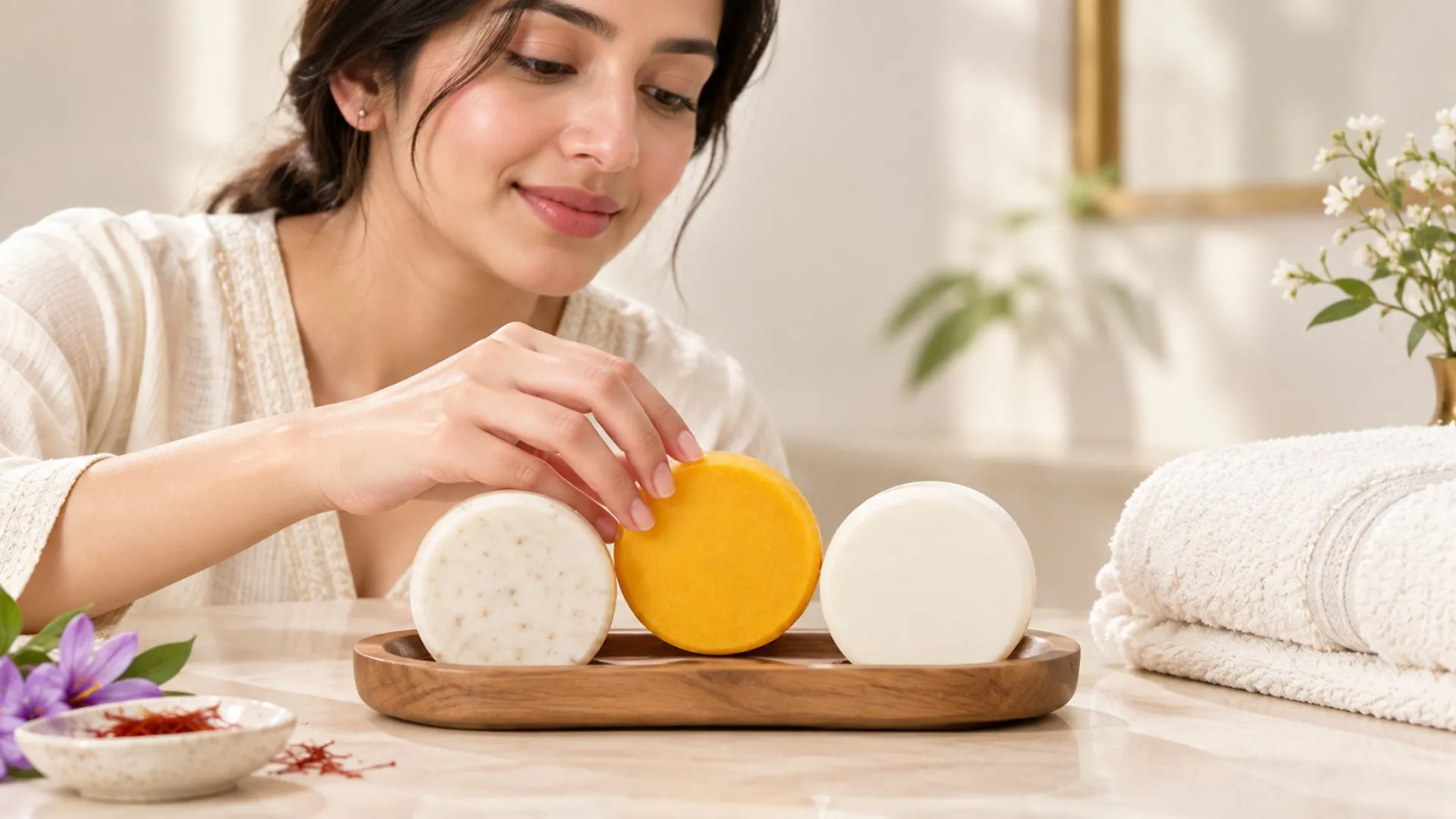
Choosing a soap sounds simple until you walk into a store or browse online and see words like natural, herbal, botanical, handmade, moisturizing, organic and chemical-free everywhere.
But the best natural soap is not necessarily the one with the longest list of plant ingredients. What matters more is whether the soap’s complete formulation suits your skin type, cleansing needs, and daily routine.
A soap that leaves normal skin feeling clean and comfortable may feel too drying on already dry skin. Similarly, someone with oily skin may prefer a different cleansing experience than someone with sensitive skin.
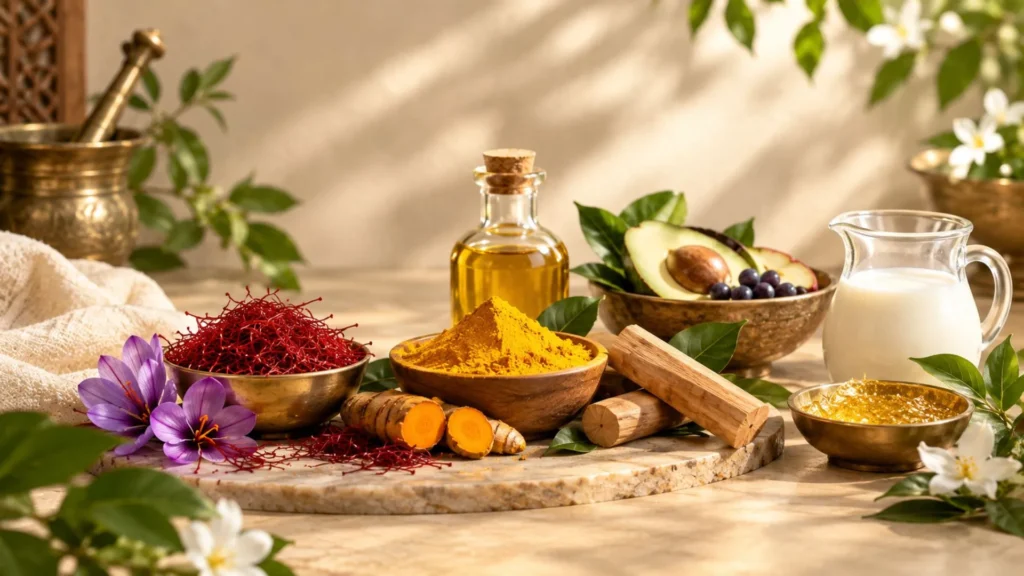
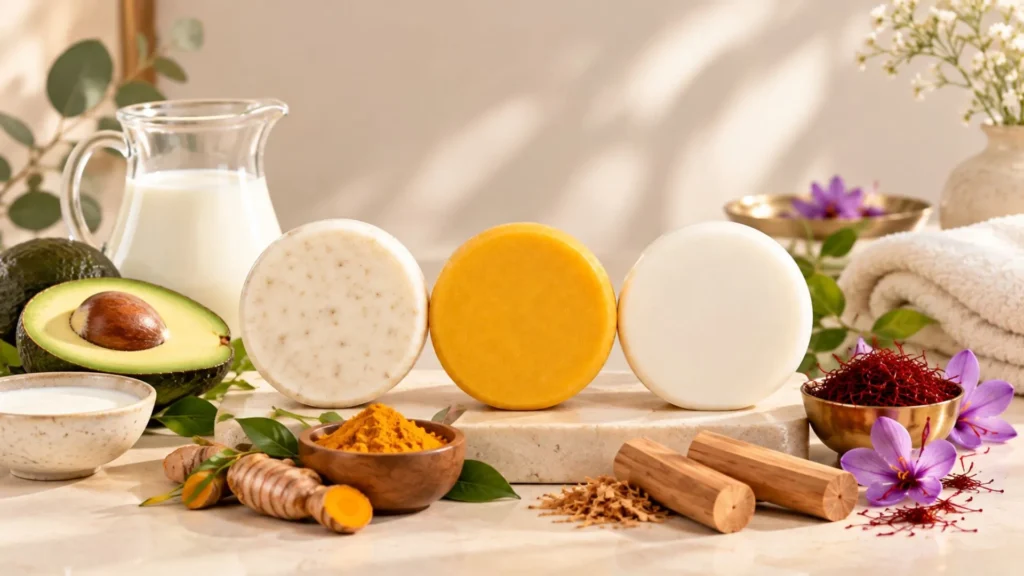
Natural ingredients such as aloe vera, avocado oil, apricot oil, coconut oil, shea butter, turmeric, sandalwood, and botanical extracts can all have a place in personal care. However, each ingredient serves a different purpose, and individual skin can respond differently to the same product.
This guide explains how to choose the right natural soap for your skin type, what ingredients to look for, which common mistakes to avoid, and how to evaluate natural soap claims more responsibly.
Table of Contents
What Is Natural Soap?
The term “natural soap” does not have one universal meaning across every product or market.
In everyday skincare language, natural soap generally refers to soap that emphasizes ingredients of plant, mineral, or other naturally derived origin. Depending on the product, it may contain ingredients such as:
- Plant oils
- Botanical extracts
- Natural butters
- Essential oils
- Herbal ingredients
- Clay
- Naturally derived fragrances
- Traditional ingredients such as turmeric or sandalwood
However, the word “natural” alone does not tell you whether a soap is suitable for your skin.
A product can contain natural ingredients and still be highly fragranced or unsuitable for sensitive skin. Likewise, a product containing synthetic ingredients is not automatically harsh or unsafe.
The complete formulation matters.
Why Your Skin Type Matters When Choosing Soap
Soap is a cleansing product, so its main job is to remove sweat, dirt, excess oil and other substances from the skin.
But cleansing can affect different skin types differently.
| Skin Type | Typical Characteristics | What to Prioritize in a Soap |
| Normal | Generally balanced and comfortable | Balanced cleansing |
| Dry | Tightness, roughness or flaking | Gentle cleansing and conditioning |
| Oily | More noticeable oiliness | Effective cleansing without over-stripping |
| Combination | Different areas behave differently | Moderate, adaptable cleansing |
| Sensitive | Easily irritated or uncomfortable | Simple, gentle formulation |
Skin type can also change with weather, age, bathing habits and environmental conditions.
So don’t assume that the soap that worked well last summer will necessarily feel the same during a dry winter.
How to Choose Natural Soap for Your Skin Type
1. Natural Soap for Normal Skin
Normal skin generally has a relatively balanced oil and moisture profile.
If you have normal skin, you may have more flexibility when choosing a cleansing bar.
Look for a soap that:
- Cleans without leaving excessive tightness
- Has a comfortable fragrance level
- Suits your daily bathing routine
- Does not leave persistent dryness
- Has clear ingredient information
You do not necessarily need a highly complicated formula.
A simple natural soap containing plant oils or botanical ingredients may be enough for everyday cleansing.
Best Approach
Focus on balance rather than maximum cleansing.
If your skin feels clean and comfortable after bathing, there is usually little reason to choose an unnecessarily aggressive cleanser.
2. Natural Soap for Dry Skin
Dry skin requires more attention when selecting soap.
A cleanser that removes too much surface oil can make dry skin feel even tighter or rougher.
If your skin is dry, consider products containing conditioning ingredients such as:
- Avocado oil
- Apricot oil
- Shea butter
- Olive oil
- Sunflower oil
- Jojoba oil
These ingredients can contribute emollient properties to a formulation.
However, the presence of one oil does not guarantee that a soap will be moisturizing. Soap remains a rinse-off product, and its cleansing system has a major influence on the final skin feel.
Practical Tips for Dry Skin
- Use lukewarm rather than very hot water.
- Avoid aggressive scrubbing.
- Don’t repeatedly soap the same area unnecessarily.
- Keep showers reasonably short.
- Apply body moisturizer after bathing if needed.
A Useful Dry-Skin Routine
Gentle cleanse → rinse → pat dry → moisturize
This is often more important than finding a soap marketed as “ultra moisturizing.”
3. Natural Soap for Oily Skin
Oily skin can benefit from effective cleansing, particularly in areas where sweat and oil accumulate.
However, stronger cleansing is not always better.
Over-cleansing can leave the skin feeling tight or uncomfortable and may encourage you to use even more aggressive products.
If you have oily skin, look for a soap that:
- Cleans effectively
- Does not leave a heavy residue
- Feels comfortable after rinsing
- Does not require aggressive scrubbing
- Fits your bathing frequency
Ingredients such as plant oils are not automatically unsuitable for oily skin. What matters is the complete formula and how your skin responds.
Important Tip
Don’t choose a soap simply because the label says “deep cleansing.”
For everyday use, effective but comfortable cleansing is usually a more practical goal.
4. Natural Soap for Combination Skin
Combination skin can be slightly more complicated because different areas may have different needs.
For example, one part of your body may feel dry while another becomes oily or sweaty.
A moderate cleansing product can often be a practical starting point.
Pay attention to how different areas respond rather than assuming your entire body needs exactly the same level of cleansing.
If you’re choosing a facial cleanser rather than a body soap, be particularly careful. Facial skin may have different needs from the skin on your hands, feet or body.
5. Natural Soap for Sensitive Skin
Sensitive skin needs the most careful ingredient selection.
The word “natural” should not be used as a shortcut for “gentle.”
Botanical extracts, essential oils and fragrances can still cause irritation or sensitivity in some individuals.
If you have sensitive skin, consider:
- Simpler formulations
- Lower-fragrance or fragrance-free options when appropriate
- Fewer unnecessary botanical extracts
- Clear ingredient labeling
- Products designed for sensitive skin
Patch testing a new product can also be helpful.
If a soap causes persistent burning, itching, redness or irritation, discontinue use.
Natural Soap Ingredients: What Should You Look For?
Different natural ingredients can contribute different properties to a soap.
| Ingredient | Common Cosmetic Role | Often Considered For |
| Aloe Vera | Hydrating/soothing feel | Dry or uncomfortable-feeling skin |
| Apricot Oil | Emollient | Soft, conditioned skin |
| Avocado Oil | Emollient | Richer skin-conditioning feel |
| Shea Butter | Emollient/occlusive | Dry and rough body areas |
| Jojoba Oil | Emollient | Lightweight conditioning |
| Coconut Oil | Cleansing/lather support | Traditional soap formulations |
| Olive Oil | Conditioning | Mild, smooth skin feel |
| Turmeric | Botanical/traditional ingredient | Traditional skincare appeal |
| Sandalwood | Fragrance/botanical ingredient | Traditional sensory experience |
| Oat Ingredients | Conditioning/soothing | Dry or sensitive-feeling skin |
These roles are general. The final performance depends on the ingredients’ amounts, processing, formulation and whether the product is rinse-off or leave-on.
Aloe Vera vs Oils in Natural Soap
One common mistake is assuming that every moisturizing ingredient works in exactly the same way.
Aloe vera and plant oils have different characteristics.
Aloe Vera
Aloe-based ingredients are commonly used for their lightweight, water-rich feel and soothing cosmetic profile.
Plant Oils
Oils such as apricot oil, avocado oil and jojoba oil primarily provide emollient conditioning.
They can help make skin feel softer and smoother.
Why the Difference Matters
Aloe vera does not simply replace an oil, and an oil does not perform the same role as a water-based hydrating ingredient.
For dry skin, a complete routine may combine:
Hydration + moisturizer + emollient conditioning
rather than relying entirely on the soap.
Natural Soap vs Commercial Soap: Which Is Better?
The answer isn’t automatically “natural.”
A natural soap can be a good choice if you like its ingredients, formulation and skin feel. A conventional soap can also be perfectly suitable if it cleans effectively and agrees with your skin.
| Factor | Natural Soap | Conventional Soap |
| Plant ingredients | Often emphasized | May or may not contain them |
| Fragrance | Can be natural or synthetic | May be natural or synthetic |
| Cleansing | Depends on formulation | Depends on formulation |
| Skin compatibility | Product-specific | Product-specific |
| Best choice | Depends on skin and preferences | Depends on skin and preferences |
The most useful question is not:
“Is it natural?”
Instead ask:
“Is this formulation appropriate for my skin and intended use?”
Does Handmade Mean Better?
Not necessarily.
Handmade soap can have advantages such as small-batch production or a focus on particular oils and ingredients.
But “handmade” is not itself a guarantee of superior performance.
When evaluating a handmade or natural soap, look at:
- Ingredient transparency
- Product labeling
- Manufacturing information
- Intended use
- Fragrance level
- Your skin’s response
- Proper storage instructions
A thoughtfully formulated product matters more than the marketing category.
How to Read a Natural Soap Label
Learning to read the label is one of the easiest ways to make a better purchasing decision.
Check the Ingredient List
Don’t stop at the front label.
A soap advertised with avocado, turmeric or sandalwood can contain many other ingredients that determine how the finished bar performs.
Look for Product Information
Reliable product labeling should make it reasonably clear:
- What the product is
- How much product you receive
- How to use it
- Who manufactures or markets it
- Relevant ingredient information
- Product identification details where applicable
Pay Attention to Fragrance
A botanical or natural soap may still be strongly fragranced.
If fragrance tends to bother your skin, this is an important consideration.
Consider the Intended Use
A body soap and facial cleanser should not automatically be treated as interchangeable.
Facial skin can be more sensitive to cleansing strength and fragrance.
How to Test a New Natural Soap
Even if a product looks ideal on paper, your skin’s response is the final test.
Step 1: Introduce One New Product
Avoid changing your entire skincare routine at once.
Step 2: Test a Small Area
Use the product on a limited area first if appropriate.
Step 3: Observe
Pay attention to:
- Tightness
- Dryness
- Itching
- Burning
- Redness
- Overall comfort
Step 4: Adjust
If your skin remains comfortable, you can continue using the product as directed.
If irritation develops, stop using it.
How Often Should You Use Natural Soap?
There is no single frequency that works for everyone.
Your bathing habits should reflect your activity level, climate and skin needs.
| Situation | Practical Approach |
| Normal daily bathing | Once daily may be sufficient |
| Hot/humid weather | Cleanse according to sweat and activity |
| After exercise | Shower as needed |
| Dry skin | Avoid unnecessary repeated cleansing |
| Sensitive skin | Follow what your skin comfortably tolerates |
If your skin becomes increasingly dry after using a soap, changing the frequency or product may be more useful than simply applying more skincare afterward.
Common Mistakes When Choosing Natural Soap
Choosing Based Only on the Word “Natural”
Natural does not automatically mean gentle, effective or suitable for everyone.
Assuming More Herbs Mean Better Soap
A long ingredient list is not necessarily better.
Sensitive skin may sometimes benefit from a simpler formulation.
Ignoring Your Skin Type
Choosing a soap because it is popular does not mean it will work for your skin.
Using Body Soap on the Face
Unless a product is specifically intended for facial use, don’t assume that a body soap is appropriate for your face.
Scrubbing Too Hard
Soap already performs a cleansing function. Aggressive physical scrubbing is generally unnecessary for normal bathing.
Expecting Soap to Treat Skin Problems
Natural soap is primarily a cleansing product.
It should not be presented as a guaranteed treatment for acne, pigmentation, eczema, infections or other medical conditions.
Persistent or severe skin concerns may require advice from a qualified healthcare professional.
Building a Simple Natural Body-Care Routine
Choosing the right soap is only one part of skin care.
A simple routine can be enough for many people.
Daily Routine
| Step | Product | Purpose |
| 1 | Suitable natural soap | Cleanse |
| 2 | Lukewarm water | Avoid excessive heat |
| 3 | Gentle drying | Reduce unnecessary friction |
| 4 | Body moisturizer | Support skin comfort |
| 5 | Sunscreen on exposed areas | Daytime UV protection |
For dry skin, you can add a suitable body oil such as apricot oil after moisturizing if your skin benefits from additional conditioning.
Choosing Natural Soap by Skin Need
Instead of thinking only about skin type, you can also consider your primary skin-care goal.
| Your Priority | What to Look For |
| Everyday cleansing | Balanced cleansing formula |
| Dry-feeling skin | Conditioning oils/butters + gentle cleansing |
| Fresh feel after exercise | Effective cleansing without excessive stripping |
| Sensitive skin | Simple, low-irritant approach |
| Traditional skincare | Ingredients such as turmeric or sandalwood |
| Plant-oil-based care | Avocado, apricot, jojoba or other suitable oils |
| Minimal routine | Simple formula with clear labeling |
This needs-based approach can make shopping much easier.
How to Choose a Trustworthy Natural Soap
When researching skincare products online, **E-E-A-T—Experience, Expertise, Authoritativeness and Trustworthiness—**can help you separate useful information from exaggerated marketing.
Experience
Good skincare guidance should explain how the product is actually used.
For soap, that means discussing cleansing frequency, water temperature, storage, skin type and what to do if the skin feels dry.
Expertise
Ingredient claims should match the actual cosmetic role of the ingredient.
For example, apricot oil and avocado oil can provide emollient conditioning, while aloe vera is commonly used in hydration-focused formulations.
A rinse-off soap should not be described as though it works exactly like a leave-on serum or facial oil.
Authoritativeness
A trustworthy skincare brand should provide clear product and business information.
For products such as Oak Tree Naturals natural soaps, consumers should check the current product label and available brand information to understand the actual formulation and intended use.
Trustworthiness
Responsible skincare content should acknowledge limitations.
A natural soap can support everyday cleansing and skin comfort, but it should not make unsupported promises about curing or treating medical conditions.
Transparent information helps consumers choose products based on realistic expectations.
How to Store Natural Soap Properly
Natural and handmade soaps can sometimes soften more quickly when continuously exposed to water.
To help your soap last longer:
- Rinse off excess lather after use.
- Keep the bar on a draining soap dish.
- Avoid leaving it in standing water.
- Allow it to dry between uses.
- Store unused bars in a cool, dry place according to the product’s instructions.
Good storage improves convenience and reduces unnecessary product waste.
Final Checklist: Choosing the Right Natural Soap
Before purchasing a natural soap, ask yourself:
- What is my skin type?
- Does my skin become dry or tight after bathing?
- Do I need stronger cleansing or a gentler feel?
- Does the ingredient list suit my preferences?
- Is the fragrance appropriate for me?
- Is the product intended for my body or face?
- Does the brand provide clear product information?
- Can I patch test it before regular use?
- Am I choosing it because it suits my skin—or simply because it says “natural”?
These questions can make the selection process much more practical.
Final Thoughts
The right natural soap for your skin type is not necessarily the one with the most botanical ingredients or the most attractive natural-sounding label.
For normal skin, a balanced cleansing bar may be enough. Dry skin may benefit from a gentler formulation with conditioning oils or butters. Oily skin generally needs effective cleansing without excessive stripping, while sensitive skin may benefit from simpler formulas and reduced exposure to potential irritants.
Ingredients such as aloe vera, apricot oil, avocado oil, shea butter, jojoba oil, turmeric and sandalwood can all have a place in natural-inspired personal care, but their presence alone does not determine whether a soap is right for you.
The better approach is to consider the complete formulation, your skin type, intended use and your skin’s response over time.
And remember: natural does not automatically mean better, just as synthetic does not automatically mean harmful. Good skincare comes from making informed choices based on formulation, suitability, transparency and realistic expectations.
For everyday body care, a simple natural soap that cleans comfortably—and a moisturizer when your skin needs one—can be a practical foundation for a consistent routine.
Frequently Asked Questions
1. How do I choose the right natural soap for my skin type?
Start by identifying whether your skin is normal, dry, oily, combination or sensitive. Then consider the soap’s complete ingredient list, cleansing strength, fragrance and intended use. Choose a product that leaves your skin clean and comfortable rather than excessively tight or dry.
2. Which natural soap is best for dry skin?
For dry skin, look for a cleansing bar with a gentle formulation and conditioning ingredients such as apricot oil, avocado oil, shea butter, olive oil or jojoba oil. Follow bathing with a suitable moisturizer if needed.
3. Which natural soap is suitable for oily skin?
Oily skin generally benefits from effective but comfortable cleansing. Avoid assuming that an extremely strong cleanser is better. Choose a soap that removes excess oil without leaving your skin persistently tight or irritated.
4. Is natural soap good for sensitive skin?
It can be, but “natural” does not automatically mean gentle. Fragrance, essential oils and botanical extracts can cause sensitivity in some people. Check the complete ingredient list and patch test a new product when appropriate.
5. Can I use natural body soap on my face?
Not necessarily. Facial skin can have different needs from body skin, and some body soaps may be too cleansing or fragranced for the face. Use a product according to its intended application.
6. What natural ingredients are good for dry skin?
Commonly used ingredients include aloe vera, apricot oil, avocado oil, shea butter, jojoba oil, sunflower oil and oat-based ingredients. Their roles differ, so the overall formulation matters.
7. Is avocado soap good for dry skin?
Avocado oil is an emollient ingredient commonly used to provide conditioning and a softer skin feel. An avocado soap may therefore suit some people with dry skin, but the overall cleansing formula determines the final experience.
8. Is apricot oil good in natural soap?
Apricot oil is commonly used as an emollient in cosmetic formulations. In soap, it can contribute to the overall formulation and skin feel, although a rinse-off product should not be expected to provide the same effect as a leave-on apricot oil.
9. Is handmade soap better than regular soap?
Not automatically. Handmade soap can be well formulated, but quality depends on the ingredients, formulation, manufacturing practices, labeling and how well the product suits your skin.
10. How often should I use natural soap?
Many people use soap once daily as part of their bathing routine, but the ideal frequency varies. Climate, exercise, sweat, skin type and personal preference all matter. Avoid unnecessary repeated cleansing if your skin tends to become dry.
11. Does natural soap remove acne or pigmentation?
A cleansing soap should not be treated as a guaranteed solution for acne, pigmentation or other medical skin concerns. Persistent issues are better addressed with an appropriate skincare routine or professional advice.
12. Does “chemical-free” natural soap really exist?
Technically, no product is truly “chemical-free” because everything made of matter consists of chemicals. The more useful approach is to evaluate the actual ingredients, their safety, purpose and suitability for your skin rather than relying on the phrase “chemical-free.”