
Benefits of Handmade Soaps for Everyday Skin Care

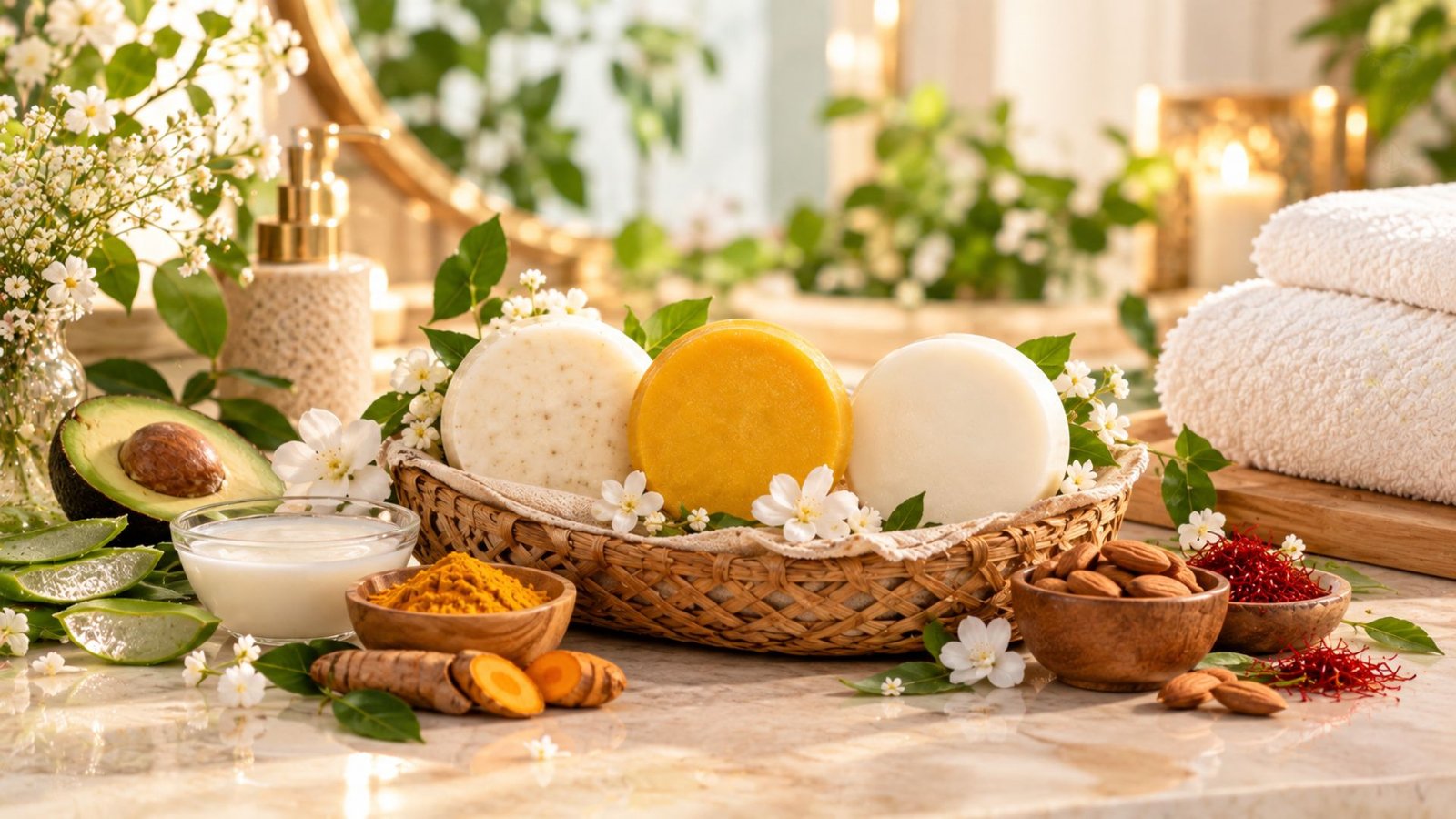
Soap is one of the simplest and most frequently used products in any personal-care routine. We use it to cleanse our hands and body, remove dirt and excess oil, and start the day feeling fresh. But with so many options available today—from mass-produced cleansing bars to handmade and botanical soaps—it can be difficult to know which type is right for your everyday skincare routine.
Handmade soaps have become increasingly popular among people who appreciate traditional soap-making methods, botanical ingredients, and thoughtfully selected formulations. Depending on how they are made and which ingredients they contain, handmade soaps can offer a pleasant cleansing experience while adding ingredients such as plant oils, butters, herbs, or botanical extracts to your routine.
Oak Tree Naturals offers handmade personal-care products inspired by traditional ingredients and everyday self-care. From botanical soaps to ingredient-focused formulations, the idea is simple: cleansing should be effective while still being an enjoyable part of your daily routine.
But what actually makes handmade soap different? Is it suitable for every skin type? Can it help with dry skin? And how should you choose a handmade soap?
Let’s explore the benefits, practical considerations, and everyday uses of handmade soaps.
Table of Contents
What Is Handmade Soap?
Handmade soap generally refers to soap produced in smaller batches using traditional or artisan soap-making methods rather than highly automated mass-production processes.
Depending on the formulation, handmade soaps may contain ingredients such as:
- Plant oils
- Natural butters
- Botanical extracts
- Herbs
- Essential oils
- Clay
- Floral ingredients
- Other cosmetic ingredients
The actual composition varies considerably from one product to another.
This is why it is important not to assume that every handmade soap provides the same benefits. The ingredients, formulation, manufacturing process, fragrance, and intended use all matter.
Handmade Soap at a Glance
| Feature | Handmade Soap | Mass-Produced Soap |
| Production | Often made in smaller batches | Generally manufactured at larger scale |
| Ingredient choices | Can emphasize botanical oils and extracts | Varies by product |
| Formulation | Often ingredient-focused | May be designed for standardized production |
| Appearance | May naturally vary between batches | Usually highly uniform |
| Fragrance | May use botanical or added fragrance | Varies |
| Best choice | Depends on formulation and skin needs | Depends on formulation and skin needs |
The word “handmade” should therefore be considered one factor—not the only factor—when selecting a soap.
Benefits of Handmade Soaps for Everyday Skin Care
1. A Simple Way to Cleanse the Skin
The primary purpose of soap is cleansing.
A well-formulated soap helps remove dirt, sweat, excess oils, and other everyday buildup from the skin.
Handmade soaps can provide this basic cleansing function while incorporating ingredients selected for their texture, fragrance, and skin-conditioning properties.
For everyday use, the most important consideration is how your skin feels after cleansing.
If your skin feels excessively tight, dry, itchy, or uncomfortable, the soap may not be the best match for you.
2. Plant-Based Oils Can Add a Conditioning Feel
Many handmade soaps are formulated with plant-derived oils such as coconut, olive, sunflower, castor, or other botanical oils.
These ingredients can contribute to the characteristics of the finished soap and influence how it feels during and after cleansing.
The exact benefits depend on the formulation rather than the presence of a single ingredient.
Common Oils Used in Handmade Soap
| Oil | Common Role in Soap Formulation |
| Coconut Oil | Cleansing and lathering properties |
| Olive Oil | Conditioning feel |
| Castor Oil | Helps support lather characteristics |
| Sunflower Oil | Emollient properties |
| Apricot Oil | Conditioning and nourishing feel |
| Shea Butter | Rich, moisturizing feel |
These ingredients should not be viewed as medical treatments. Their primary relevance in soap is their contribution to the product’s cleansing and sensory characteristics.
3. Can Feel Gentler on Some Skin Types
A handmade soap formulated with carefully selected ingredients may feel comfortable on certain skin types.
However, “handmade” does not automatically mean “gentle.”
A soap containing strong fragrance, essential oils, or ingredients that your skin does not tolerate may still cause irritation.
For this reason, people with sensitive skin should evaluate the full ingredient list rather than choosing a soap solely because it is handmade or natural.
4. Botanical Ingredients Can Make Cleansing More Enjoyable
One of the appeals of handmade soap is the use of botanical ingredients.
Depending on the product, these may include herbs, flowers, plant extracts, or naturally derived oils.
These ingredients can contribute to the soap’s aroma, appearance, texture, and overall sensory experience.
A simple daily shower can therefore become a more enjoyable self-care ritual.
5. Handmade Soaps Can Offer Ingredient Variety
Traditional soap-making allows brands and artisans to experiment with different combinations of oils, butters, clays, herbs, and botanical ingredients.
This gives consumers a wider range of options based on their personal preferences.
For example, someone looking for a rich, creamy-feeling soap may prefer a formulation containing nourishing plant butters, while someone who prefers a fresh botanical aroma may choose a soap formulated with herbs or floral ingredients.
6. Small-Batch Production Can Create a More Artisan Experience
Many handmade soaps are produced in smaller batches.
This can create a more handcrafted appearance, with natural variations in color, shape, texture, or scent depending on the formulation.
For consumers who appreciate traditional craftsmanship and smaller-scale personal-care products, this can be an important part of the product experience.
However, consistency and quality still depend on proper manufacturing practices.
Handmade Soap for Different Skin Types
There is no single handmade soap that works perfectly for everyone.
Your skin type and the specific formulation should guide your choice.
| Skin Type | What to Look For | What to Consider |
| Dry skin | Conditioning oils and gentle formulation | Avoid products that leave skin excessively tight |
| Oily skin | Effective but comfortable cleansing | Avoid over-cleansing |
| Combination skin | Balanced formulation | Adjust use based on how skin feels |
| Normal skin | Comfortable everyday cleanser | Focus on ingredient preferences |
| Sensitive skin | Simple, fragrance-conscious formulation | Patch test before regular use |
If your skin is particularly sensitive, fragrance-free or minimally fragranced options may be worth considering.
How to Choose the Right Handmade Soap
The number of handmade soaps available can make choosing difficult.
Instead of selecting based only on attractive packaging, consider these factors.
1. Read the Ingredient List
Ingredient transparency is one of the most useful indicators when choosing personal-care products.
Look for a clearly provided ingredient list and understand the purpose of the major ingredients where possible.
2. Consider Your Skin Type
A rich soap may feel comfortable on one person’s skin but too heavy or drying on another.
Choose according to your own skin rather than simply following recommendations from someone with a different skin type.
3. Pay Attention to Fragrance
Essential oils and fragrances can make soap smell appealing, but they may not suit everyone.
If your skin is easily irritated, consider simpler formulations.
4. Look at Product Instructions
Check how the soap is intended to be used and stored.
Following product instructions helps maintain the product’s quality and usability.
5. Choose Transparent Brands
A trustworthy personal-care brand should provide useful information about:
- Ingredients
- Product purpose
- Directions
- Manufacturer
- Storage
- Usage precautions
These details help consumers make informed decisions.
How to Use Handmade Soap Correctly
Even a good soap can feel uncomfortable if it is used incorrectly.
Step 1: Wet Your Skin
Use comfortable-temperature water to wet your body.
Very hot water can leave some people’s skin feeling dry.
Step 2: Create a Lather
Rub the soap gently between your hands or use an appropriate washcloth or loofah.
There is no need to scrub aggressively.
Step 3: Cleanse Gently
Massage the lather over the skin, paying attention to areas that accumulate sweat and dirt.
Step 4: Rinse Thoroughly
Make sure all soap residue is rinsed away.
Step 5: Moisturize When Needed
If your skin tends to feel dry after bathing, apply a suitable body moisturizer.
This is particularly useful during colder or drier weather.
How to Store Handmade Soap
Proper storage is especially important for handmade soap.
Unlike some commercial soap bars, many handmade soaps benefit from being kept dry between uses.
Storage Tips
- Keep the soap away from standing water.
- Use a draining soap dish.
- Allow the bar to dry between uses.
- Avoid leaving it directly under running water.
- Store unused bars in a cool, dry place.
Proper storage can help the soap last longer and maintain its texture.
Handmade Soap vs. Commercial Soap
It is easy to assume that handmade soap is automatically superior to commercially manufactured soap.
That is not necessarily true.
Both categories can contain well-formulated and poorly formulated products.
The better comparison is based on ingredients, skin compatibility, formulation quality, manufacturing standards, and intended use.
| Factor | Handmade Soap | Commercial Soap |
| Production scale | Often smaller | Often larger |
| Ingredient variety | Can be highly varied | Highly varied |
| Botanical options | Often available | Also available |
| Consistency | May have natural variations | Usually highly standardized |
| Skin suitability | Depends on formulation | Depends on formulation |
| Quality | Varies by manufacturer | Varies by manufacturer |
The right soap is the one that cleanses effectively without leaving your skin uncomfortable.
Are Handmade Soaps Good for Dry Skin?
They can be, depending on the formulation.
A soap containing conditioning oils and designed for a comfortable cleansing experience may work well for some people with dry skin.
However, soap itself is a cleansing product, not a replacement for a moisturizer.
If your skin is dry, consider following bathing with a suitable moisturizer or body oil.
Also pay attention to how your skin responds. Persistent tightness or irritation may be a sign that your cleansing product is not the right match.
Can Handmade Soap Be Used Every Day?
Many handmade soaps are designed for regular cleansing and can be used daily.
However, frequency should depend on your skin and the specific product.
If daily use leaves your skin excessively dry or irritated, consider using a gentler formulation or reducing how frequently you use the product.
Different parts of the body may also require different approaches.
What Makes a Handmade Soap Brand Trustworthy?
When buying skincare and personal-care products online, consumers often have to make decisions based on product descriptions.
This is where transparency matters.
Look for Clear Product Information
A trustworthy brand should communicate:
Clear, practical instructions for everyday use.
Accurate descriptions of ingredients and their cosmetic roles.
Consistent product information and responsible formulation claims.
Transparent ingredients, manufacturer details, directions, and precautions.
Avoid brands that rely entirely on exaggerated claims such as “cures every skin problem” or “guarantees perfect skin.”
Good skincare advice should recognize that individual results can vary.
Natural Does Not Automatically Mean Better
The popularity of natural and handmade skincare has created a common misconception that anything natural is automatically safer.
That is not true.
Natural ingredients can cause irritation or allergies in some people.
Likewise, a synthetic ingredient is not automatically harmful simply because it is laboratory-made.
The better approach is to look at:
- Ingredient safety
- Formulation
- Concentration
- Product quality
- Skin compatibility
- Intended use
This balanced approach allows you to enjoy natural skincare without making unrealistic assumptions.
Handmade Soap as Part of a Complete Skincare Routine
A soap is only one part of everyday skin care.
A simple body-care routine can look like:
Cleanse → Rinse → Pat Dry → Moisturize
If your skin tends to become dry, applying a body moisturizer or suitable body oil after bathing can help improve comfort.
For facial skincare, use products specifically intended for facial use rather than automatically using the same soap on your face and body.
Facial skin can have different needs and may be more sensitive to cleansing products.
Common Mistakes When Using Handmade Soap
Using Very Hot Water
Hot water can leave some skin types feeling dry and uncomfortable.
Scrubbing Too Hard
Aggressive scrubbing is unnecessary for normal cleansing.
Leaving the Soap in Water
Constant exposure to water can cause the bar to soften and dissolve more quickly.
Choosing Based Only on Fragrance
A pleasant fragrance does not tell you whether the product is suitable for your skin.
Assuming Handmade Means Hypoallergenic
Handmade products can still contain ingredients that cause sensitivity.
Ignoring Your Skin’s Response
If your skin repeatedly feels irritated after using a product, reconsider whether it is appropriate for your routine.
Why Choose Oak Tree Naturals Handmade Soaps?
Oak Tree Naturals brings a nature-inspired approach to everyday personal care, combining traditional botanical appeal with practical daily-use products.
Handmade soaps can make an ordinary cleansing routine feel more intentional, particularly for consumers who appreciate plant-based ingredients and artisan-inspired personal care.
The focus should remain on the complete formulation, product transparency, and how the soap works with your individual skin.
Instead of chasing complicated skincare routines, a thoughtfully selected soap can simply become one reliable part of everyday body care.
Final Thoughts
Handmade soaps can offer a refreshing alternative to conventional cleansing products, particularly for people who appreciate botanical ingredients, traditional soap-making approaches, and small-batch personal care.
Their benefits depend largely on the formulation. Plant oils, butters, herbs, and botanical ingredients can contribute to the cleansing experience and the way the skin feels after washing.
However, handmade does not automatically mean better, safer, or suitable for every skin type.
The best approach is to read the ingredient list, understand your skin’s needs, choose products from transparent brands, and pay attention to how your skin responds.
Oak Tree Naturals handmade soaps can be a simple and enjoyable addition to an everyday personal-care routine—bringing together cleansing, botanical ingredients, and a more mindful approach to daily self-care.

Frequently Asked Questions
1. What are the benefits of handmade soaps?
Handmade soaps can provide effective cleansing while incorporating ingredients such as plant oils, butters, herbs, and botanical extracts. They can also offer a more traditional and artisan-style bathing experience.
2. Are handmade soaps better than commercial soaps?
Not automatically. The quality of a soap depends on its formulation, ingredients, manufacturing practices, and suitability for your skin rather than simply whether it is handmade.
3. Can handmade soap be used every day?
Many handmade soaps are designed for regular use. However, the ideal frequency depends on the formulation and your individual skin. If your skin becomes excessively dry or irritated, reconsider the product or frequency.
4. Are handmade soaps good for dry skin?
Some handmade soaps formulated with conditioning oils may feel comfortable on dry skin. However, if your skin is dry, you should also use a suitable moisturizer after bathing.
5. Can handmade soap be used on the face?
Some products may be suitable for facial use, but not every body soap is appropriate for the face. Always check the product’s intended use before applying it to facial skin.
6. Are handmade soaps suitable for sensitive skin?
It depends on the formulation. Handmade soaps can contain fragrances, essential oils, or botanical ingredients that may not suit sensitive skin. Patch testing and checking the ingredient list are recommended.
7. How should handmade soap be stored?
Keep the soap in a well-draining soap dish and allow it to dry between uses. Avoid leaving it in standing water or directly under running water.
8. Do handmade soaps contain natural ingredients?
Many handmade soaps contain plant-based oils, butters, herbs, or botanical extracts, but formulations vary. Always check the individual product’s ingredient list.
9. Can handmade soap moisturize the skin?
Some handmade soaps contain conditioning ingredients that can contribute to a softer skin feel. However, soap is primarily a cleansing product and should not replace a dedicated moisturizer.
10. How do I choose the best handmade soap?
Choose based on your skin type, ingredient list, intended use, fragrance preferences, product information, and how your skin responds after use. A transparent brand should provide clear directions and ingredient information.







One thought on “Benefits of Handmade Soaps for Everyday Skin Care”