Post-Acne Marks That Won’t Fade? 7 Smart Skincare Habits for a More Even-Looking Complexion

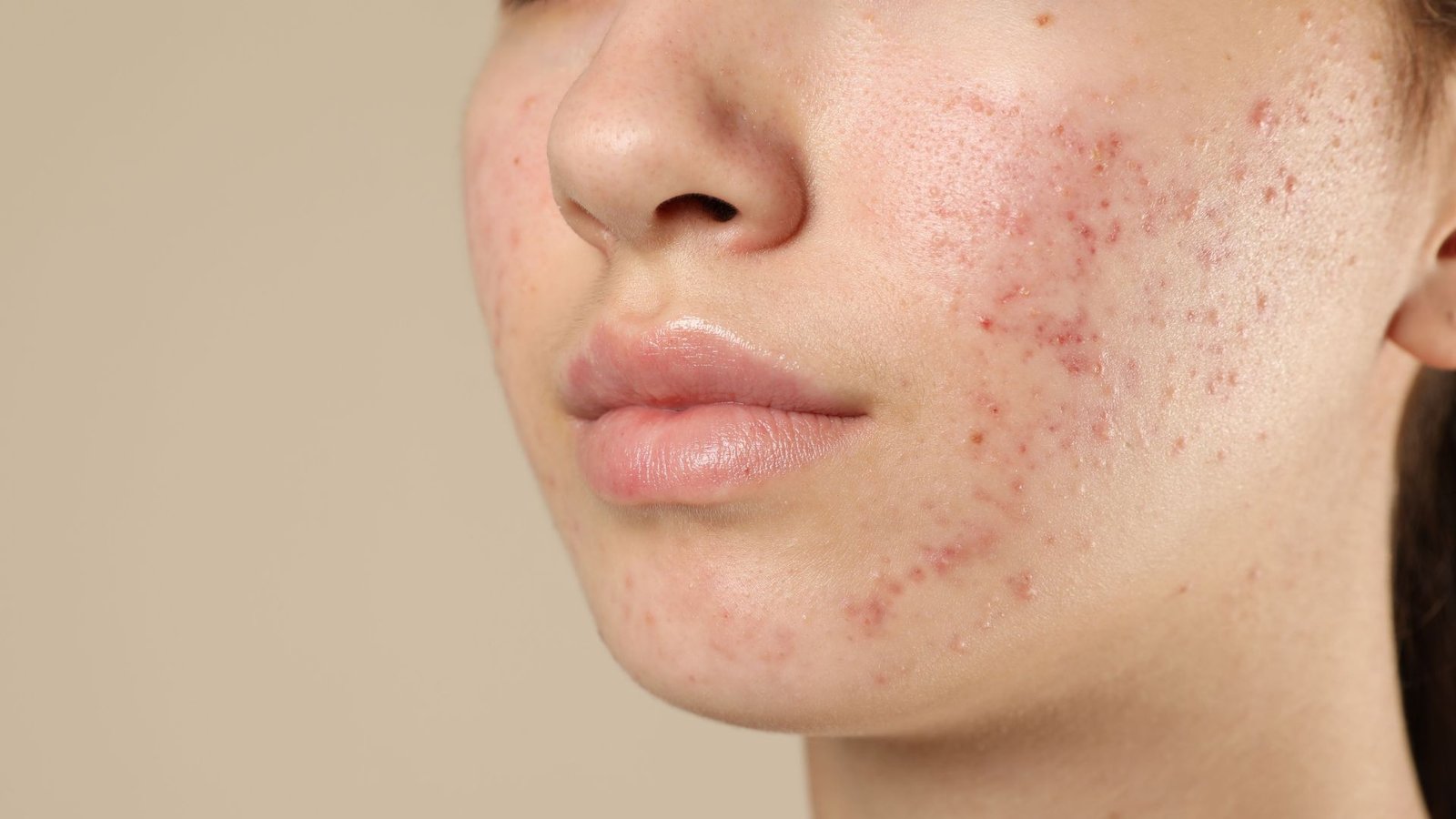
Have your pimples finally disappeared, but the dark spots they left behind are still staring back at you in the mirror? You are not alone. For many people, dealing with acne is only half the skincare journey. The lingering marks can remain visible long after the breakout has settled, making the complexion appear uneven and leaving skin looking less clear than before.
The frustrating part? These marks do not always disappear as quickly as expected.
However, before reaching for another strong serum or trying an aggressive exfoliating treatment, it is important to understand what you are dealing with. Some post-acne marks are temporary areas of pigmentation, while others are actual changes in the skin’s texture.
The good news is that a consistent, gentle skincare routine, appropriate sun protection and the right approach to active breakouts can help improve the appearance of post-acne marks over time.
Let’s explore seven smart skincare habits that can help you work towards a smoother, more even-looking complexion.
Table of Contents
What Are Post-Acne Marks and Why Do They Appear?
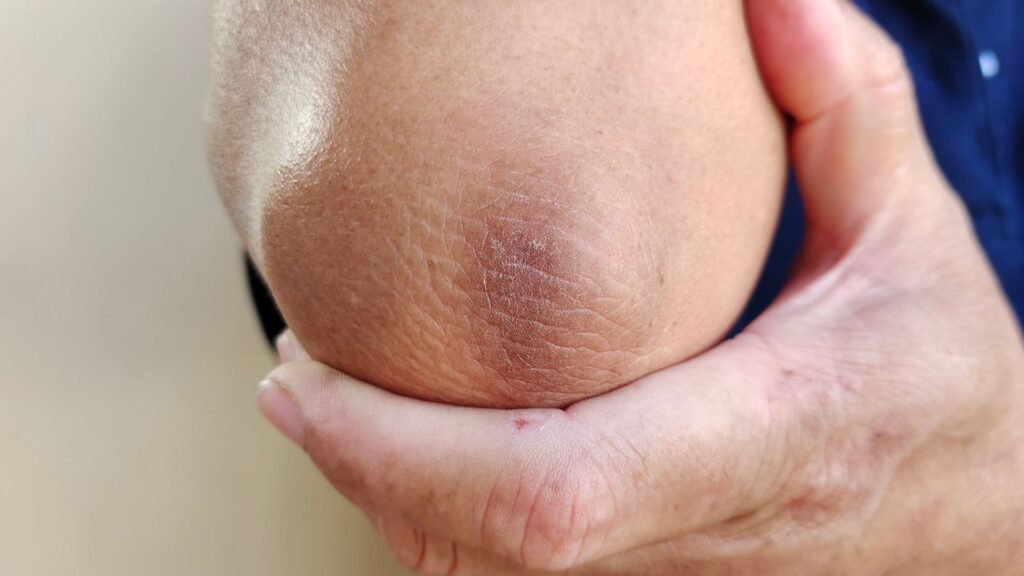
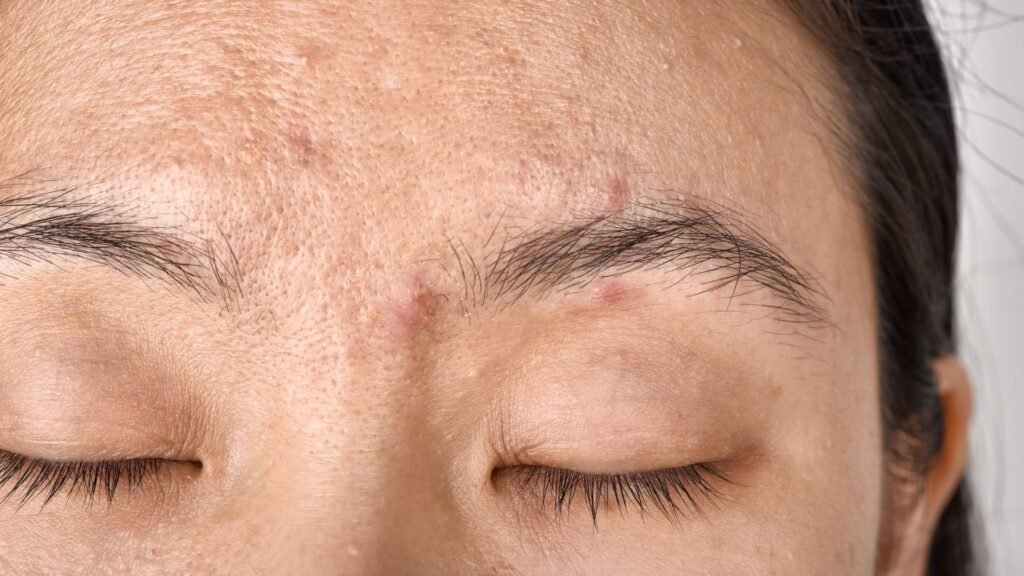
Post-acne marks are discoloured spots that remain after an acne breakout has healed. They commonly develop because inflammation triggers changes in melanin production, the pigment responsible for skin colour.
This condition is known as post-inflammatory hyperpigmentation (PIH).
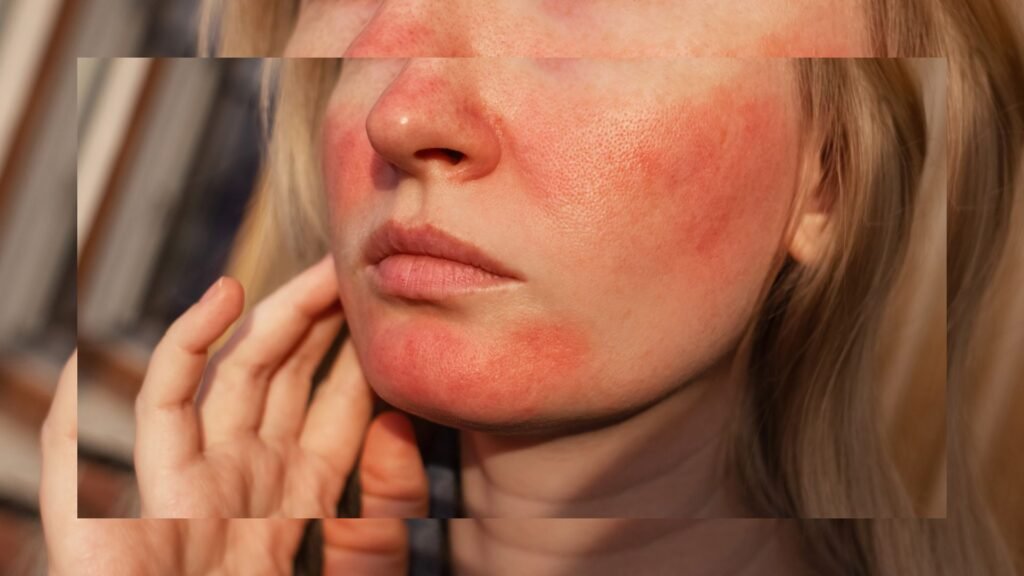
Depending on your natural skin tone and the depth of pigmentation, these marks may appear brown, dark brown, greyish or sometimes reddish.
Acne marks are particularly noticeable in people with medium to deeper skin tones, although they can affect anyone.
Common factors that contribute to their appearance include:
- Inflammation caused by pimples and acne breakouts.
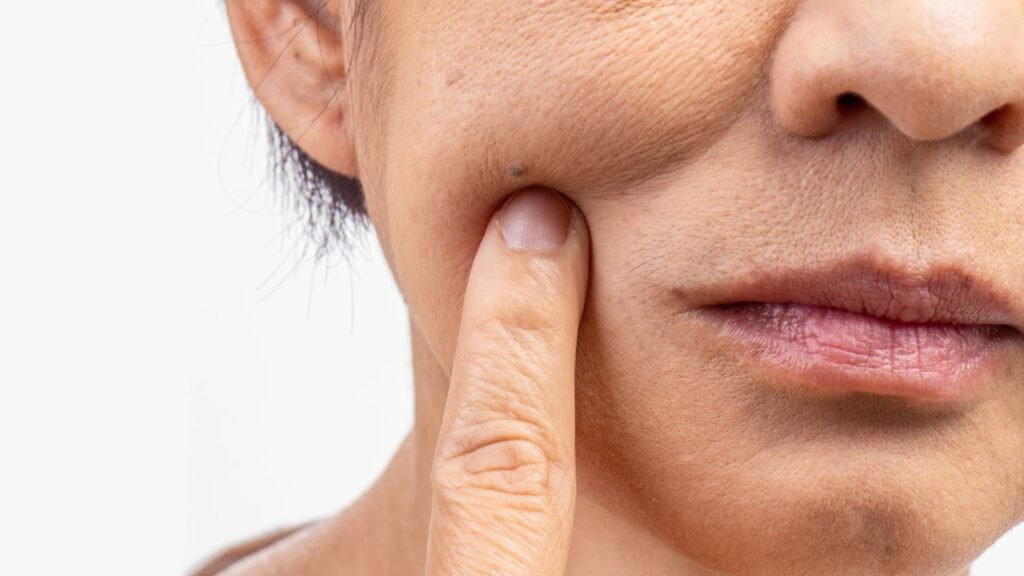
- Picking, squeezing or scratching acne lesions.
- Repeated irritation from harsh skincare products.
- Exposure to ultraviolet radiation without adequate sun protection.
- Ongoing breakouts that create new areas of inflammation.
One important distinction: flat dark spots are not the same as indented or raised acne scars. Pigmentation affects skin colour, whereas acne scars involve changes in skin texture and structure. They require different approaches to management.
7 Smart Skincare Habits to Improve the Appearance of Post-Acne Marks
1. Stop Picking Pimples Before They Leave Dark Marks
It can be tempting to squeeze a pimple, especially when it looks swollen or has a visible whitehead. However, picking, popping and repeatedly touching acne can increase inflammation and damage the surrounding skin.
This irritation may contribute to more noticeable post-acne pigmentation and, in some cases, scarring.
What should you do instead?
- Avoid squeezing or scratching active pimples.
- Use suitable acne treatments rather than trying to remove blemishes manually.
- Keep your hands away from inflamed areas.
- Seek professional advice if breakouts are painful, persistent or severe.
Remember, preventing new acne lesions is an important part of preventing additional post-acne marks.
2. Choose a Gentle Cleanser Instead of Stripping Your Skin
Cleansing is an essential step in an acne-friendly skincare routine. However, washing your face with harsh products or scrubbing aggressively can irritate your skin.
When skin becomes irritated, existing dark marks may become more noticeable, and new areas of post-inflammatory pigmentation may develop.
Choose a cleanser that removes excess oil, dirt and impurities without leaving your face feeling excessively dry or tight.
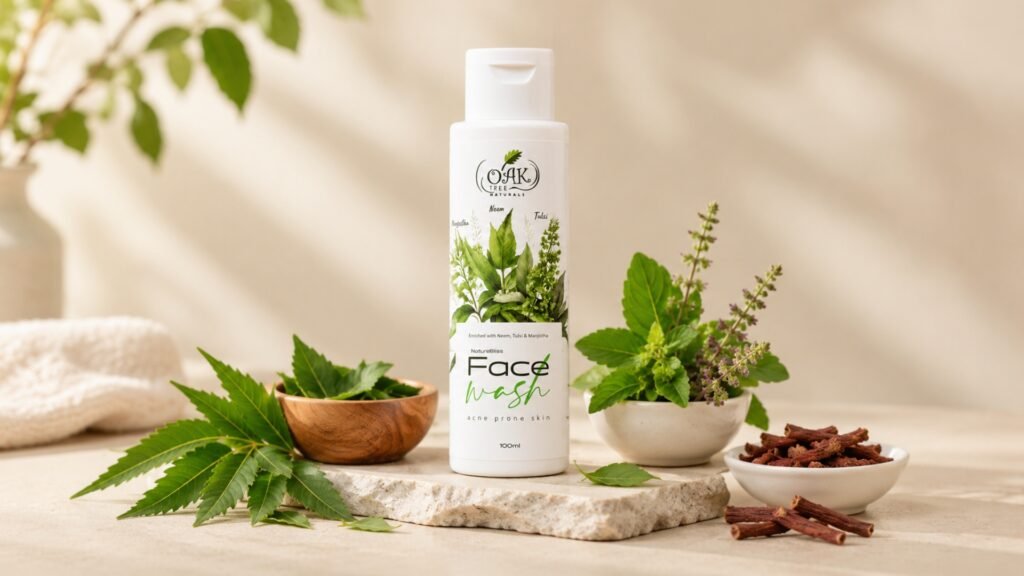
An option to consider: Oak Tree Naturals Natural Acne Face Wash
Oak Tree Naturals Natural Acne Face Wash is described by the brand as a gentle, soap-free cleanser designed for oily and breakout-prone skin. Its formulation is intended to remove excess oil, dirt and impurities while maintaining the skin’s moisture balance.
It can be considered as part of a regular cleansing routine if it suits your skin.
Explore Oak Tree Naturals Natural Acne Face Wash
Helpful tip: Wash your face gently with lukewarm water, avoid excessive cleansing and follow with a suitable moisturiser.
3. Never Underestimate the Importance of Sunscreen
If you are trying to improve the appearance of post-acne marks, sun protection deserves a permanent place in your routine.
Exposure to ultraviolet radiation can darken existing areas of post-inflammatory hyperpigmentation and make uneven skin tone more noticeable.
This is why using pigmentation-focused skincare products without protecting your skin from the sun may limit your progress.
Make sunscreen a daily habit:
- Choose a broad-spectrum sunscreen with SPF 30 or higher.
- Apply it generously to exposed skin.
- Reapply according to the product directions, especially after sweating, swimming or prolonged outdoor exposure.
- Consider a tinted sunscreen containing iron oxides if visible-light protection is appropriate for your pigmentation concerns.
- Wear protective clothing and seek shade when possible.
Sunscreen does not instantly erase existing marks, but consistent photoprotection helps prevent further darkening and supports pigmentation management.
4. Add Suitable Ingredients That Target Uneven Skin Tone
Not every skincare ingredient works in the same way. If your primary concern is post-acne pigmentation, certain ingredients have evidence supporting their use.
Some commonly recommended options include:
Azelaic acid: Often used to manage acne and post-inflammatory hyperpigmentation. It can help address both active breakouts and uneven pigmentation.
Vitamin C: An antioxidant ingredient that may help improve the appearance of uneven skin tone and support protection against oxidative stress when used alongside sunscreen.
Retinoids: Ingredients such as adapalene and tretinoin can help manage acne and may improve certain forms of post-inflammatory pigmentation. However, they can cause dryness and irritation, so appropriate guidance and gradual introduction are important.
Niacinamide: Used in skincare formulations to support the skin barrier and improve the appearance of uneven skin tone.
You do not need to use all these ingredients together. Introducing several strong actives at once can irritate the skin and potentially make pigmentation worse.
If you are unsure which ingredient suits your skin, consult a dermatologist.
5. Keep Your Skin Moisturised, Even If It Is Acne-Prone
A common misconception is that moisturiser is unnecessary for oily or acne-prone skin.
In reality, moisturising helps support the skin barrier and reduce dryness, particularly when using acne treatments that may cause irritation.
A comfortable skin barrier also makes it easier to maintain a consistent skincare routine.
Choose a moisturiser based on your skin type and texture preferences. Lightweight formulations may be more comfortable for oily skin, while richer moisturisers may suit dry skin.
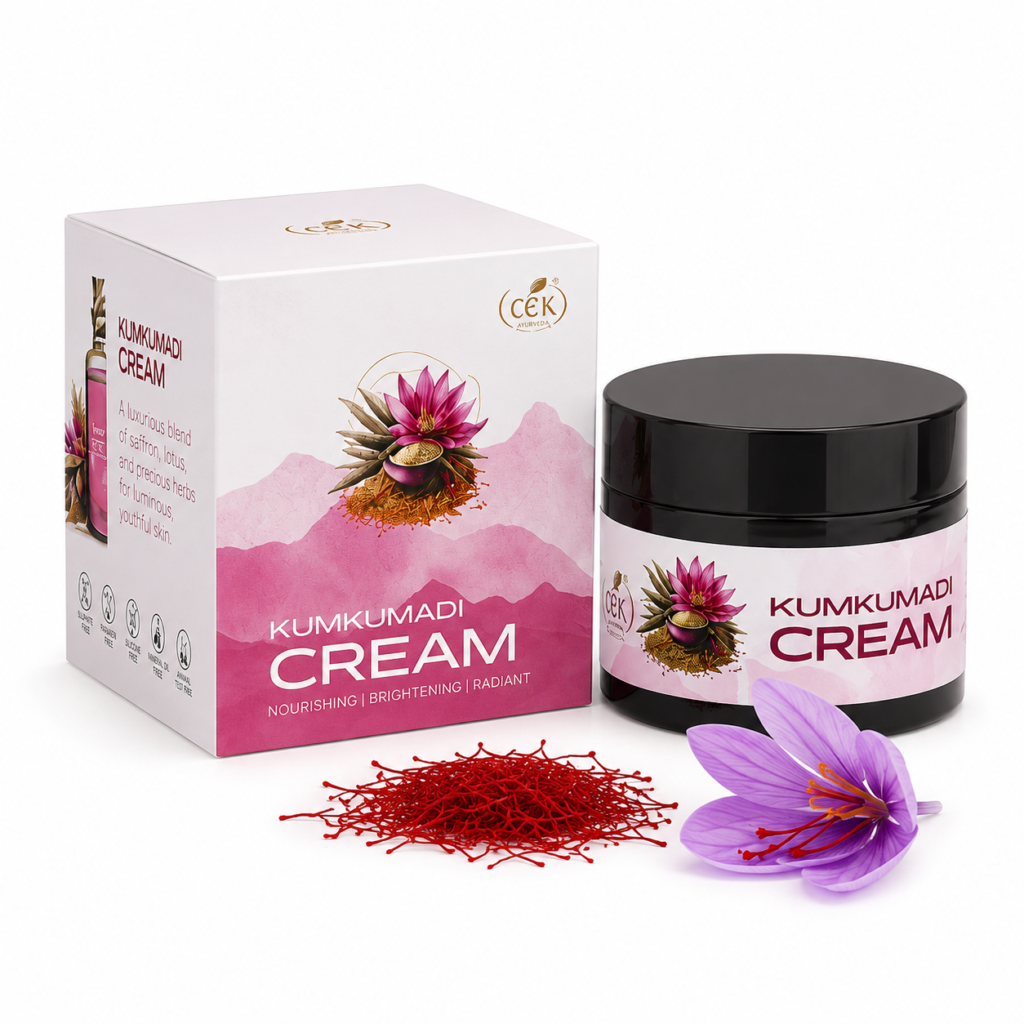
An option to explore: Oak Tree Naturals Kumkumadi Cream
Oak Tree Naturals Kumkumadi Cream is described by the brand as a lightweight daily-use cream that nourishes the skin and helps improve the appearance of dark spots and uneven skin tone.
It may be considered as a moisturising addition to a routine focused on achieving a softer, more radiant-looking complexion.
Discover Oak Tree Naturals Kumkumadi Cream
6. Avoid Over-Exfoliating to Remove Dark Spots Faster
When dark marks refuse to fade, exfoliation may seem like a quick solution. However, using too many exfoliating products can irritate your skin.
Harsh scrubs, frequent chemical exfoliation and combining several active ingredients may damage the skin’s protective barrier.
For acne-prone skin, irritation can create another problem: additional inflammation and potentially more pigmentation.
Follow a gentler approach:
- Avoid rough physical scrubs.
- Do not exfoliate skin that is already irritated or peeling.
- Introduce exfoliating ingredients gradually.
- Avoid combining multiple strong active products without professional guidance.
- Stop using products that cause persistent burning or irritation.
The goal is not to remove layers of skin. It is to maintain a healthy routine that supports gradual improvement.
7. Be Patient and Give Your Skincare Routine Time
Perhaps the most overlooked part of managing post-acne marks is consistency.
Dark spots rarely disappear overnight. Even when acne has healed completely, the pigmentation left behind may take several months to become less noticeable.
According to the American Academy of Dermatology, a dark spot that is only a few shades darker than your natural skin tone may take approximately 6–12 months to fade naturally once the underlying cause has stopped. Deeper pigmentation can take considerably longer.
Instead of switching products every few days, focus on maintaining a simple routine.
A practical daily routine could look like this:
| Morning | Evening |
| Gentle cleanser | Remove makeup and sunscreen |
| Suitable moisturiser | Gentle cleanser |
| Broad-spectrum SPF 30+ sunscreen | Suitable moisturiser |
| Reapply sunscreen when needed | Prescribed acne or pigmentation treatment, if applicable |
Consistency, rather than the number of products you use, is what makes a routine sustainable.
How Long Does It Take for Post-Acne Marks to Fade?
There is no single timeline because the duration depends on the type and depth of pigmentation, your skin tone, ongoing inflammation and the skincare approach you follow.
Flat marks caused by superficial pigmentation may gradually fade over several months. Deeper pigmentation can persist much longer.
Indented or raised acne scars are different. They involve structural changes in the skin and generally do not disappear simply through moisturising or using dark-spot creams.
If your marks are persistent, worsening or accompanied by ongoing acne, a dermatologist can help identify the cause and recommend appropriate treatment.
Common Mistakes That Can Make Post-Acne Marks More Noticeable
Before changing your entire routine, make sure you are not unknowingly making the problem worse.
| Common mistake | A smarter alternative |
| Picking or squeezing pimples | Allow blemishes to heal and use suitable acne care |
| Skipping sunscreen | Use broad-spectrum SPF 30 or higher daily |
| Using too many active ingredients | Introduce products gradually |
| Scrubbing dark marks aggressively | Choose gentle skincare |
| Skipping moisturiser | Use a moisturiser suited to your skin type |
| Expecting overnight results | Maintain a consistent routine |
| Ignoring recurring acne | Address active breakouts early |
Small changes in your daily habits can help prevent repeated irritation and support a more balanced skincare routine.
Frequently Asked Questions About Post-Acne Marks
1. Why do dark spots remain after pimples disappear?
Dark spots can remain because inflammation from acne triggers increased melanin production in the affected area. This is called post-inflammatory hyperpigmentation. The pigmentation may remain visible even after the original pimple has healed.
2. Are acne marks and acne scars the same?
No. Acne marks generally refer to flat areas of discolouration, while acne scars involve changes in skin texture, such as depressions or raised areas. Pigmentation may gradually fade, whereas structural scars often require professional treatment.
3. Does sunscreen help with post-acne marks?
Yes. Sun exposure can make post-inflammatory pigmentation darker. Regular use of broad-spectrum sunscreen with SPF 30 or higher helps protect the skin and reduce further darkening.
4. Can moisturiser help improve the appearance of acne marks?
A moisturiser does not directly remove pigmentation. However, it supports skin hydration and barrier function, which can help reduce dryness and irritation associated with acne treatments.
5. Can natural skincare products remove post-acne marks?
Natural skincare products may help support cleansing, hydration and overall skin comfort, depending on their formulation. However, natural ingredients are not automatically proven treatments for post-inflammatory hyperpigmentation. Choose products carefully and avoid relying on unverified claims.
6. When should I consult a dermatologist?
Seek professional advice if you have painful or recurring acne, deep scars, persistent pigmentation, worsening irritation or marks that do not improve with a consistent skincare routine. A dermatologist can distinguish pigmentation from scarring and recommend suitable treatment.
Final Thoughts: A More Even-Looking Complexion Starts with Smarter Skincare
Post-acne marks can be frustrating, particularly when the pimples have disappeared but the discolouration remains.
However, achieving a more even-looking complexion does not require an aggressive routine or an endless collection of products.
Start by preventing new breakouts, cleansing gently, moisturising regularly and protecting your skin from the sun. Consider suitable pigmentation-focused ingredients when appropriate, and give your routine enough time to show improvement.
If you are building a simple everyday routine, Oak Tree Naturals Natural Acne Face Wash and Kumkumadi Cream are two products worth exploring based on their stated cleansing and moisturising purposes.
Most importantly, remember that every skin type is different. Be patient, avoid unnecessary irritation and choose skincare that supports your skin rather than overwhelming it.
Healthy-looking skin is not about achieving perfection. It is about building consistent habits that help your complexion look and feel its best.