Flaky Skin Around Your Nose? 7 Frustrating Causes and Effective Moisturising Tips

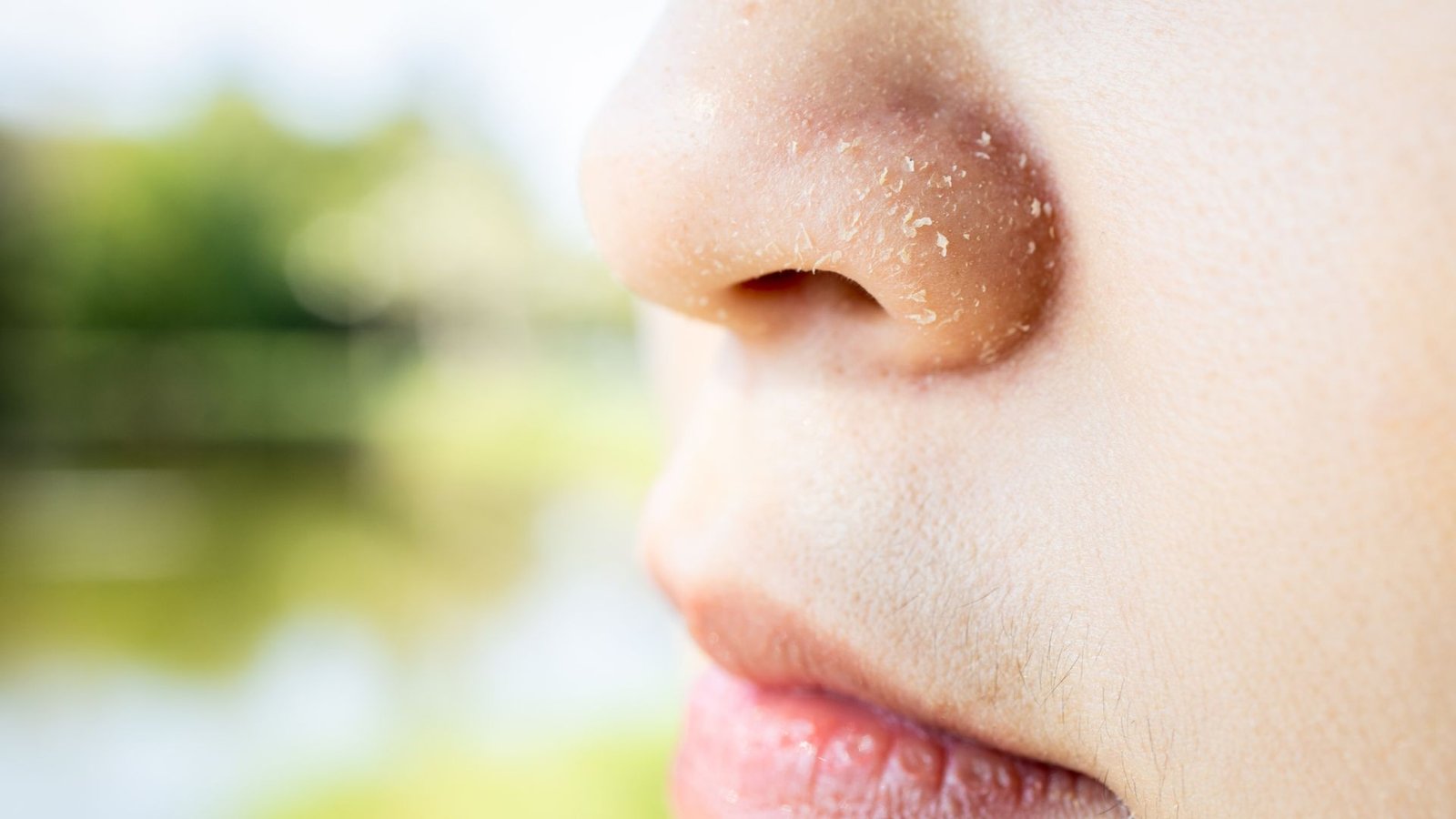
You wash your face, apply moisturiser and get on with your day, only to notice tiny white flakes around your nose a few hours later. Your foundation starts clinging to the dry patches, your skin feels uncomfortable and no amount of rubbing seems to make the problem disappear.
Sound familiar?
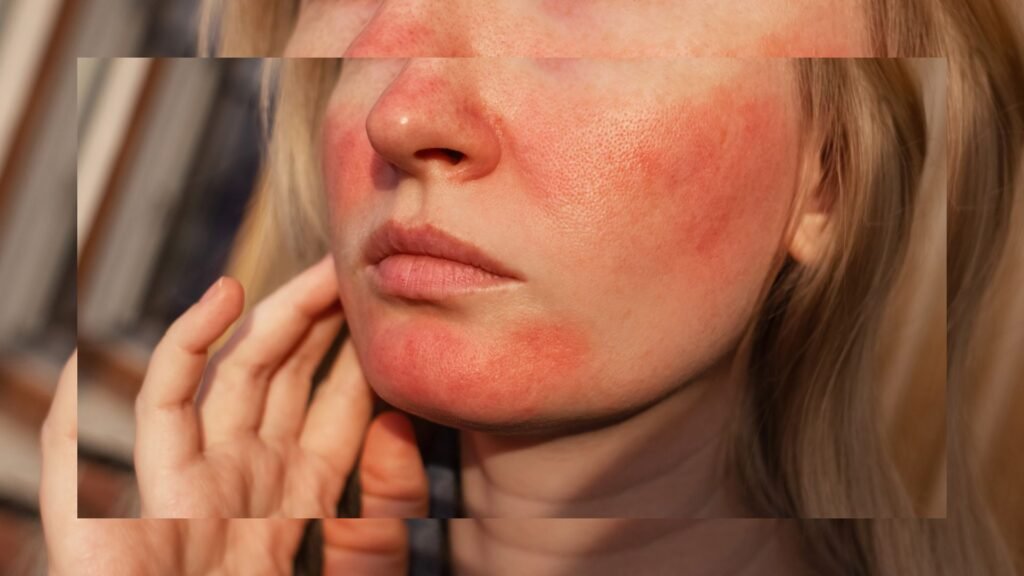
Flaky skin around the nose is a common concern, but it is not always caused by ordinary dryness. Cold weather, harsh cleansers, skincare irritation and certain skin conditions can all contribute to peeling around the nose and its creases.
The tricky part? Applying more moisturiser is not always the complete solution. If an underlying skin condition is responsible, you may need a different approach.
The good news is that understanding the cause can help you choose gentler skincare habits and avoid making the flaking worse.
In this guide, discover seven common reasons for flaky skin around your nose, practical moisturising tips and how to build a simple routine with suitable Oak Tree Naturals skincare products.
Table of Contents
Why Is the Skin Around Your Nose So Prone to Flaking?
The skin around your nose experiences frequent contact with water, cleansers, tissues, makeup and environmental irritants. The creases beside your nostrils can also become areas where oil and skin scales accumulate.
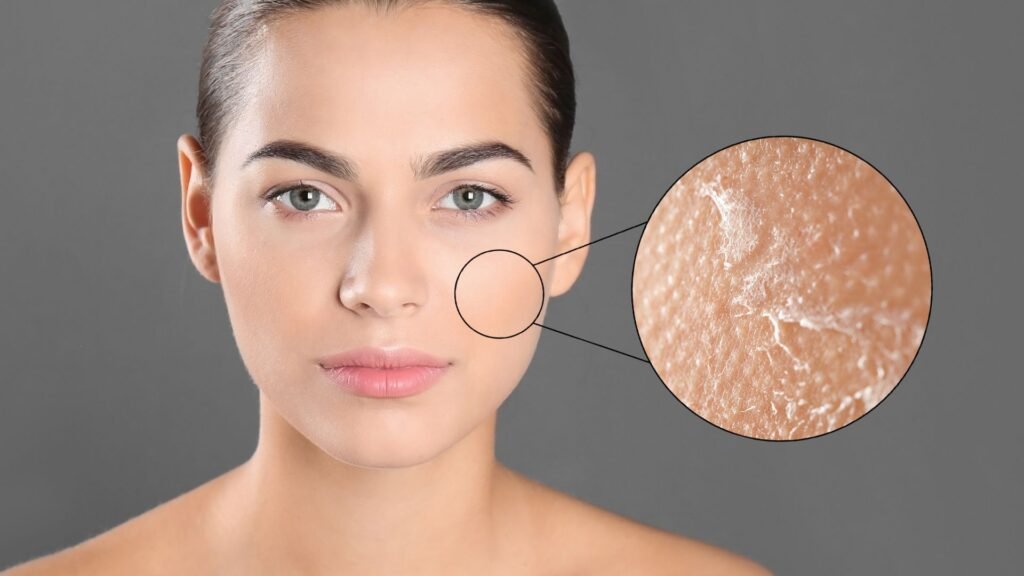
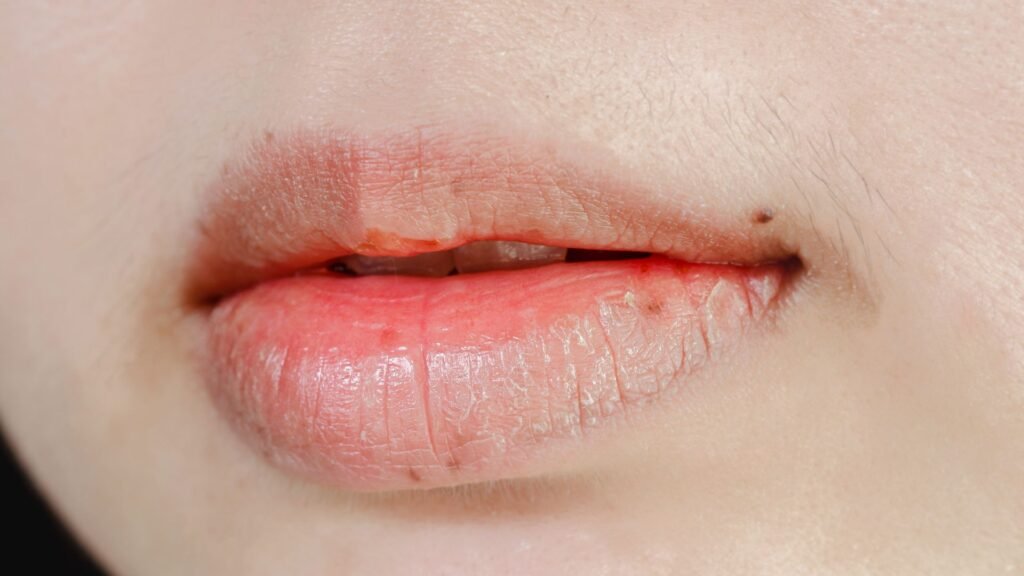
When the skin becomes dry or irritated, its surface may look rough, feel tight or develop visible flakes.
Sometimes, however, the cause is not simple dryness. Seborrhoeic dermatitis, for example, commonly affects the sides of the nose and can cause flaky patches that may look dry or greasy.
Understanding the difference is important because different causes may require different care.
7 Common Causes of Flaky Skin Around Your Nose
1. Cold Weather and Low Humidity
Does your nose start peeling when the weather becomes colder?
Dry, cold air and indoor heating can reduce moisture in the surrounding environment, leaving your skin feeling dry and uncomfortable.
The area around your nose may become rough, tight or visibly flaky, especially if you already have dry or sensitive skin.
What you can do:
- Apply a suitable moisturiser after cleansing.
- Avoid prolonged exposure to very hot water.
- Use lukewarm water when washing your face.
- Consider a humidifier if indoor air is particularly dry.
A consistent moisturising routine can help reduce discomfort associated with ordinary environmental dryness.
2. Using a Harsh Face Wash
A face wash should remove everyday dirt, excess oil and impurities without leaving your skin feeling stripped.
However, harsh cleansers, frequent washing and aggressive scrubbing can contribute to dryness and irritation.
If the skin around your nose feels tight immediately after cleansing, your current face wash or washing technique may not suit your skin.
What you can do:
Choose a gentle cleanser, wash with lukewarm water and avoid rubbing the sides of your nose.
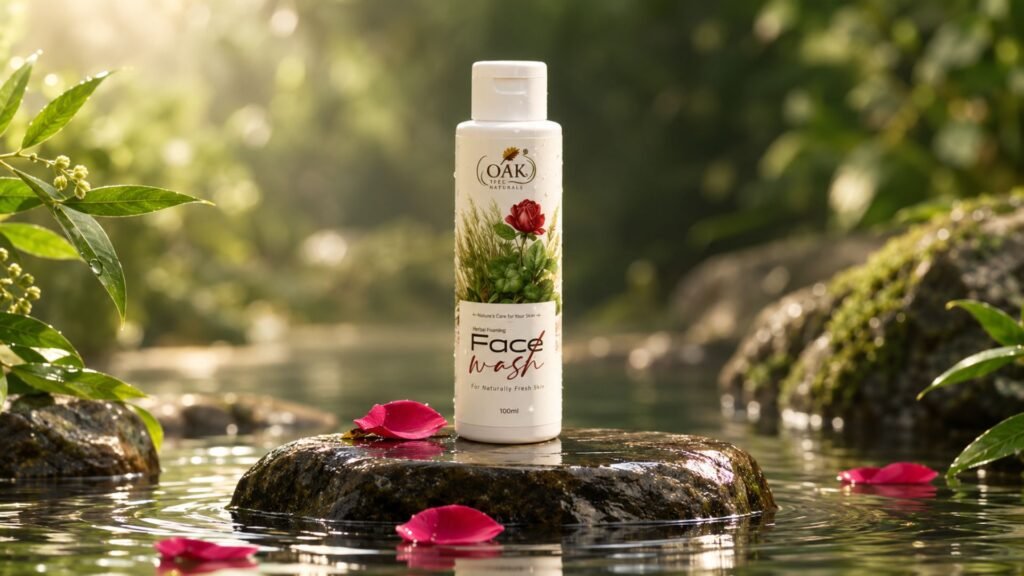
If you prefer botanical-inspired cleansing, Oak Tree Naturals Rose Gold Face Wash is described by the brand as helping remove dirt, oil and makeup while maintaining skin moisture.
You can explore it as an everyday cleansing option if its formulation suits your skin. If it causes stinging or irritation, discontinue use and choose a cleanser that your skin tolerates comfortably.
Explore Oak Tree Naturals Rose Gold Face Wash
3. Over-Exfoliating Your Skin
When flakes become visible, you might feel tempted to scrub them away.
But exfoliating too frequently can make the situation worse.
Products containing exfoliating acids, retinoids and physical scrubs can irritate the skin when used too often or in unsuitable combinations. The delicate creases around your nose may become particularly uncomfortable.
What you can do:
- Pause exfoliation if the area is sore, red or peeling.
- Avoid rough scrubs and exfoliating brushes.
- Do not pick or pull loose skin.
- Reintroduce active ingredients cautiously only when your skin is comfortable.
Remember, removing visible flakes is not the same as addressing the reason they appeared.
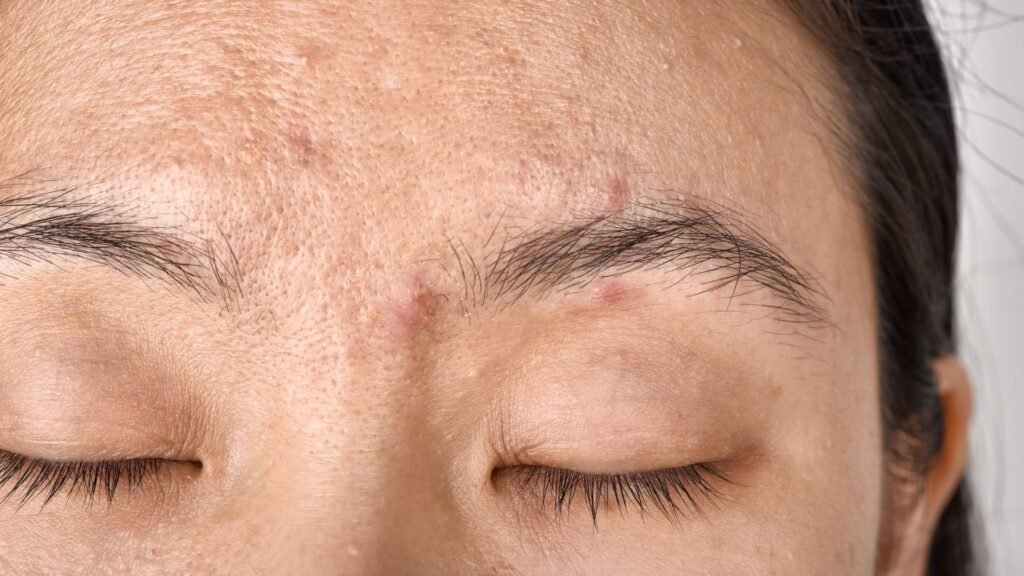
4. Seborrhoeic Dermatitis
If your nose keeps flaking despite regular moisturising, seborrhoeic dermatitis is one possible explanation.
It is a common inflammatory skin condition that often affects areas with more oil glands, including the sides of the nose, eyebrows, scalp and ears.
You may notice:
- White or yellowish flakes.
- Slightly greasy or scaly patches.
- Redness or changes in skin colour.
- Mild itching or irritation.
It can sometimes occur alongside dandruff on the scalp.
Unlike ordinary dry skin, seborrhoeic dermatitis may require specific treatment, such as an antifungal product recommended by a healthcare professional.
The American Academy of Dermatology explains that this condition commonly affects the sides of the nose and other oily areas of the face.
If the same flaky patches keep returning, consult a dermatologist rather than relying only on moisturiser.
5. Irritation or an Allergic Reaction to Skincare Products
Have you recently started using a new face cream, serum, sunscreen or makeup product?
Sometimes, an ingredient in a skincare product can irritate your skin or trigger allergic contact dermatitis.
This may cause:
- Dry or flaky patches.
- Redness or discolouration.
- Itching or burning.
- A rash around the nose or other areas where the product was applied.
Fragrances, preservatives and certain active ingredients can trigger reactions in some individuals.
What you can do:
Stop using products that appear to trigger the reaction. Keep your routine simple and check the ingredient lists of recently introduced products.
Do not assume that a product is irritation-free simply because it is labelled natural or botanical.
If the reaction is persistent, spreading or uncomfortable, seek medical advice.
6. Frequent Nose Wiping and Rubbing
A runny nose, seasonal allergies or a cold can mean repeatedly wiping the skin around your nostrils.
Constant friction from tissues, towels and hands can irritate the area, particularly when the skin is already dry.
The result may be redness, roughness and peeling around the nostrils.
What you can do:
- Use soft tissues.
- Dab gently instead of rubbing.
- Avoid repeatedly washing the irritated area.
- Apply a suitable moisturiser to the external skin around the nose.
If you have frequent nasal symptoms, addressing their underlying cause may also help reduce repeated irritation.
7. Eczema or Other Skin Conditions
Persistent flaking may sometimes be related to eczema or another inflammatory skin condition.
Atopic dermatitis can cause dry, itchy and irritated skin, while contact dermatitis may develop after exposure to an irritating or allergy-triggering substance.
Some facial rashes can also appear around the nose and mouth. Periorificial dermatitis, for example, may cause small bumps and flaky skin around these areas.
These conditions can look similar to ordinary dryness, which is why repeatedly applying moisturiser may not solve the problem.
What you can do:
Avoid experimenting with strong skincare ingredients or using medicated creams without appropriate advice. Consult a dermatologist if the flaking is persistent, painful, itchy or accompanied by a rash.
7 Effective Moisturising Tips for Flaky Skin Around Your Nose
Once you understand what may be causing the flaking, focus on keeping the area comfortable and avoiding unnecessary irritation.
1. Moisturise Immediately After Washing
After cleansing, gently pat your face dry, leaving it slightly damp.
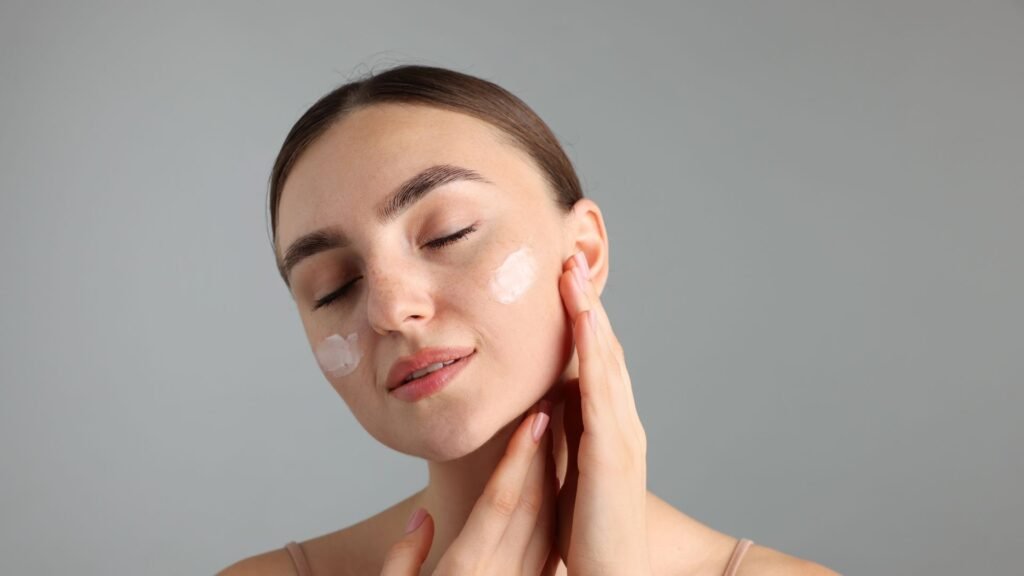
Apply a suitable moisturiser while your skin is still a little damp. This helps support hydration and reduce water loss.
Pay attention to the creases beside your nostrils, but avoid applying products inside your nostrils unless they are specifically intended for that purpose.
2. Choose a Moisturiser That Suits Your Skin
Not every moisturiser feels the same.
Lightweight gels may suit people who prefer a non-greasy texture, while creams and ointments may provide more lasting moisture for very dry skin.
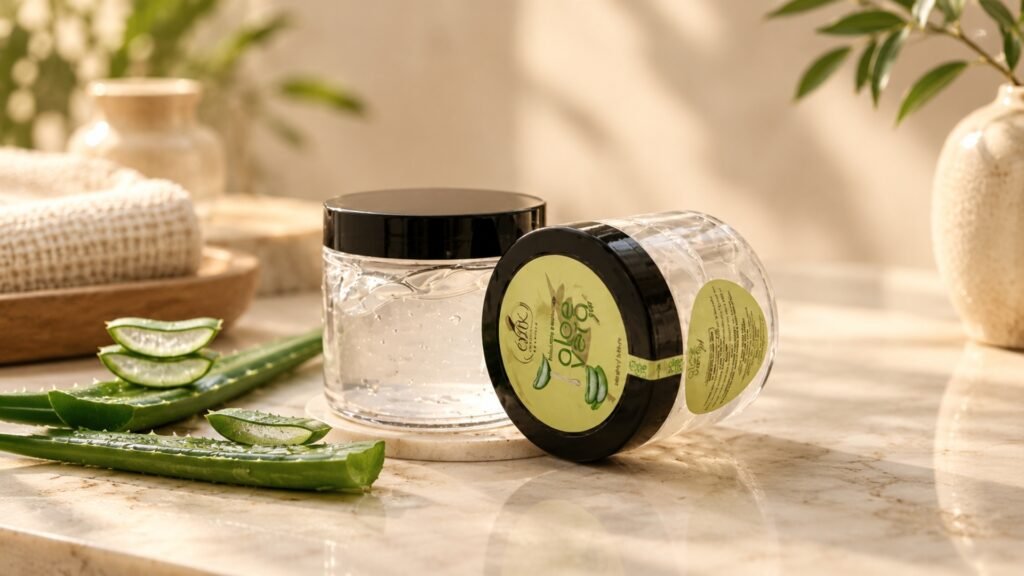
For a lightweight hydration step, Oak Tree Naturals Aloe Vera Gel is described by the brand as a fast-absorbing, non-greasy product that helps hydrate and soothe dry, tired or irritated-looking skin.
It may be an option if you prefer gel-based skincare. However, a lightweight gel may not provide enough moisture protection for very dry or flaky skin. You may need a suitable cream as well.
Discover Oak Tree Naturals Aloe Vera Gel
If your skin is actively irritated, check the complete ingredient list and patch-test new products before regular use. Stop using anything that causes burning or discomfort.
3. Avoid Very Hot Water
Hot water may feel relaxing, especially during winter, but it can contribute to skin dryness.
Use lukewarm water when cleansing your face. Keep your routine gentle and avoid leaving your skin wet for long periods.
4. Do Not Scrub Away the Flakes
Visible flakes can make your skin look uneven, but scrubbing is not the answer.
Avoid exfoliating brushes, coarse scrubs and picking at peeling skin. Give irritated areas time to settle and focus on gentle cleansing and moisturising.
5. Protect Your Skin from Sun Exposure
Sun exposure can contribute to skin damage and may aggravate certain skin concerns.
Use a broad-spectrum sunscreen with SPF 30 or higher during the day. Follow the directions for application and reapplication.
If your skin is sensitive, choose a sunscreen that feels comfortable and does not cause irritation.
6. Keep Your Skincare Routine Simple
Using too many products can make it difficult to identify what is irritating your skin.
For a while, focus on three essentials:
- A cleanser that your skin tolerates.
- A suitable moisturiser.
- Daily sunscreen.
Avoid introducing multiple new serums, exfoliators and masks at the same time.
7. Give Your Skin Time, but Do Not Ignore Persistent Flaking
Ordinary dryness may improve with gentler cleansing and consistent moisturising.
However, repeated flaking around the nostrils, especially when accompanied by greasy scales, itching or redness, may need professional assessment.
Do not keep changing moisturisers in the hope that one will solve every type of flaking.
A Simple Daily Skincare Routine for Dry Skin Around the Nose
You do not need a complicated routine to care for dry skin.
Morning routine
- Cleanse gently with a suitable face wash.
- Apply a hydrating product if needed.
- Use a suitable moisturiser.
- Finish with broad-spectrum sunscreen SPF 30 or higher.
Evening routine
- Remove makeup and sunscreen with suitable products.
- Cleanse gently.
- Apply moisturiser while your skin is slightly damp.
If you suspect dermatitis or another skin condition, follow your dermatologist’s treatment advice rather than relying on this general routine alone.
When Should You See a Dermatologist?
Occasional dryness is common, but persistent flaking around the nose deserves attention.
Consider consulting a dermatologist if you notice:
- Flaking that repeatedly returns.
- Persistent redness, itching or burning.
- Greasy or yellowish scales around the nostrils.
- Painful cracks, swelling or oozing.
- A rash spreading towards your cheeks, mouth or eyes.
- Symptoms that do not improve after simplifying your skincare routine.
A dermatologist can help distinguish ordinary dryness from seborrhoeic dermatitis, eczema, contact dermatitis or another condition and recommend suitable treatment.
Frequently Asked Questions
1. Why is the skin around my nose suddenly peeling?
Sudden peeling may be caused by cold weather, dry air, harsh cleansing, excessive exfoliation or irritation from a skincare product. Persistent or recurring flaking may also be associated with conditions such as seborrhoeic dermatitis.
2. Is flaky skin around the nose a sign of dry skin?
Not always. Ordinary dryness is one possible cause, but seborrhoeic dermatitis, eczema and contact dermatitis can also cause flaking around the nose. Other symptoms, such as itching, redness and greasy scales, may provide useful clues.
3. How can I moisturise flaky skin around my nose?
Cleanse gently, pat your face dry and apply a moisturiser suitable for your skin. Creams or ointments may be more suitable than lightweight gels when the skin is very dry. Avoid scrubbing and stop using products that cause irritation.
4. Can oily skin have flaky patches around the nose?
Yes. Oily skin can still experience dryness, irritation and flaking. Seborrhoeic dermatitis can also affect oily areas, including the sides of the nose.
5. Should I exfoliate the flaky skin around my nose?
Avoid exfoliating when the area is actively peeling, sore or irritated. Scrubbing may worsen the problem. Once the skin is comfortable, consider whether exfoliation is necessary and use suitable products cautiously.
6. Can aloe vera gel help with flaky skin?
Aloe vera gel can provide hydration and may soothe dry or irritated-looking skin, depending on its formulation. However, it may not be moisturising enough for very dry skin and will not treat underlying conditions such as seborrhoeic dermatitis.
7. Why does my nose keep flaking even after applying moisturiser?
Your moisturiser may not be suitable for your skin, or the flaking may have another cause. Conditions such as seborrhoeic dermatitis and contact dermatitis may require specific treatment rather than moisturising alone.
Final Thoughts: Give Your Skin Around the Nose the Care It Needs
Flaky skin around your nose can be frustrating, especially when it keeps returning despite regular moisturising.
But the solution is not always to apply more cream or scrub away the flakes. Start by understanding what may be causing the problem.
Use a gentle cleanser, choose a moisturiser that suits your skin, avoid excessive exfoliation and protect your face from sun exposure. Most importantly, pay attention to recurring symptoms and seek professional advice when needed.
If you are looking to build a simple everyday skincare routine, Oak Tree Naturals offers options such as Rose Gold Face Wash and Aloe Vera Gel that you can explore according to your skin’s needs and product preferences.
Remember, comfortable skin does not require an overwhelming number of products. A gentle, consistent routine and the right approach to your skin concern can make everyday skincare easier.
Explore the Oak Tree Naturals skincare range and find products that fit your daily routine.