Is Your Skin’s Natural Barrier Damaged? 7 Warning Signs and Gentle Ways to Care for It


Does your skin suddenly feel tight after washing? Does your favourite moisturiser sting, or have you started noticing redness, dryness and flaky patches that were not there before?
You might assume your skin simply needs more moisturiser. But sometimes, these changes can be signs that your skin’s natural protective barrier is struggling.
Your skin barrier plays an important role in keeping moisture inside and protecting your skin from external irritants. When it becomes weakened or disrupted, your skin may feel unusually dry, sensitive or uncomfortable.
The good news? You do not necessarily need an expensive 10-step skincare routine to care for it. In many cases, simplifying your products and adopting gentler habits is a sensible place to start.
In this guide, discover seven possible warning signs of a damaged skin barrier, common causes and practical ways to support healthier-looking, more comfortable skin.
Table of Contents
What Is the Skin Barrier and Why Is It Important?
Your skin barrier is the outermost protective layer of your skin, known as the stratum corneum.
Think of it as a protective wall. Skin cells act like bricks, while natural fats called lipids help hold them together.
These lipids include ceramides, cholesterol and fatty acids. Together, they help limit water loss and protect the skin from external irritants.
A healthy skin barrier helps:
- Retain moisture and prevent excessive water loss.
- Protect against environmental irritants.
- Maintain comfortable, hydrated skin.
- Support the skin’s natural protective functions.
When this protective layer becomes disrupted, moisture can escape more easily and the skin may become more vulnerable to irritation.
According to Cleveland Clinic, harsh cleansers, excessive exfoliation and inadequate moisturising can contribute to skin-barrier problems. Certain skin conditions, including eczema and rosacea, can also affect the barrier.
7 Warning Signs Your Skin Barrier May Be Damaged
Not every skin concern means your barrier is damaged. However, several changes may suggest that your skin needs gentler care.
1. Your Skin Feels Tight After Cleansing
Does your face feel stretched or uncomfortable immediately after washing?
A little temporary tightness can happen, but persistent tightness may indicate that your cleanser or cleansing routine is too harsh for your skin.
Very hot water, aggressive rubbing and strong cleansing products can remove some of the natural oils that help protect the skin.
What to do: Switch to a gentle cleanser, use lukewarm water and avoid scrubbing. Your face should feel clean and comfortable rather than stripped.
2. Your Skin Suddenly Becomes More Sensitive
Perhaps a moisturiser you have used for months suddenly causes stinging. Even water or products that previously felt comfortable may begin to irritate your face.
Increased sensitivity can occur when the skin barrier is disrupted, although allergic reactions and other skin conditions can produce similar symptoms.
What to do: Temporarily stop products that cause burning or stinging. Keep your routine simple and avoid introducing several new ingredients at once.
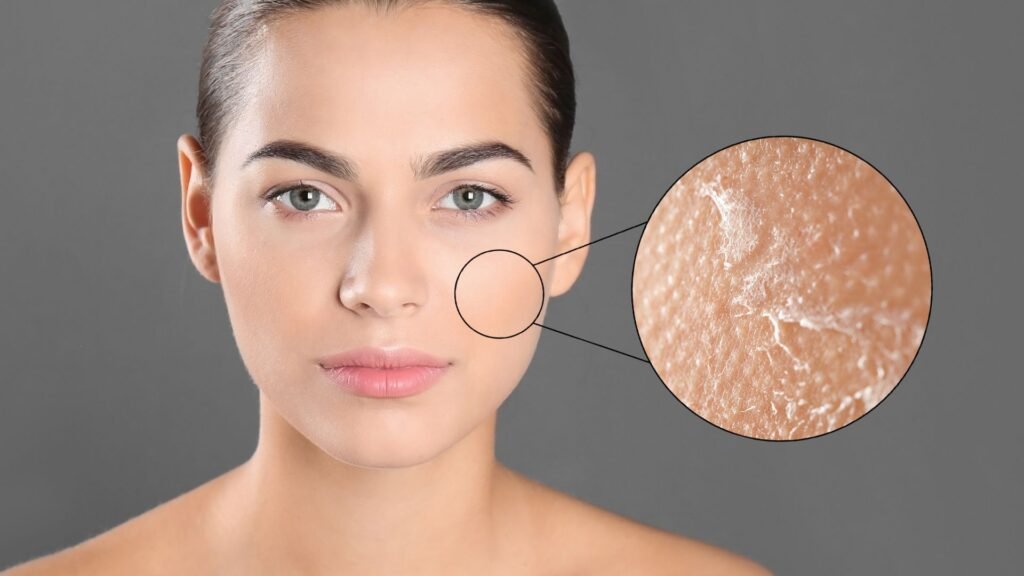
3. You Notice Dry, Flaky or Rough Patches
If your skin looks dull, feels rough or develops visible flakes, it may be struggling to retain moisture.
This can happen when the protective barrier is compromised, allowing water to escape more easily.
Dryness may become especially noticeable around the cheeks, nose and mouth.
What to do: Apply a suitable moisturiser regularly, particularly after washing. Avoid trying to scrub away flaky skin, as this can increase irritation.
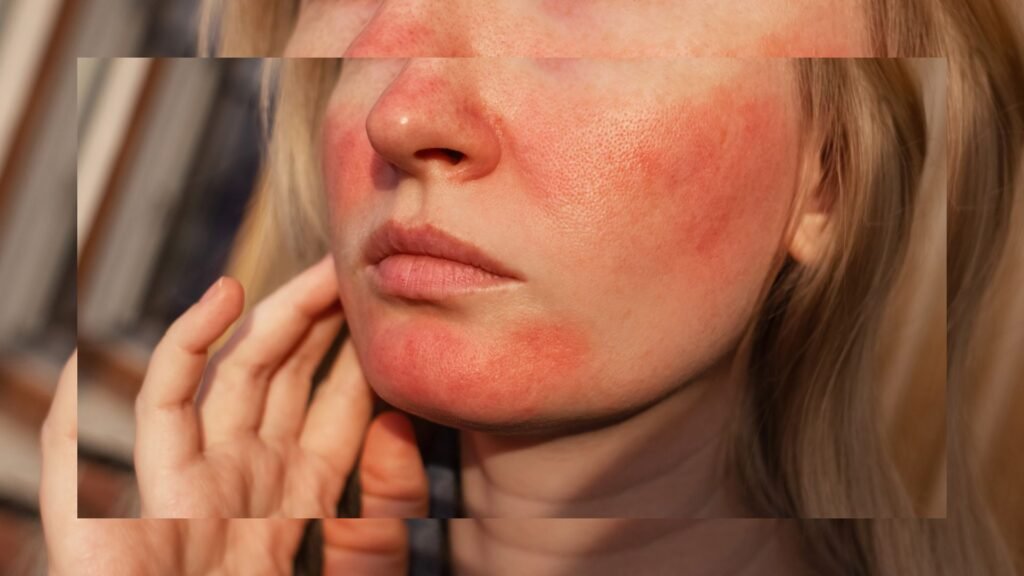
4. Your Skin Looks Red or Irritated
Have you noticed redness after applying skincare products or spending time outdoors?
A weakened barrier may make the skin more reactive to products and environmental conditions.
However, persistent redness is not always caused by barrier damage. Conditions such as rosacea, eczema and contact dermatitis can also cause redness and irritation.
What to do: Avoid products that seem to trigger irritation. Choose a simple routine and seek professional advice if redness persists or worsens.
5. Your Skin Feels Itchy or Uncomfortable
An occasional itch is not necessarily a sign of a damaged skin barrier. However, repeated itching accompanied by dryness, scaling or irritation deserves attention.
Scratching can further irritate the skin and make discomfort worse.
What to do: Avoid scratching, use a suitable moisturiser and consider whether a recently introduced product may be triggering the reaction. Persistent itching should be assessed by a dermatologist.
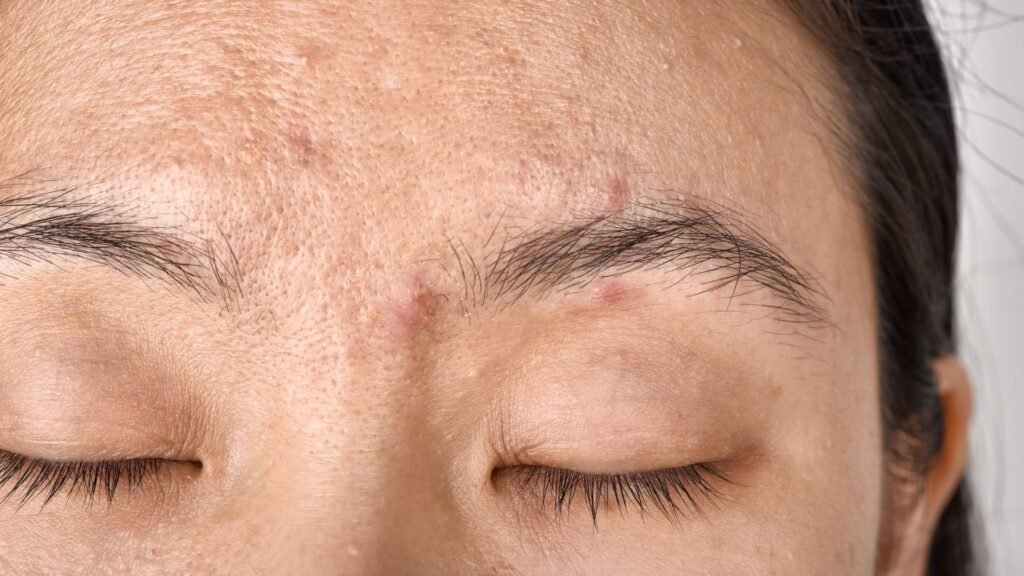
6. Your Skin Develops Unusual Breakouts
Have you noticed small bumps or breakouts appearing alongside dryness and sensitivity?
Skin-barrier disruption and acne can sometimes occur together. However, not every breakout is caused by a damaged barrier.
Overusing exfoliating acids, retinoids or strong acne treatments may irritate the skin and make existing discomfort worse.
What to do: Avoid adding more active ingredients in an attempt to clear every bump. Simplify your routine and seek professional guidance if breakouts are persistent or painful.
7. Your Skin Feels Uncomfortable Even After Moisturising
You apply moisturiser, but your face still feels dry, tight or irritated.
This may happen when your skin needs a different moisturising formula, when environmental conditions are drying it out or when an underlying skin condition is present.
What to do: Review your moisturiser and other skincare products. A richer cream or ointment may be more suitable for very dry skin than a lightweight gel alone.
If discomfort continues despite simplifying your routine, consult a dermatologist.
7 Gentle Ways to Care for a Weakened Skin Barrier
If your skin is feeling unusually sensitive, resist the temptation to add more products. Focus on reducing irritation and supporting your skin’s natural protective functions.
1. Simplify Your Skincare Routine
One of the most useful first steps is to reduce unnecessary products.
You may not need multiple serums, exfoliators, toners and masks every day.
For now, prioritise three basic steps:
- Gentle cleansing.
- Suitable moisturising.
- Daily sun protection.
Temporarily avoid products that cause irritation, especially strong exfoliants and other active ingredients that may be contributing to the problem.
The American Academy of Dermatology recommends a simple skincare routine and introducing new ingredients gradually to reduce the risk of irritation.
2. Choose a Gentle Face Wash
Your cleanser should remove everyday dirt, oil and impurities without leaving your skin feeling excessively dry.
When cleansing:
- Use lukewarm water.
- Apply the cleanser with your fingertips.
- Avoid rough washcloths and aggressive scrubbing.
- Rinse thoroughly.
- Pat your face dry with a soft towel.
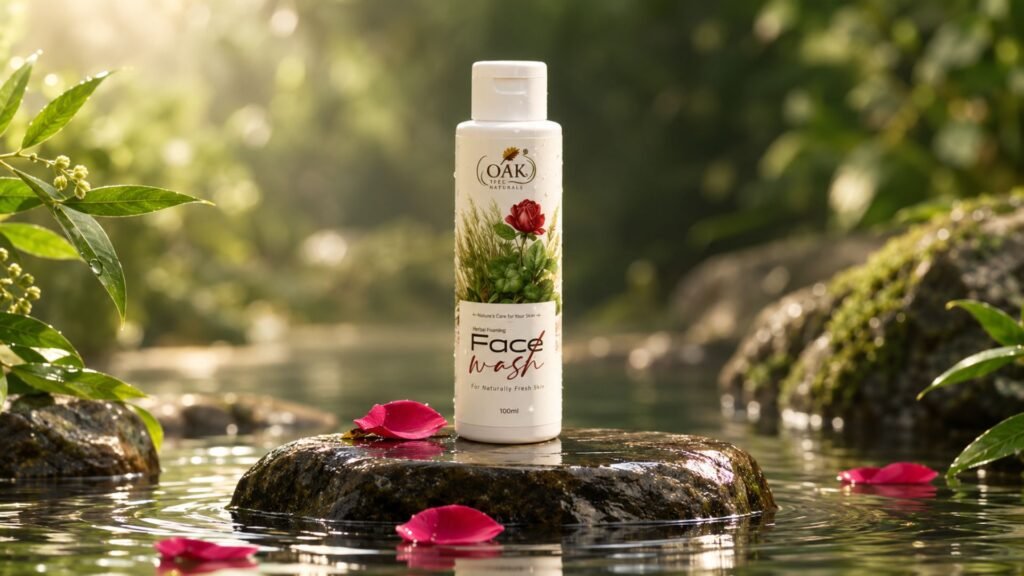
If you prefer botanical-inspired cleansing, Oak Tree Naturals Rose Gold Face Wash is described by the brand as helping remove dirt, oil and makeup while maintaining skin moisture.
You can explore it as an everyday cleansing option if its formulation suits your skin. However, if your skin is actively irritated or reacts to the product, stop using it and choose a cleanser that you tolerate comfortably.
Explore Oak Tree Naturals Rose Gold Face Wash
3. Do Not Skip Moisturiser
Moisturising is an important part of supporting the skin barrier because suitable moisturisers help reduce water loss and improve skin comfort.
Look for a formula that suits your skin type and does not cause irritation.
Ingredients commonly used in moisturisers include:
- Ceramides: Lipids that help support the skin’s protective barrier.
- Glycerin: A humectant that attracts water.
- Hyaluronic acid: A humectant that helps hydrate the skin.
- Petrolatum: An occlusive ingredient that helps reduce water loss.
For very dry skin, creams and ointments may provide more lasting moisture than lightweight gels.
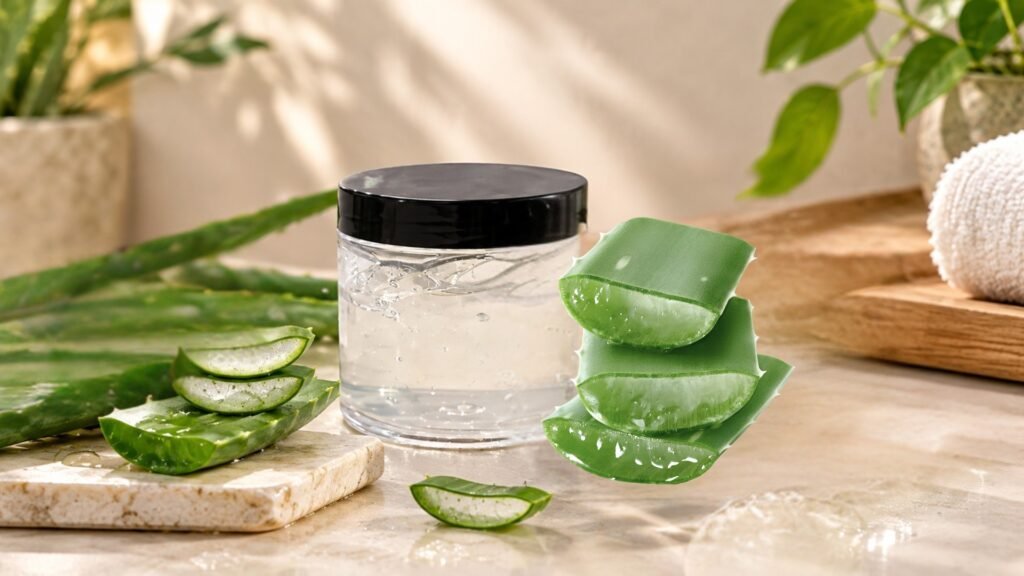
If you prefer a lighter hydration texture, Oak Tree Naturals Aloe Vera Gel is described by the brand as a fast-absorbing, non-greasy product that helps hydrate and soothe dry, tired or irritated-looking skin.
It may suit people who enjoy gel-based hydration. However, aloe vera gel is not a clinically established treatment for repairing a damaged skin barrier, and very dry skin may need an additional moisturiser.
Discover Oak Tree Naturals Aloe Vera Gel
4. Avoid Over-Exfoliating
Exfoliation can help remove dead skin cells, but excessive exfoliation may leave your skin irritated and uncomfortable.
Using several exfoliating products together, scrubbing too frequently or combining strong active ingredients without appropriate guidance can be particularly problematic.
If your skin is already red, sore, peeling or stinging, pause exfoliation until it has settled.
Do not try to achieve an instantly smooth complexion by repeatedly scrubbing your face.
5. Protect Your Skin from Sun Exposure
Sun exposure can contribute to skin damage and may worsen irritation in some people.
Make sunscreen part of your morning routine.
Choose a broad-spectrum sunscreen with SPF 30 or higher, apply it according to the directions and reapply as recommended.
You can also support sun protection by wearing a hat, seeking shade and avoiding prolonged exposure during intense sunlight.
Remember that moisturiser and aloe vera gel do not replace sunscreen.
6. Be Careful When Trying New Products
When your skin is already sensitive, experimenting with multiple new products can make it difficult to identify what is causing irritation.
Introduce one product at a time and check its complete ingredient list.
Consider patch-testing new skincare products before regular use. The American Academy of Dermatology suggests testing a product on a small area of skin twice daily for seven to ten days, following the product’s normal directions.
If you develop redness, itching or swelling, stop using it.
Also remember that natural and botanical ingredients are not automatically suitable for every skin type.
7. Give Your Skin Time and Avoid Constant Changes
A weakened skin barrier does not necessarily improve overnight.
Repeatedly changing your skincare routine can make it harder to understand what your skin tolerates.
Focus on consistency rather than chasing instant results.
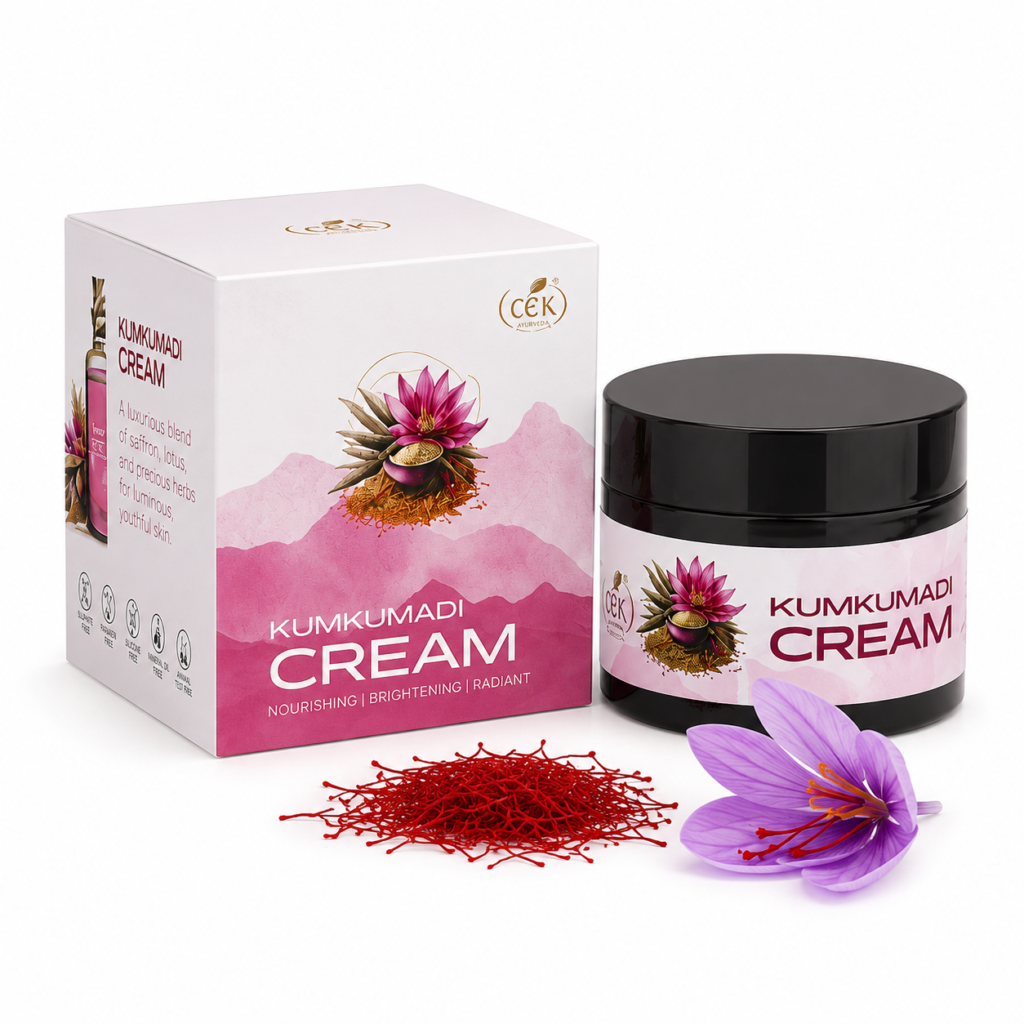
If you are considering a facial cream, Oak Tree Naturals Kumkumadi Cream is described by the brand as a lightweight daily cream that helps nourish the skin and improve the appearance of dark spots and uneven skin tone.
It may be an option to explore as part of your regular moisturising routine if its formulation suits your skin. However, it should not be considered a medically proven skin-barrier repair treatment.
Explore Oak Tree Naturals Kumkumadi Cream
A Simple Morning and Night Routine for Sensitive Skin
You do not need an elaborate skincare routine to care for your skin.
Here is a simple structure you can adapt according to your needs.
Morning routine
- Cleanse gently, or rinse with water if your skin does not need a morning cleanser.
- Apply a suitable moisturiser.
- Finish with broad-spectrum sunscreen SPF 30 or higher.
Evening routine
- Remove makeup and sunscreen with suitable products.
- Cleanse gently.
- Apply moisturiser while your skin is slightly damp.
For the time being, avoid unnecessary exfoliation and strong active ingredients if they are causing irritation.
If you have a diagnosed skin condition, follow your dermatologist’s treatment instructions rather than replacing prescribed care with a general skincare routine.
When Should You See a Dermatologist?
Although mild dryness and temporary irritation can sometimes improve with gentler skincare, persistent symptoms should not be ignored.
Consider consulting a dermatologist if you experience:
- Severe or persistent redness.
- Painful, cracked or bleeding skin.
- Ongoing itching, burning or swelling.
- Repeated reactions to skincare products.
- Peeling that does not improve.
- Symptoms that interfere with your everyday comfort.
Conditions such as eczema, rosacea and contact dermatitis can affect the skin barrier and may require specific treatment.
A dermatologist can help identify the underlying cause rather than simply treating the visible dryness.
Frequently Asked Questions
1. How do I know if my skin barrier is damaged?
Common signs may include tightness, dryness, flaking, increased sensitivity, redness, itching and stinging when applying skincare products. However, these symptoms can also occur with other skin conditions, so they are not a diagnosis on their own.
2. What causes skin-barrier damage?
Common contributing factors include harsh cleansers, excessive exfoliation, very hot water, irritating skincare products and excessive sun exposure. Conditions such as eczema and rosacea can also affect the skin barrier.
3. How long does it take to repair a damaged skin barrier?
There is no fixed recovery period. It depends on the cause, severity and whether an underlying skin condition is present. Mild irritation may settle after removing the trigger, while persistent problems may require professional treatment.
4. Should I stop using retinol if my skin barrier feels damaged?
If retinol is causing burning, peeling or significant irritation, pause its use and seek advice from a dermatologist about when or whether to restart it. Avoid combining it with other strong exfoliating products while your skin is irritated.
5. Is aloe vera gel good for a damaged skin barrier?
Aloe vera gel can provide hydration and may soothe dry or irritated-looking skin, depending on its formulation. However, it is not a substitute for a suitable moisturiser and is not proven to repair a damaged skin barrier.
6. Can oily skin have a damaged skin barrier?
Yes. Oily skin can also become irritated, dehydrated or barrier-impaired. Having excess oil does not mean your skin cannot lose moisture or become sensitive.
7. Should I exfoliate when my skin barrier is damaged?
It is generally sensible to pause exfoliation if your skin is actively irritated, stinging, sore or peeling. Resume only when your skin is comfortable and, if necessary, after seeking professional advice.
Final Thoughts: Healthy Skin Starts with Gentle Care
Your skin barrier does an important job every day, helping retain moisture and protect your skin from external irritants. When it becomes disrupted, the changes can show up as dryness, redness, flaking and unexpected sensitivity.
Instead of responding with more products, take a step back.
Cleanse gently, moisturise appropriately, avoid excessive exfoliation and protect your skin from the sun. Pay attention to how your skin responds, and do not ignore persistent irritation.
If you are looking to simplify your everyday skincare routine, Oak Tree Naturals offers options such as Rose Gold Face Wash, Aloe Vera Gel and Kumkumadi Cream that you can explore according to your skin’s needs and product preferences.
Remember, the goal is not to achieve perfect skin overnight. It is to build a consistent routine that keeps your skin comfortable and supports its natural protective function.
Give your skin the gentle care it deserves, and let consistency do the work.