Can Winter Cause Sun Tanning? 7 Skincare Tips for Uneven-Looking Skin in Winter

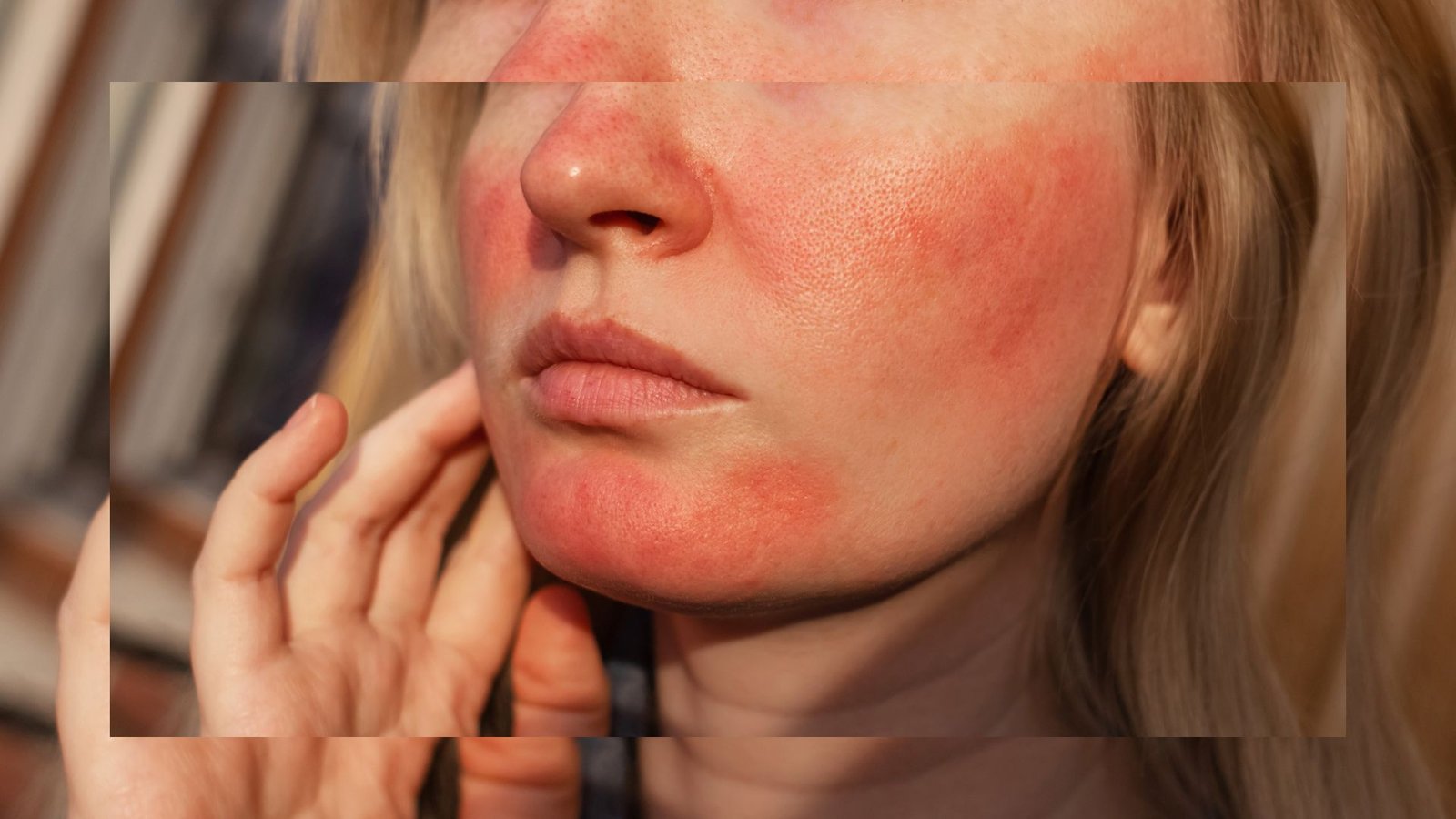
Winter has a way of changing our skincare habits. The weather becomes cooler, the sun feels less intense, and sunscreen often gets pushed aside in favour of moisturisers and cold-weather creams.
But have you ever noticed your face, neck or hands looking darker after spending time outdoors during winter?
Here is something worth knowing: the winter sun can still contribute to tanning and sun-related skin damage. Cooler temperatures do not mean ultraviolet (UV) radiation has disappeared.
Whether you enjoy a sunny morning walk, commute outdoors or spend time travelling, your exposed skin can still receive UV radiation. Over time, this exposure may contribute to tanning, dark spots and uneven-looking skin tone.
So, can you really get tanned in winter? Why does it happen, and what can you do to protect your skin?
Let’s look at the facts and seven practical skincare habits that can help you care for your complexion throughout the colder months.
Table of Contents
Can You Really Get Tanned in Winter?
Yes, you can get tanned during winter because UV radiation is present throughout the year.
A tan develops when your skin responds to ultraviolet exposure by increasing melanin production. Melanin is the natural pigment that gives your skin its colour. Increased pigmentation can make exposed areas look darker.
The amount of UV exposure varies with location, altitude, time of day, cloud cover and other environmental conditions. Snow can also reflect UV radiation and increase exposure in certain settings.
According to the American Academy of Dermatology (AAD), harmful UV rays can reach your skin even on cloudy days. This is why sun protection should not be limited to summer.
Winter may feel gentler, but your skin still needs protection.
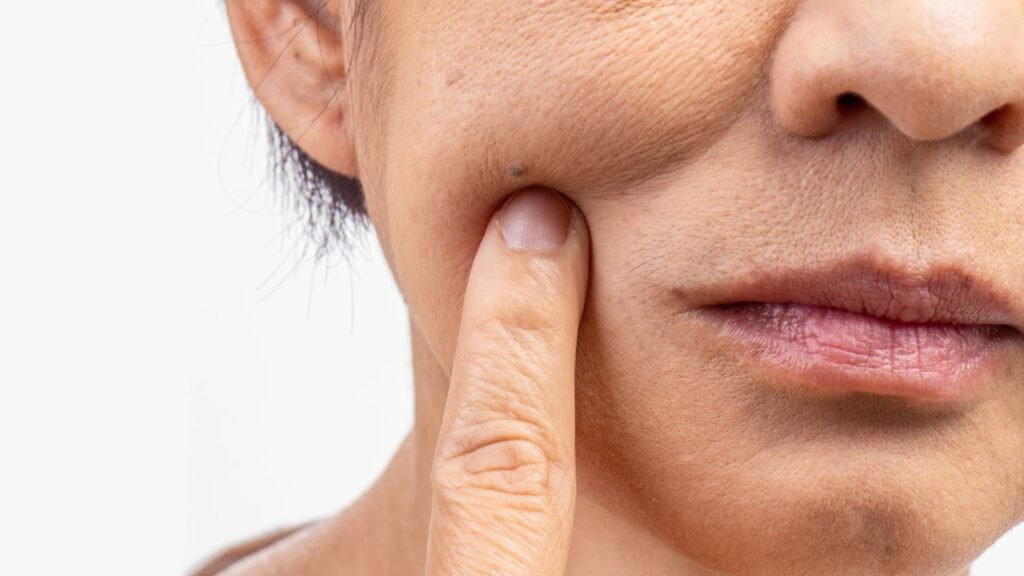
Why Does Your Skin Look Darker or Uneven During Winter?
Tanning is not the only reason your complexion may look different during colder months. Several factors can contribute to uneven-looking skin:
- Sun exposure: UV radiation can stimulate melanin production and contribute to tanning.
- Existing dark spots: Sun exposure may make certain pigmentation concerns more noticeable.
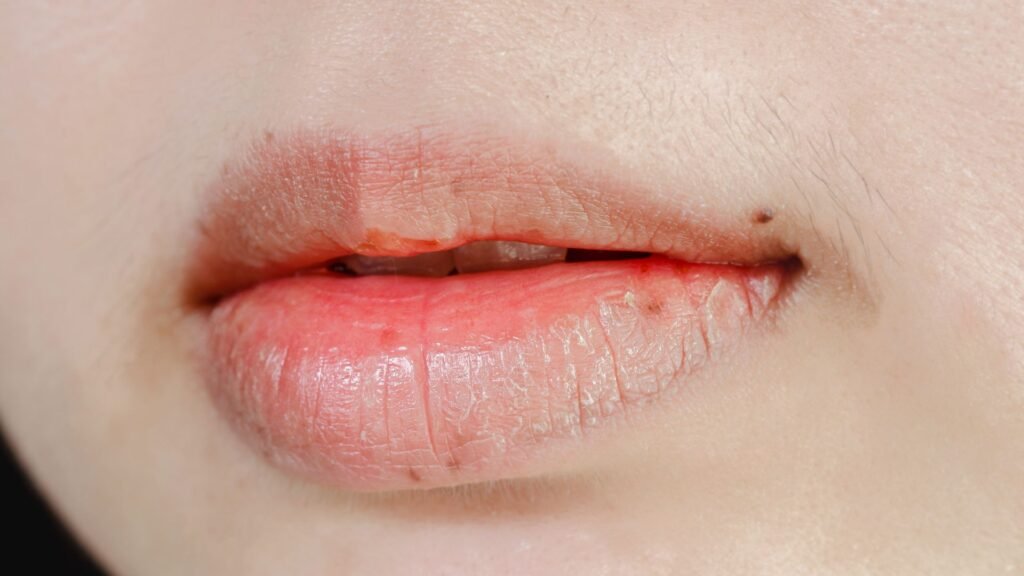
- Dryness: Low humidity and cold weather can leave skin rough, flaky and dull-looking.
- Skin irritation: Harsh products and excessive exfoliation can irritate the skin and sometimes contribute to dark marks.
- Post-inflammatory pigmentation: Dark marks can remain after acne, inflammation or minor skin injuries.
Understanding the cause matters. Dryness, tanning and pigmentation are different concerns, and they do not necessarily respond to the same skincare products.
7 Skincare Tips to Protect Your Skin from Winter Sun and Uneven Tone
1. Make Sunscreen a Daily Habit
If there is one skincare step you should not skip during winter, it is sunscreen.
UV radiation can reach your skin even when the weather is cold or cloudy. Regular exposure without adequate protection can contribute to tanning and other forms of sun damage.
Choose a broad-spectrum sunscreen with SPF 30 or higher. Broad-spectrum protection covers both UVA and UVB rays.
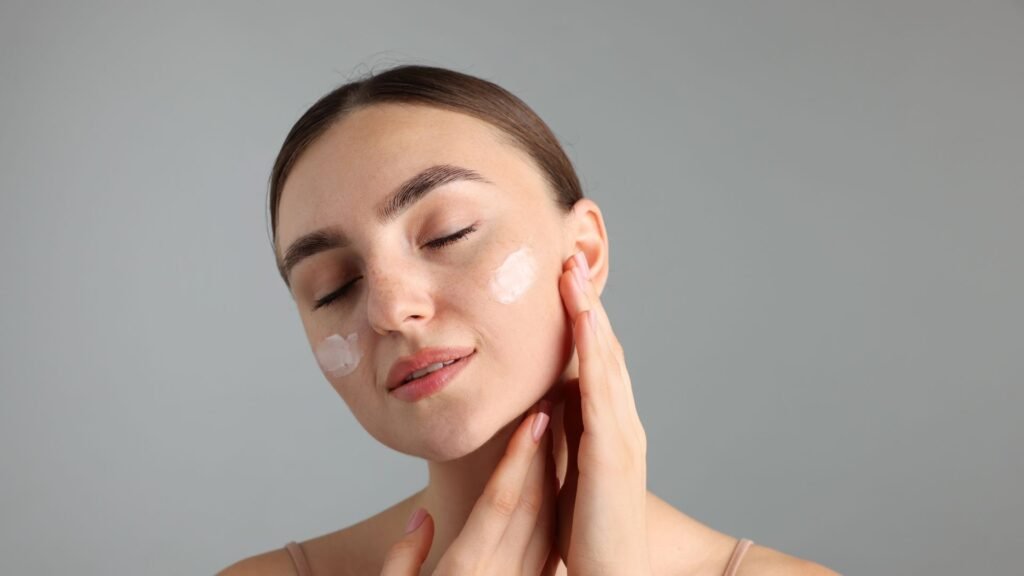
Apply it to exposed areas such as your face, neck, ears and hands before going outdoors. Reapply approximately every two hours when outdoors, and after swimming or sweating, following the product directions.
A useful reminder: Sunscreen is not just a summer essential. It belongs in your year-round skincare routine.
2. Do Not Forget Your Neck and Hands
Many people carefully apply sunscreen to their faces but overlook their necks, ears and hands.
These areas can receive regular sun exposure, particularly when you commute, drive, walk or spend time outdoors.
Make your routine more complete by:
- Applying sunscreen to your face and neck.
- Covering exposed arms when practical.
- Wearing sunglasses with UV protection.
- Using a hat or scarf for additional physical coverage.
- Seeking shade when sunlight is particularly strong.
Protecting exposed skin consistently is more useful than focusing on just one area.
3. Keep Your Skin Moisturised
Winter can leave skin feeling dry, tight and rough. Cold outdoor air, low humidity, indoor heating and frequent hot showers may all contribute to moisture loss.
A suitable moisturiser helps reduce water loss and supports the skin’s protective barrier.
Look for ingredients commonly used in moisturising products:
- Glycerin: Helps attract water to the outer layer of the skin.
- Hyaluronic acid: Helps maintain skin hydration.
- Ceramides: Support the skin’s protective barrier.
- Emollients: Help soften rough and dry skin.
Apply moisturiser after cleansing or bathing, while your skin is slightly damp.
Moisturising does not directly remove a suntan, but it can help your skin feel softer and look smoother.
4. Avoid Scrubbing Your Skin to Remove a Tan
When your complexion looks darker or uneven, scrubbing may seem like a quick solution.
However, aggressive exfoliation can irritate the skin and damage its protective barrier. In some cases, irritation may make dark marks more noticeable.
Avoid harsh scrubs, excessive exfoliating acids and unverified home remedies.
Instead, follow a gentler approach:
- Cleanse with a suitable face wash.
- Avoid rough scrubbing.
- Moisturise regularly.
- Use sun protection consistently.
- Give your skin time to recover.
Remember, a suntan is not simply dirt on the surface of your skin. Scrubbing harder will not undo UV exposure.
5. Choose Products According to Your Skin Concern
Not every skincare product performs the same function.
A moisturiser is primarily designed to hydrate and condition the skin. A product marketed for tan care may be formulated to improve the appearance of tanning or uneven-looking tone.
Before buying a product, understand what you want it to do.
If dryness is your main concern, prioritise moisturising ingredients. If you are concerned about uneven-looking tone, explore products formulated for that cosmetic concern.
Always check the complete ingredient list, product directions and suitability for your skin. Do not rely on the product name alone.
6. Follow a Simple Morning and Night Routine
You do not need a complicated collection of skincare products to care for your skin during winter.
A simple routine can be easier to maintain and helps you avoid unnecessary product layering.
Morning routine
- Cleanse your face gently.
- Apply a moisturiser suited to your skin type.
- Apply broad-spectrum SPF 30 or higher sunscreen.
- Wear protective clothing when spending extended periods outdoors.
Evening routine
- Remove makeup, sunscreen and daily impurities.
- Cleanse with a gentle face wash.
- Apply suitable skincare products.
- Finish with moisturiser.
Introduce new products gradually, especially if your skin is sensitive.
7. Be Patient With Uneven-Looking Skin
One common mistake is expecting visible changes within a few days.
A suntan may gradually become less noticeable as the skin naturally renews itself, but the time required varies between individuals. Dark marks caused by acne, melasma or other pigmentation conditions may need a different approach.
Avoid constantly switching products or using multiple strong treatments in the hope of getting faster results.
Maintain sun protection, keep your routine gentle and give products time to work according to their directions.
If a dark patch is persistent, spreading or changing in appearance, consult a dermatologist rather than assuming it is simply a suntan.
Can D-Tan Lotion Be Part of Your Winter Skincare Routine?
If you are concerned about the appearance of tanning or uneven skin tone, you may be considering a product designed for tan care.
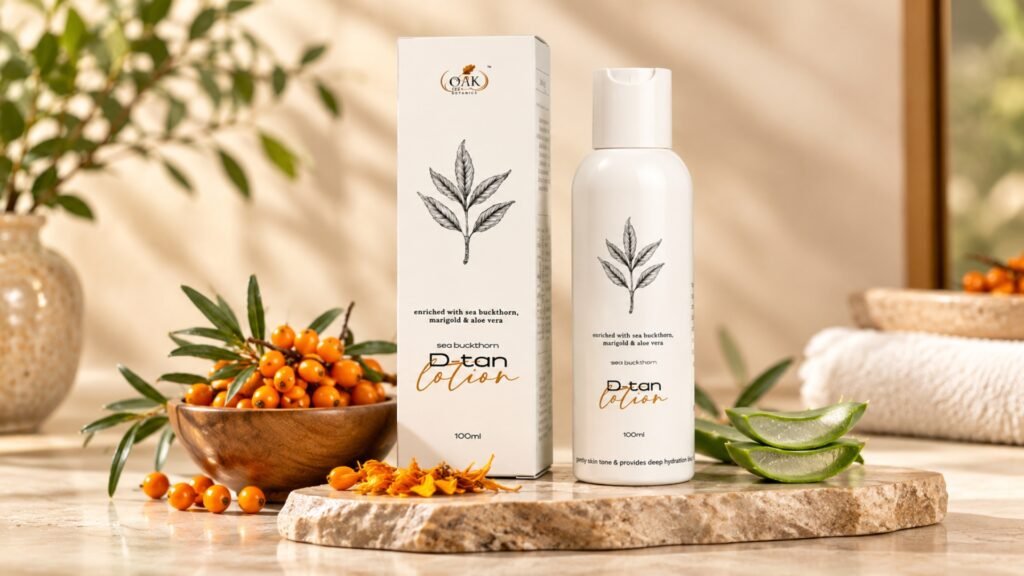
Oak Tree Naturals offers Oak Tree D-Tan Lotion (100 ml). According to the brand’s product description, it is a lightweight, fast-absorbing lotion intended to hydrate and nourish the skin while improving the appearance of tanning and uneven skin tone.
It may be worth exploring if you want to include a dedicated tan-care product in your skincare routine.
What the brand highlights:
- A lightweight, fast-absorbing texture.
- Hydration and nourishment.
- A focus on the appearance of tanning and uneven skin tone.
- A convenient 100 ml pack.
You can explore the product here:
Shop Oak Tree Naturals D-Tan Lotion
Important: D-Tan Lotion should not be treated as sunscreen or assumed to prevent further tanning. Continue using a separate broad-spectrum SPF 30 or higher sunscreen during the day. Review the current ingredient list and follow the product’s directions before use.
Common Winter Sun Protection Mistakes to Avoid
Even people with a regular skincare routine can overlook important details.
Here are some mistakes worth avoiding:
- Skipping sunscreen on cloudy days: Clouds do not block all UV radiation.
- Protecting only your face: Your neck, ears and hands need attention when exposed.
- Using moisturiser instead of sunscreen: Hydration and UV protection are different functions.
- Over-exfoliating: Excessive scrubbing can irritate your skin.
- Expecting overnight tan removal: Pigmentation changes take time and depend on their cause.
- Ignoring unusual dark patches: Not every dark mark is a suntan.
A consistent routine is more helpful than trying several aggressive treatments at once.
Frequently Asked Questions
1. Can winter sunlight cause tanning?
Yes. UV radiation is present throughout the year, so spending time outdoors without adequate protection can contribute to tanning even during winter.
2. Do I need sunscreen during winter?
Yes. Use a broad-spectrum sunscreen with SPF 30 or higher on exposed skin when spending time outdoors. Reapply according to the product directions.
3. Can cloudy winter days cause tanning?
Yes. Some UV radiation can pass through clouds and reach your skin. Cloudy weather does not eliminate the need for sun protection.
4. Does moisturiser help remove a suntan?
No. Moisturiser helps hydrate and soften the skin, but it does not directly remove pigmentation. It can support a comfortable skincare routine.
5. How can I prevent tanning during winter?
Use broad-spectrum sunscreen, wear protective clothing, seek shade when appropriate and avoid unnecessary prolonged sun exposure. Consistency is important.
6. Is D-Tan Lotion a replacement for sunscreen?
No. A D-Tan lotion is not automatically a sunscreen. Use a separately labelled broad-spectrum SPF 30 or higher sunscreen for UV protection.
7. How long does a winter suntan take to fade?
It varies depending on the amount of exposure, individual skin characteristics and whether the pigmentation is actually a suntan or another condition. Persistent or unusual pigmentation should be assessed by a dermatologist.
Final Thoughts: Give Your Skin the Right Care This Winter
Winter may bring cooler temperatures and pleasant sunny afternoons, but your skin still needs protection from ultraviolet radiation.
A winter suntan is possible, and overlooking sun protection can contribute to tanning and other signs of sun damage. The best approach is to combine daily sunscreen, gentle cleansing, regular moisturising and sensible product choices.
If you are looking for a product to complement a tan-care routine, Oak Tree Naturals D-Tan Lotion is worth exploring for its brand-described focus on hydration and the appearance of uneven skin tone.
Remember, healthy-looking skin is not about changing your natural complexion. It is about protecting, nourishing and caring for your skin consistently.