
Beyond the Label: Why Organic Rose Water Matters

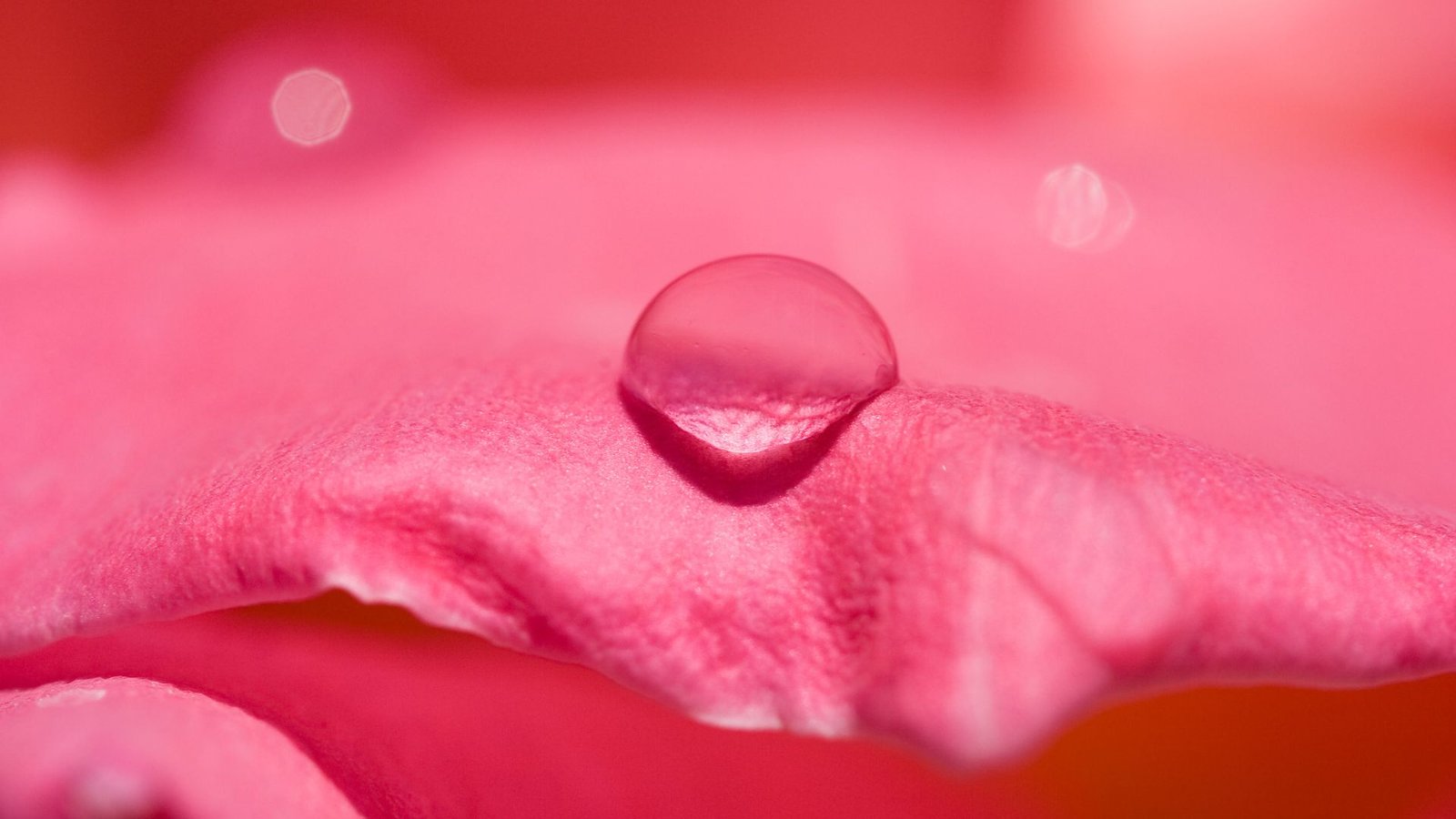
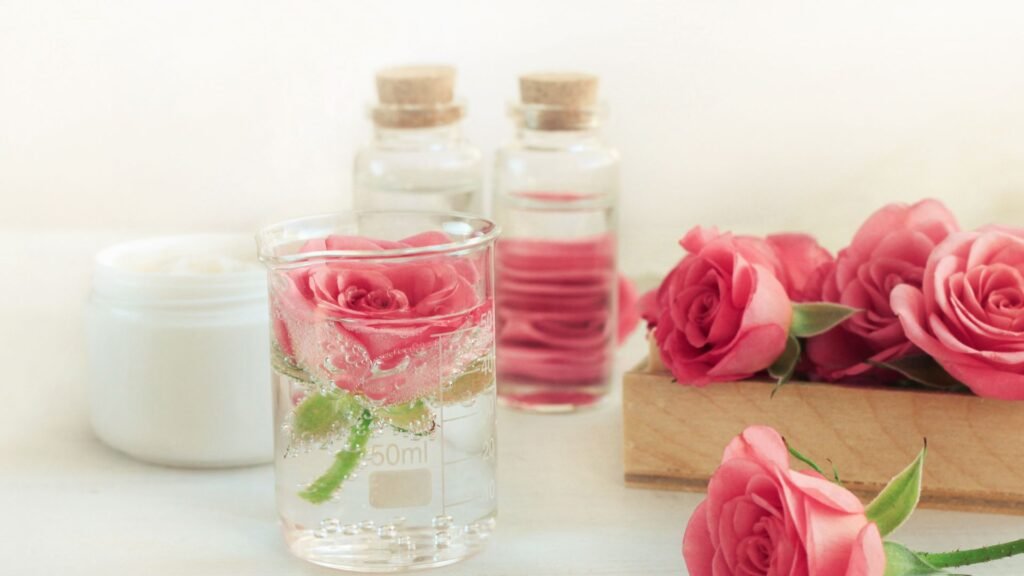
Organic rose water is widely known for its uses in beauty treatments and for enhancing the flavor of food. It’s made by steam distilling rose petals and can be prepared at home or bought from the market. Besides its cosmetic and medicinal applications, rose water is also used in religious rituals and to add a rose fragrance to many sweets and desserts.
However, not all rose water is created equal. Many commercial brands mislead customers by labeling chemically laden products as pure rose water. Consistently using impure rose water can worsen skin conditions, disrupt natural skin balance, and potentially lead to long-term dermatological issues.
Table of Contents
Why Choose Organic Rose Water?
The demand for clean, effective, and environmentally friendly beauty products has increased, and pure rose water is celebrated for its hydrating and soothing properties. Using impure rose water can worsen skin conditions and disrupt natural skin balance.
Organic rose water helps balance skin pH, improves absorption of active ingredients, and provides hydration. It’s free from synthetic pesticides and chemicals; organic rose water is safer for your skin and overall health.
Oak tree naturals prioritize ecological concerns, emphasizing sustainable practices and conservation while preparing rosewater. This approach underscores a commitment not only to personal well-being but also to the broader health of the planet.
How to Identify Real vs. Fake Rose Water
- Color: People think that its color will be red or pink, like a rose. But real rose water is colorless. Don’t be fooled by colored rose water, it’s a sign of additives.
- Fragrance: Genuine rose water has a delicate, natural rose fragrance. It shouldn’t overpower your senses. Strong scents indicate added rose essence, which might irritate your skin.
- Alcohol Content: Real rose water does not contain alcohol. If your rose water seems to disappear quickly, it’s probably fake.
- Production Method: Pure rose water is made through a process called distillation, essentially boiling rose petals. Look for brands that mention this method.
- Skip the Sticky Stuff: Pure rose water is made through a process called distillation, essentially boiling rose petals. Look for brands that mention this method.
- Check the ingredients list: Real rose water should have only one or two ingredients, which is “rose water” or “rosa damascena water. ” A long list of ingredients is a red flag.
Embrace Clean and Natural Rosewater
At Oak Tree Naturals, we support the movement towards greener beauty with our skincare formulas, providing 100% organic products that promote healthier skin and earth.
Click here to choose pure, natural, and organic rose water to ensure the best care for your skin and the environment.
Frequently Asked Questions (FAQs)
1. What is organic rose water?
Organic rose water is made using roses cultivated according to organic farming practices. It is commonly used as a facial mist, toner, or refreshing skincare ingredient.
2. Is organic rose water good for the face?
Yes, organic rose water can be a refreshing addition to a facial skincare routine. It can be used after cleansing or throughout the day as a light facial mist.
3. Can I use organic rose water every day?
For most people, rose water can be incorporated into a daily skincare routine if the product is well tolerated. However, people with sensitive skin should patch-test it first.
4. What is the difference between organic rose water and rose-fragranced water?
Organic rose water is typically made from genuine rose-derived ingredients, while rose-fragranced water may contain added fragrance designed to provide a rose scent. Checking the ingredient list can help identify the difference.
5. How should I use organic rose water on my face?
After cleansing, spray or gently apply rose water to your face and allow it to settle. Follow with a moisturizer and sunscreen during the daytime.
6. Can organic rose water replace a moisturizer?
No. Rose water can be a refreshing step in your skincare routine, but it should not replace a moisturizer designed to support and protect the skin barrier.
7. Is organic rose water suitable for sensitive skin?
It may be suitable for some people with sensitive skin, but natural ingredients can still cause irritation. Always check the ingredient list and perform a patch test before regular use.
8. How can I choose good-quality organic rose water?
Look for a transparent ingredient list, genuine rose-derived ingredients, appropriate organic certification where applicable, and minimal unnecessary additives.

One thought on “Beyond the Label: Why Organic Rose Water Matters”