How to Choose the Right Face Wash for Acne-Prone Skin

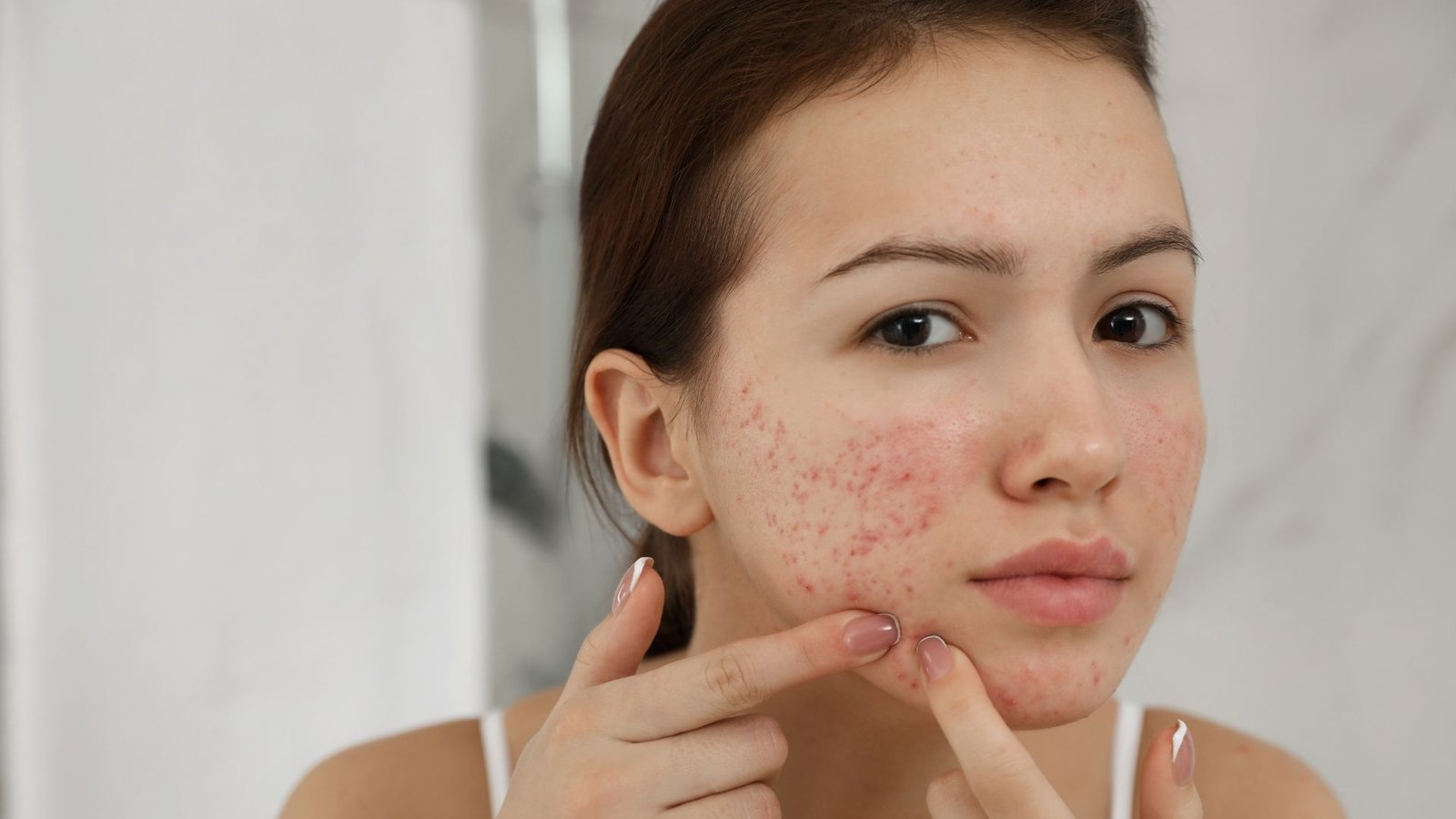
Face Wash for Acne-Prone Skin: You’ve tried five different face washes, and the pimples are still there. Maybe your skin feels tight and dry now, or maybe it’s oilier than before. If this sounds familiar, you’re not alone.
The problem usually isn’t that your skin is “impossible.” It’s that there are hundreds of face washes out there, and most labels don’t tell you which one actually suits acne-prone skin. The wrong cleanser can strip your skin, trigger more oil, or irritate existing breakouts.
In this guide, you’ll learn how acne forms, which ingredients help, which ones to avoid, how to match a face wash to your skin type, and how to use it correctly. By the end, you’ll know exactly what to look for on the label.
Why Your Face Wash Matters for Acne
Acne usually develops when four things come together: excess oil (sebum), clogged pores, acne-causing bacteria, and inflammation. A face wash can help with the first two by removing oil, dirt, sweat, and sunscreen before they build up in your pores.
What a face wash can do:
- Remove surface oil, dirt, and sweat
- Keep pores from getting clogged
- Support other acne treatments you may be using
What a face wash cannot do:
- Cure acne overnight
- Replace medical treatment for moderate or severe acne
It’s also worth knowing that more washing isn’t better. Over-cleansing or using harsh formulas can damage your skin barrier, leaving skin dry, irritated, and sometimes oilier as it tries to compensate.
Know Your Skin Type First
“Acne-prone” doesn’t mean “oily.” Acne can show up on dry, combination, and sensitive skin too, and each type needs a different approach.
| Skin Type | Signs | What to Look For |
|---|---|---|
| Oily + acne-prone | Shiny T-zone, enlarged pores, frequent breakouts | Gel or foaming wash with salicylic acid |
| Combination | Oily T-zone, normal or dry cheeks | Gentle gel cleanser that doesn’t over-dry |
| Dry + acne-prone | Tightness, flaking, occasional breakouts | Creamy, hydrating, sulfate-free wash |
| Sensitive + acne-prone | Redness, stinging with new products | Fragrance-free, soap-free, minimal ingredients |
If you’re unsure, wash your face with a gentle cleanser, pat dry, and wait an hour without applying anything. Shiny all over means oily, tight and flaky means dry, and shiny only on the forehead and nose means combination.
Key Ingredients to Look For
Here are the ingredients most commonly recommended in face washes for acne-prone skin.
Salicylic acid (BHA): Oil-soluble, so it can get into pores and help clear blackheads and whiteheads. It’s one of the most popular acne ingredients and works well for oily skin.
Benzoyl peroxide: Targets acne-causing bacteria and is useful for red, inflamed pimples. It can be drying and may bleach fabrics, so start with a lower strength and use it carefully.
Niacinamide: Helps with oil balance, redness, and skin barrier support. It’s generally well tolerated, which makes it a good option for sensitive skin.
Glycolic or lactic acid (AHA): Gentle chemical exfoliants that help with dullness and rough texture. Better for mild congestion than for active, inflamed acne.
Zinc (PCA): Often included to help regulate oil.
Tea tree oil: A popular natural option with antibacterial properties. It can irritate sensitive skin, so patch test first.
Hydrators like glycerin, hyaluronic acid, and ceramides: These don’t treat acne directly, but they keep skin comfortable and prevent the dryness that active ingredients can cause.
Ingredients and Habits to Avoid
Sometimes what you leave out matters as much as what you add.
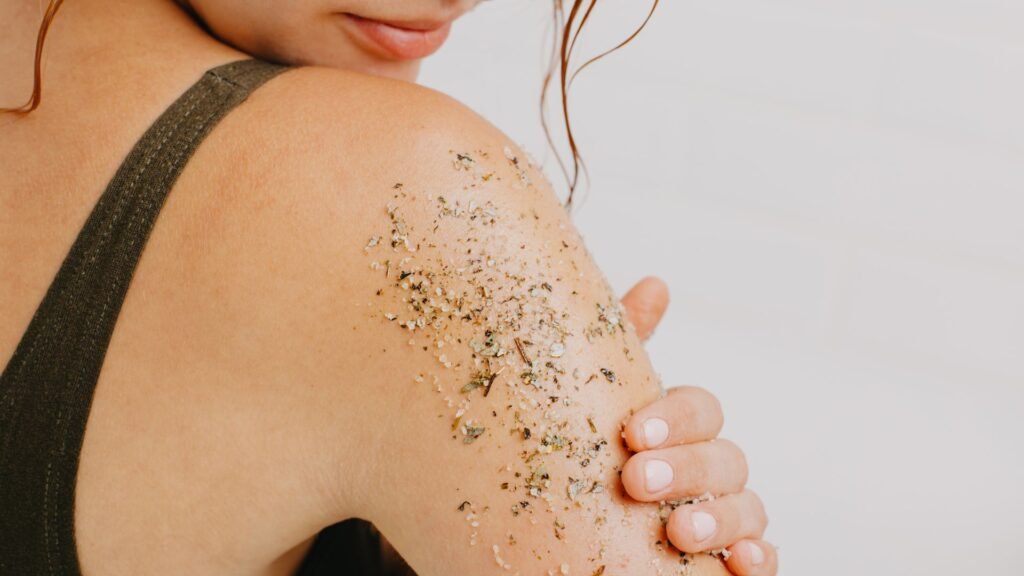
- Harsh scrubs: Large, gritty granules (like crushed shells or seeds) can cause micro-tears and inflame breakouts.
- High alcohol content: Can dry out and irritate skin, especially if used twice a day.
- Heavy fragrance and strong essential oils: A common trigger for irritation, particularly on sensitive skin.
- Very hot water: Strips natural oils and can worsen redness.
- Bar soap on the face: Regular soaps are often more alkaline than facial skin and can be too harsh.
- Layering too many actives: Using multiple strong ingredients together without guidance can overload your skin.
Face Wash Types Compared
The texture of a face wash matters nearly as much as its ingredients.
| Type | Best For | Pros | Cons |
|---|---|---|---|
| Gel | Oily, acne-prone | Light, refreshing, deep cleansing | Can dry skin if too strong |
| Foaming | Oily, combination | Good oil removal | May strip skin if harsh |
| Cream / Lotion | Dry, sensitive | Hydrating and gentle | May feel heavy on oily skin |
| Medicated | Moderate acne | Contains active ingredients | Needs careful use |
| Micellar / Oil-based | Makeup and sunscreen removal | Gentle first cleanse | Not a standalone acne treatment |
If you wear makeup or heavy sunscreen, consider a double cleanse in the evening: a micellar water or oil cleanser first, then your regular face wash.
How to Read the Label
A few seconds of label reading can save you weeks of irritation. Check for:
- “Non-comedogenic” and “oil-free”: Formulated to avoid clogging pores (helpful, though not a guarantee).
- Active ingredient and strength: For example, salicylic acid at around 0.5% to 2%.
- Fragrance-free or low-fragrance: Safer for reactive skin.
- “Free from” claims: Sulfates, parabens, and alcohol if your skin is sensitive.
- “Dermatologically tested”: A positive sign, but not a promise it will suit you.
Remember that marketing terms like “natural,” “herbal,” or “ayurvedic” don’t automatically mean gentle or effective. The ingredient list tells the real story.
How to Wash Your Face the Right Way
Even the best face wash won’t help if the technique is wrong.
- Wet your face with lukewarm water, not hot.
- Take a coin-sized amount of face wash.
- Massage gently with your fingertips for 30 to 60 seconds. No scrubbing.
- Rinse thoroughly, including around the hairline and jaw.
- Pat dry with a clean towel. Don’t rub.
- Moisturise while skin is slightly damp, and apply sunscreen in the morning.
How often? Twice a day is enough for most people, plus once after heavy sweating or a workout. If you have dry or sensitive skin, once in the evening and a simple water rinse in the morning may be enough.
Common Mistakes to Avoid
- Washing too often. More than two to three times a day can irritate skin and trigger extra oil.
- Scrubbing hard. Pimples are inflamed skin, and aggressive scrubbing makes it worse.
- Skipping moisturiser. Oily skin still needs hydration. A light, oil-free moisturiser helps protect your skin barrier.
- Switching products constantly. Skin needs time to respond. Most products need 4 to 8 weeks of consistent use.
- Picking or popping pimples. This can lead to scarring and dark marks.
- Expecting overnight results. Acne takes time to improve, and some products may cause mild dryness or peeling at first.
When a Face Wash Is Not Enough
A good cleanser is the foundation of an acne routine, but it’s not always enough. Consider seeing a dermatologist if:
- You have painful cysts or deep nodules
- Your acne is leaving scars or dark marks
- There’s no improvement after 6 to 8 weeks of consistent care
- Breakouts are sudden, severe, or affecting your confidence
A dermatologist can recommend treatments such as topical retinoids, prescription creams, or oral medication, which a face wash alone can’t replace.
Quick Pick Guide
| If Your Skin Is… | Choose… | Avoid… |
|---|---|---|
| Very oily with blackheads | Salicylic acid gel wash | Heavy creams and oily cleansers |
| Red with inflamed pimples | Gentle wash, possibly benzoyl peroxide | Harsh scrubs |
| Dry and breaking out | Hydrating, sulfate-free cleanser | Strong foaming washes |
| Sensitive | Fragrance-free, soap-free wash | Multiple actives at once |
Final Thoughts
Choosing the right face wash for acne-prone skin comes down to three things: know your skin type, pick the right active ingredient for your concern, and be gentle. A good cleanser should leave your skin clean and comfortable, never tight, stripped, or burning.
Above all, be consistent. Give any new product at least a few weeks before judging it, and don’t stack new products all at once. If you’re unsure, a dermatologist can help you build a routine that fits your skin.
Which face wash has worked for your skin? Share your experience in the comments!
FAQs
1. Which face wash is best for acne-prone skin?
A face wash with salicylic acid or benzoyl peroxide, or a gentle non-comedogenic cleanser, depending on your skin type and how severe your acne is.
2. How many times a day should I wash my face if I have acne?
Twice a day is usually enough, plus once after heavy sweating.
3. Is salicylic acid face wash good for pimples?
It can help unclog pores and reduce blackheads and mild breakouts, though it may dry out sensitive skin.
4. Can face wash remove pimples permanently?
No. A face wash supports acne control but doesn’t cure acne by itself.
5. Should I use a face wash with benzoyl peroxide?
It can help with inflamed pimples, but it may cause dryness or irritation, so start slowly and use it as directed.
6. Which face wash is good for oily and acne-prone skin?
A gel or foaming cleanser with salicylic acid or niacinamide is a common choice.
7. Can I use a scrub face wash on acne?
It’s best to avoid rough scrubs, as they can irritate skin and worsen inflammation.
8. How long does it take for an acne face wash to work?
Usually 4 to 8 weeks of consistent use.
9. Can a face wash make acne worse?
Yes, if it’s too harsh, too drying, or contains ingredients your skin reacts to.
10. Do I need a moisturiser if my skin is oily and acne-prone?
Yes. A light, oil-free moisturiser keeps your skin barrier healthy and helps prevent over-drying.
Disclaimer: This content is for general information only and is not a substitute for medical advice. For persistent or severe acne, please consult a dermatologist.