Best Ayurvedic Soap: How to Choose the Right Herbal Soap for Your Skin

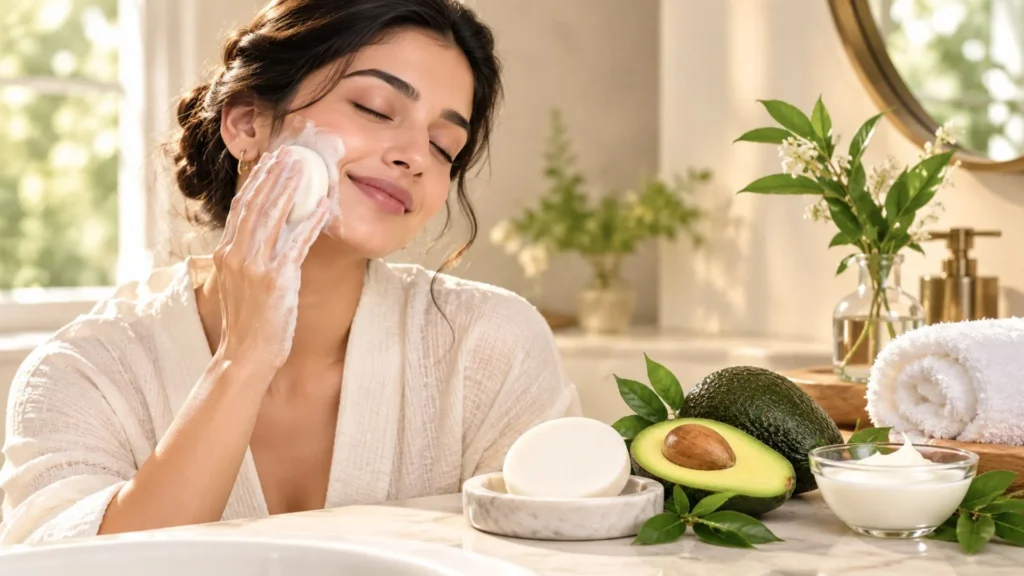
Choosing a bathing soap may seem simple, but the ingredients you use every day can make a difference in how your skin feels after cleansing. This is one reason many people are exploring herbal and Ayurvedic-inspired skincare as an alternative to conventional bathing products.
But what exactly should you look for when searching for the best Ayurvedic soap?
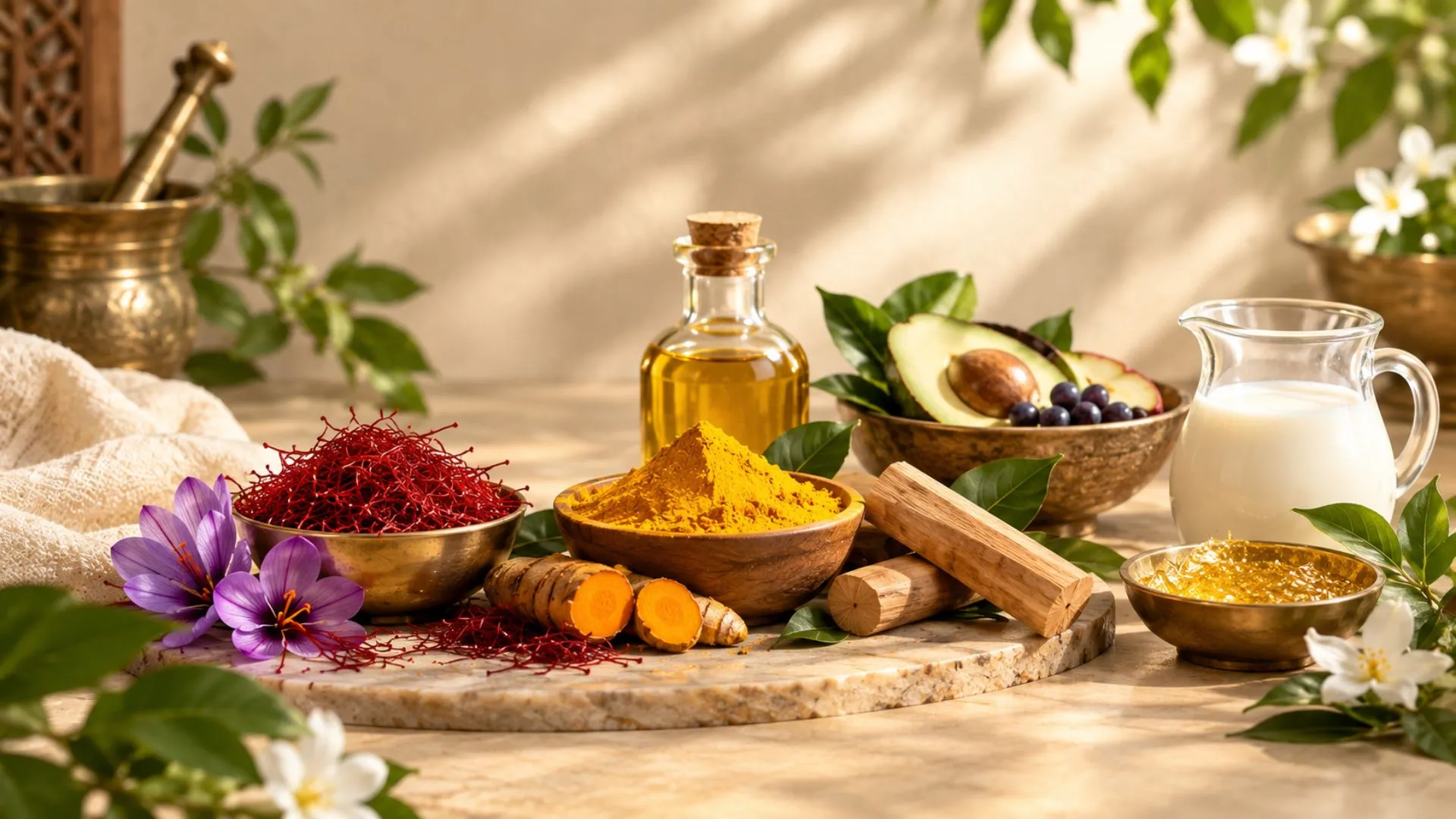
An Ayurvedic soap generally focuses on botanical ingredients and traditional Ayurvedic-inspired formulations. Depending on the product, ingredients such as turmeric, sandalwood, botanical oils, fruit extracts, or other plant-based ingredients may be included for their skincare properties.
However, the word “Ayurvedic” alone should not be the deciding factor. A good choice depends on several things: your skin type, the ingredients used, your cleansing requirements, fragrance preferences, and how your skin responds to the product.
Oak Tree Naturals follows an Ayurvedic-inspired approach to skincare, with the brand describing its products as being influenced by traditional Ayurvedic practices and carefully selected botanicals. Its stated philosophy also emphasizes small-batch skincare and botanical ingredients.
So, instead of simply asking, “Which is the best Ayurvedic soap?”, it is more useful to ask:
Which Ayurvedic soap is best suited to my skin and everyday bathing needs?
Table of Contents
How to Choose the Best Ayurvedic Soap
There is no single soap that will be the perfect choice for everyone. Skin can differ considerably from person to person, and a product that feels comfortable for one individual may not feel the same for another.
Here are the main factors to consider.
1. Look at the Ingredients
The ingredient list should be one of the first things you check.
Traditional and herbal soaps may contain ingredients such as:
- Turmeric
- Sandalwood
- Botanical oils
- Fruit extracts
- Plant-based butters
- Herbal extracts
- Naturally derived fragrances or essential oils
Different ingredients can give a soap a different sensory and skincare profile.
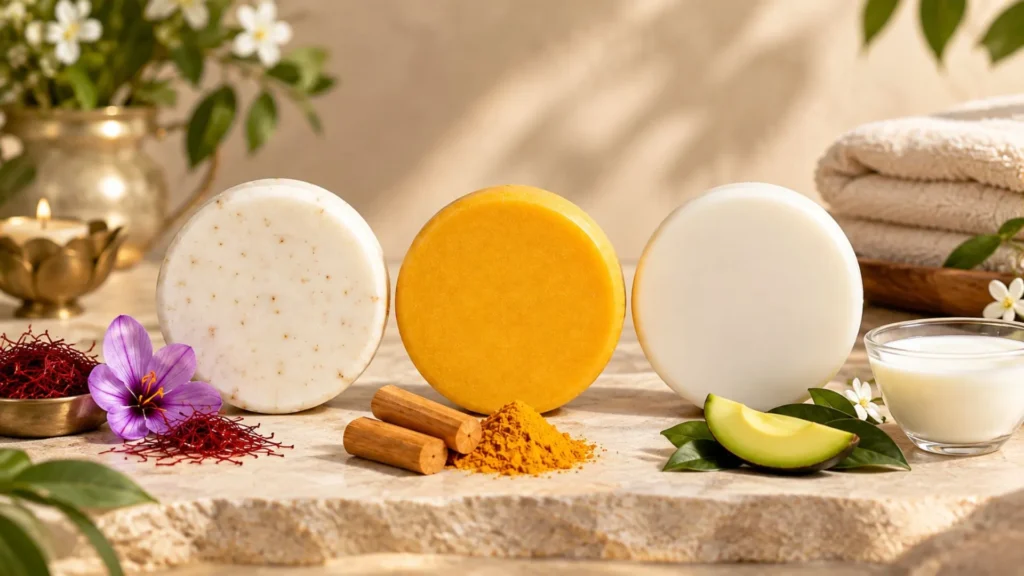
For example, Oak Tree Naturals offers a Haldi Chandan Soap, formulated with turmeric and sandalwood, and a Kumkumadi Body Soap featuring Kumkumadi Oil and a fruit mix. Its product range also includes an avocado and goat milk soap.
The important point is not to choose an ingredient simply because it sounds natural. Check the complete ingredient list and consider whether the formulation suits your individual skin needs.
2. Consider Your Skin Type
Your skin type can influence how a soap feels during and after bathing.
For dry-feeling skin:
Look for formulations that focus on a comfortable cleansing experience and contain moisturizing or conditioning ingredients.
For normal skin:
You generally have more flexibility so that you can select a soap based on ingredients, fragrance, texture, and personal preference.
For oily skin:
A soap that provides effective cleansing without leaving the skin feeling excessively stripped may be preferable.
For sensitive skin:
Pay particular attention to fragrance, essential oils, botanical extracts, and other ingredients that may not suit your skin. A patch test can be useful when trying a new skincare product.
Oak Tree Naturals itself advises customers to conduct a patch test and to discontinue use if irritation or an adverse reaction occurs.
Why Are People Choosing Ayurvedic and Herbal Soaps?
The growing interest in herbal skincare is partly connected to people’s desire to understand what goes into the products they use every day.
An Ayurvedic-inspired soap can combine traditional botanical concepts with the convenience of a modern bathing product.
For many consumers, the appeal comes from factors such as:
- Botanical ingredients
- Traditional Indian skincare inspiration
- Different ingredient combinations
- Pleasant natural or herbal fragrances
- A simpler bathing routine
- Interest in plant-based personal care
However, “natural” does not automatically mean that a product will suit every person. Botanical ingredients can also cause sensitivity in some individuals.
This is why reading the label and understanding your own skin remains important.
Best Ayurvedic Soap Ingredients to Look For
When comparing different products, you may come across several familiar Ayurvedic and botanical ingredients.
Turmeric
Turmeric has a long history of use in traditional Indian skincare practices. It is particularly familiar in formulations inspired by traditional beauty rituals.
A turmeric-based bathing soap can be an appealing choice for people who enjoy traditional herbal ingredients as part of their daily routine.
Sandalwood
Sandalwood is another ingredient strongly associated with Indian traditional skincare and personal care.
It is commonly appreciated for its characteristic aroma and its association with traditional beauty practices.
Oak Tree Naturals combines turmeric and sandalwood in its Haldi Chandan Soap.
Kumkumadi Oil
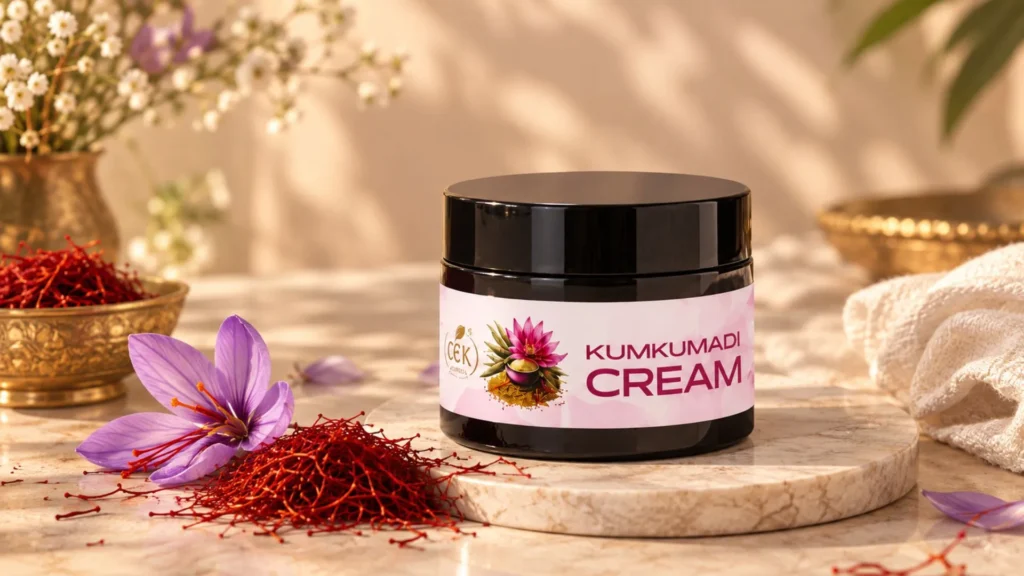
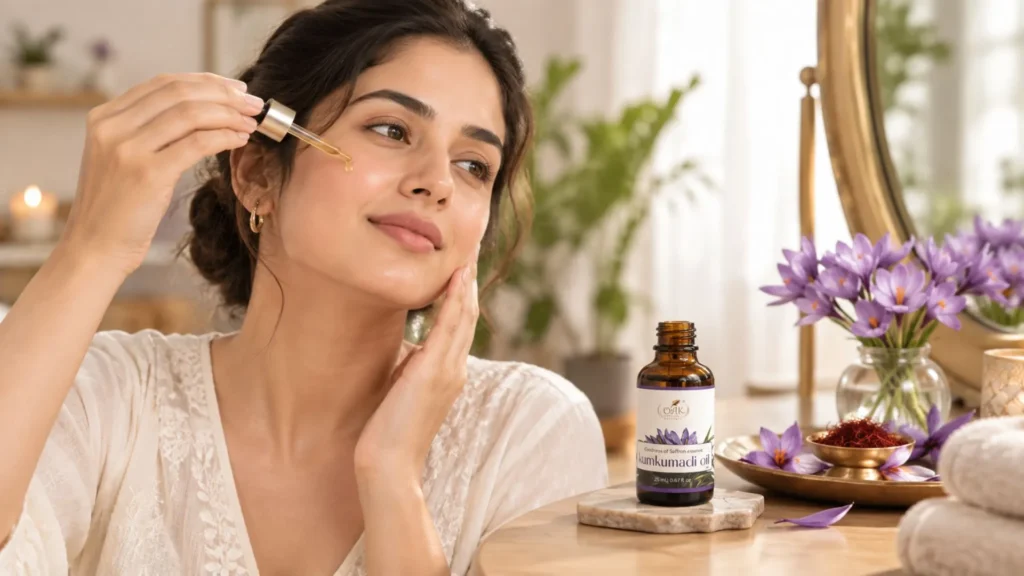
Kumkumadi oil is traditionally associated with Ayurvedic-inspired skincare. Products featuring this ingredient are often chosen by consumers interested in traditional botanical formulations.
Oak Tree Naturals offers a Kumkumadi Body Soap formulated with Kumkumadi Oil along with an ACB Fruit Mix.
Avocado and Goat Milk
Not every herbal or Ayurvedic-inspired soap needs to rely exclusively on traditional Indian herbs.
Ingredients such as avocado and goat milk can be incorporated into bathing formulations with a focus on nourishment and a comfortable skin feel.
Oak Tree Naturals offers an Avocado With Goat Milk Soap as part of its bathing essentials range.
Ayurvedic Soap vs. Regular Soap: What Should You Consider?
The choice does not have to be about declaring one category universally better than another.
Instead, compare products based on what matters to you.
FactorAyurvedic/Herbal SoapConventional Soap
Ingredient focus Often emphasizes botanicals and traditional ingredients Can use a wide range of cosmetic ingredients.
Fragrance May have herbal, floral, woody, or botanical notes Depends on formulation.
Product variety Turmeric, sandalwood, oils, herbs, fruits, etc. Very broad range of formulations
Skin suitability Depends on the individual formulation Depends on the individual formulation.
Best approach Read ingredients and choose according to your needs Read ingredients and choose according to your needs.
The important lesson is that the category name alone does not determine whether a soap is suitable for you.
In India, cosmetics are regulated under applicable laws and rules, and the Central Drugs Standard Control Organization notes that cosmetic products must comply with applicable quality and safety requirements. It also states that cosmetic claims must not be false or misleading.
How to Use Ayurvedic Soap in Your Daily Routine
Even a well-selected soap should be used appropriately.
A simple routine can look like this:
- Wet your skin with comfortable-temperature water.
- Apply the soap gently to create a lather.
- Cleanse without aggressive rubbing.
- Rinse thoroughly.
- Pat your skin dry rather than rubbing it harshly.
- If your skin feels dry, follow with a suitable moisturizer.
You do not need to scrub your skin aggressively to feel clean. Excessive rubbing can make the skin feel uncomfortable, particularly if you already experience dryness or sensitivity.
When introducing a new soap, pay attention to how your skin responds over the following days.
Common Mistakes When Choosing an Ayurvedic Soap
Choosing Only Because It Says “Ayurvedic”
The label should not be the only deciding factor. Look at the actual ingredients and formulation.
Ignoring Your Skin Type
A heavily fragranced or highly botanical formulation may not be suitable for everyone, particularly people with sensitive skin.
Expecting a Soap to Solve a Skin Condition
A bathing soap is a cleansing product. It should not automatically be treated as a treatment for a medical skin condition.
If you have persistent acne, eczema, unexplained rashes, severe dryness, or another ongoing skin concern, professional medical advice is more appropriate than relying on a cosmetic soap.
Assuming Natural Means Risk-Free
Plant-derived ingredients can still cause irritation or allergic reactions in susceptible individuals.
Changing Products Too Frequently
Trying several products at once makes it difficult to understand which product is responsible for a positive or negative reaction.
Give your routine enough consistency to understand how your skin responds.
Why Oak Tree Naturals Is Exploring Ayurvedic-Inspired Skincare
Oak Tree Naturals positions itself around botanical skincare inspired by the natural environment of the Uttarakhand Himalayas and traditional Ayurvedic practices. The brand states that it works with carefully sourced botanicals and produces products in small batches.
Its bathing range includes different formulations rather than relying on one ingredient profile.
For example:
- Haldi Chandan Soap — turmeric and sandalwood
- Kumkumadi Body Soap — Kumkumadi Oil and fruit-based ingredients
- Avocado With Goat Milk Soap — avocado and goat milk
This variety is useful because people do not all look for the same bathing experience. Some may prefer traditional ingredients such as turmeric and sandalwood, while others may prefer formulations featuring oils, fruits, or moisturizing ingredients.
Rather than choosing a soap simply because it is marketed as Ayurvedic, consider which formulation fits your personal preferences and skin requirements.
A Simple Checklist for Finding the Best Ayurvedic Soap
Before buying, ask yourself:
✓ What is my skin type?
Dry, oily, normal, combination, or sensitive?
✓ What ingredients does the soap contain?
Read the complete ingredient list instead of relying only on the front label.
✓ What type of cleansing experience do I want?
Consider fragrance, lather, texture, and how your skin feels afterward.
✓ Am I sensitive to fragrance or particular botanicals?
If yes, check the formulation carefully.
✓ Does the brand provide clear product information?
Look for transparent product descriptions and usage information.
✓ Have I patch-tested a new product when appropriate?
This is particularly relevant if you have sensitive skin or a history of reactions.
✓ Am I expecting a cosmetic product to treat a medical condition?
If so, speak with a qualified healthcare professional instead.
So, What Is the Best Ayurvedic Soap?
The best Ayurvedic soap is not necessarily the one with the longest ingredient list or the most impressive claims.
A better approach is to choose a formulation that matches your skin type, preferences, cleansing needs, and ingredient tolerance.
For people interested in traditional Indian skincare ingredients, options such as turmeric, sandalwood, and Kumkumadi-inspired formulations can be worth exploring. Oak Tree Naturals offers several bathing products built around different ingredient combinations, giving shoppers the opportunity to choose according to their preferences.
Most importantly, remember that skincare is personal. What works comfortably for one person may not work the same way for another.
Read the label, understand the ingredients, introduce new products thoughtfully, and pay attention to how your skin responds.
That approach is more useful than choosing a product based solely on a marketing label.
FAQ: Best Ayurvedic Soap
1. What is an Ayurvedic soap?
An Ayurvedic soap is generally a bathing product inspired by Ayurvedic traditions and may contain botanical or herbal ingredients associated with traditional Indian skincare.
2. Which Ayurvedic soap is best for daily use?
The right choice depends on your skin type and the formulation. Look for a soap that cleanses comfortably without leaving your skin excessively dry or irritated.
3. Is Ayurvedic soap suitable for sensitive skin?
It can be, but not every Ayurvedic or herbal soap will suit sensitive skin. Check the ingredients and consider a patch test before regular use.
4. Can I use Ayurvedic soap every day?
Many bathing soaps are designed for regular use, but individual tolerance varies. Follow the product’s directions and stop using it if irritation develops.
5. What ingredients are commonly found in Ayurvedic-inspired soaps?
Ingredients can include turmeric, sandalwood, botanical oils, fruit extracts, and other herbs or plant-derived ingredients. The exact formulation varies by product.
6. Is natural soap always better for the skin?
Not necessarily. “Natural” does not guarantee that a product will suit every skin type: individual ingredients and the overall formulation matter.
7. How should I choose an Ayurvedic soap for dry skin?
Look for a formulation that provides comfortable cleansing and contains conditioning or moisturizing ingredients. If your skin remains persistently dry or irritated, consider consulting a dermatologist.
8. Can Ayurvedic soap treat skin diseases?
A cosmetic soap should not be assumed to treat a medical skin condition. Persistent or significant skin problems should be evaluated by an appropriate healthcare professional.