
Unveiling the Truth: Organic vs. Chemical-Free Rose Water

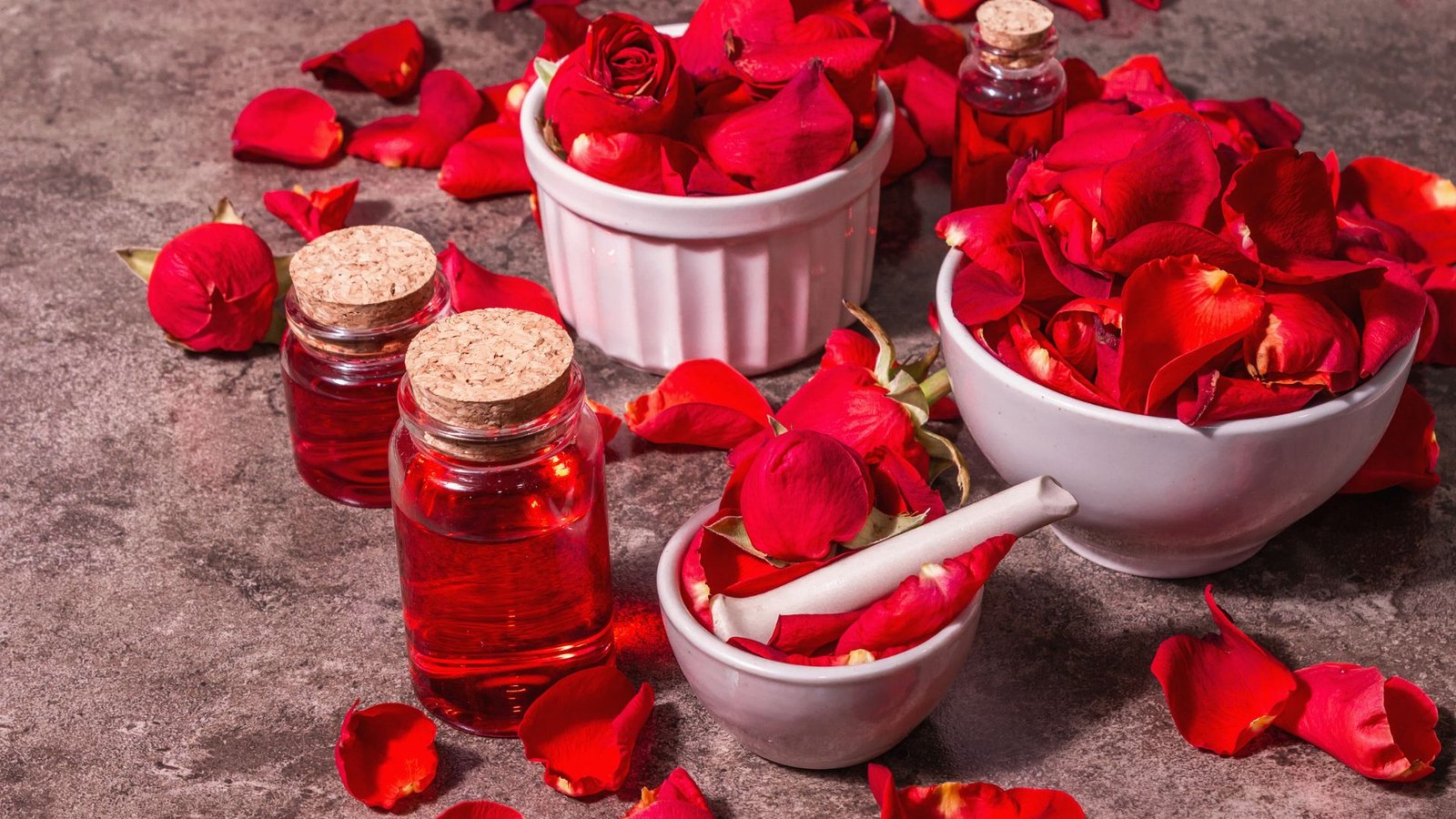
Chemical-Free Rose Water, a refreshing scent that brings to mind bouquets and skincare routines. Rose water is steam extracted from cooked rose petals. But it’s not just for your face—people have used it for centuries to flavor desserts and even some savory dishes. You can make it at home or buy a bottle at the store.
However, have you ever thought about whether your rose water is organic? “Organic” and “chemical-free” might sound similar, but there’s a difference. Let’s explore what makes rose water truly pure.
What is organic rose water?
Chemical-Free Rose Water: When it comes to using it on our precious skin, purity matters. So, at the store, do you find yourself drawn to the organic rose water section? Maybe you even ask the friendly folks at the market how those roses were grown.
People often think “organic” and “chemical-free” mean the same thing. But even organic rose water can have chemicals—the natural kind farmers use to keep the roses healthy. This is different from harsh synthetic chemicals.
Conventional vs. Organic Rose water
Chemical-Free Rose Water: While organic rosewater might be pricier and pose a bigger challenge for farmers, its benefits for your health, lifestyle, and well-being are undeniable.
In India, rose cultivation follows two main paths: traditional. Traditional methods rely on natural fertilizers and pest control, nurturing the soil and creating a sustainable ecosystem. Conventional farming, on the other hand, leans heavily on synthetic chemicals. These man-made, inorganic substances can degrade the soil over time, and the long-term effects they have on us remain under investigation.
Organic farmers embrace natural solutions, opting for naturally derived chemicals from biological sources. As a consumer, you can have peace of mind knowing that only approved natural chemicals are used throughout the entire process—from growing and harvesting the roses to processing, shipping, and finally reaching your shelf.
How To Identify Chemical-Free Rose water
Check Labels
Chemical-Free Rose Water: Unfortunately, not every “organic” label is created equal. Some companies might label their rosewater as organic even if it contains synthetic chemicals. Using such impure rosewater can backfire, potentially worsening skin conditions, disrupting your skin’s natural balance, and leading to long-term dermatological issues.
If a label says “organic,” all ingredients are organic. If the word “organic” is displayed, at least 95% of the ingredients are organic. Organic rosewater must carry the FSSAI logo and FSSAI (Food Safety and Standard Authority of India) license number.
Method of Preparation
Organic rose water should be produced using the traditional steam distillation method. This gentle process involves steaming fresh rose petals, capturing the precious rose water essence (also known as rose hydrosol). This method ensures the purest form of rose water, free from harsh chemicals or contaminants often used in other extraction methods.
No Strong Fragrance
Chemical-Free Rose Water: True organic rose water, produced through steam distillation, possesses a subtle, woody rose aroma. It’s not overpowering or synthetic-smelling. Instead, it should be a gentle and natural reminder of fresh roses. If the scent hits you with a strong perfume-like intensity, it might be a sign of added fragrances or synthetic ingredients.
Should not foam
Chemical-Free Rose Water: Shake your rose water bottle well. If a layer of foam forms at the top, it’s likely not organic. This foam can indicate the presence of soaps or detergents, often used in non-organic rose water production. Opt for rose water that remains clear and doesn’t produce any lather when shaken.
It shouldn’t irritate the eyes.
Your eyes are delicate, and organic rose water should reflect that. A true organic rose water will never irritate your eyes or skin. It’s known for its soothing properties. If you experience any stinging or burning sensation after using rose water, it might be contaminated with harsh chemicals or irritants.
No Colour
Chemical-Free Rose Water: Pure organic rosewater should be almost colorless. It might have a slight sheen, but it shouldn’t be pink, yellow, or cloudy. Any color can mean there are dyes or additives, which shouldn’t be in organic rosewater.
Nirvana Organic India provides sustainable and ethical organic rosewater. We ensure the whole process is clean, from promoting organic farming to making healthy products available to everyone. Our products are chemical-free and certified by India Organic and FSSAI standards.

Ways to Use Rosewater:
- Remove makeup.
- Use as a toner after cleansing.
- Refresh your face with a mist on hot days.
- Add to desserts.
- Mix with face masks.
- Use as a soothing eye mist.
- Combine with apricot scrub and apply.
Click here to purchase our rosewater made with original damask roses
FAQ
1. Which rose water is natural?
Chemical-Free Rose Water: Natural rose water is typically made from rose petals through steam distillation, without unnecessary synthetic fragrances, artificial colors, or harsh additives. Oaktree Naturals Rose Water can be a good choice for those looking for a naturally inspired rose-water skincare option. Always check the ingredient list and product label before buying.
2. Which type of rose water is best?
Pure, steam-distilled rose water is generally one of the best types for skincare because it is made directly from rose petals and can be used as a gentle facial mist or toner. Oaktree Naturals Rose Water can be incorporated into a daily skincare routine for refreshing and hydrating the skin.
3. How to check if rose water is pure?
Check the ingredient list, manufacturing details, fragrance, color, and product claims. Pure rose water generally has a mild natural rose aroma and does not need an intense artificial fragrance or bright color. Look for a product with a simple ingredient list and clear information about how it is made.
4. Which company’s rose water is pure?
Rather than choosing a brand based only on its name, check whether the product provides clear ingredients, manufacturing information, quality certifications where applicable, and transparent product labeling. Oaktree Naturals Rose Water is an option to consider when looking for a rose-water product for your skincare routine.
5. Which rose water is best, Gulabari or Banjaras?
Both Gulabari and Banjaras are popular rose-water products, but the better option depends on your skin type, ingredients, and intended use. If you are looking for another option, Oaktree Naturals Rose Water can also be considered, particularly if you prefer a rose-water product with a skincare-focused formulation. Always compare the ingredient lists before choosing.
6. Who should not use rose water?
Most people can use rose water, but those with very sensitive skin or known allergies to rose or fragrance ingredients should be cautious. Perform a patch test before applying it to your face. Stop using the product if you experience redness, burning, itching, or irritation.
7. Can I drink rose water daily?
Not all rose water is suitable for drinking. Cosmetic rose water, including products intended specifically for facial skincare, should not be consumed unless the label clearly states that it is food-grade and suitable for ingestion. If you want to drink rose water, choose a product specifically manufactured and labeled for culinary or dietary use.
8. What not to mix with rose water?
Chemical-Free Rose Water: Avoid mixing rose water with potentially irritating ingredients such as lemon juice, undiluted essential oils, or harsh acids, especially if you have sensitive skin. For a simple routine, you can use Oaktree Naturals Rose Water as a facial mist or toner according to the product’s directions rather than combining it with multiple active ingredients.
One thought on “Unveiling the Truth: Organic vs. Chemical-Free Rose Water”