Aloe Vera Gel Benefits for Skin: Uses, Tips & Daily Care

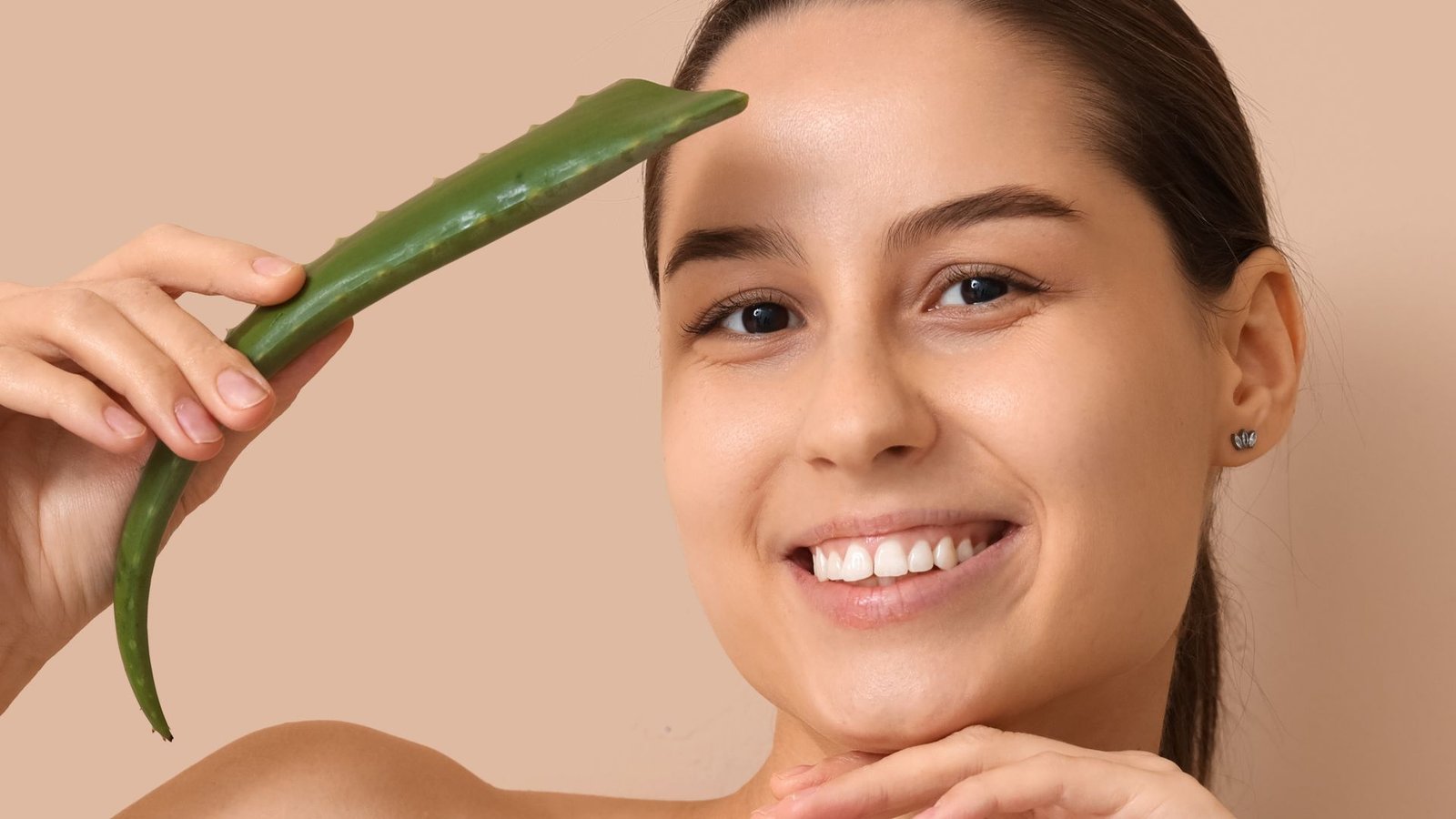
When your skin feels dry, tight or tired after a long day, a simple skincare product can make your routine feel more refreshing. One ingredient that has remained popular for generations is aloe vera. Known for its gel-like texture, aloe vera is widely used in skincare products designed to hydrate and soothe the skin.
But what are the actual aloe vera gel benefits for skin, and how can you use it as part of your everyday routine? Whether you are building a skincare routine from scratch or looking for a lightweight product to complement your existing favourites, understanding aloe vera can help you make a more informed choice.
Table of Contents
What Is Aloe Vera Gel?
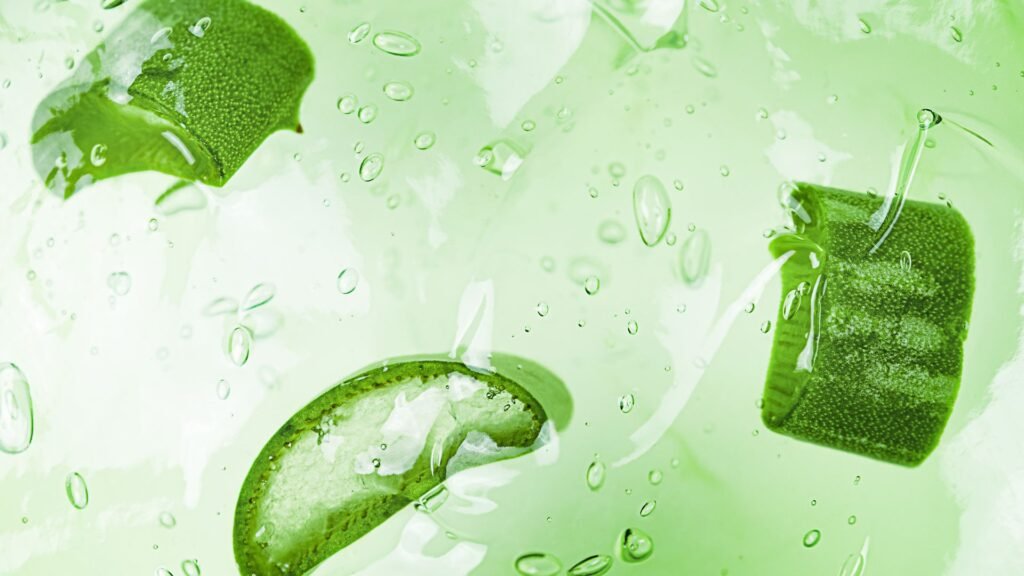
Aloe vera is a succulent plant whose leaves contain a clear, gel-like inner substance. This substance is used in various cosmetic and personal care products, including moisturisers, face gels and body care formulations.
Aloe vera is popular in skincare because it contains water and naturally occurring plant compounds. Research has explored its potential moisturising and soothing properties, although results can vary depending on the formulation and the skin concern being studied.
A ready-to-use aloe vera gel is also convenient. Instead of preparing the plant at home, you can choose a formulated product with directions for safe, consistent application.
6 Aloe Vera Gel Benefits for Skin
1. Helps Keep Skin Hydrated
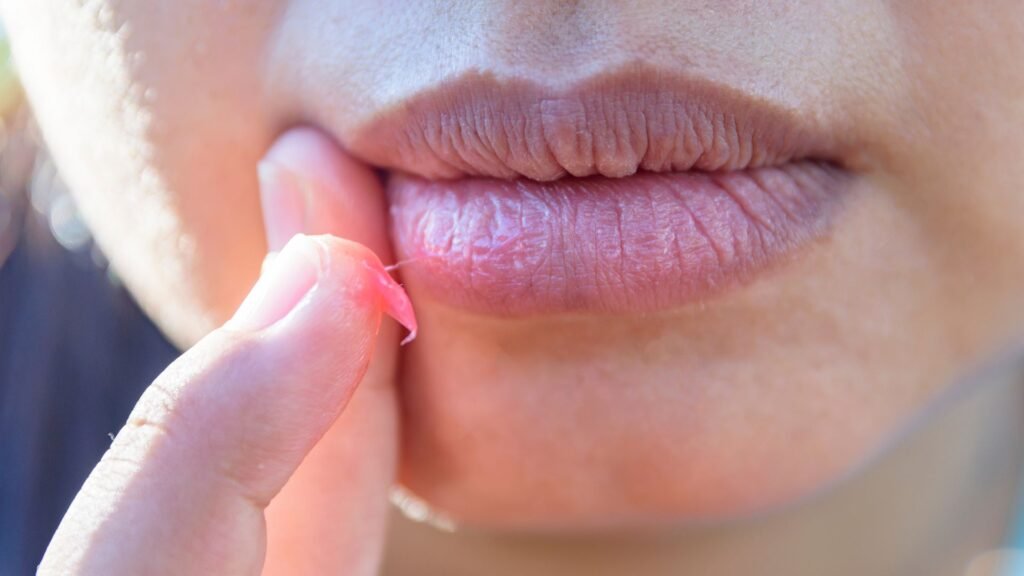
Hydration is an important part of maintaining comfortable, healthy-looking skin. When skin loses moisture, it may feel tight, rough or flaky.
Aloe vera is commonly used in skincare products intended to provide a refreshing, moisturising feel. Depending on its formulation, a gel may help skin feel softer and more comfortable after application.
For dry skin, remember that a gel may not provide enough lasting moisture on its own. Applying a suitable moisturiser afterward can help support your skin’s moisture barrier.
2. Provides a Refreshing, Soothing Feel
Aloe vera gel is often chosen for its cool, lightweight texture. When applied to the skin, it can provide a refreshing sensation that many people enjoy as part of their daily routine.
However, a cooling sensation should not be confused with medical treatment. Aloe vera gel is not a substitute for appropriate care for severe sunburn, persistent redness or significant skin irritation.
Choose a product intended for your skin concern and follow its directions. If a product causes burning, itching or increased redness, stop using it.
3. Supports Soft, Smooth-Looking Skin
Skin can feel rough when it is dehydrated or when its surface becomes dry and flaky. A well-formulated gel can be a useful addition to a routine focused on maintaining a soft, comfortable skin feel.
Aloe vera is one ingredient you may find in lightweight skincare products designed for everyday use. Its suitability depends on the complete formula, so check the ingredient list rather than assuming that every aloe vera product will work the same way.
For a simple routine, combine gentle cleansing with moisturising and avoid excessive scrubbing.
4. Fits Easily Into a Lightweight Skincare Routine
Not everyone enjoys the feeling of thick creams, especially in warm or humid weather. A gel-based product may appeal to people who prefer a lightweight texture.
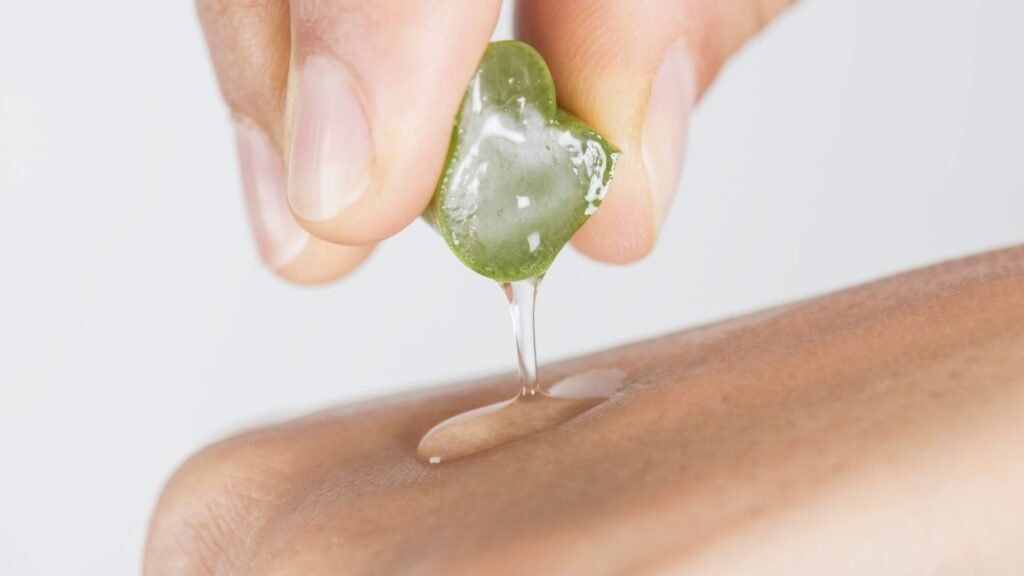
Aloe vera gel can be used as an additional skincare step, depending on the product’s instructions. Apply a small amount to clean skin and allow it to settle before applying other products.
If your skin needs more moisture, follow with a moisturiser. During the daytime, finish with broad-spectrum sunscreen. Aloe vera gel does not replace sun protection.
5. Complements Everyday Skincare Habits
Aloe vera gel can be easy to incorporate into a routine because it does not require complicated preparation. It can sit alongside the basic products that help you care for your skin consistently.
For most everyday routines, focus on the essentials:
- A gentle cleanser suited to your skin.
- A moisturiser that helps maintain hydration.
- An aloe vera gel, if you enjoy using one as an additional step.
- Broad-spectrum sunscreen during the day.
A consistent routine is generally more practical than frequently switching products or expecting one ingredient to solve every skin concern.
6. Offers a Convenient Option for Different Skin Types
Aloe vera gel is available in formulations designed for different skin types and preferences. However, the ingredient alone does not guarantee that a product will suit everyone.
People with oily skin may prefer a lightweight texture, while those with dry skin may need a richer moisturiser alongside the gel. If your skin is sensitive, check the full ingredient list for fragrance or other ingredients that may cause a reaction.
Introduce new products gradually and perform a patch test before applying them widely.
How to Use Aloe Vera Gel on Your Face
If you are new to aloe vera gel, you can start with a simple routine.
Step 1: Cleanse your face
Use a gentle cleanser to remove everyday dirt, excess oil and impurities. Pat your skin dry rather than rubbing it vigorously.
Step 2: Apply a small amount of gel
Follow the product instructions and spread a thin, even layer over the intended area. Avoid getting the gel into your eyes.
Step 3: Let it settle
Give the gel a little time to absorb. If you notice stinging, itching or redness, rinse it off and discontinue use.
Step 4: Follow with moisturiser if needed
Aloe vera gel may not be moisturising enough for every skin type. Apply a suitable moisturiser if your skin feels dry or needs additional moisture.
Step 5: Apply sunscreen during the day
Use broad-spectrum sunscreen as the final step of your morning skincare routine. Aloe vera gel does not provide reliable UV protection unless a product is specifically formulated and labelled as sunscreen.
You can use the gel according to its label directions. Avoid applying it to broken skin or using it to self-treat persistent skin problems without professional advice.
How to Choose the Right Aloe Vera Gel
With so many aloe vera products available, choosing one can feel confusing. These simple checks can help you make a more informed decision.
Read the ingredient list. Aloe vera products may contain additional moisturising agents, fragrances, preservatives or other ingredients. Check the complete list, especially if your skin is sensitive.
Consider the texture. If you prefer lightweight skincare, look for a gel that feels comfortable on your skin. Texture and absorption can vary between formulations.
Check the intended use. Not every gel is suitable for the face, body and hair. Choose a product that clearly identifies its intended application.
Be realistic about results. Aloe vera gel should not automatically be expected to remove acne scars, erase pigmentation, prevent ageing or cure skin conditions. Such claims depend on evidence for the specific product and use.
Discover Oak Tree Naturals Aloe Vera Gel
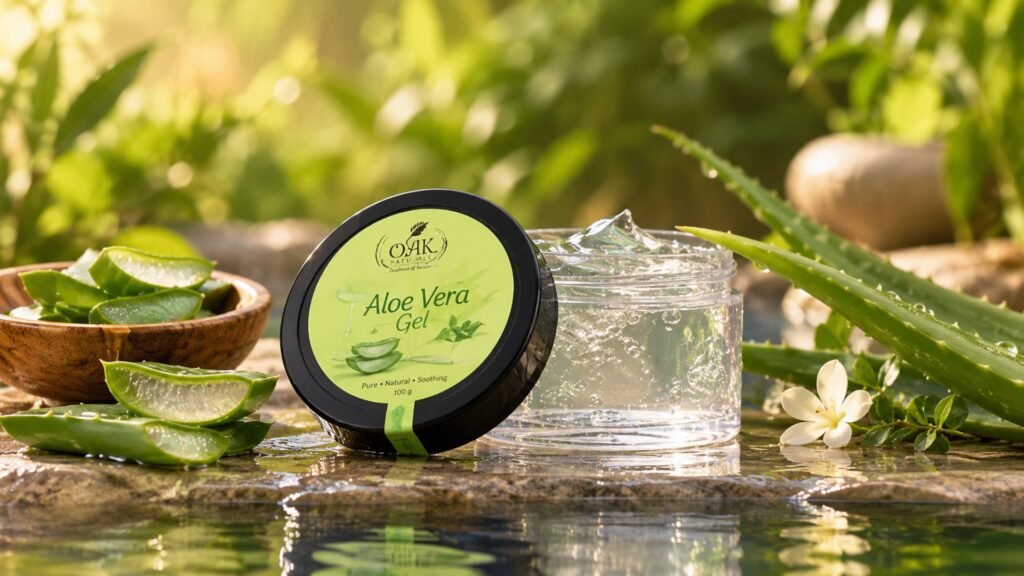
If you want to add a lightweight aloe vera product to your skincare routine, Oak Tree Naturals Aloe Vera Gel (100 g) is one option to explore.
The product is described as a lightweight, fast-absorbing gel designed to help keep skin feeling hydrated, soft and refreshed without a heavy or greasy feel. It is presented for everyday skincare and is listed as suitable for all skin types.
You can check its product details, directions and available information before deciding whether it fits your routine.
Explore Oak Tree Naturals Aloe Vera Gel
As with any skincare product, read the label and patch-test before first use, particularly if you have sensitive skin.
Frequently Asked Questions
Can I use aloe vera gel on my face every day?
That depends on the formulation and its instructions. If the product is intended for daily facial use and your skin tolerates it, you can incorporate it into your routine as directed.
Is aloe vera gel good for dry skin?
Aloe vera gel may help provide a refreshing, moisturising feel. However, people with dry skin may need a separate moisturiser to help maintain hydration.
Can aloe vera gel remove dark spots?
There is not enough evidence to claim that every aloe vera gel removes dark spots or pigmentation. If pigmentation is persistent, consider evidence-based skincare options and consult a dermatologist.
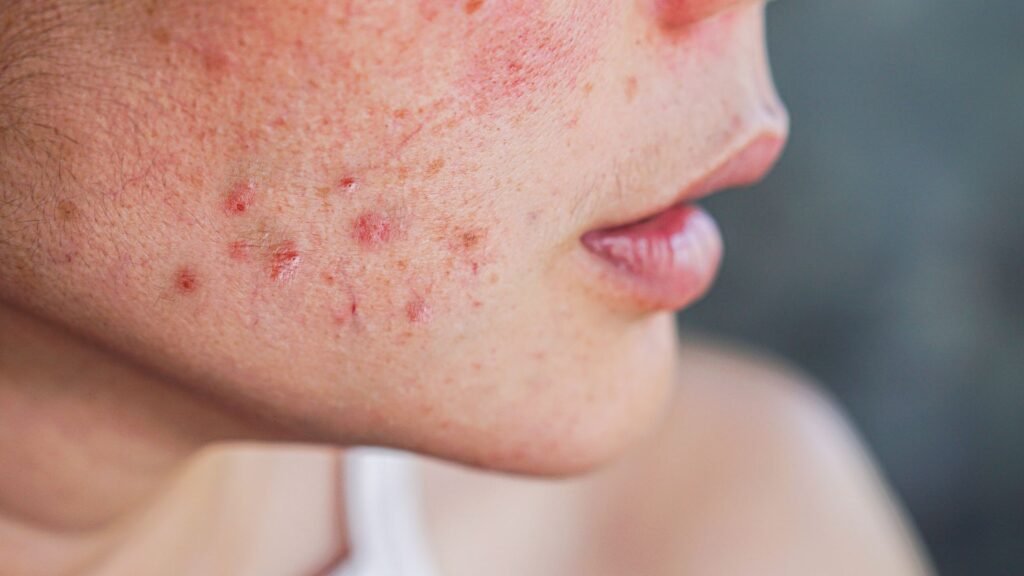
Does aloe vera gel treat acne?
Aloe vera gel should not be considered a proven standalone acne treatment. If you have persistent or painful acne, a dermatologist can recommend suitable treatment options.
Can aloe vera gel replace moisturiser?
Not always. A gel may be enough for some people in certain conditions, but others will need a moisturiser for more sustained hydration. Choose based on how your skin feels and responds.
Final Thoughts
Aloe vera remains a popular skincare ingredient because of its refreshing texture and its use in formulations designed to moisturise and soothe the skin. Choosing the right product, using it as directed and maintaining a consistent routine are more useful than expecting one ingredient to address every concern.
If you prefer lightweight skincare, Oak Tree Naturals Aloe Vera Gel is worth exploring as an additional step in your daily routine. Pair it with suitable cleansing, moisturising and sun protection to keep your skincare routine simple and practical.
This article is for general skincare information and is not a substitute for personalised dermatological advice.